

Trail Journal
Home / Journal

Trail Journal

Our journal shares practical running ideas, trail insights and gear thinking for South African conditions. Topics range from hydration strategy to event preparation and belt comfort.

Belt Fit Basics

Belt Fit Basics

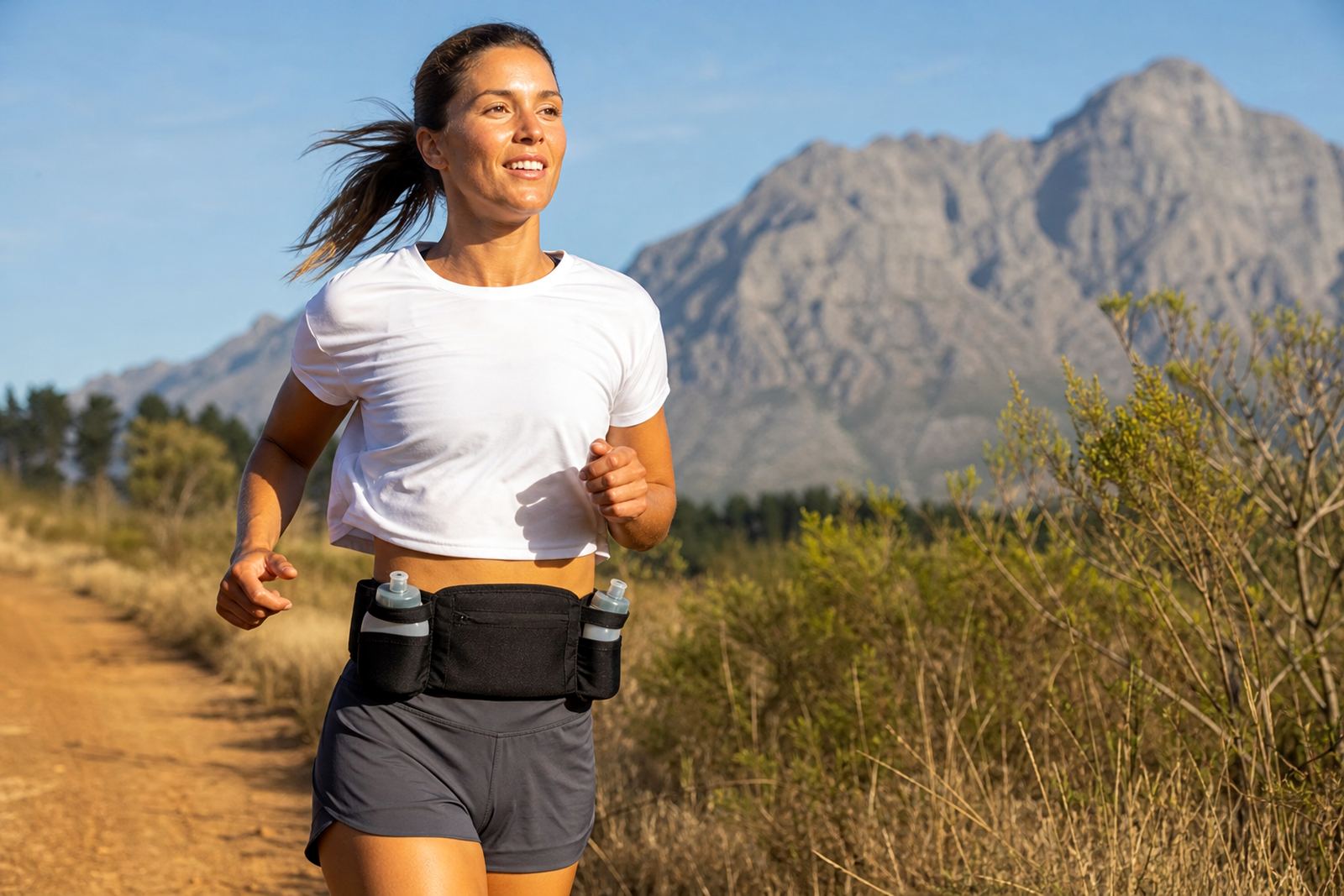
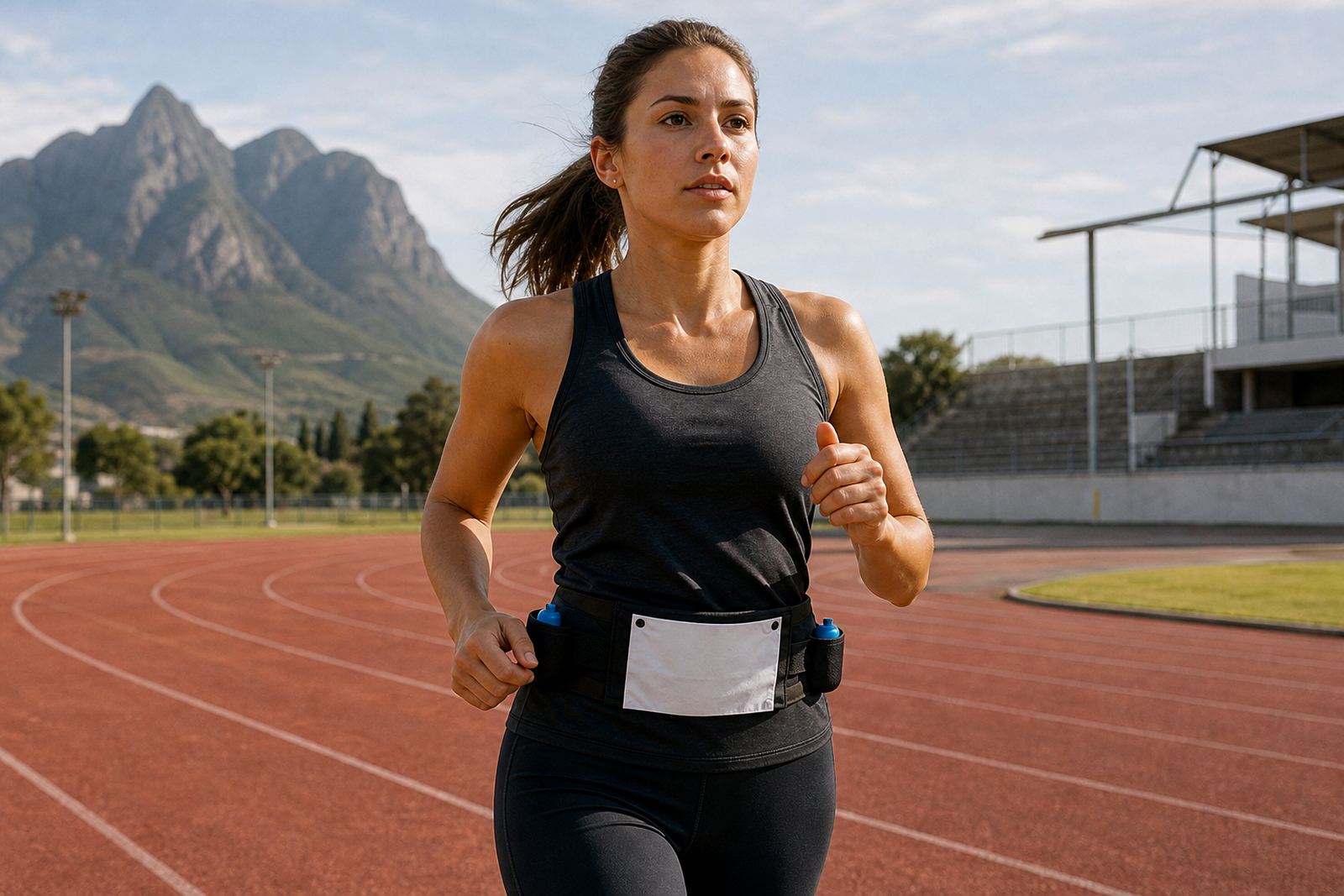
Learn how a correct waist belt fit improves comfort, access and stability on every run.

Avoiding Belt Bounce

Avoiding Belt Bounce

Simple changes in belt position and packing can reduce bounce over uneven ground.

Packing Short Runs

Packing Short Runs

Short training runs still need smart packing so essentials stay light and easy to reach.

Packing Long Runs

Packing Long Runs

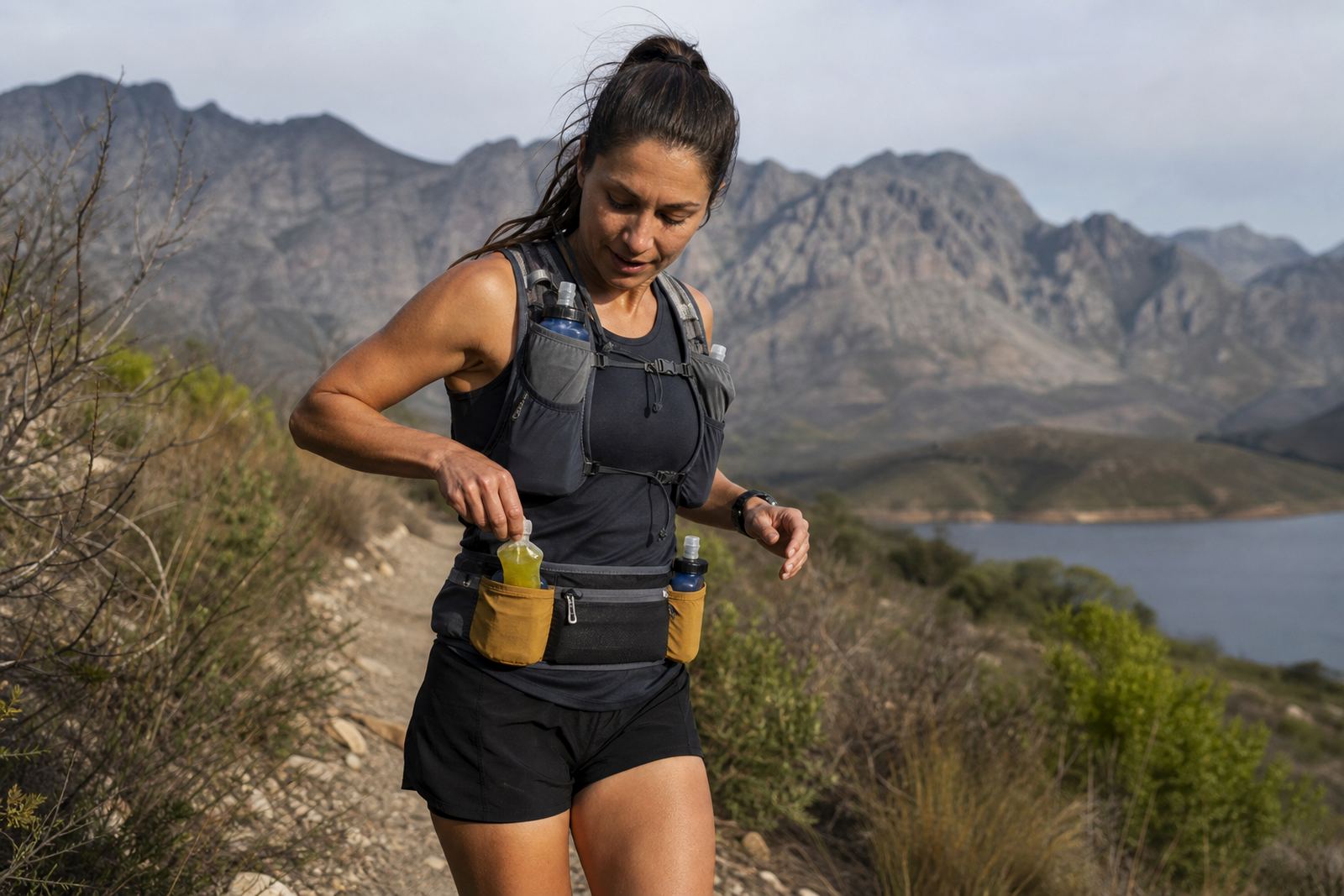
Longer sessions call for balanced carry of fluids, fuel, phone and weather extras.

Summer Hydration Tips

Summer Hydration Tips

Hot weather running requires earlier planning for fluid intake and easy bottle access.

Winter Run Essentials

Winter Run Essentials

Cold starts change what you carry and how you layer gear around a belt.

Trail Vs Road Belts

Trail Vs Road Belts

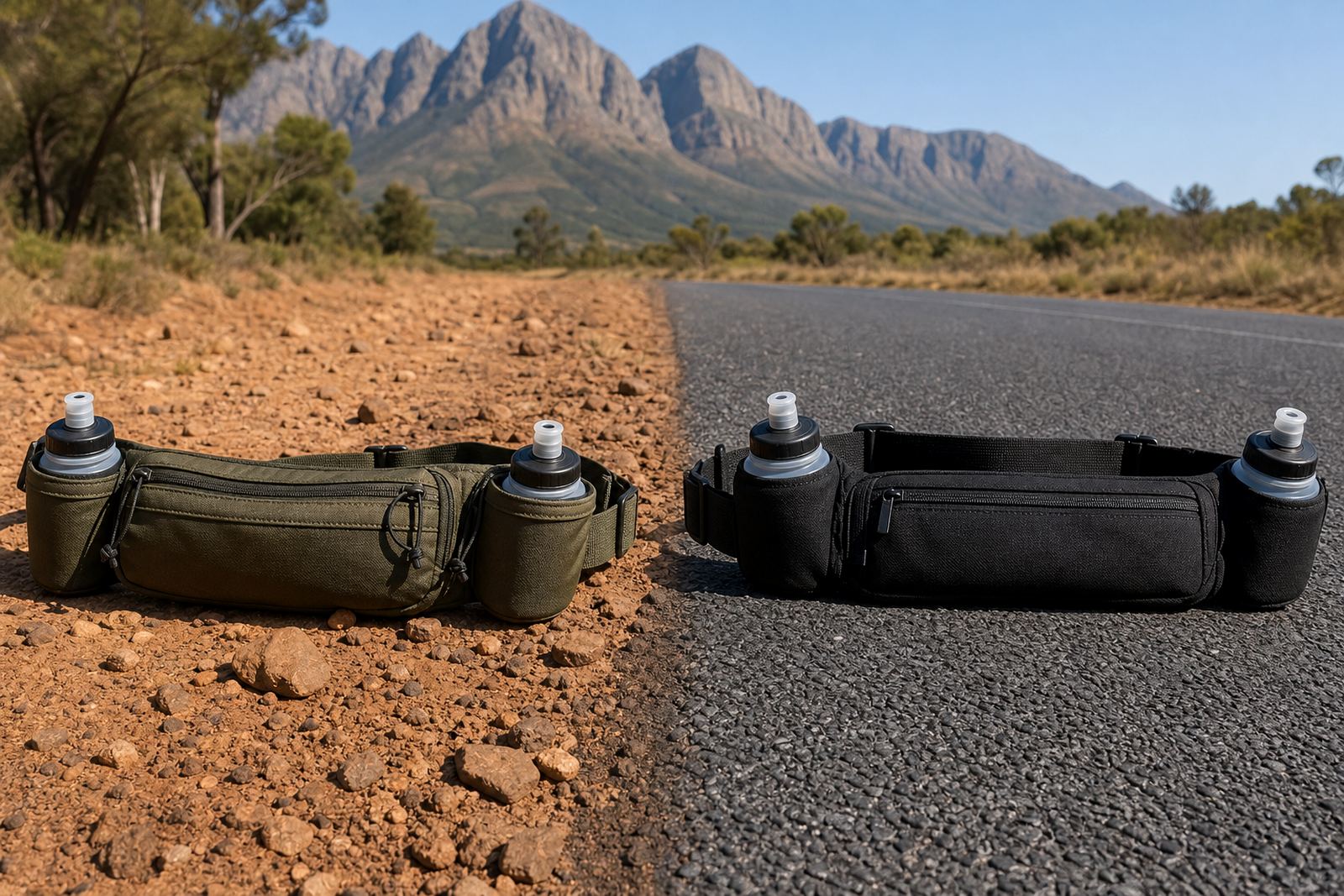
The best belt layout often depends on surface, pace and how often you stop.

Fuel Access On Races

Fuel Access On Races

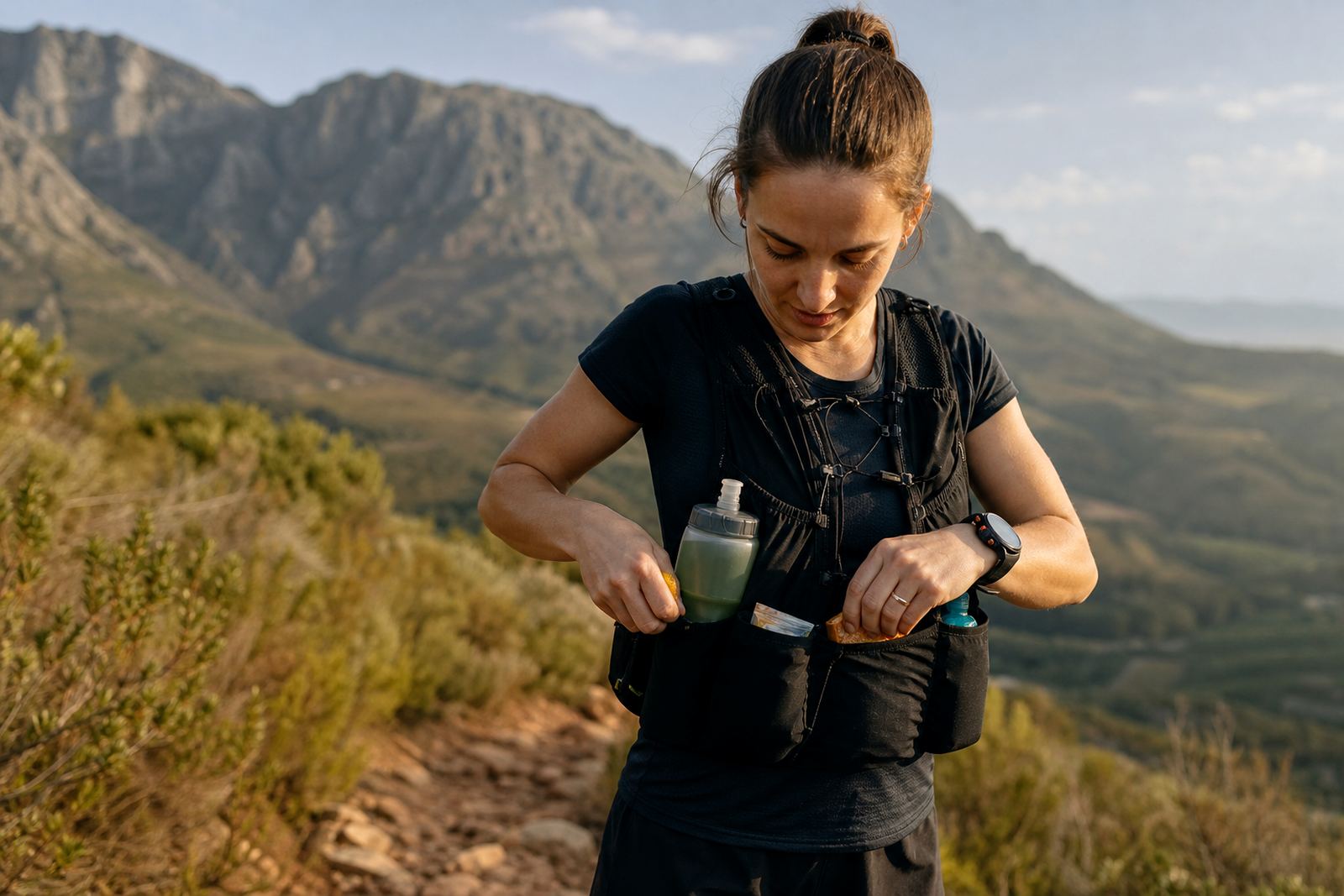
Quick nutrition access can save time and reduce stress during race efforts.

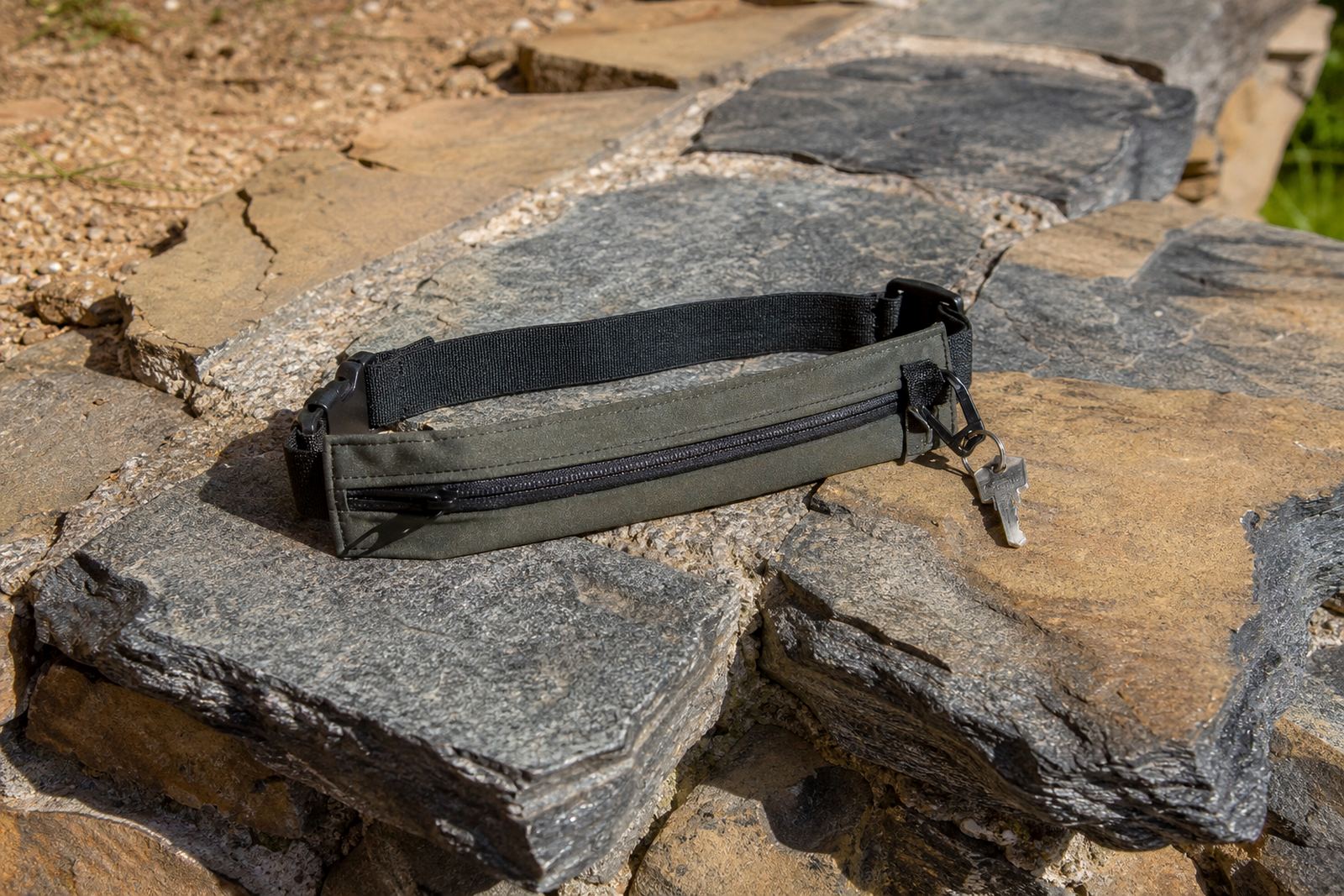
Phone Carry Without Fuss

Phone Carry Without Fuss

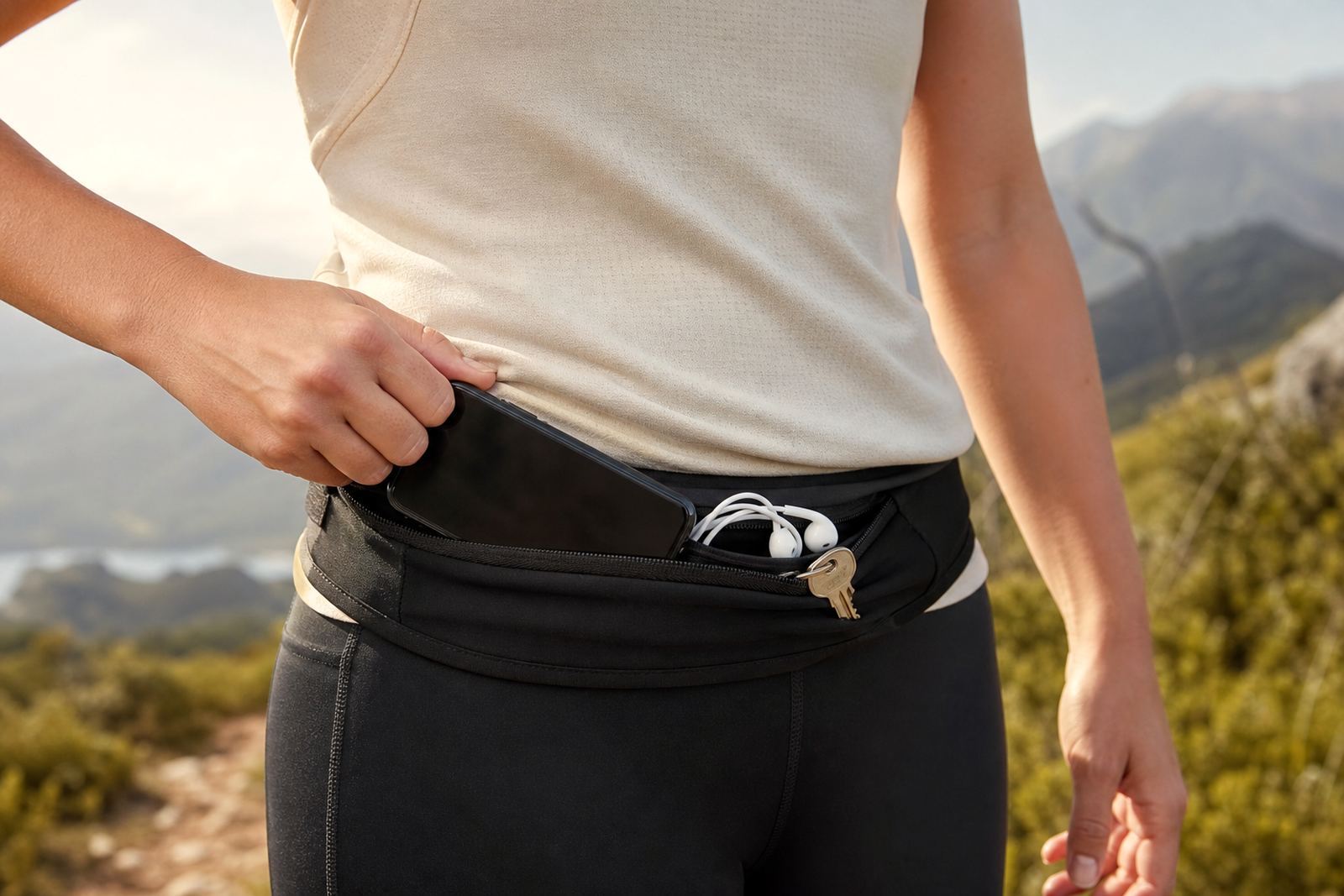
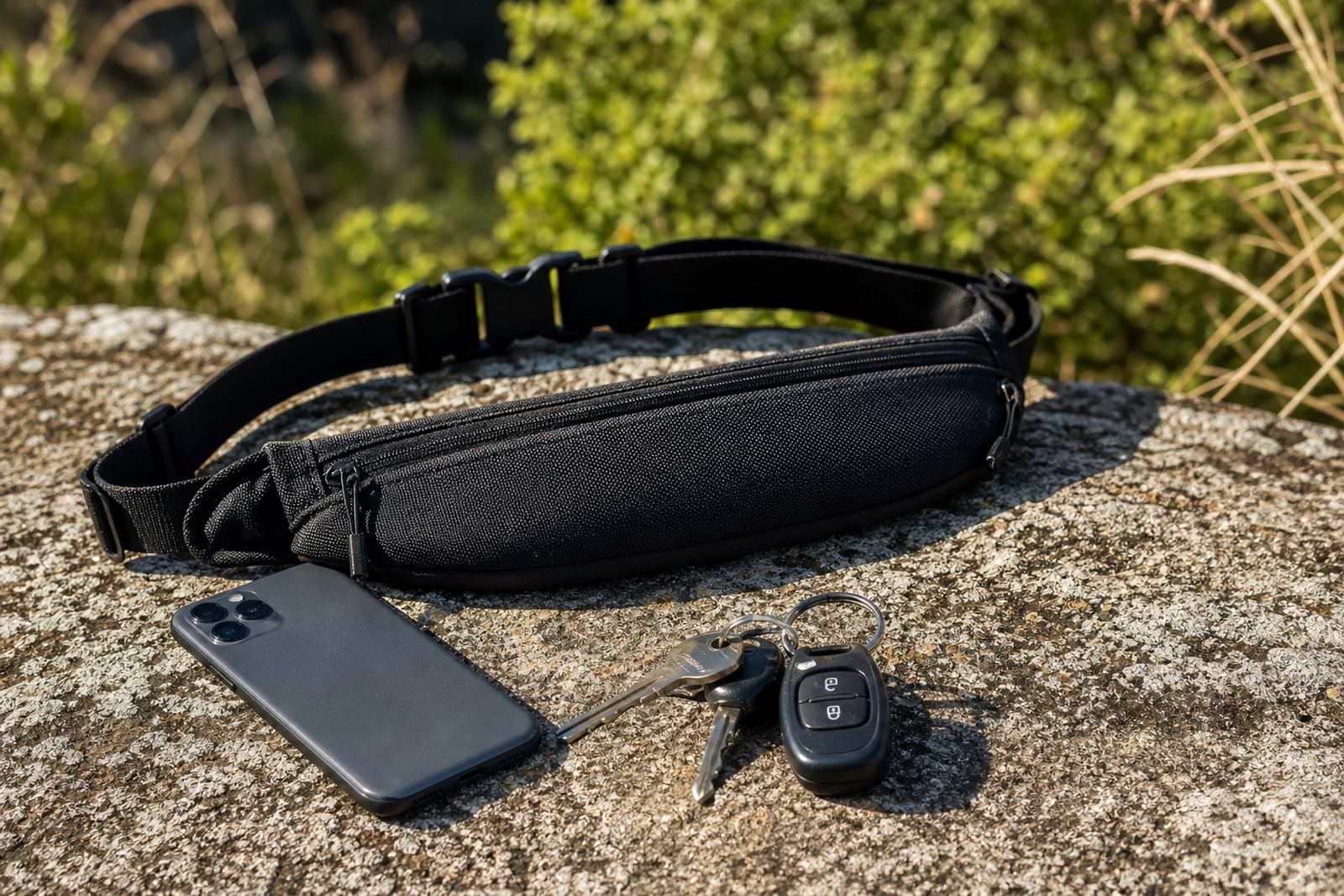
A well-sized pocket keeps your phone secure without constant movement or irritation.

Keys Cards And Safety

Keys Cards And Safety

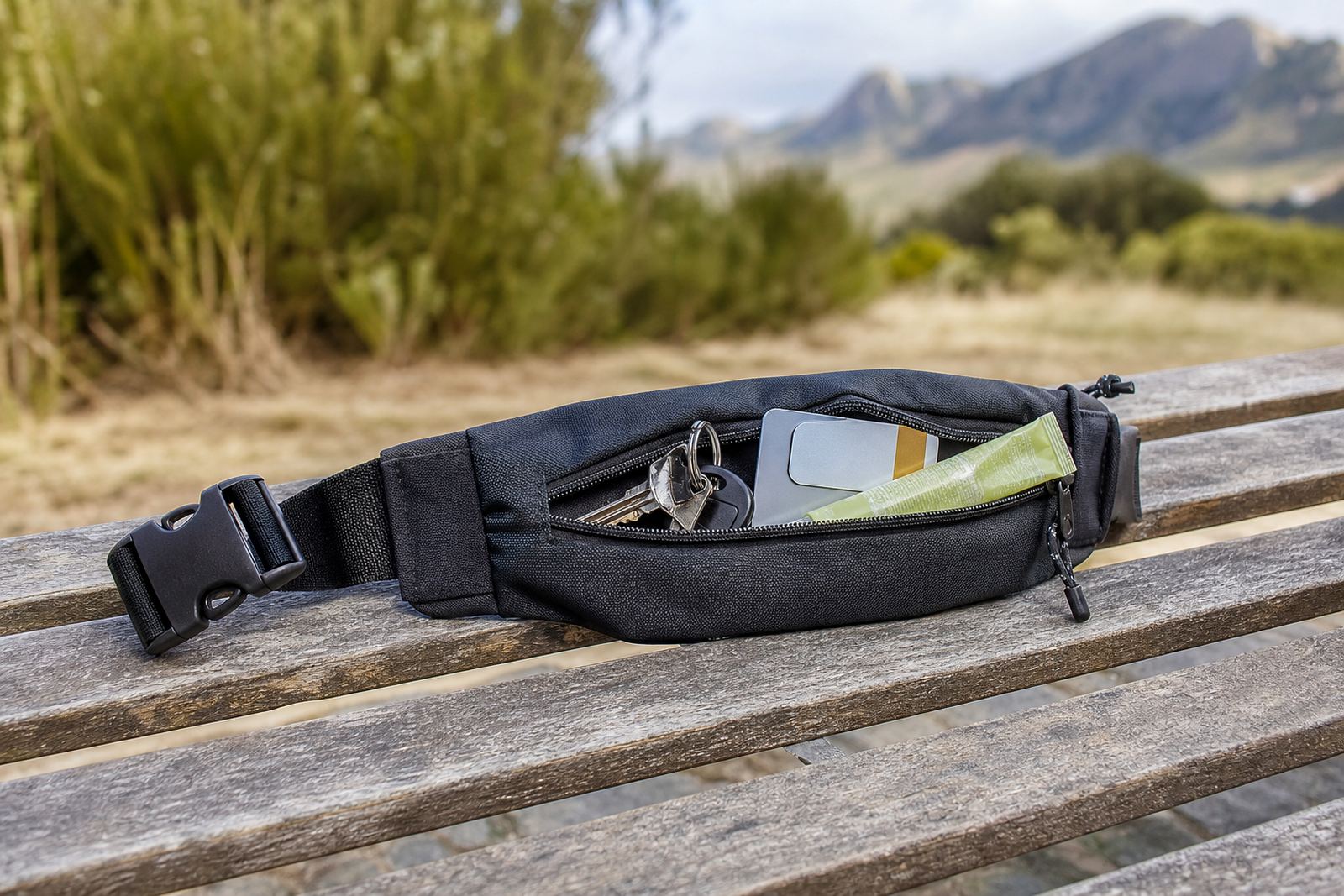
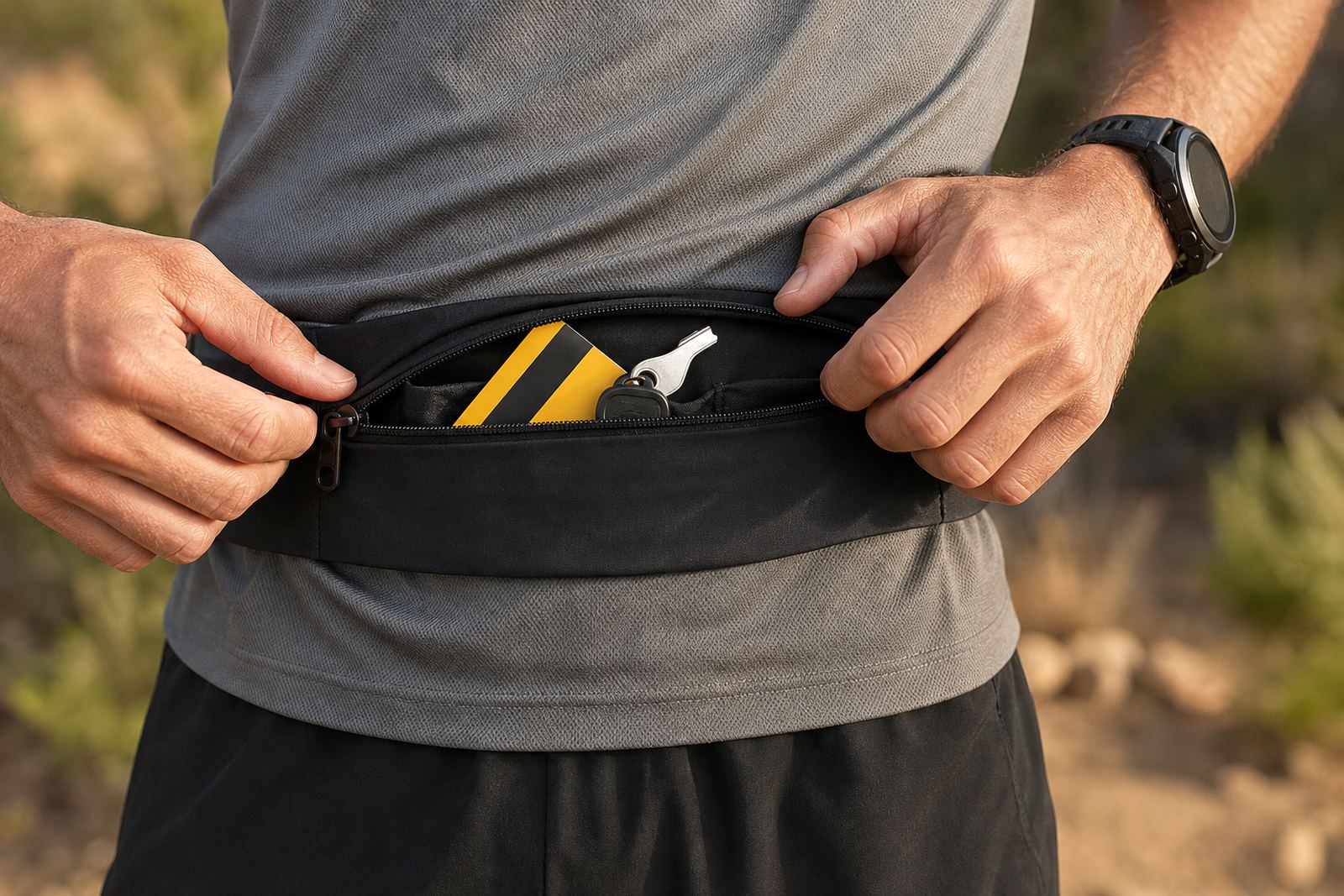
Small essentials need organised placement to stay accessible and avoid rubbing.

Running In Wind

Running In Wind

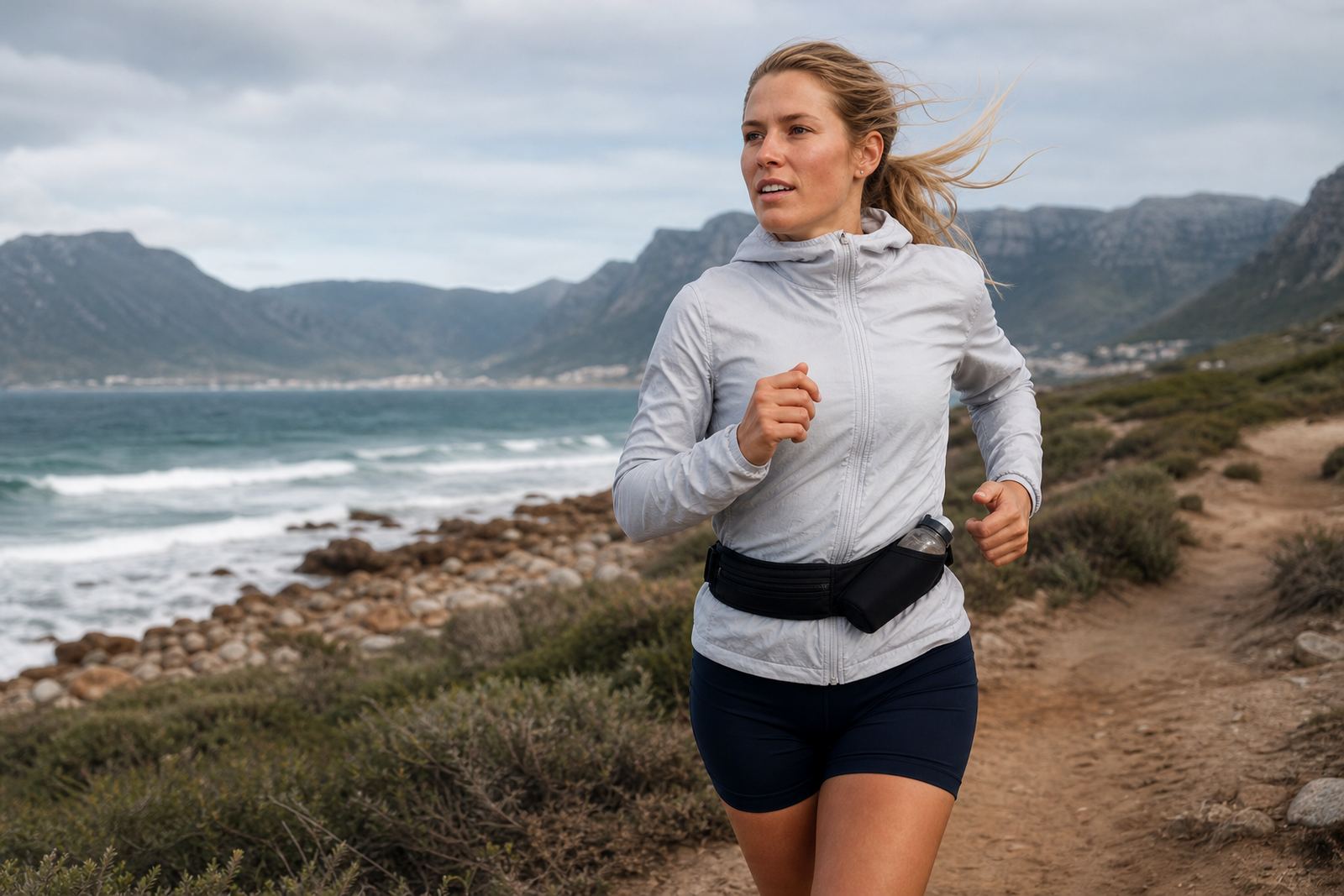
Windy conditions affect hydration, clothing choices and how securely gear should sit.

Running In Rain

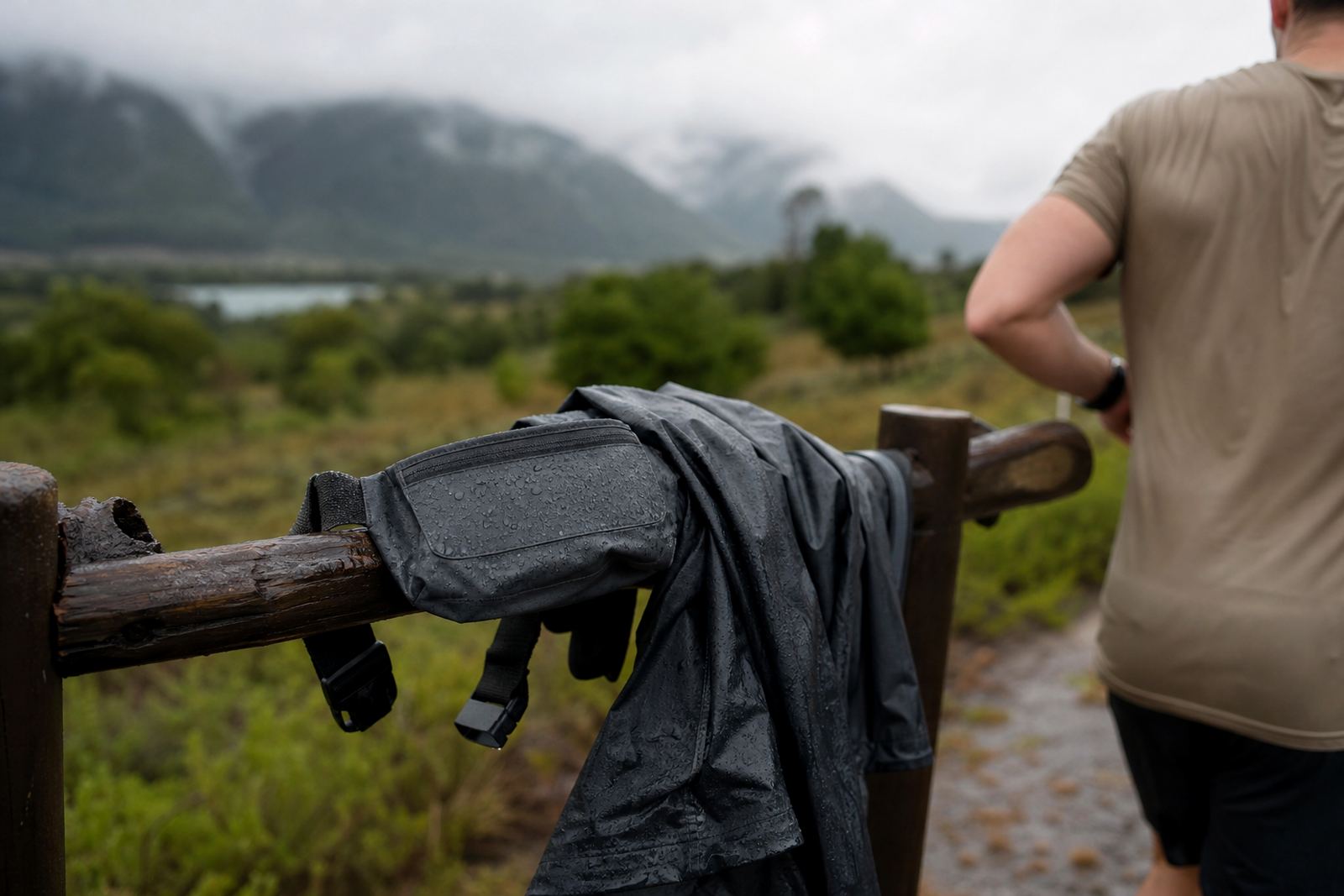
Running In Rain

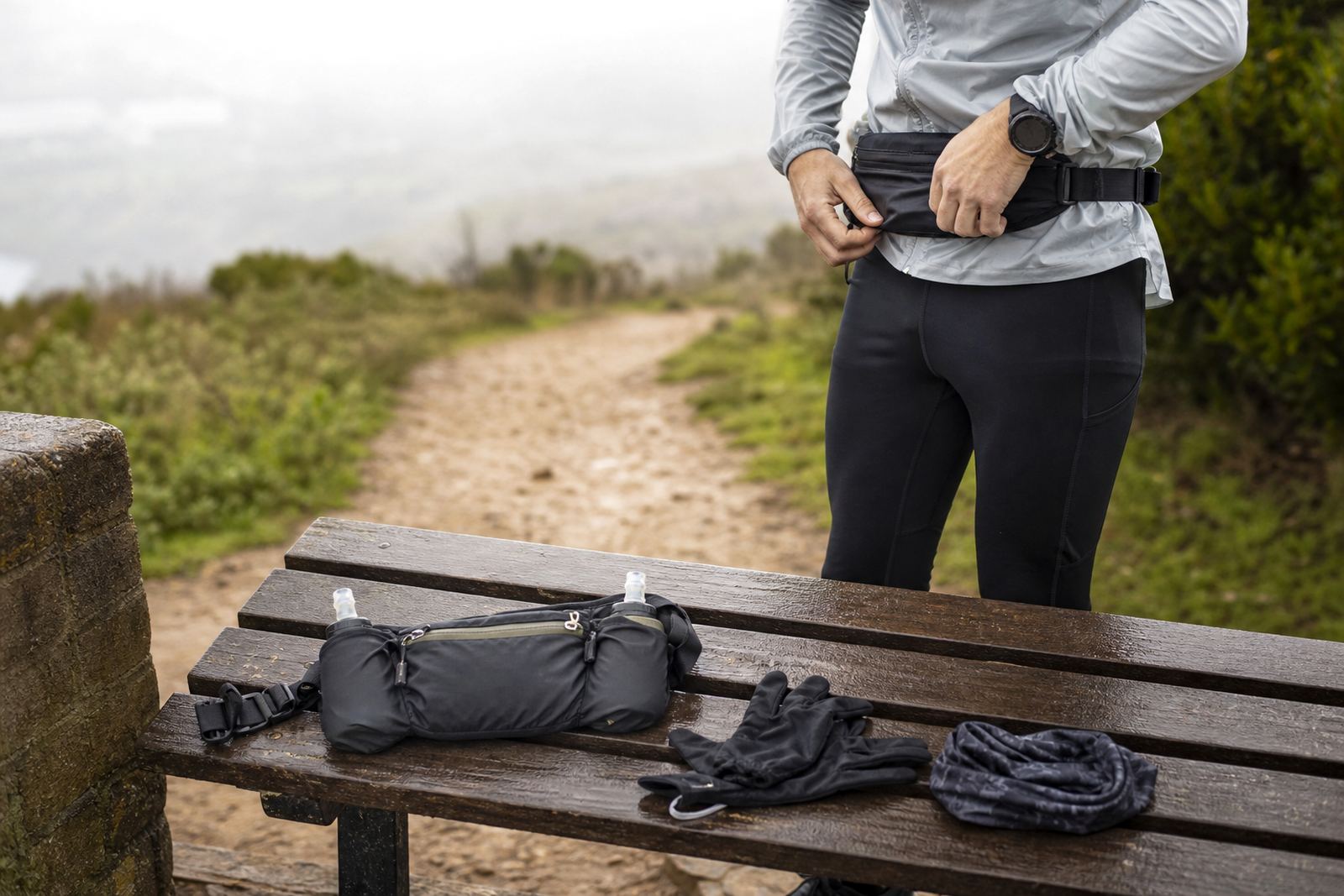
Wet conditions make pocket protection and easy access even more important.

Night Run Visibility

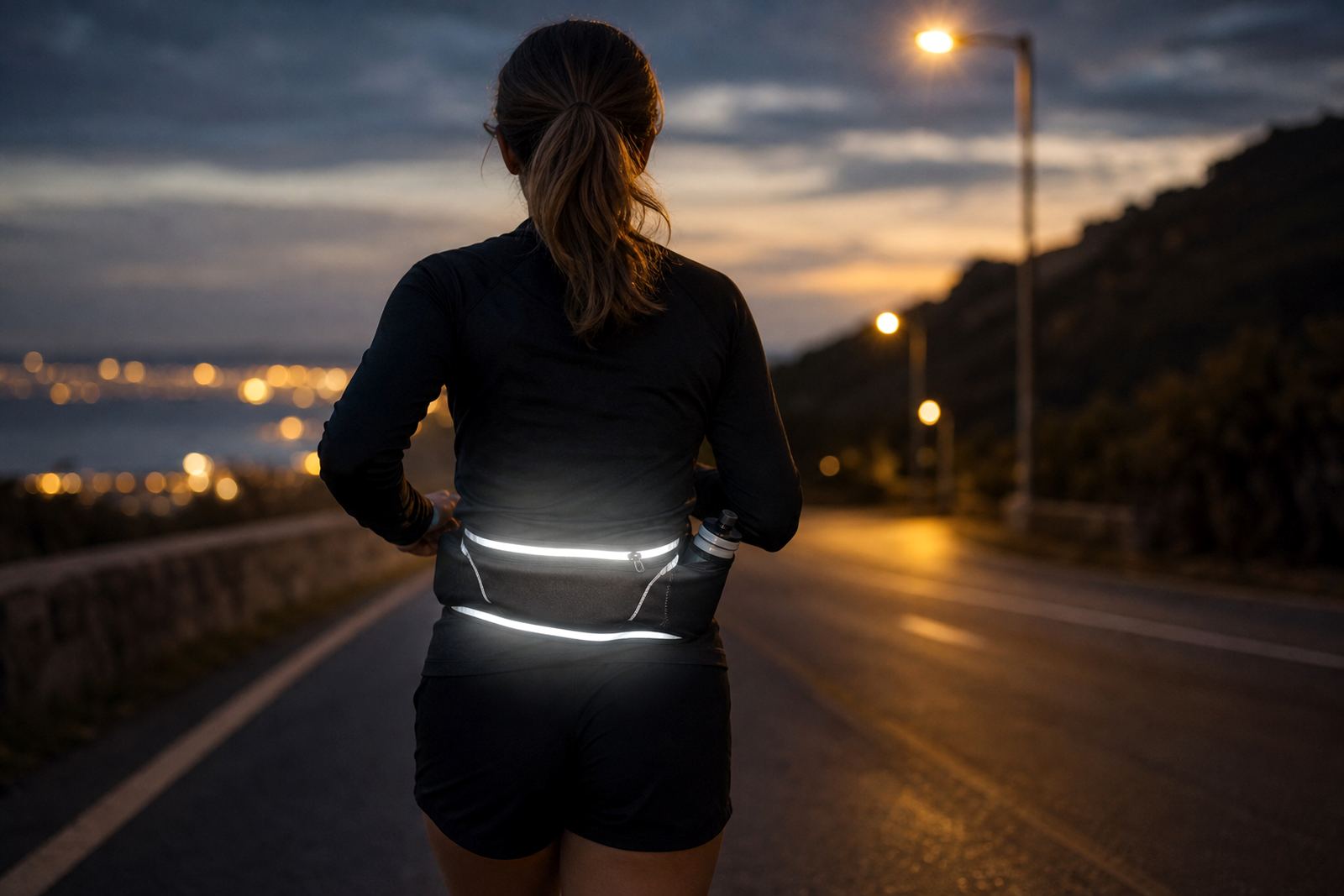
Night Run Visibility

Reflective details and careful route choices improve confidence on darker training runs.

Event Day Packing

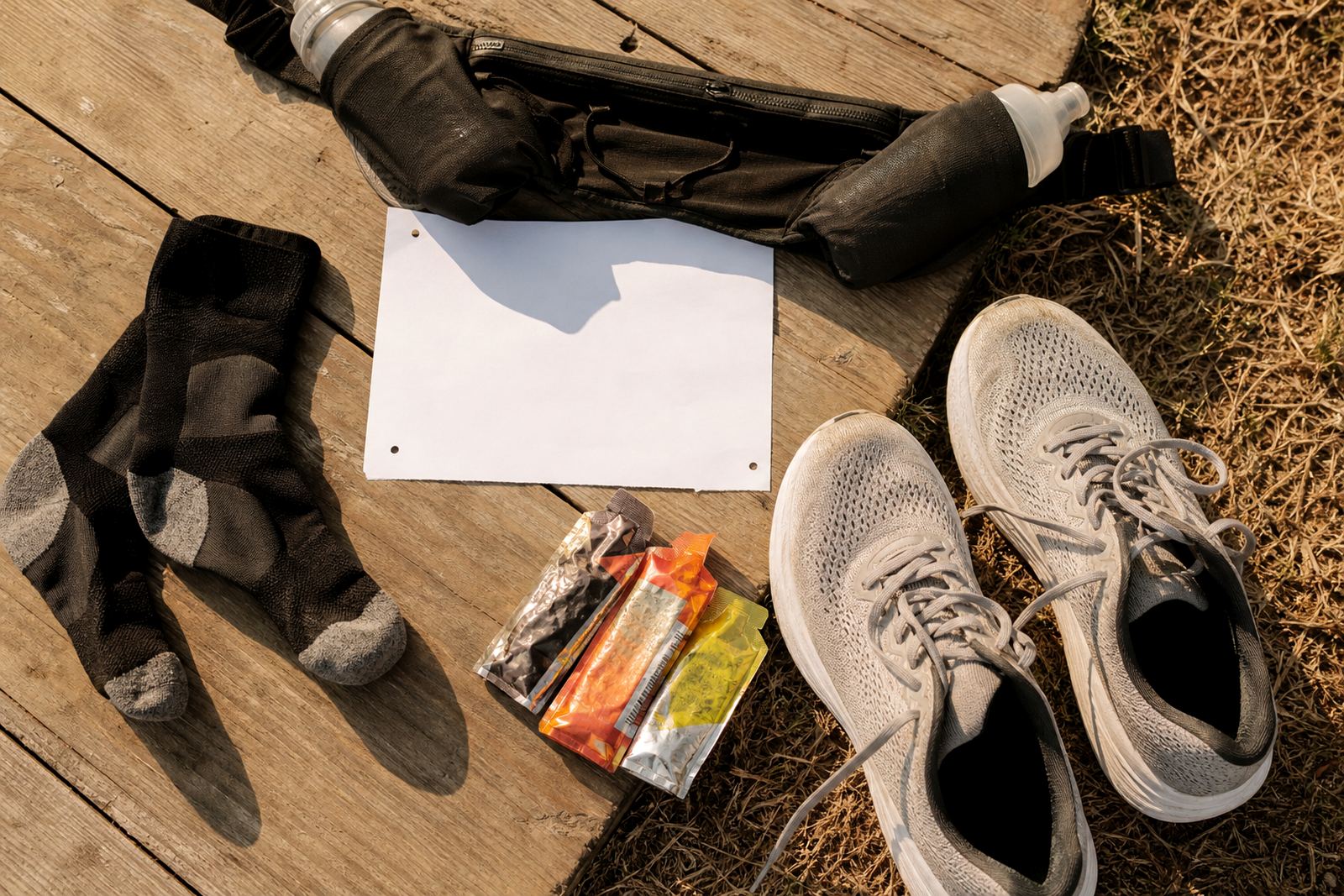
Event Day Packing

Race mornings go smoother when your belt is packed and tested ahead of time.

First Trail Race Gear

First Trail Race Gear

New trail racers can keep things simple with a stable belt and essential items only.

First Marathon Belt Plan

First Marathon Belt Plan

A first marathon belt setup should support pacing, fueling and peace of mind.

How Trail Runners Pack

How Trail Runners Pack

Trail runners often prioritise balance, quick fuel access and weather flexibility.

How Road Runners Pack

How Road Runners Pack

Road runners usually favour lighter setups focused on rhythm and minimal distraction.

Aid Station Strategy

Aid Station Strategy

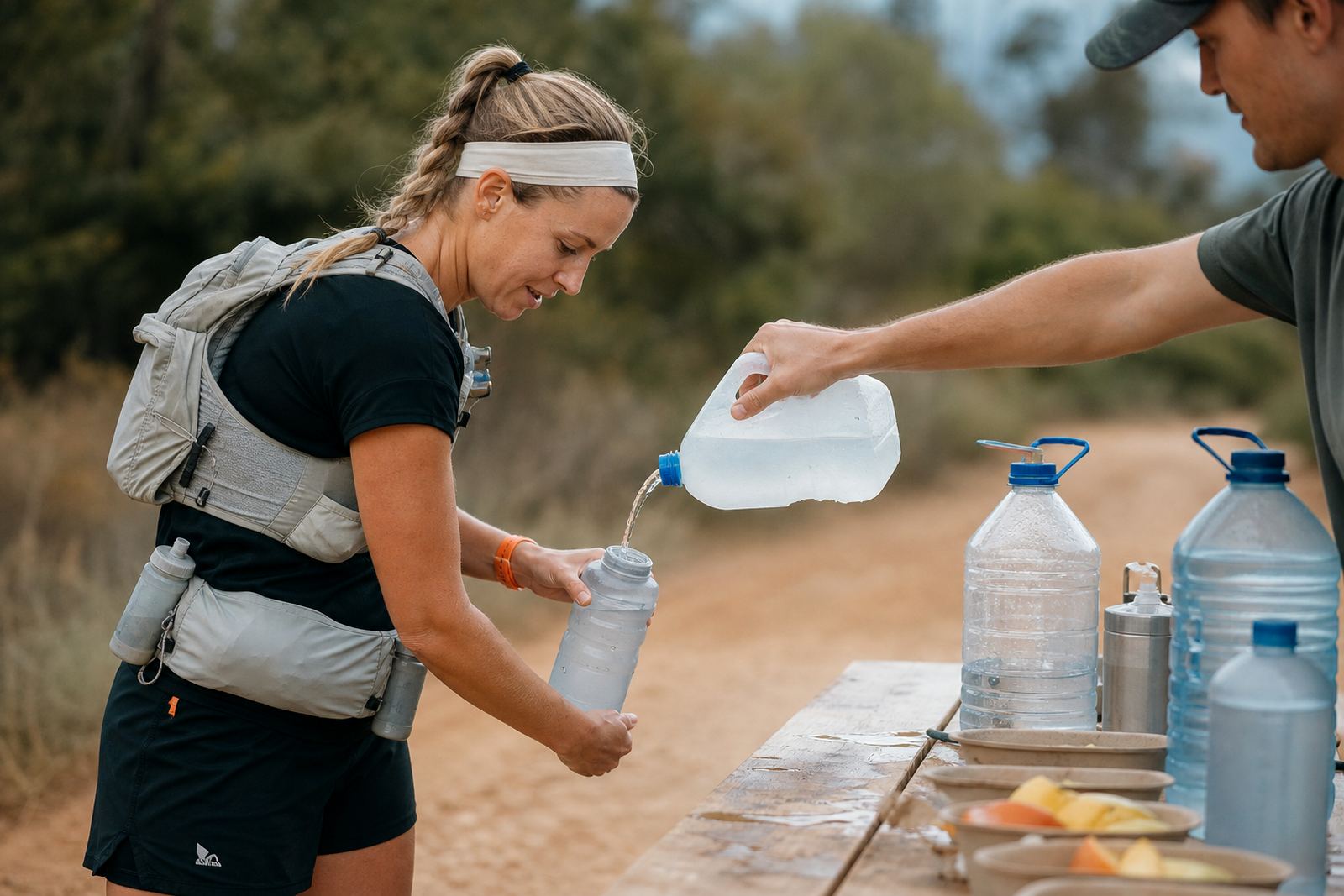
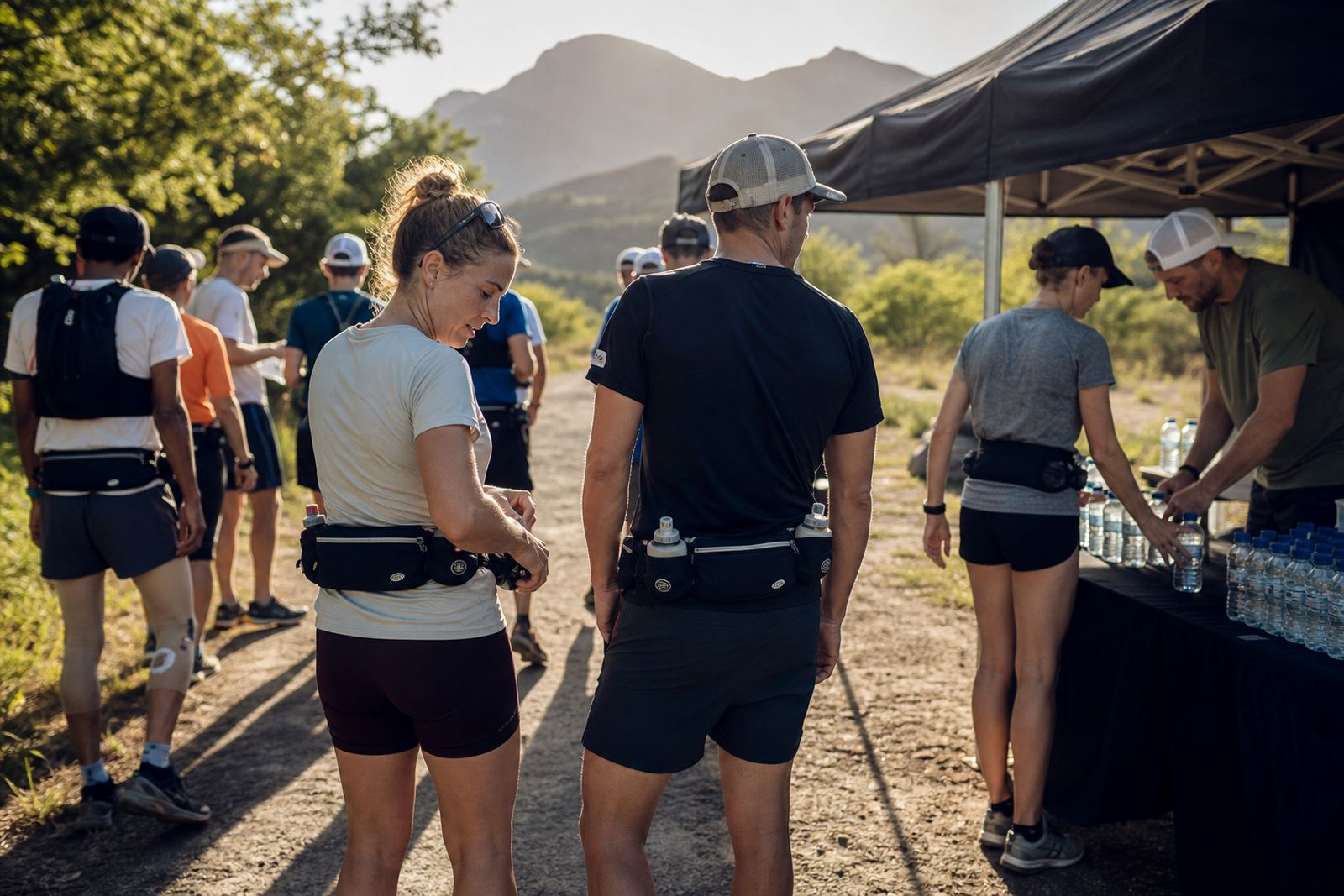
A smart belt setup helps you move through aid stations quickly and calmly.

Group Run Convenience

Group Run Convenience

Belts can make social and club runs easier by reducing hand carry and clutter.

Belts For Travel Runs

Belts For Travel Runs

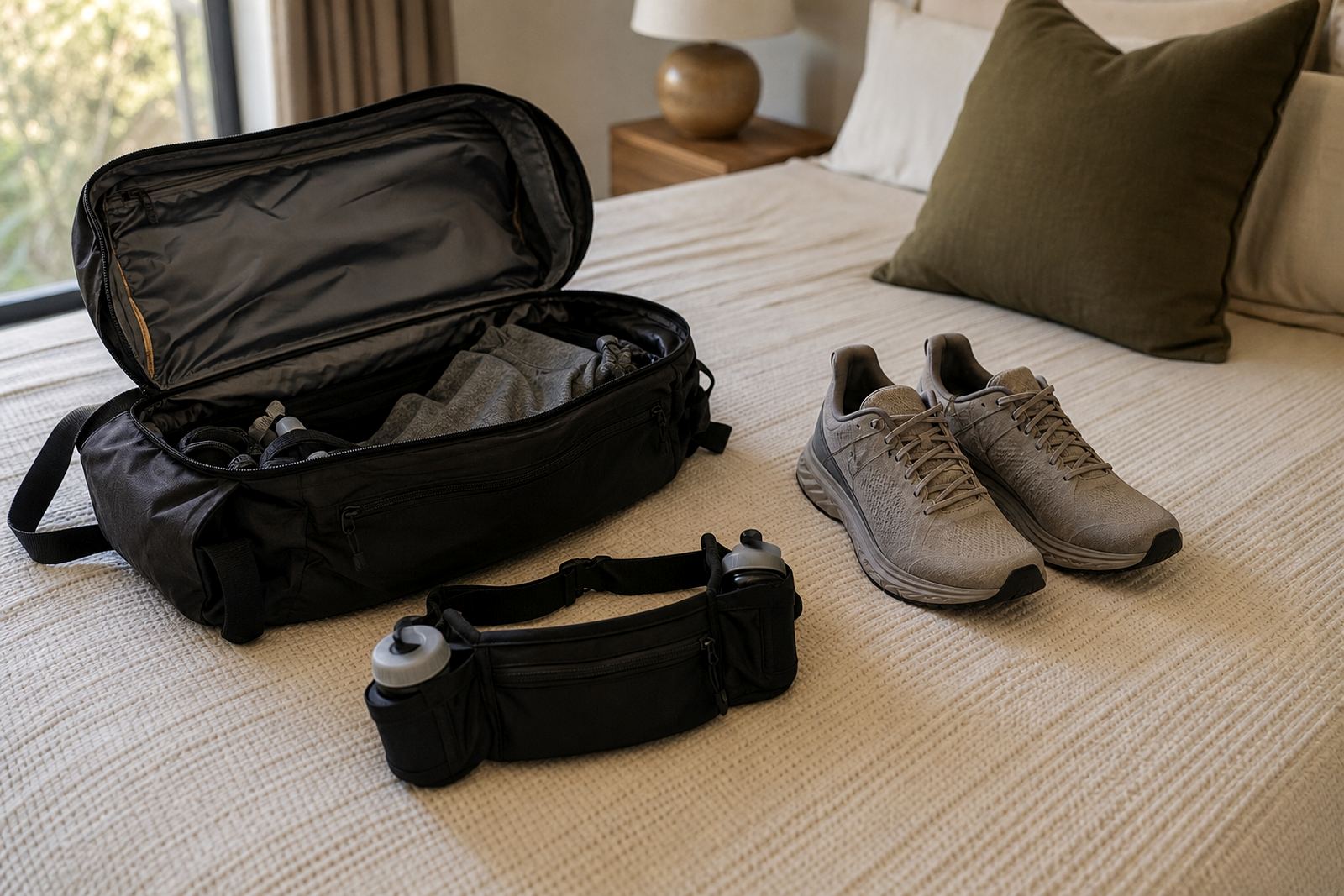
Travelling runners benefit from compact gear that packs flat and works in new places.

Running With Soft Flasks

Running With Soft Flasks

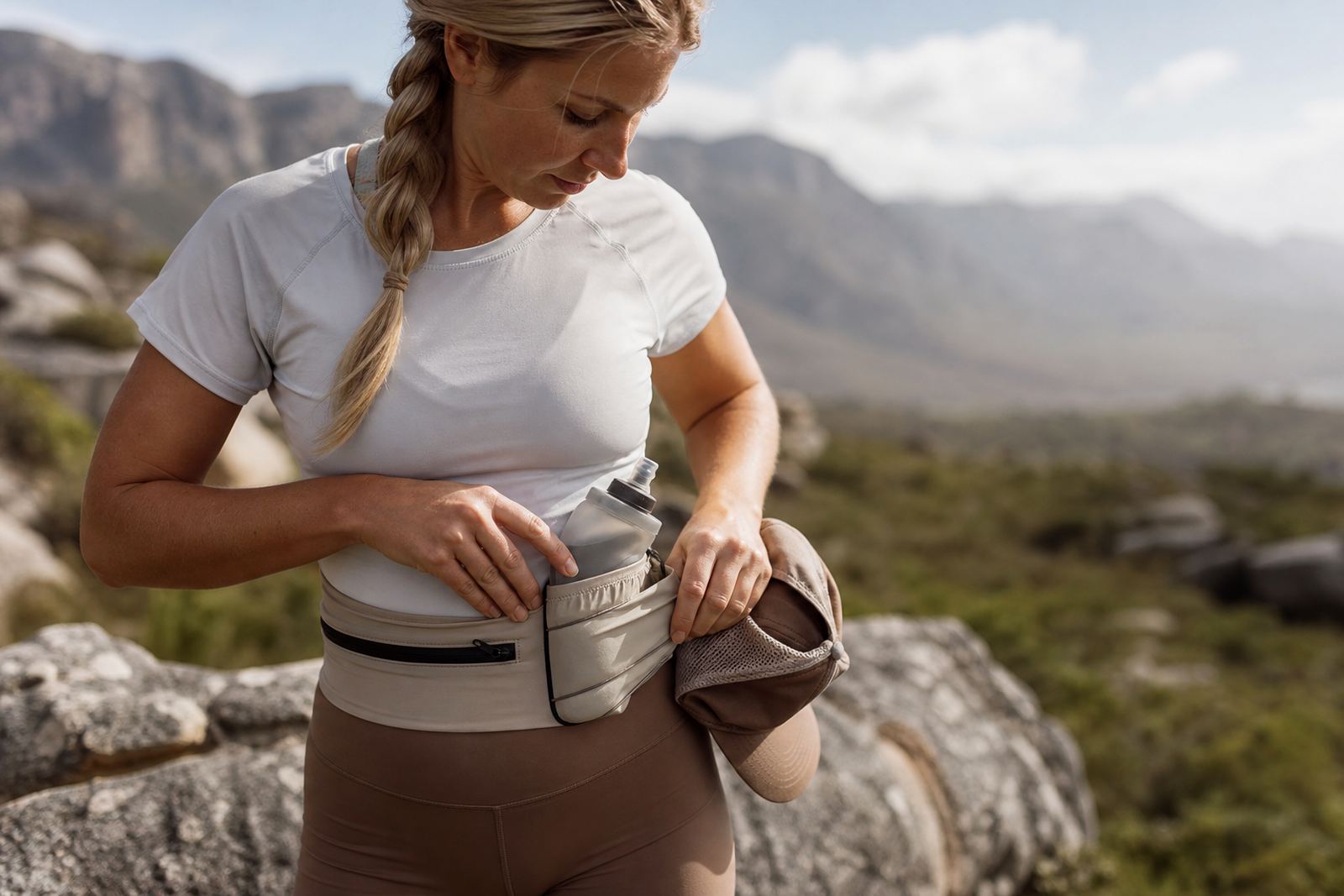
Soft flasks can improve comfort if your belt pocket and fit are matched correctly.

Running With Bottles

Running With Bottles

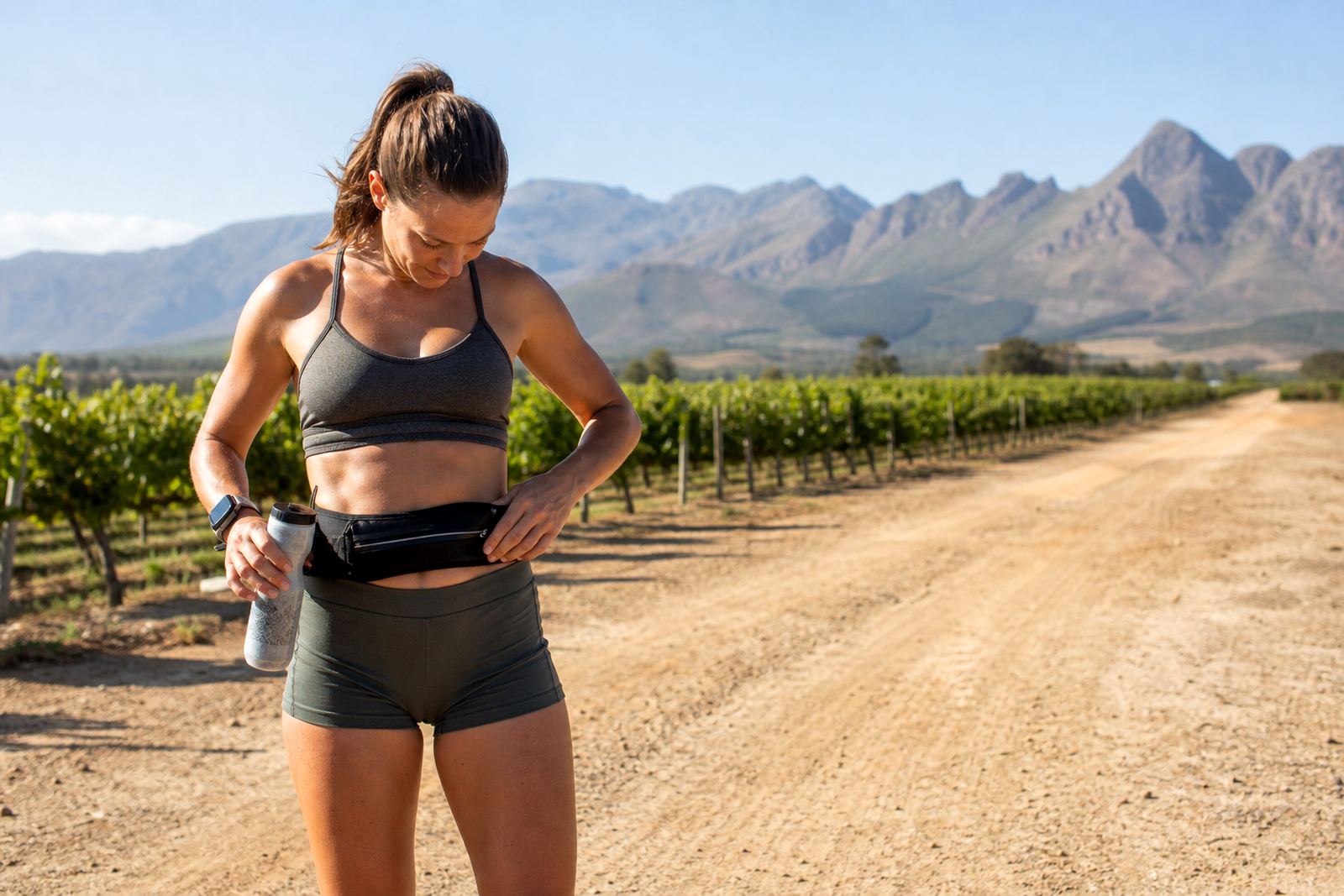
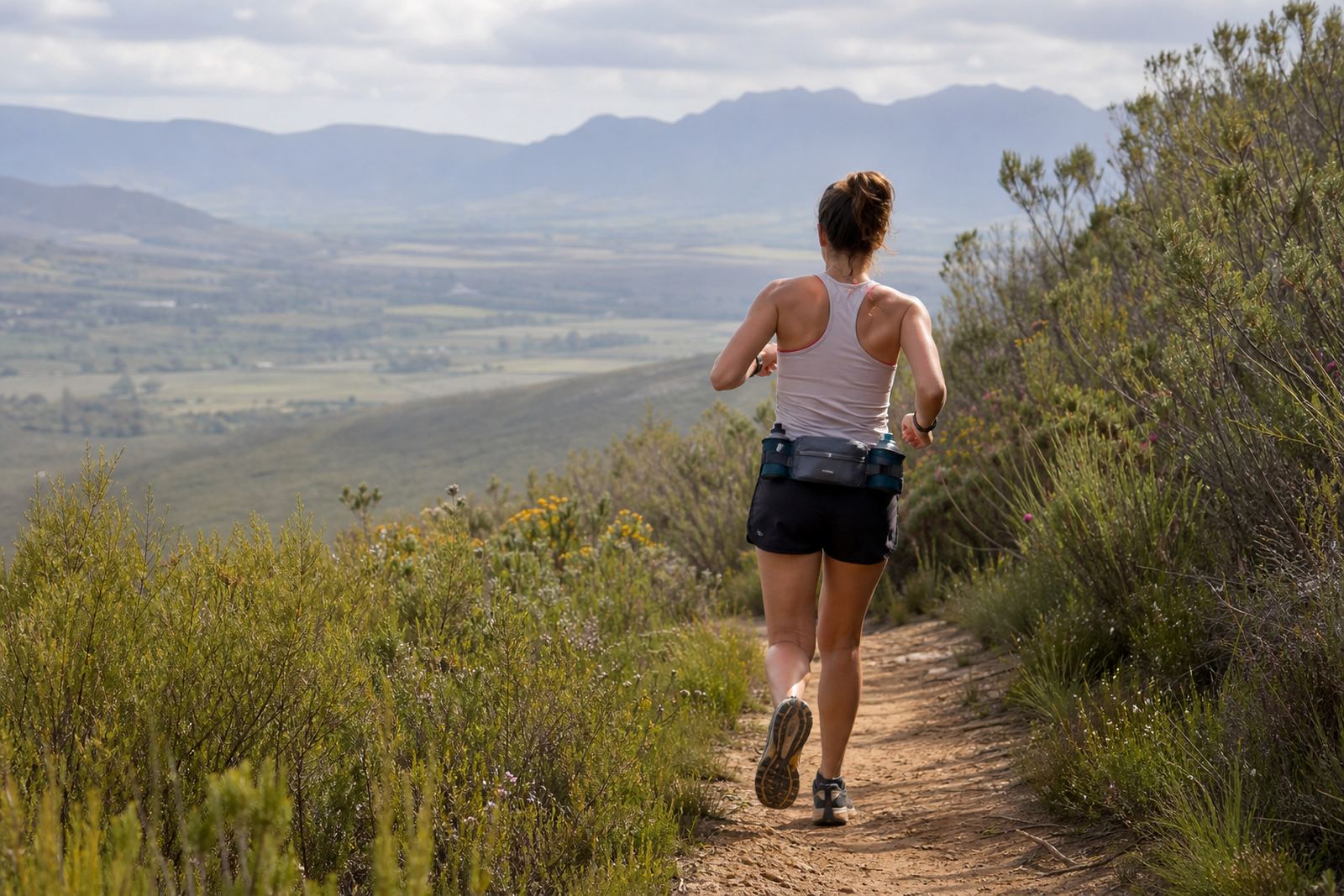
Bottle carry suits many runners when placement supports balance and quick reach.

Minimal Carry Benefits

Minimal Carry Benefits

Carrying less can improve freedom of movement if the route and weather allow it.

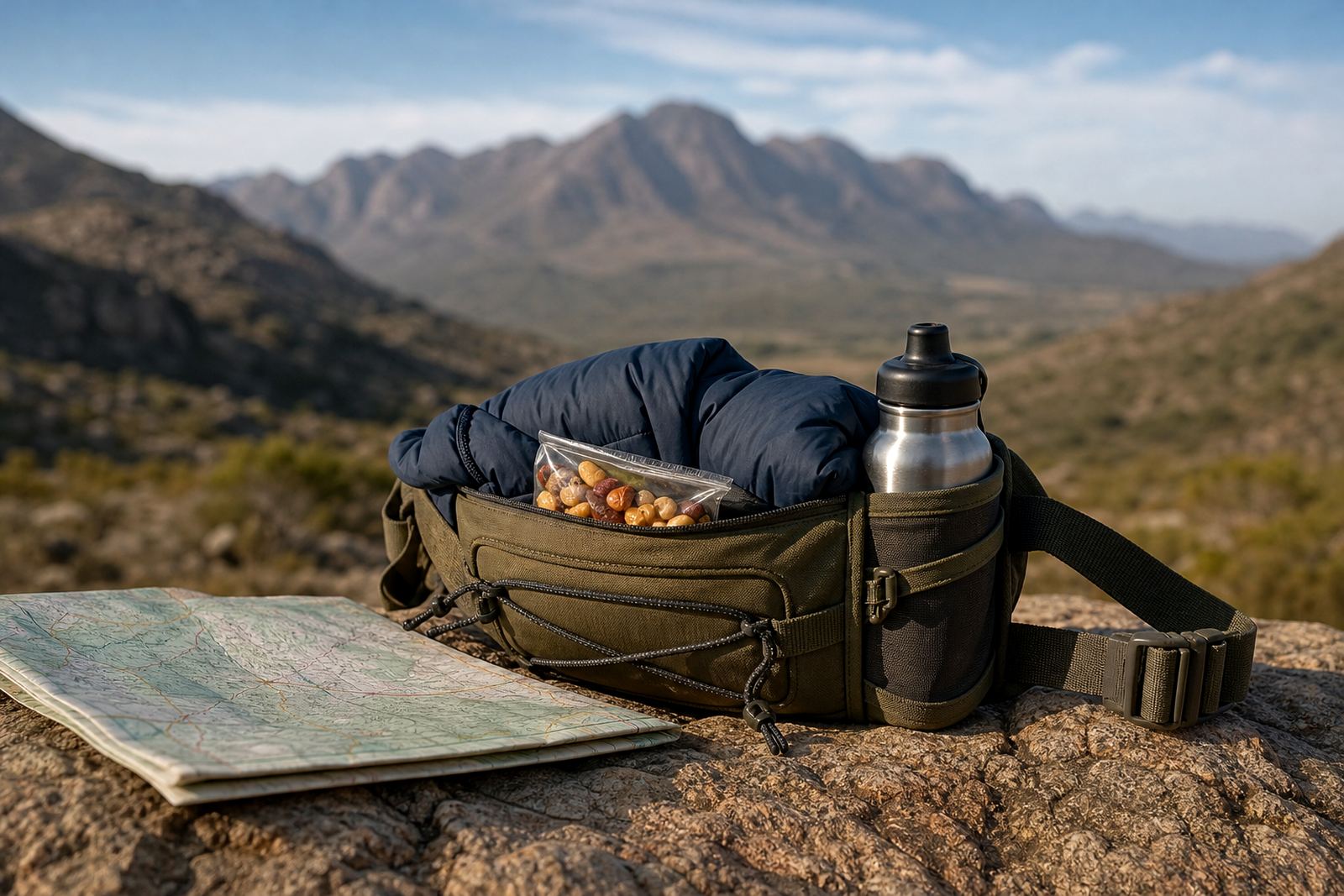
More Storage Needed

More Storage Needed

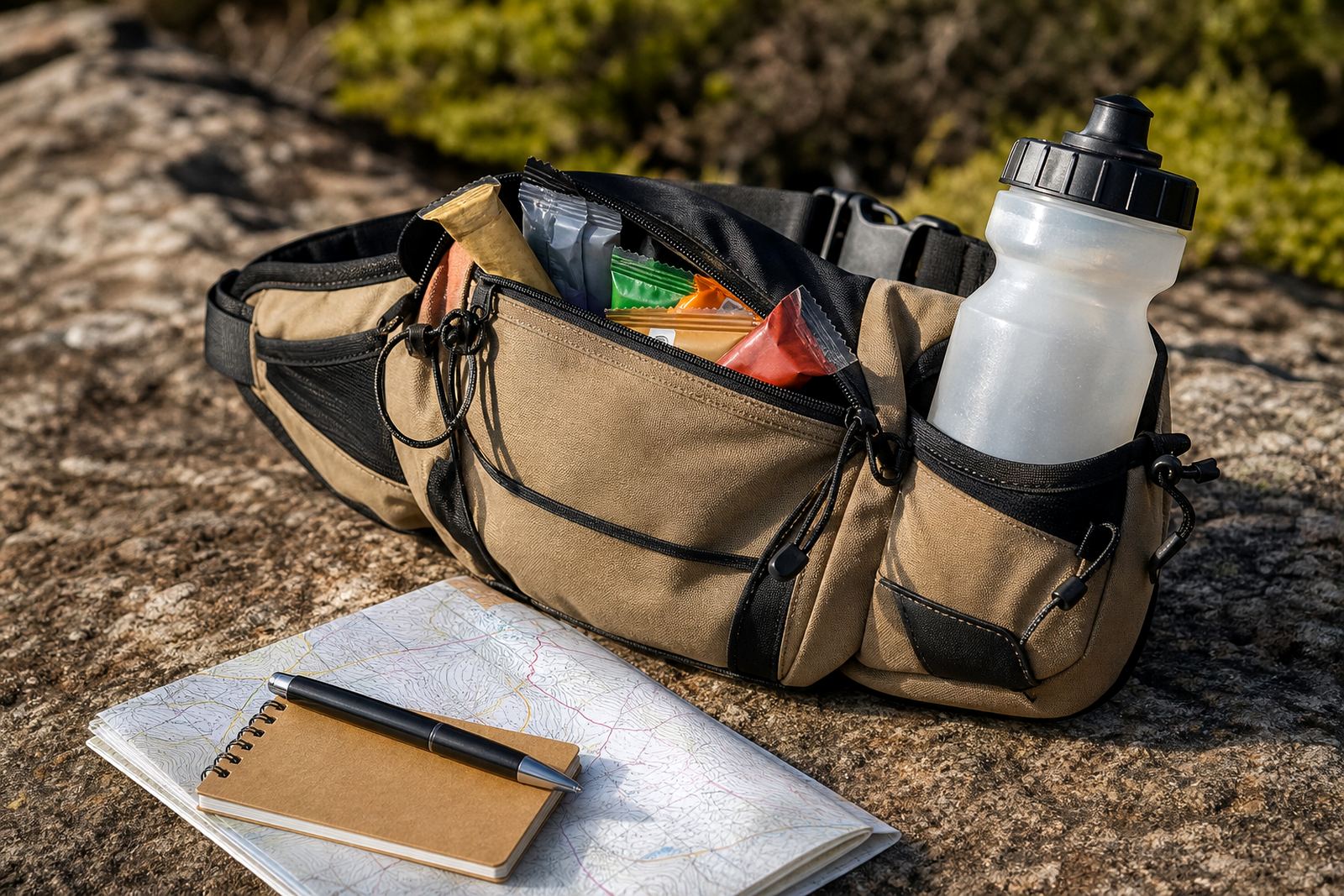
Some runs demand space for layers, snacks and safety items beyond the basics.

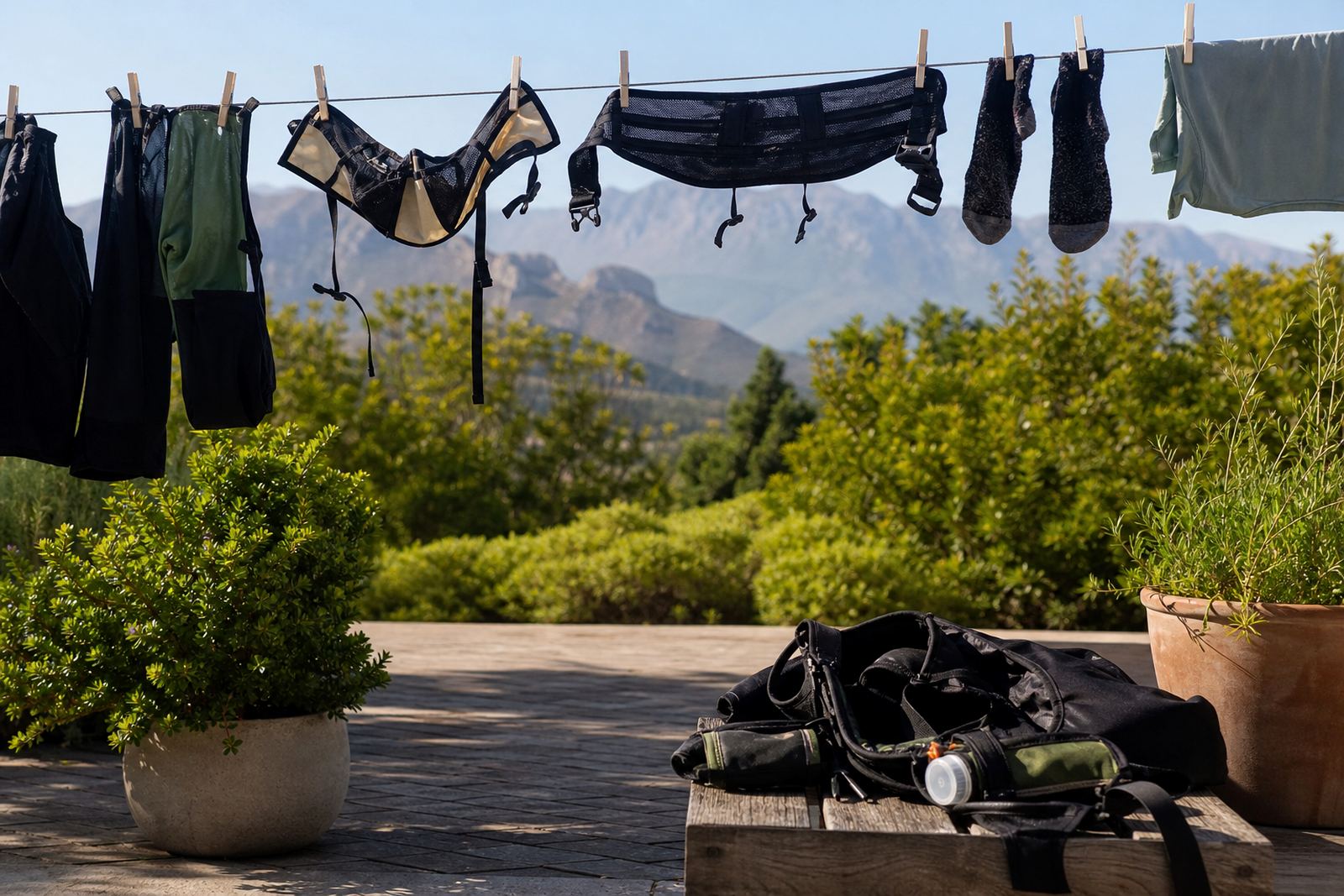
Belt Care After Runs

Belt Care After Runs

Regular post-run cleaning and drying help extend the life of your waist belt.

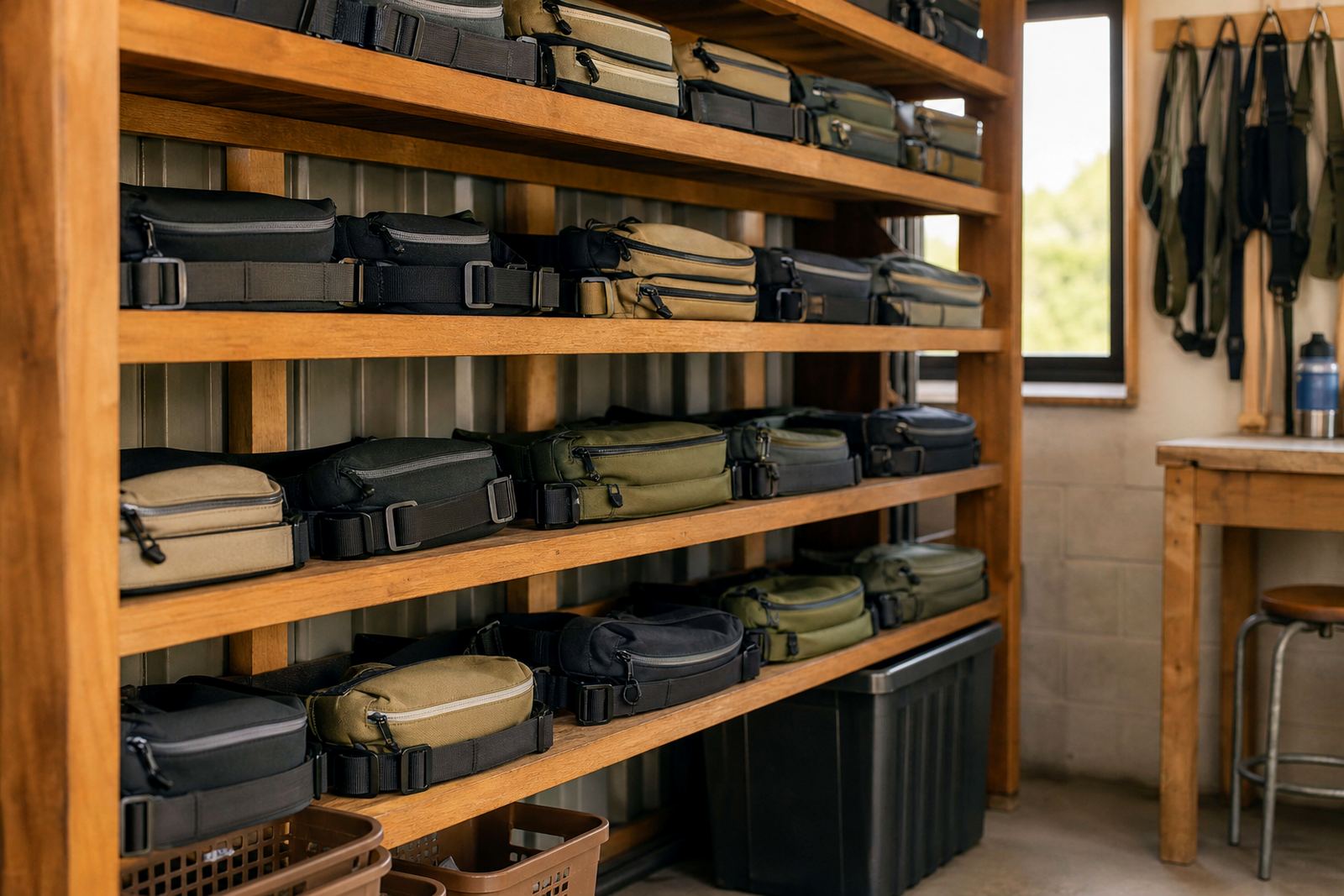
Storing Your Belt

Storing Your Belt

Simple storage habits can protect fabric, elastic and closures between sessions.

Race Bib Without Pins

Race Bib Without Pins

Bib toggles on a belt offer a neat alternative to pinning your race top.

Women And Belt Comfort

Women And Belt Comfort

Comfort often improves when belt height, clothing and contour shape work together.

Men And Belt Fit

Men And Belt Fit

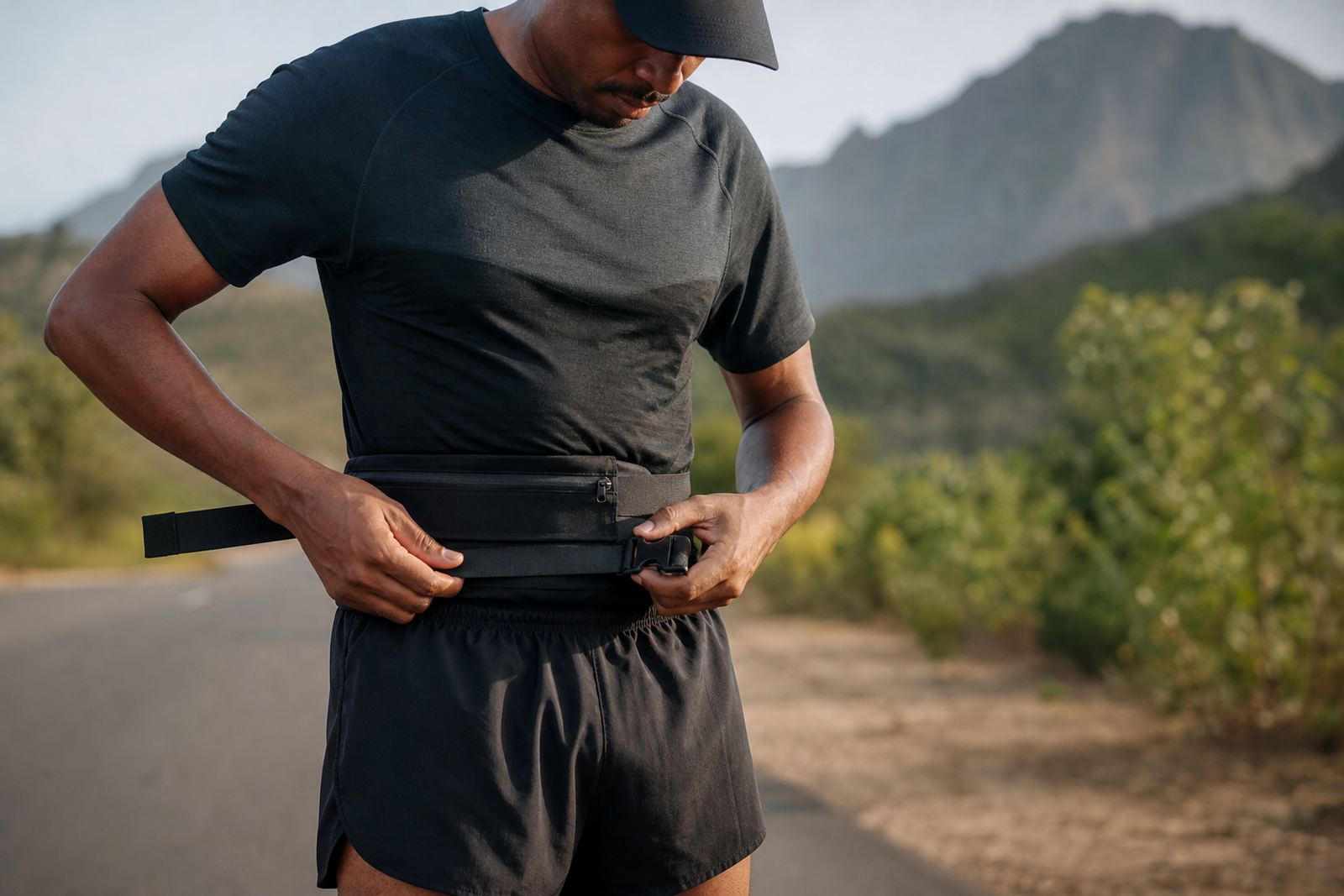
A secure men's fit depends on strap adjustment, pocket balance and clothing choice.

Youth Belt Use

Youth Belt Use

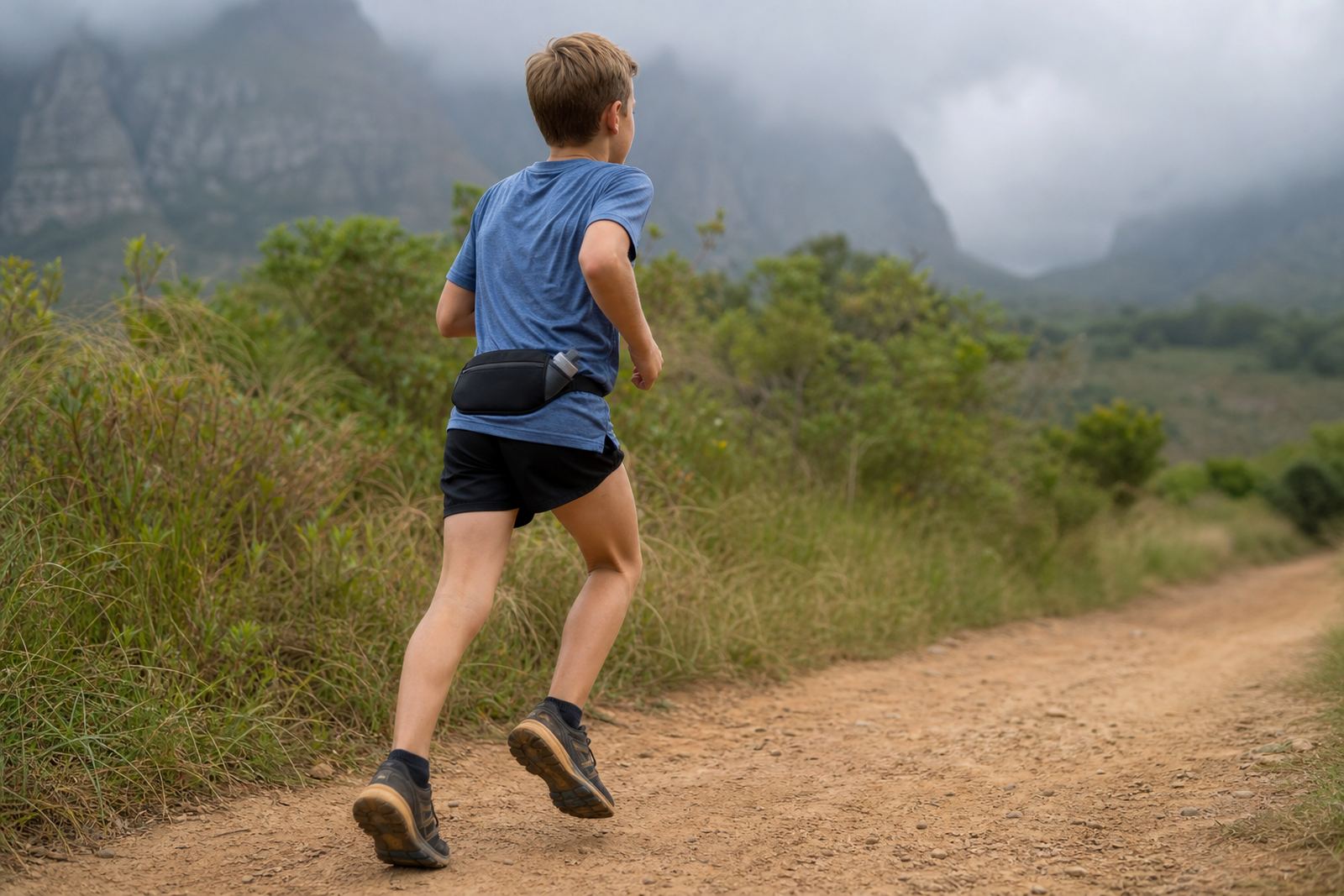
Young runners need light, simple belt setups that stay comfortable and easy to manage.

Club Orders Made Simple

Club Orders Made Simple

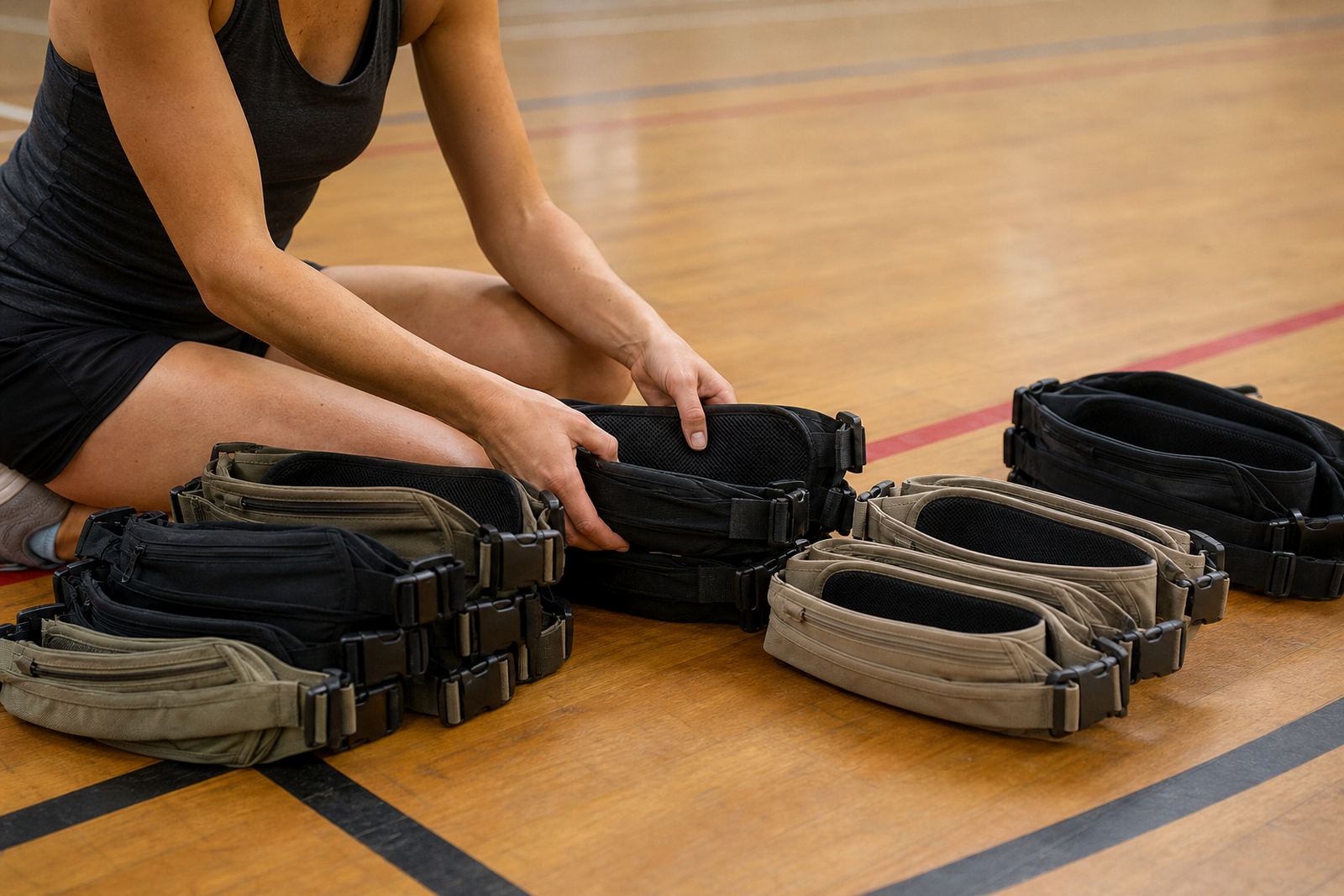
Clubs can simplify member orders by planning quantities, fit ranges and collection early.

Volunteer Belt Uses

Volunteer Belt Uses

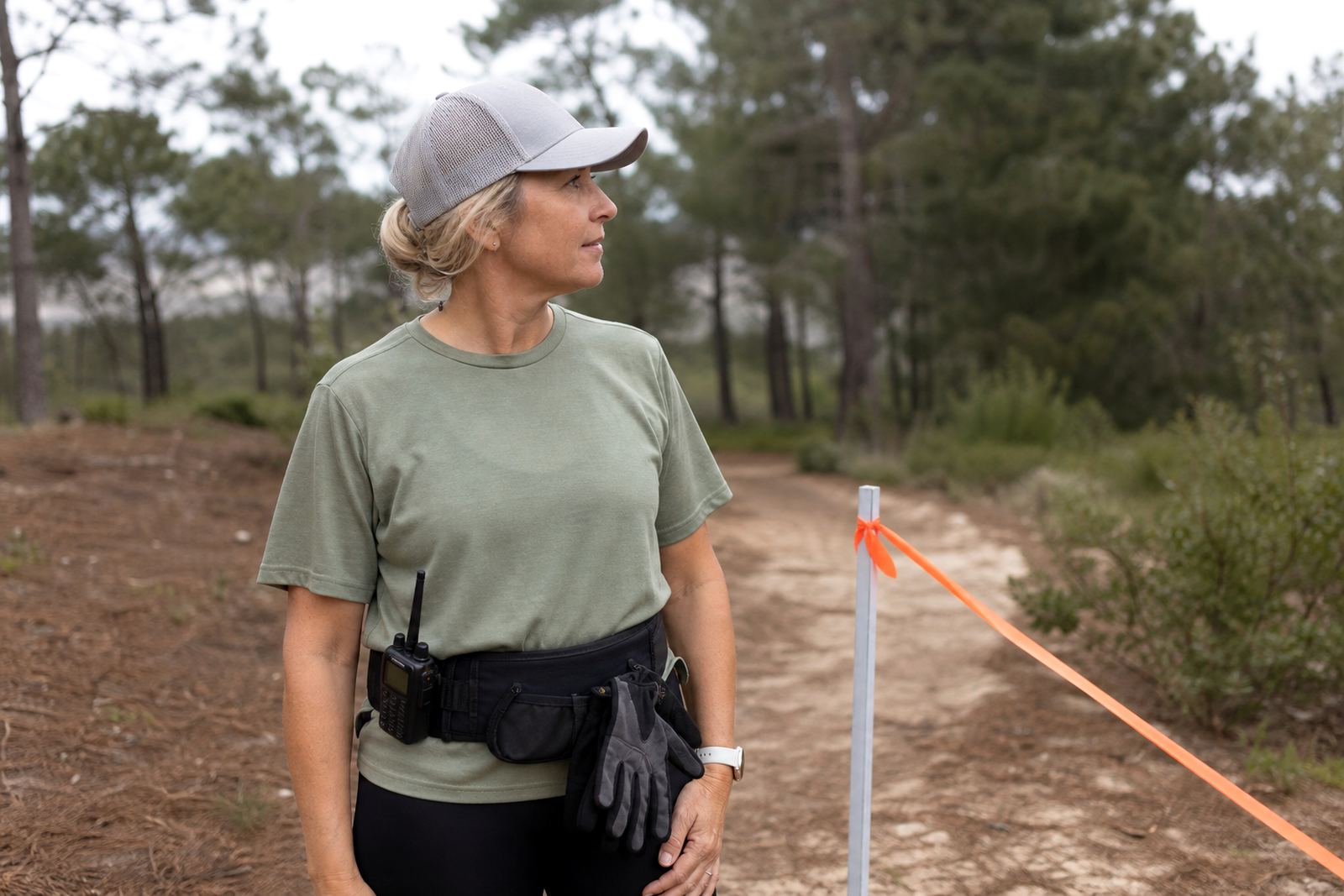
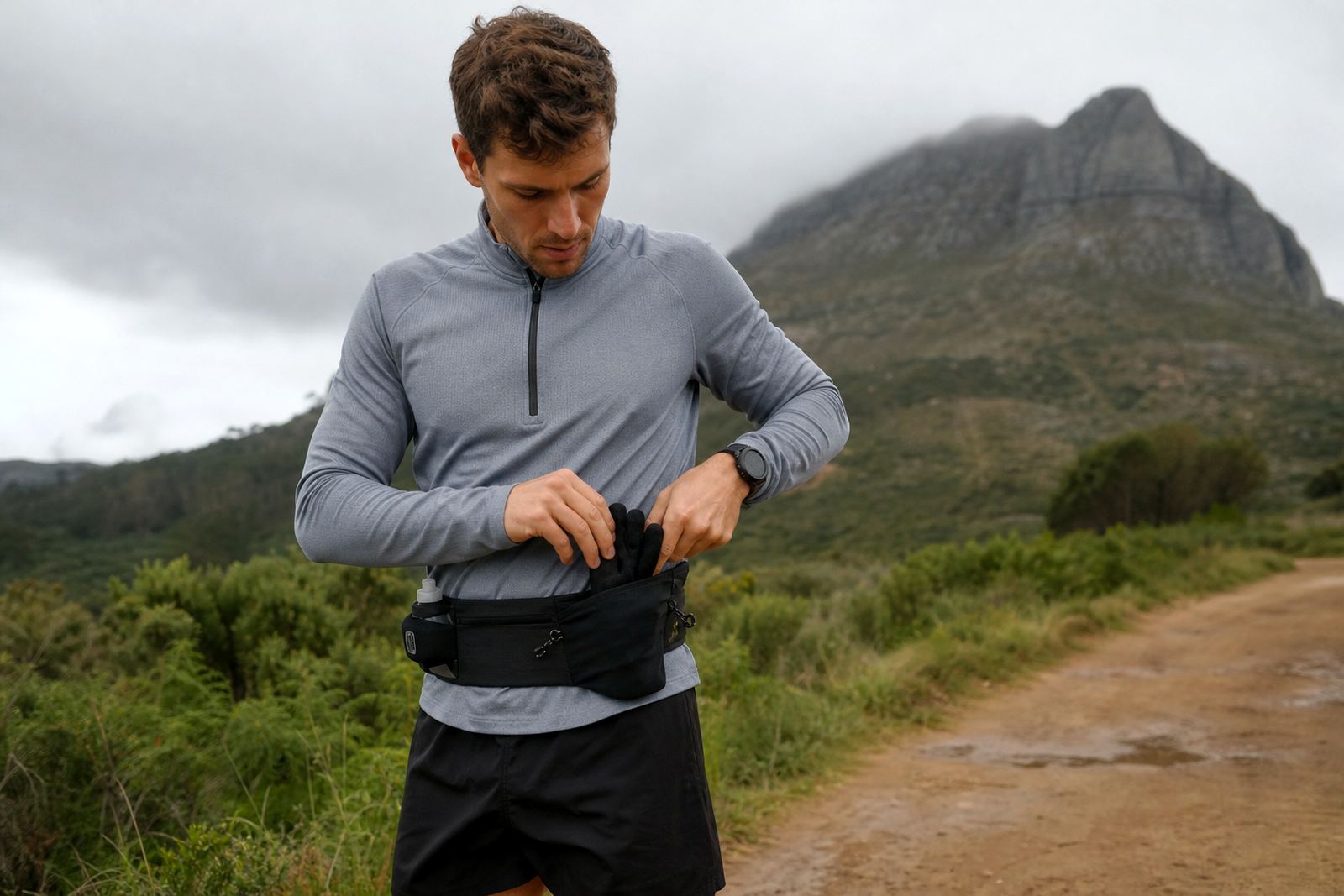
Volunteers use belts to keep radios, gloves and notes close while helping runners.

Crew Support On Course

Crew Support On Course

Support crew belts help with snacks, wipes and communication during longer races.

Hot Weather Planning

Hot Weather Planning

In summer races, carry strategy matters as much as your pace plan.

Cool Weather Planning

Cool Weather Planning

Cool conditions can still require hydration, plus room for removable layers.

Essentials Only Training

Essentials Only Training

There are sessions where a belt for basics is all you need.

Training Local Trails

Training Local Trails

Local trail preparation works best when your carry setup matches your terrain.

What We Cover in the Trail Journal

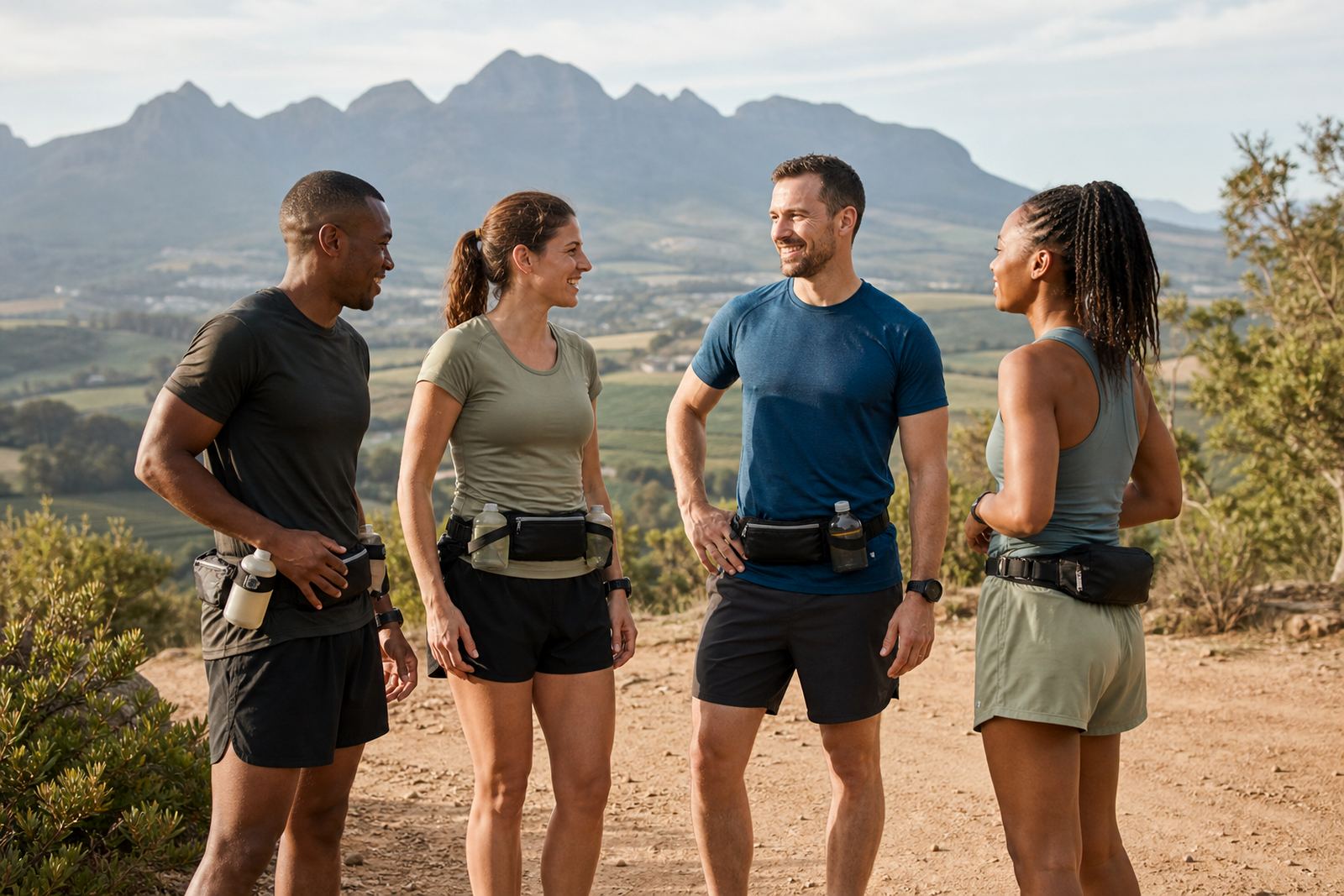
This journal brings together the small details that matter on the road and on the trail. We write for runners in Stellenbosch, Cape Town, Johannesburg, Durban, George and beyond, with advice that fits local heat, wind, dusty tracks and race-day pressure. The aim is simple: help you think through comfort, carry space and drink access before your next training block or event.

Use the articles as a practical guide, then match the notes to your own mileage, route profile and race format. The listing cards are added separately, so this page is here to help you choose, compare and plan rather than sell you a one-size option.

Hydration Choices for Long Runs and Race Days

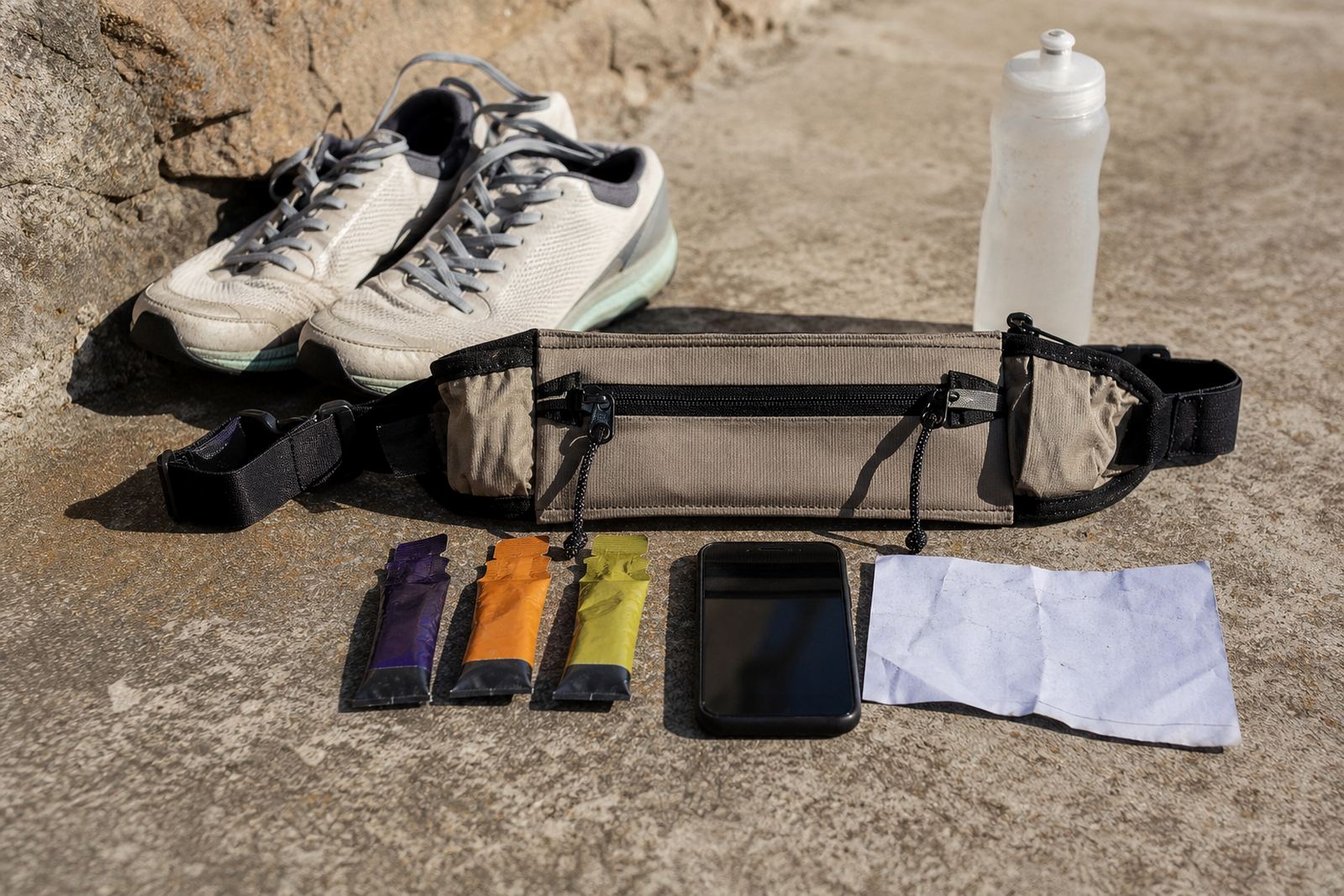
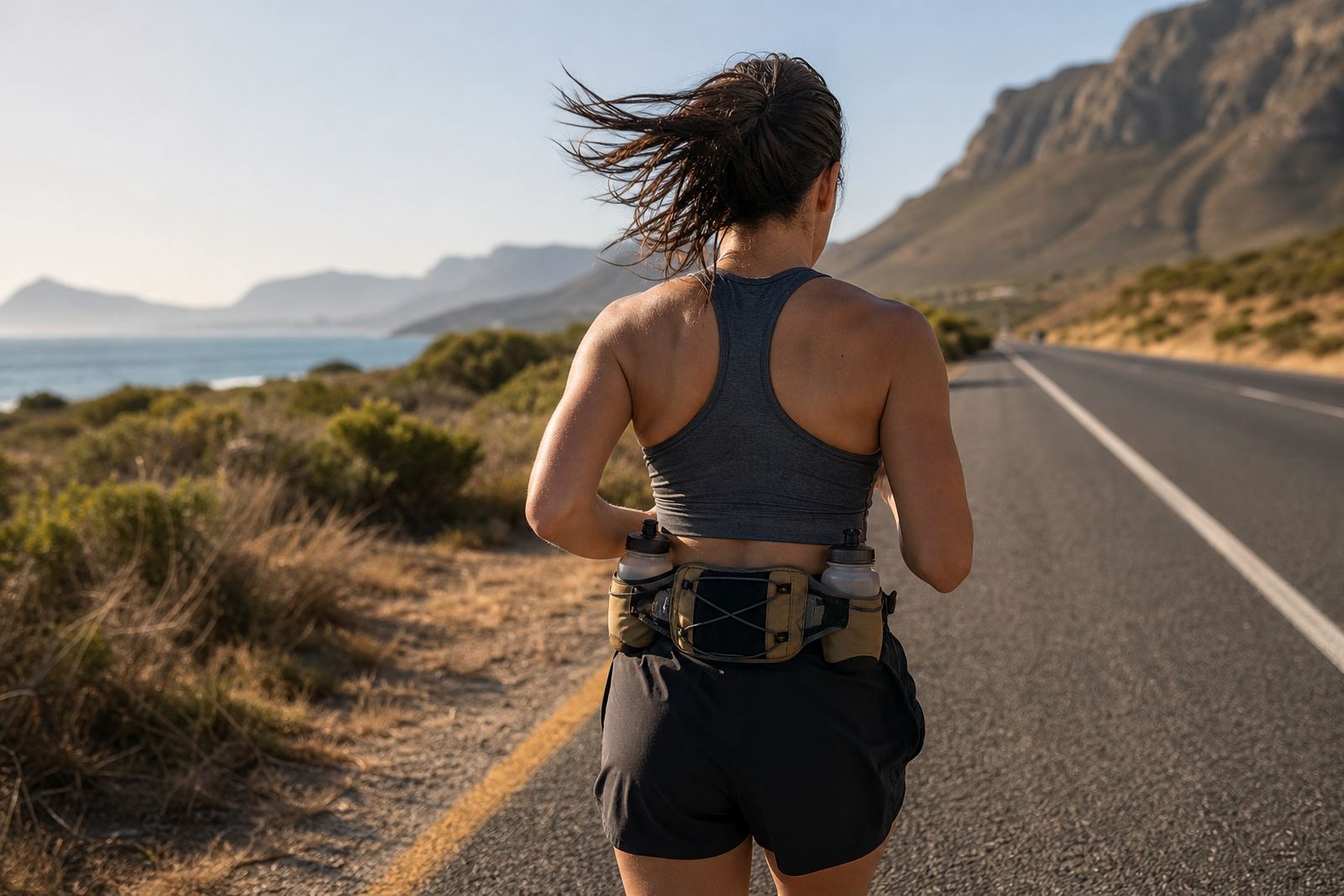
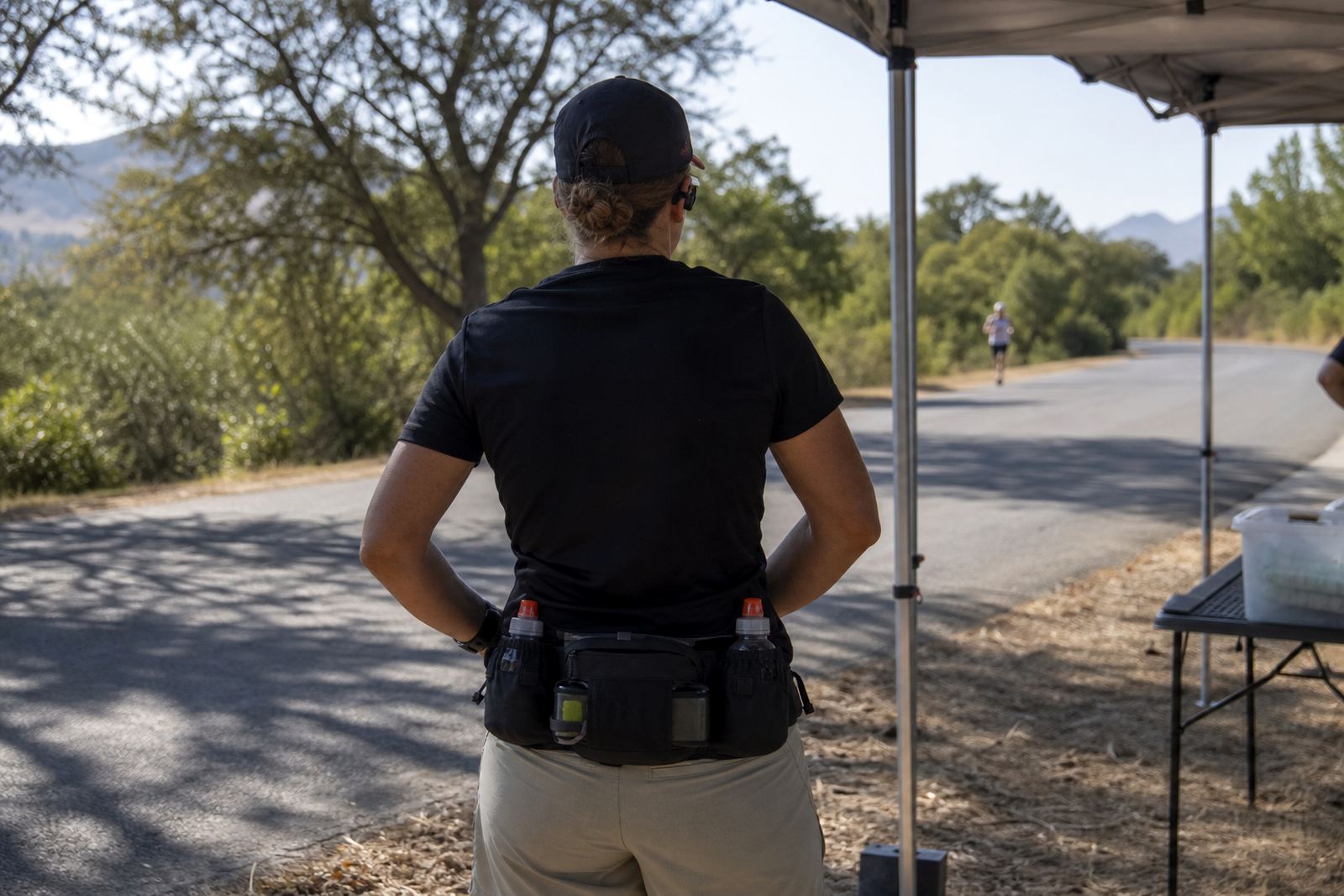
Hydration needs change fast once you are out on the course, especially on warm inland mornings or windy coastal routes. A belt that holds bottles well and keeps them steady can make a long session far easier to manage. We look at how much water to carry, when to top up and how to place bottles so they do not bounce or rub.

  • Shorter road runs may only need a light carry setup.
  • Trail days often ask for space for gels, keys and a small phone.
  • Hot weather in Durban or a still morning in Stellenbosch can mean more frequent drinking.
  • For race events, always check the aid station spacing before deciding on bottle size.

Fit and Comfort That Holds Over Distance

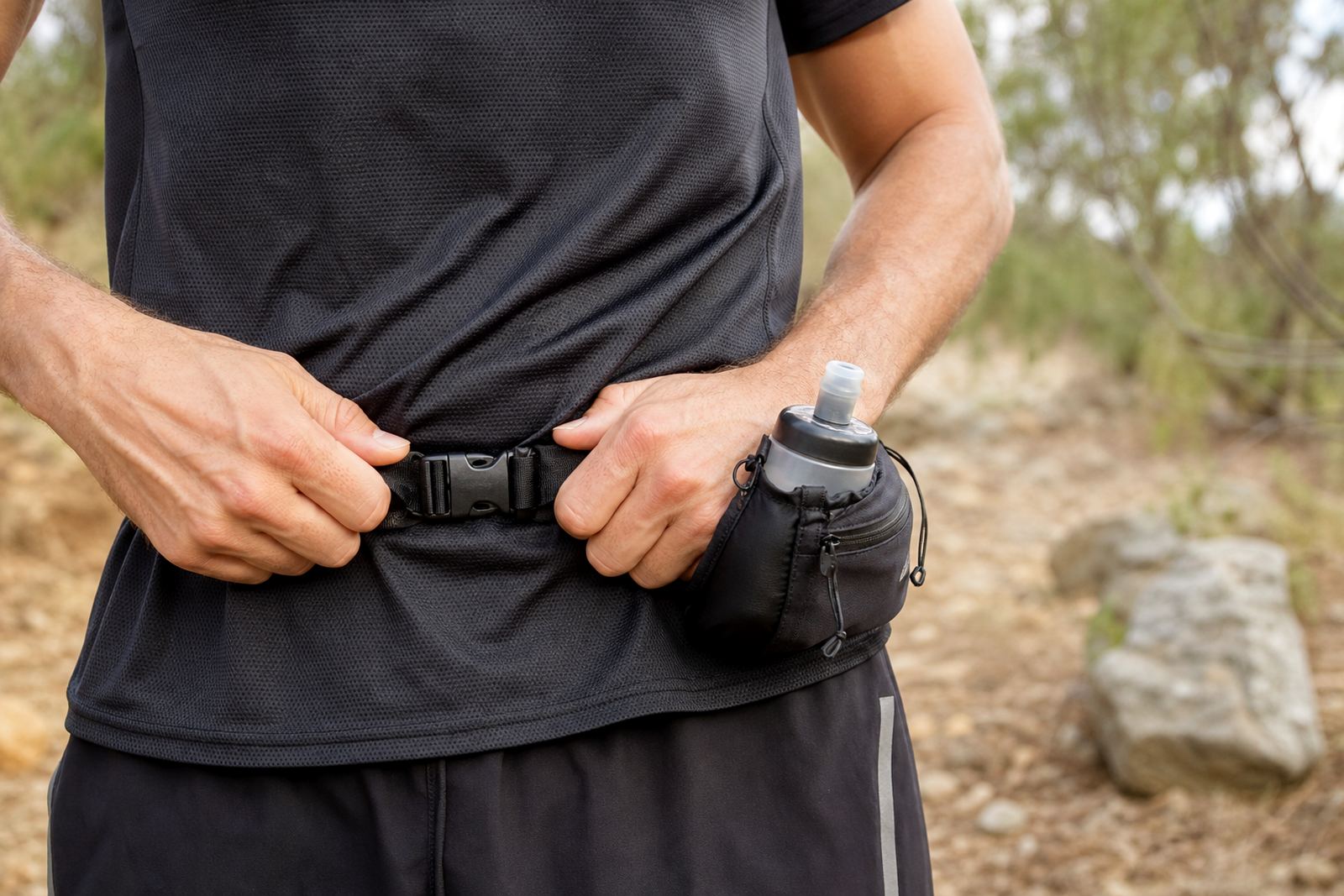
A belt that feels fine in the first kilometre can turn irritating by the halfway mark if the fit is off. This is why we spend time on sizing, position and how the load sits against the body. A good fit should stay put when you climb, descend or pick up pace on road sections, and it should not ride up when the belt is fully loaded.

We also cover common fit issues such as bottle sway, waistband pressure and chafing at the lower back. Small changes often help, such as shifting the belt slightly lower on the hips or balancing the load more evenly left to right.

Event Prep for Clubs, Organisers and Race Teams

For organisers, the right belt plan starts well before race week. Our journal covers participant sizing, bulk order planning and race pack inserts so clubs and event teams can prepare without last minute stress. In South Africa, event rules, access routes and turnaround times vary from one venue to another, so a clear packing plan saves time on collection day.

  • Work out size ranges early for your field.
  • Confirm the number of runners needing hydration carry versus storage only.
  • Allow for late entries and replacement allocations.
  • Plan dispatch dates around race day logistics and municipal access rules.

Trail Conditions Across South Africa

Trail running in South Africa is not the same from one province to the next. Stellenbosch routes can bring steep climbs and loose stone. Johannesburg sessions often mean dry air and hard-packed ground. Durban runners deal with heat and humidity, while George can bring cool mornings and changing conditions. That means your belt choice should match the environment as much as the distance.

We share notes on storage for salt tabs, phone protection and how to keep essentials dry when mist, sweat or sudden rain gets involved. A little planning goes a long way when you are far from the nearest tap or support point.

Training Weeks, Taper Weeks and Travel Weeks

Different weeks call for different carry habits. During heavy training, you may need a belt that holds more nutrition and keeps your hands free. In taper weeks, a lighter setup may be better. When travelling to races in another town, it helps to pack the belt the same way every time so you know exactly where each item sits.

We also share practical notes for runners juggling work, family and early starts. If you train before sunrise or after loadshedding has interrupted your routine, a simple, repeatable pack list can make the day easier. It saves time and avoids forgotten gels, keys or plasters.

  • Keep a fixed pocket for essentials.
  • Test your belt on at least one training run before race day.
  • Check bottle caps, zip pulls and belt tension after each wash.
  • Replace worn items before a big event, not after.

How to Use This Page Before You Choose a Belt

Start with the article that matches your main need. If hydration is your biggest concern, read those notes first. If you are buying for a club, an event or a mixed group of runners, begin with the sizing and event planning pieces. The journal is meant to help you narrow down the right setup before you send through an enquiry.

When you are ready, use the ideas here to decide what matters most: carry capacity, fit, bottle placement, event support or repeat ordering. That way your next belt choice is based on how you run, not just on what looks right at first glance.

Questions we get asked

Who is the Trail Journal written for?

It is written for trail runners, road runners, clubs and race organisers who need practical guidance on belts, hydration and event planning in South African conditions.

Can this help with bulk orders for events?

Yes. The journal covers sizing, dispatch timing, race pack planning and event preparation so organisers can make better buying decisions before placing an enquiry.

Do the articles cover different weather and terrain?

Yes. We write with local conditions in mind, including heat, humidity, wind, dusty tracks, steep trail climbs and early morning training in different towns.

Planning something? Send the team a message.

Contact form