
Start the night before, not at the start line
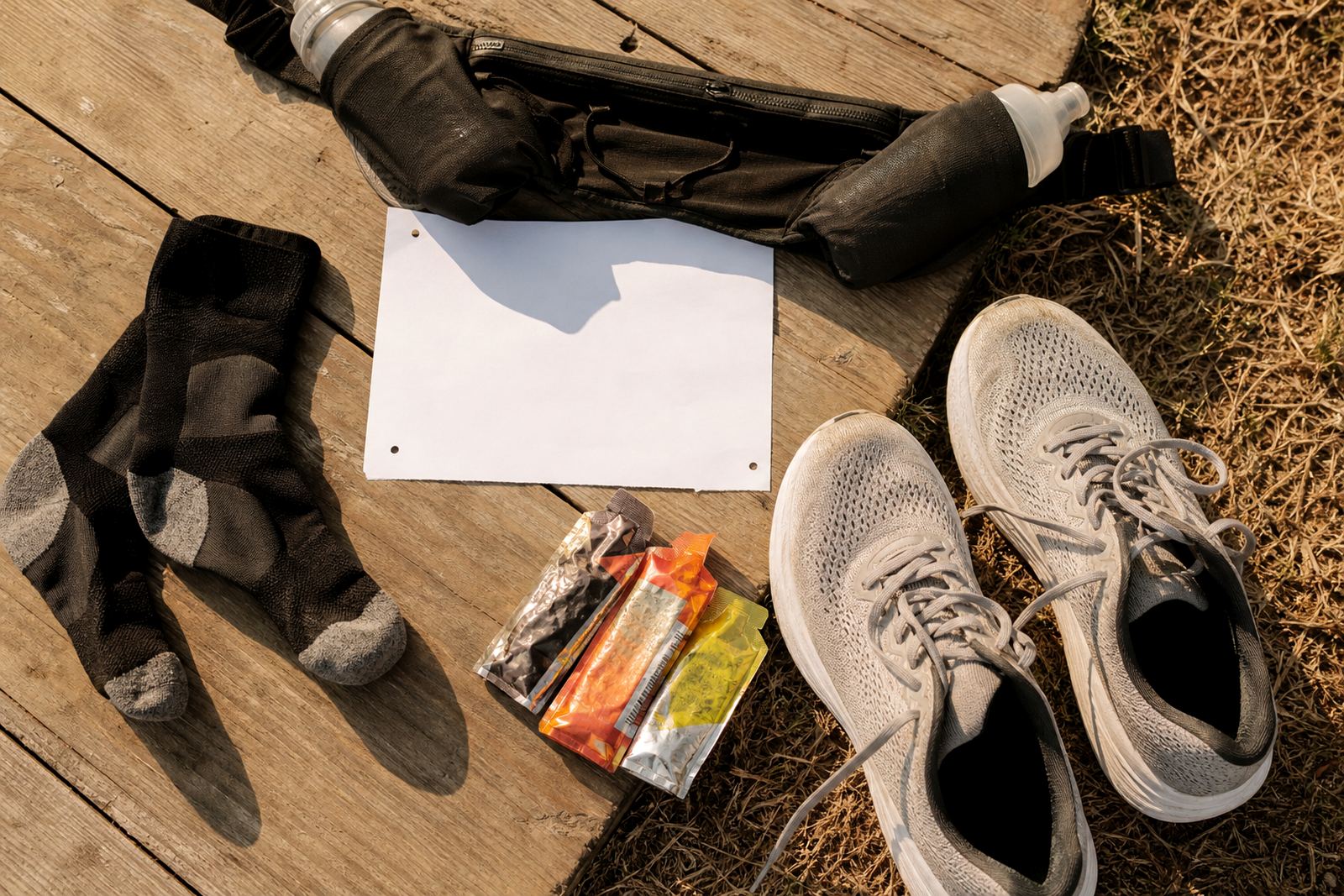
If you are travelling to a race from Stellenbosch, Cape Town, Johannesburg, Durban or George, pack your waist belt the evening before and leave it where you can see it. That gives you time to check water, gels, keys, race number, and any small item you must carry for the day. It also helps if you are dealing with an early start, load-shedding at home, or a busy family morning.
Lay everything out in one place and keep the load simple. A packed belt should feel balanced, not stuffed on one side. If you need to bring more than the belt can comfortably carry, split the items between your belt and your drop bag or car. A good rule is to pack for what you will use, not what you might need just in case.
- Race number and pins if required
- One or two gels, or your planned fuel
- Keys on a short clip
- Small cash or card in a sealed pouch
- Sunblock, lip balm, and a tissue
Check fit with the same kit you will race in
Fit changes once you add a shirt, vest, soft flask, phone, and fuel. Test the waist belt while wearing the same top and shorts you plan to race in, then jog for a few minutes and do a few quick turns. If the belt rides up, rubs, or shifts when you climb stairs, it will probably bother you on race day too.
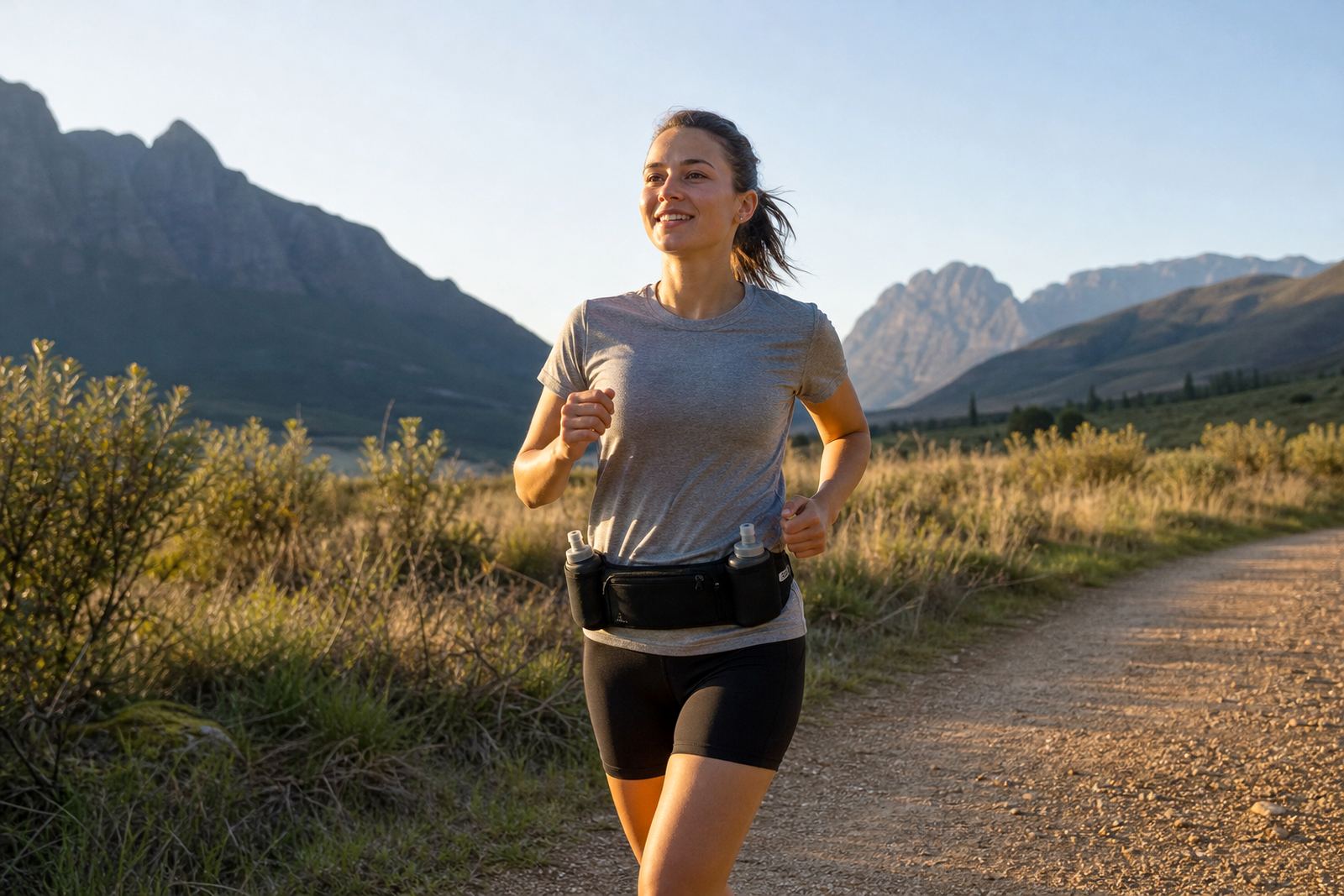
For trail runs around Jonkershoek, Paarl Rock or Durbanville hills, the belt should stay close to the body without pinching. On the road, that same secure fit helps on faster sections where you do not want bottles slapping against your hips. A belt that feels fine when standing still can still be wrong once you start sweating, so always test it with movement, not just a mirror check.
- Tight enough to stop bounce, but not so tight that breathing feels restricted
- Even weight on both sides where possible
- No hard item pressing into your lower back
- Nothing loose that can catch on timing mats or branches
Hydration planning for Western Cape heat and coastal humidity
Hydration is not just about carrying water, it is about carrying the right amount for the route and weather. A cool start in Stellenbosch can turn warm quickly, while Durban humidity can make even an easy pace feel harder. For shorter road events, a light hydration setup may be enough. For trail races and longer distances, you may need a more deliberate plan with fluids, electrolytes, and refills.
Do a pre-race check on what the event offers. If water tables are spaced well, you might only need to carry enough for the first section. If the route crosses exposed areas or the weather is hot, carry more from the gun. In coastal conditions, keep an eye on salt loss too, especially if you sweat heavily and start cramping after 60 to 90 minutes.
- Fill bottles or flasks to match the opening section of the route
- Keep electrolyte tablets or mix ready if you use them
- Check that caps and valves are closed properly to prevent leaks
- Do a quick shake test before you leave home
Race pack items that matter, and the ones that do not
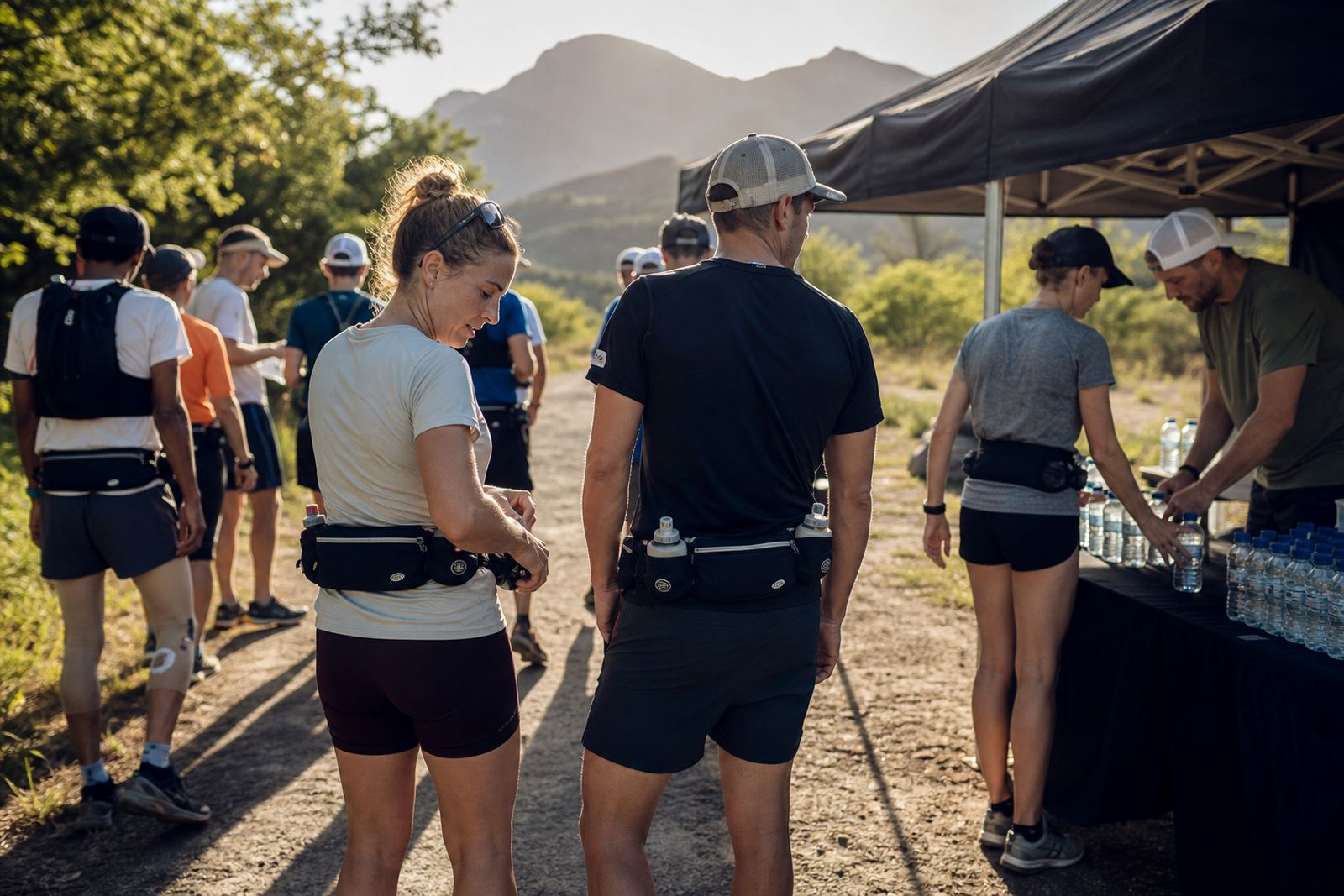
Every runner wants to be prepared, but a packed belt works best when it stays focused. If you are carrying too many extras, you will waste time during the race trying to find the one item you need. Keep the essentials where you can reach them without stopping. That means fuel at the front, keys in a secure pocket, and anything you may use late in the race where you can reach it with one hand.
For event participants and club runners, the safest pack is often the simplest one. Leave bulky items at the venue or in the car, and do not overload your belt with items you will not use before the finish. The goal is not to carry everything, it is to carry the right few things in a stable and practical way. A packd belt can feel heavy very quickly once you add heat and fatigue.
- Take only race essentials
- Use small containers instead of loose items
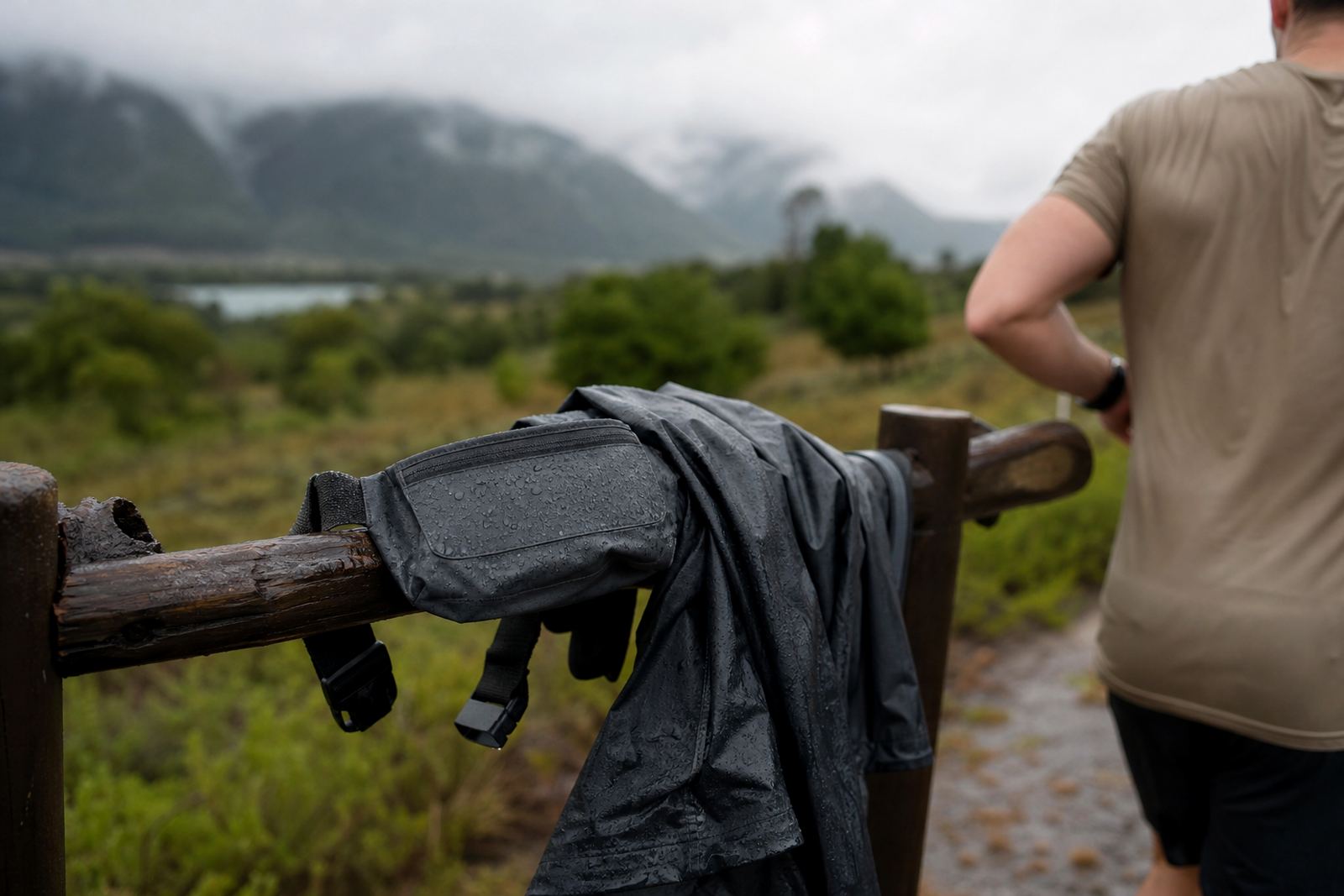
- Seal anything that can leak or sweat through
- Keep food and water easy to reach without breaking stride
Event morning checks before you leave the house
Before you head out, do one last check in good light. Look at every pocket, every closure, and every strap. Make sure the belt is dry, the bottles are filled, and the fit still feels right after breakfast. If you are travelling to a venue in Paarl, Somerset West or Bellville, confirm that your kit is already in the car and not still in the kitchen or laundry room.
A short checklist helps reduce panic. It also saves time when you arrive and the parking is busy or the race village is crowded. Many runners only realise they have forgotten pins, fuel, or a bottle lid after they are already at the start. That sort of scramble can be avoided with a simple routine.
- Belt adjusted and tested
- Hydration filled and secure
- Fuel packed and visible
- Keys, race number, and small essentials accounted for
- No loose straps hanging down
A local example: trail morning in Stellenbosch
Picture a Saturday trail event outside Stellenbosch. The start is early, the air is cool, and the first climb comes within minutes. A runner who packed the night before has their belt ready, fuel in front, water balanced, and keys clipped safely away. They arrive calm, warm up properly, and start with no last minute panic. Another runner arrives with everything loose in a plastic bag and spends the final five minutes stuffing pockets and retightening straps.
That difference shows up in the first kilometre. One runner begins settled and focused. The other starts with bounce, rubbing, and a belt that needs constant fixing. On race day those small details matter more than people think, especially on trail routes where footing changes and you need both hands free. The lesson is simple: pack early, test once more, and trust the setup you have already checked.
If you want event support, participant sizing, or help planning belt layouts for a local race, our Stellenbosch team works with runners and organisers across South Africa through the enquiry form on our contact page.