
Why runners are moving away from pins
Safety pins have been the default for years, but they are not always the best option. They can leave holes in light race shirts, catch on technical fabric, and become a nuisance when you are dressing in a hurry before a 6am start in Stellenbosch or Cape Town. For runners who reuse kit often, those pin marks add up fast.
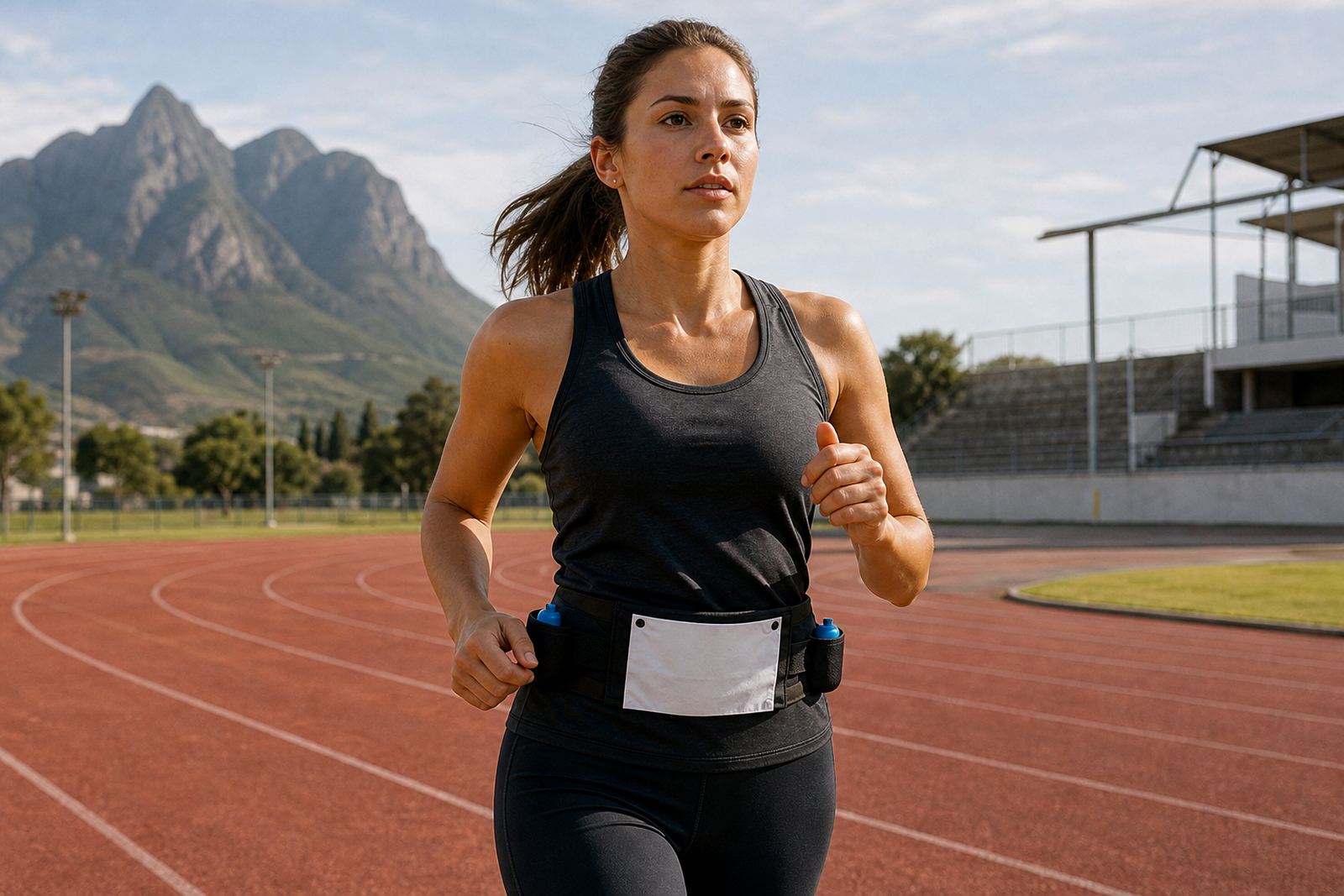
A bib belt gives you a cleaner setup. The number sits on the belt rather than on your shirt, which means less damage to your clothing and less chance of the bib shifting when you move through aid stations, wind, or a long downhill. It also helps when race organisers want bibs to stay flat and readable for timing marshals and safety teams.
For many runners, the biggest gain is simple: less faffing before the gun goes off. You clip the bib on, adjust the belt once, and you're ready. That matters on cold mornings, during load-shedding affected prep at home, or when you have a relay changeover and only a short window to kit up.
How bib toggles work on a running belt
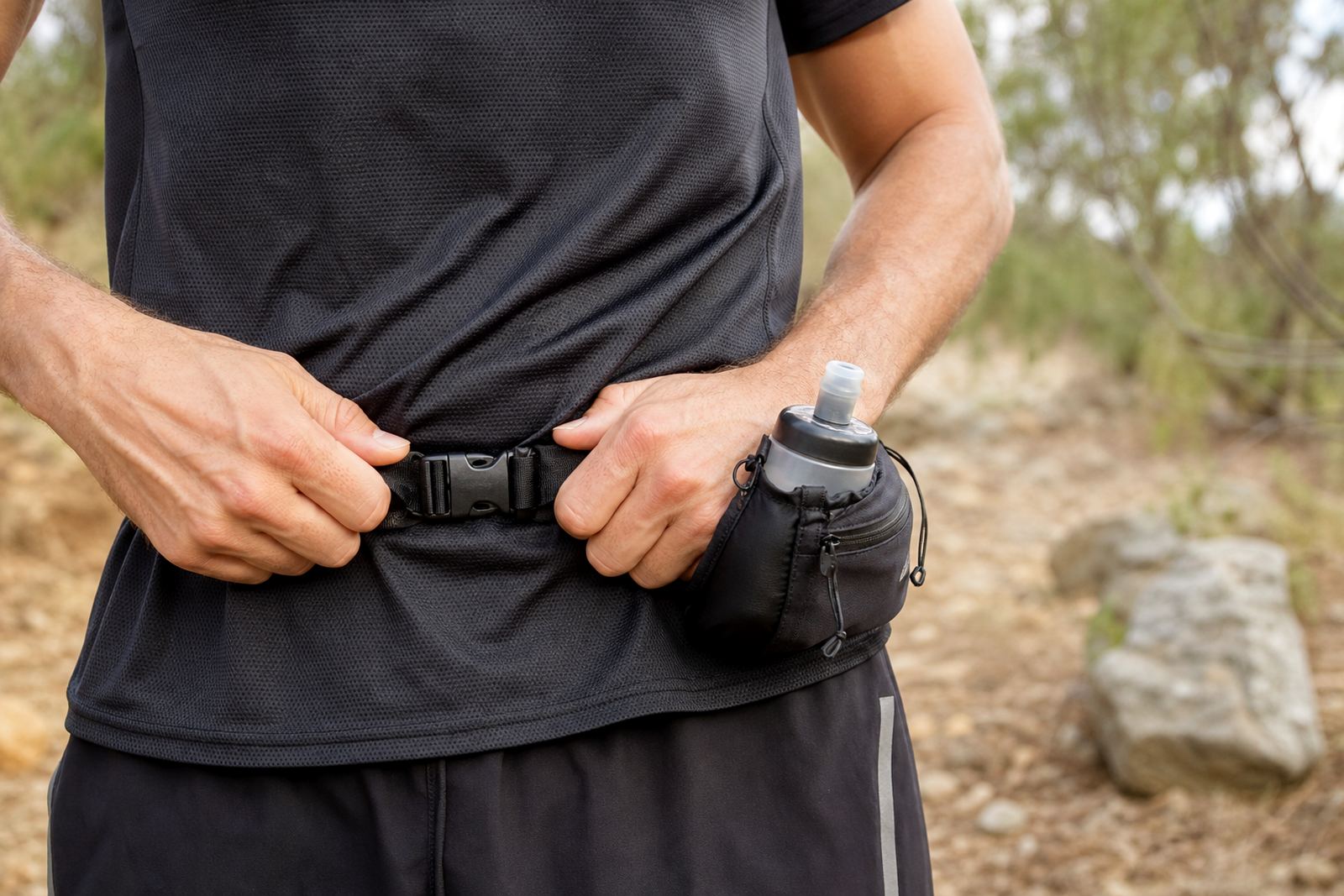
Bib toggles are small clips or fasteners fitted to a belt so the race number can be attached without pins. The bib is held flat against the belt and the belt is worn around the waist, usually over a singlet, tee or hydration kit. The setup keeps the number visible at the back or front depending on the race rules.
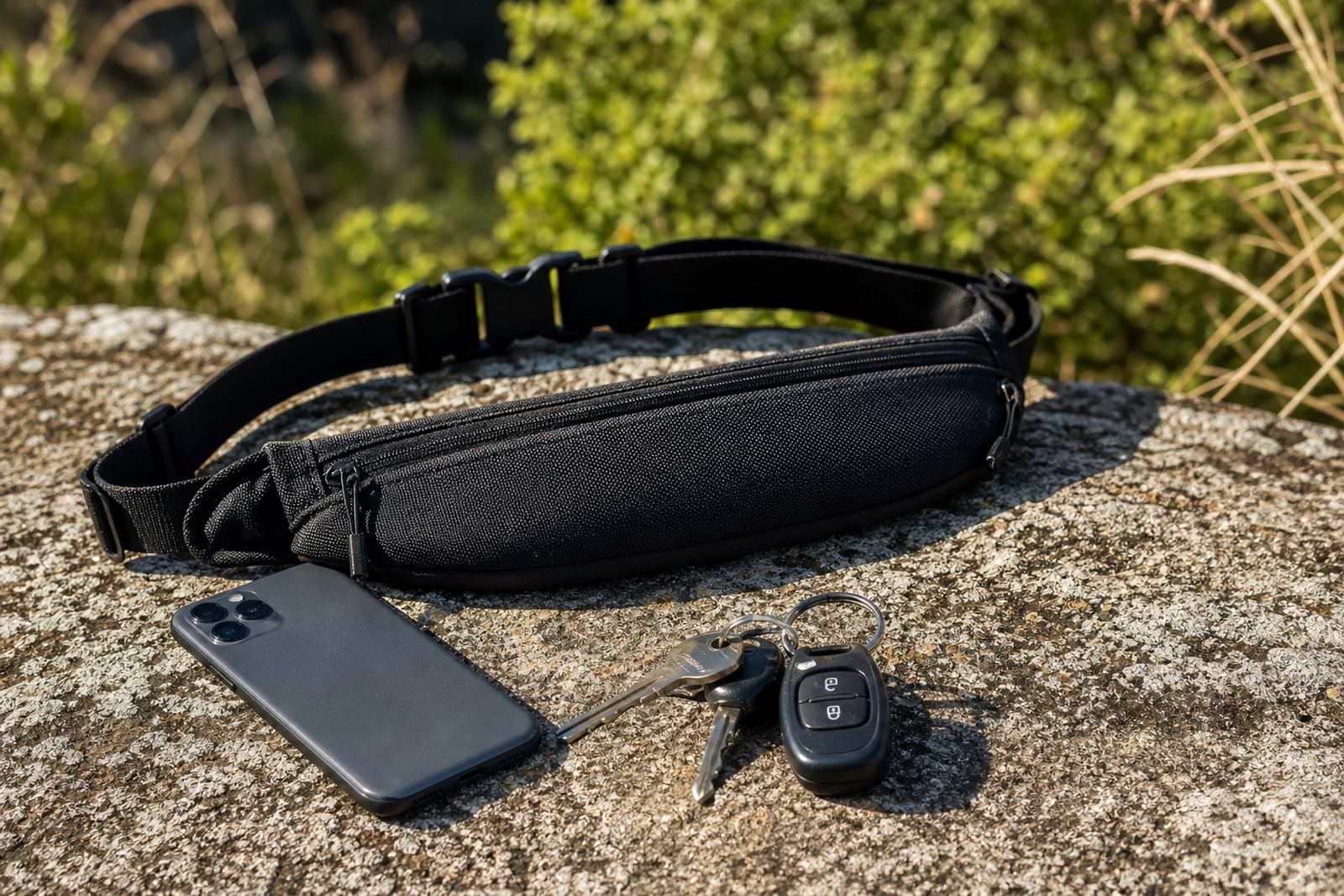
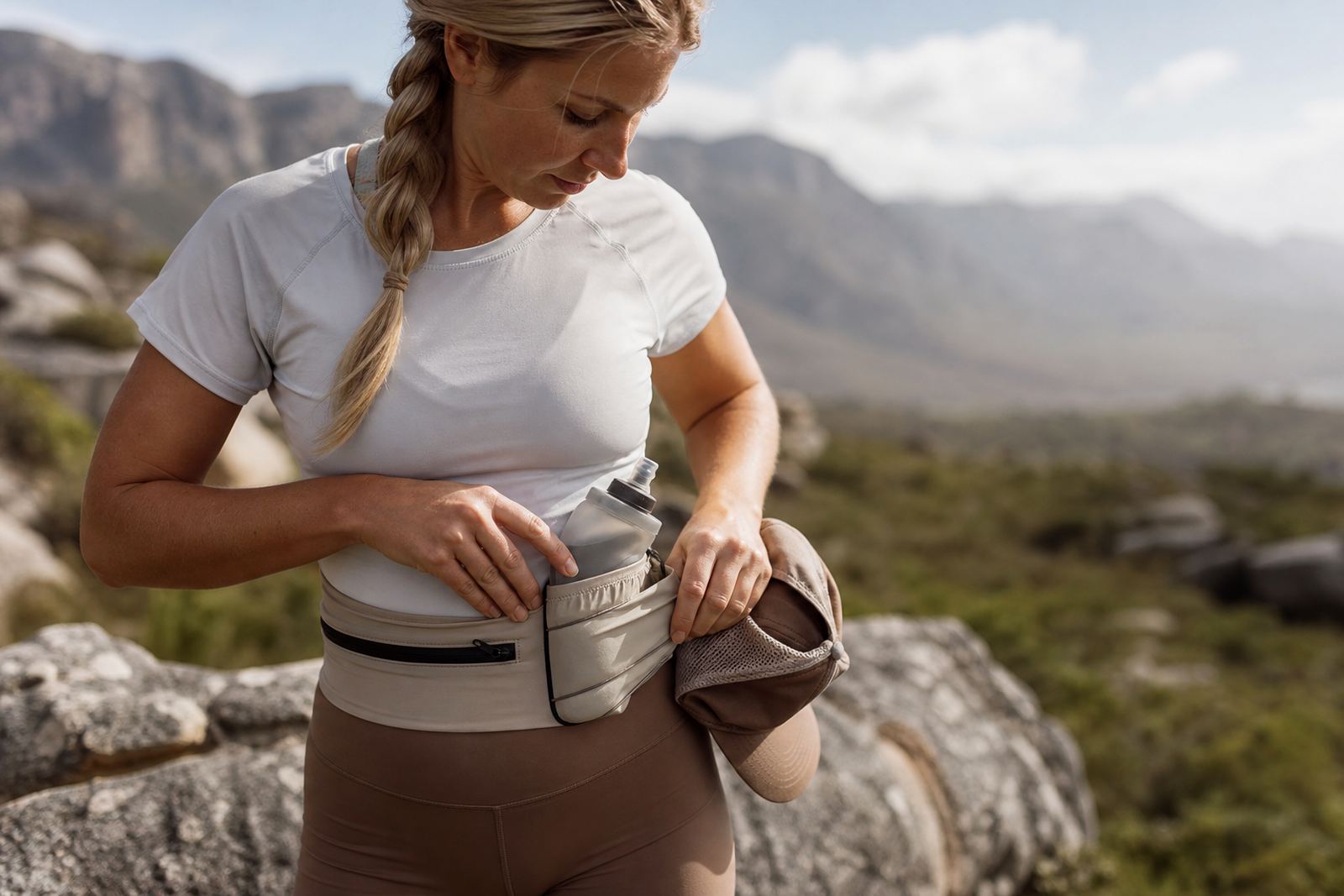
The belt itself matters. It should sit snugly without bouncing, even when you carry a soft flask, gels, keys or a folded windbreaker. If the belt is too loose, the bib can tilt or flap. If it is too tight, it can rub on the hips and cause irritation over longer distances. A good fit usually sits low enough to stay put, but high enough to avoid the top of your shorts.
For trail runners, the benefit is even clearer. On rough single-track, a bib pinned to a shirt can pull and wrinkle as you twist or duck under branches. A belt keeps the bib away from the chest area and gives a neater profile. That is useful when you are moving through narrow sections on Stellenbosch trails, where you need your kit to stay out of the way.
- Check that the bib lies flat and does not curl at the corners.
- Make sure the belt can hold the bib without covering the race number.
- Test the fit while jogging, not only while standing still.
- If you carry hydration, confirm the belt still feels balanced when the bottle is full.
When a pin-free bib setup makes the most sense
A pin-free arrangement is not just for one type of runner. It helps road runners who want a clean race shirt, trail runners who need less fuss around technical layers, and event participants who change between warm-up gear and race gear quickly. It also suits club days, corporate relay teams and mass participation events where the same person may race several times a season.
It can be particularly practical in the Western Cape winter season, when runners often start in a jacket and strip down later. Rather than moving pins from one layer to another, the bib stays on the belt. That saves time and reduces the chance of tearing a lighter top. For coastal races where humidity is high, it also means less fabric sticking to the body and fewer adjustments mid-run.
Event organisers benefit too. Bibs displayed on a belt are easier to spot at aid stations and finish funnels, and this helps with reporting, timing checks and general control. For large fields in Johannesburg, Durban or George, that small bit of clarity can make a difference to event-day flow.
- Training runs where you want to trial race-day kit.
- Marathons and half marathons with strict bib visibility rules.
- Trail races where movement and layering matter.
- Club events and school or corporate running days.
Getting the fit right before race day
The best bib belt is the one you hardly notice after the first kilometre. Start by adjusting it at home with the same kit you plan to wear on race day. If you race in a vest and shorts, test that combination. If you use a hydration vest, check that the bib does not sit under straps or bounce against the flask pocket.
Place the bib at the height required by the event, then do a short jog, a few strides and a bend at the waist. If the number shifts, the belt may need to be tightened slightly. If your breathing feels restricted, loosen it a touch. Small adjustments matter, and the right fit can change how settled you feel over 10km, 21km or longer.
Keep in mind that numbers can shift if the belt is too loose, so check the fit once more before heading to the start pen. In humid weather or after a hill session, sweat can also change how the belt sits on the body, which is why a quick test with the same clothing is worth it.
What local race organisers should consider
For race directors and club organisers, moving to bib toggles on belts can support smoother pack-out and simpler participant guidance. If runners know they can attach a bib without pins, they are less likely to arrive with damaged shirts or missing safety pins on the morning of the event. That can ease pressure at registration tables and reduce last-minute requests.
It is also useful for sponsored kit days, school events and charity runs where participants are given a race pack in advance. A belt can be included with the bib or offered as part of a bundle, which makes the system easy to explain: clip the number, wear the belt, and keep the bib visible. For crews handling bulk orders across Cape Town, Paarl, Somerset West or Bellville, that simplicity helps with distribution.
When planning for a field of runners, organisers should think about sizing, placement instructions and dispatch timing. A neat bib setup only works if participants understand how to wear it, and if they receive the correct size belt before event day. That is where brief fit notes and practical support can save a lot of trouble.
- Provide clear bib placement instructions in race pack inserts.
- Confirm whether the bib must sit front, back or both.
- Allow time for sizing, especially for club and school groups.
- Match the belt design to hydration, timing and race control needs.
A cleaner race number for trail and road athletes
For runners who want a tidy, reliable way to carry a race number, bib toggles on a belt are a practical answer. The setup avoids pin holes, keeps the number visible, and works well across training runs, road races and trail events. It is a small change, but on race day small changes can make the whole morning calmer.
In places like Stellenbosch where runners train on vineyard roads in the week and hit mountain trails on weekends, one belt can do both jobs. It can hold a bib for a 10km road race in the city and then be used again for a trail event with hydration on the back. That kind of flexibility is useful for South African runners who want gear that earns its place in the kit bag.
If you are planning a local race, club run or event series and want bibs to sit neatly without pins, a belt-based system is worth considering. It is straightforward, practical and easy to repeat from one event to the next.