
When a simple pocket is not enough
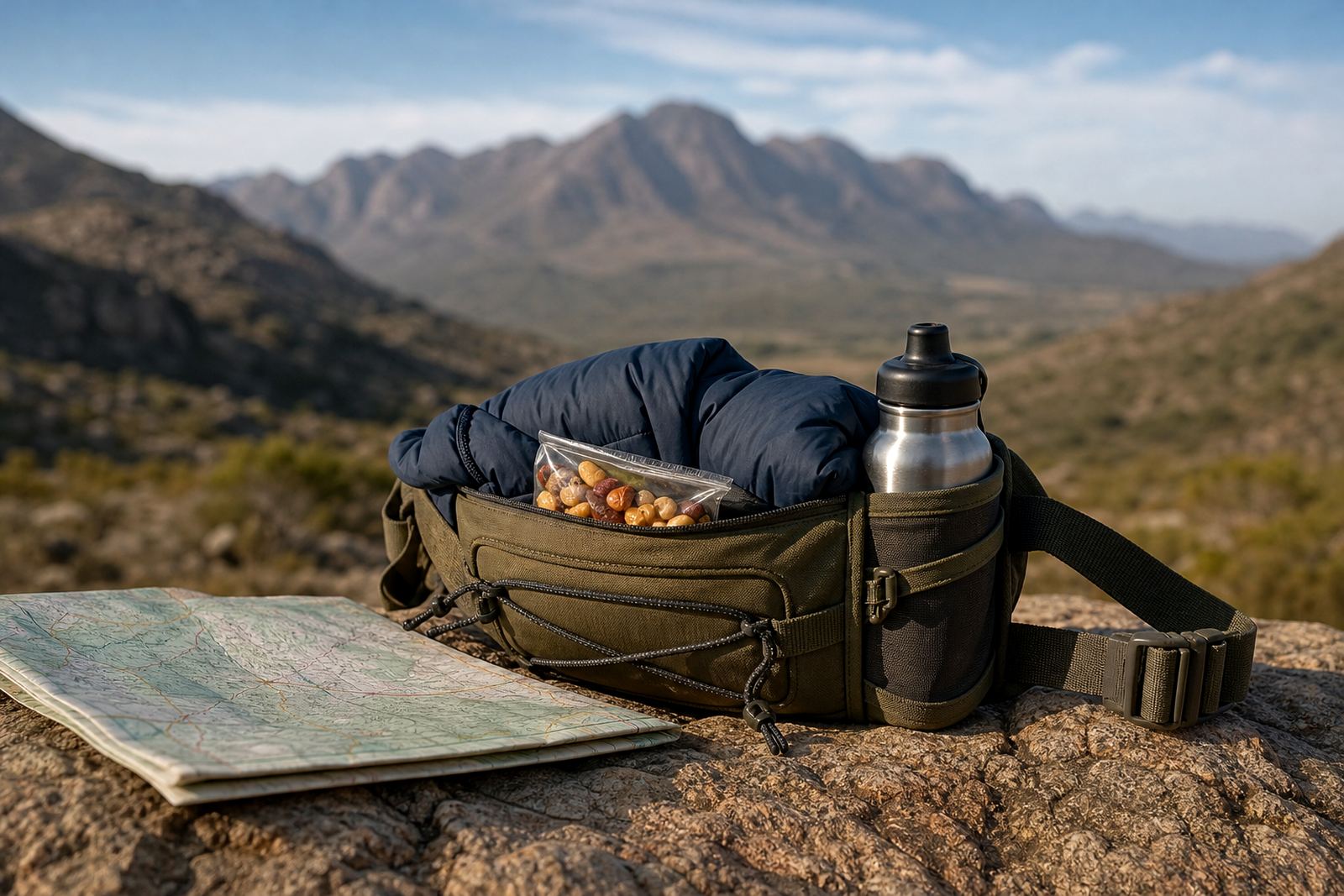
On a 5 km jog, many runners can get away with very little. But a trail run, a long road race, or a multi-hour event changes the picture fast. You may need water, energy chews, sunscreen, a soft flask, a buff, a lightweight rain layer, anti-chafe balm, cash, ID, and sometimes a headlamp or whistle. Once you start carrying those items in shorts pockets or a hand-held bottle, the run can feel untidy and uncomfortable.
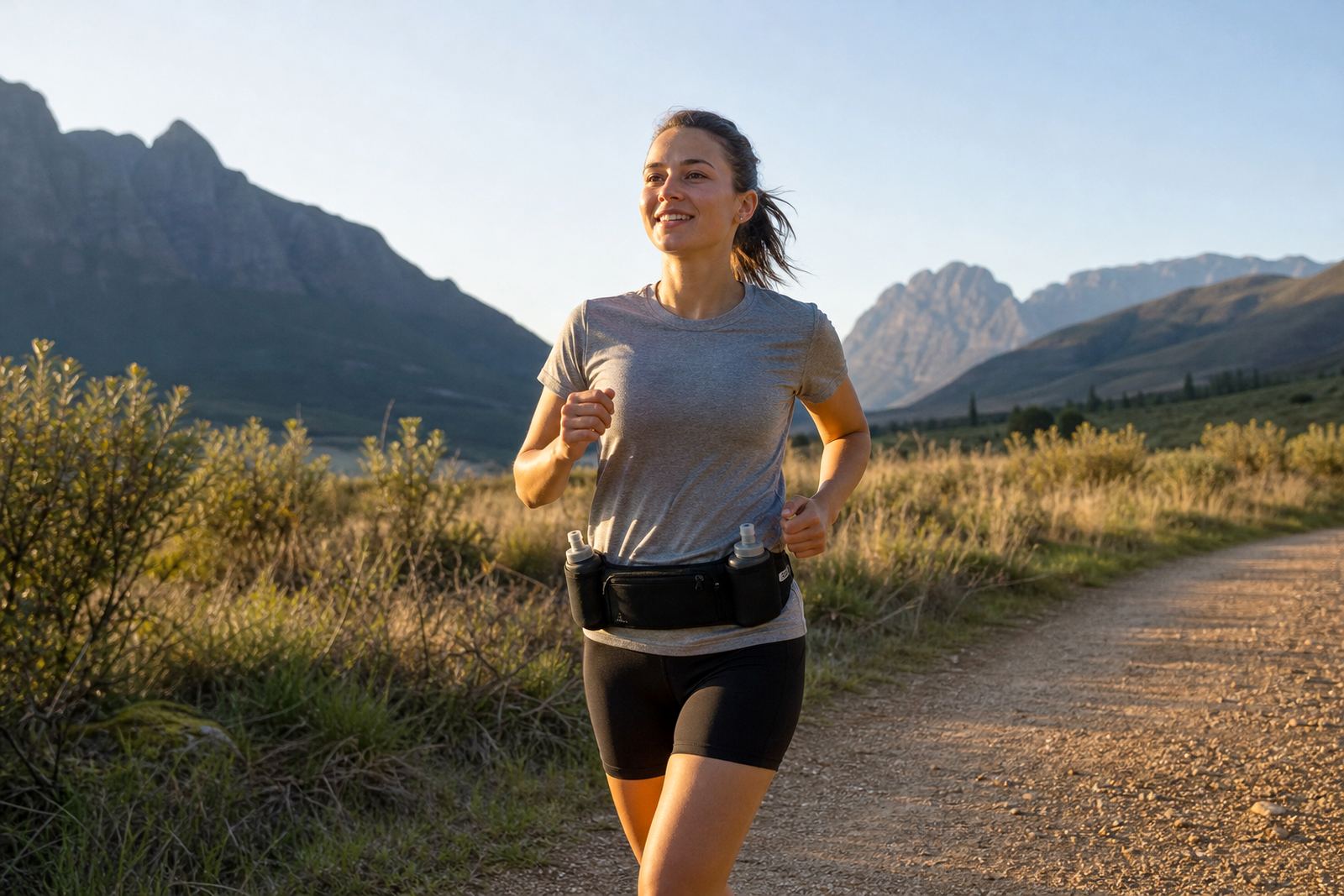
A waist belt helps because it spreads the load around the hips instead of hanging everything from one side. That matters on climbs, on gravel, and when you are moving for long periods. It also matters in South African conditions. A winter start in Stellenbosch can be cool at sunrise then hot by 09:00. On the coast, humidity can make heavy pockets feel worse, while in Johannesburg wind and dry air can make hydration more important than you first planned.
- Extra space for layers, snacks and hydration
- Better balance than stuffing pockets full
- Quicker access when pace or weather changes
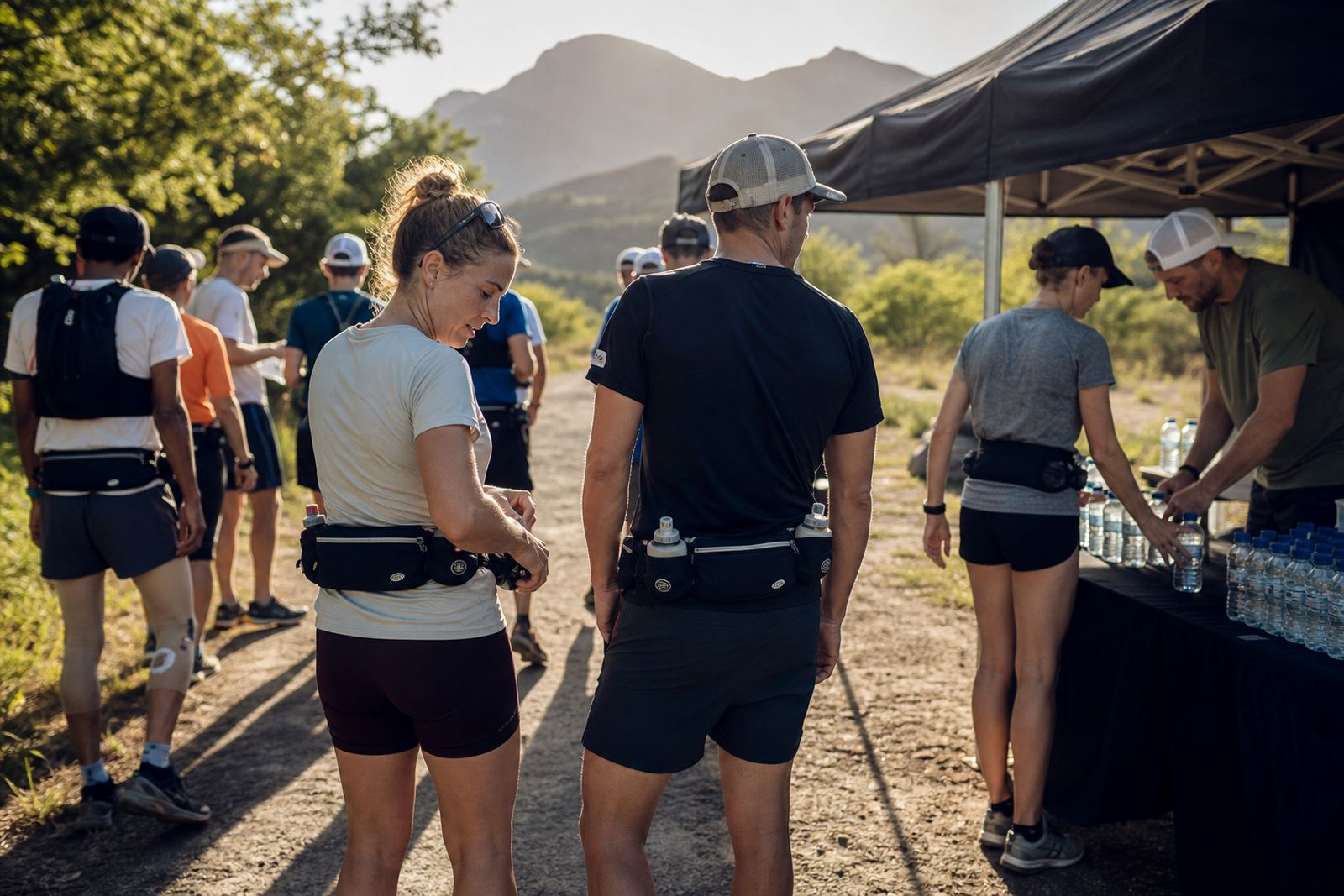
- Less faffing at water tables and checkpoints
What runners actually need to carry
The right storage depends on the route, the distance, and the rules of the event. A trail runner doing 20 km in the Jonkershoek area will usually need different storage from a road runner doing a supported half marathon in Cape Town. Event organisers may also ask runners to carry specific items for safety, especially on remote routes or in hot weather.
Before choosing a belt, list what must be on hand during the run. That stops the common mistake of buying a belt that looks fine in the shop but cannot hold everything once race morning comes. It also makes fit planning easier for clubs and race organisers ordering for a group.
- Water bottle or soft flask
- Fuel such as gels, chews or fruit
- Phone, ID and a small amount of cash
- Wind top or lightweight rain layer
- Whistle, headlamp, race card or timing chip holder
If you are carrying more than one or two of these items, storage layout becomes just as important as size. A belt that keeps weight centred and close to the body is far easier to run in than one that swings with every stride.
Why fit matters when the load grows
More storage only works if the belt still feels stable. A belt that rides up can rub the stomach. One that sits too loose can bounce on descents and pull down on one side. Too tight, and you start thinking about the belt instead of the run. Fit should feel secure when you walk, jog and bend forward.
For event participants, sizing is worth doing properly before race day. For clubs, it is even more important because one size does not suit every runner. Crew kits and participant packs often need a mix of sizes so the belt sits correctly over base layers, singlets or race shirts.
- Check waist size over the clothing you will wear on race day
- Test the belt with full bottles or loaded pockets
- Run a few hundred metres before committing to the fit
- Look for a snug hold without pinching or rolling
In coastal towns like Durban, sweat and humidity can make a loose belt feel worse after only a few kilometres. In cooler inland starts, runners may begin with a layer on, then need to stow it once the sun is up. That is where a properly fitted belt earns its place.
Planning storage for races and events
Race organisers and clubs often need more than a few individual belts. If you are setting up a trail event, a fun run, or a corporate race day, storage planning should start early. Think about how many runners will need hydration support, which distances require extra kit, and whether the same belt can work across different course profiles.
For larger orders, it helps to group runners by size and use. A 10 km participant may need only one flask pocket and a small phone pocket, while a 30 km trail runner may need room for two bottles, snacks and a layer. When the order is planned properly, distribution on the day is quicker and the fit issues are reduced.
- Confirm the number of runners per distance
- Separate elite, club and casual participant needs
- Plan storage for race packs, inserts and support crew
- Allow time for fitting checks and dispatch before event week
In South Africa, event timelines can get tight around holiday periods and long weekends. Add load-shedding into the mix and late changes become harder to manage. That is why clear sizing and dispatch coordination matter when storage needs are more than basic.
Trail routes, road routes and the weather factor
Not every run needs the same belt layout. Trail routes around Stellenbosch or George often involve climbs, uneven ground and self-supported sections. Road races in Cape Town or Johannesburg may be faster, but runners still need space for nutrition and a few basics. The right storage setup changes depending on whether you are out for speed, safety or endurance.
Weather also changes the storage equation. A winter morning in the Western Cape can call for gloves and a light layer. A hot summer event may need extra water and salt tabs. In windy conditions, loose items can flap around if they are not held close. The answer is not just more space, but smarter space.
Many runners find it useful to think in zones. Keep quick-access items where they can be reached without stopping, and move less urgent items deeper into the belt. That small change can save time at aid stations and reduce the urge to take the belt off mid-run.
Choosing a belt that carries more without feeling bulky
More storage should still feel like running gear, not a bag tied around your waist. The best solution is one that holds shape, keeps its load stable and stays comfortable once it is wet with sweat or rain. That matters for trail runners, but also for road runners doing longer training sessions or race event support.
When you are comparing options, ask these practical questions:
- Will the belt hold what I actually carry on race day?
- Does it stay put when I run downhill or turn sharply?
- Can I reach gels and water quickly without stopping?
- Will it still be comfortable after an hour or more?
If the answer is yes, you are probably looking at the right fit for your route. For clubs and event teams, it also means fewer last-minute problems, fewer swaps at registration, and less frustration on the start line. That is the value of proper storage: not extra bulk, but better running.
Waistbag Run works with runners and event teams across Stellenbosch, Cape Town, Johannesburg, Durban, George, Paarl, Somerset West and Bellville. The focus is always the same, practical storage that fits the day in front of you, whether that is a training loop, a race pack, or a long trail with a bit more kit than usual.
A Stellenbosch example from race week
Picture a trail event starting outside Stellenbosch in the cooler months. The first hour is shaded, then the route opens up onto exposed slopes. Runners need a light layer at the start, a flask for the climb, gels for later, and a phone or ID for the pack. If the belt cannot hold that kit securely, the runner ends up juggling items or dropping pace to sort them out.
With proper sizing and a belt that allows organised storage, the same runner can start calm, keep moving, and only reach for what is needed when it is needed. That is the real point of more storage. It is not about carrying everything. It is about carrying the right things, in the right way, for the distance ahead.
For organisers, that means fewer complaints on the day. For runners, it means more focus on the route and less on what is bouncing around the waist.