Why fuel access matters once the race starts
Most runners think about fitness first, but race day often turns on small practical details. If your nutrition is buried in a pack or bouncing in a pocket, you spend more time sorting kit than running. That can break rhythm on climbs, delay a sip at the wrong moment, and leave you chasing energy late in the race.
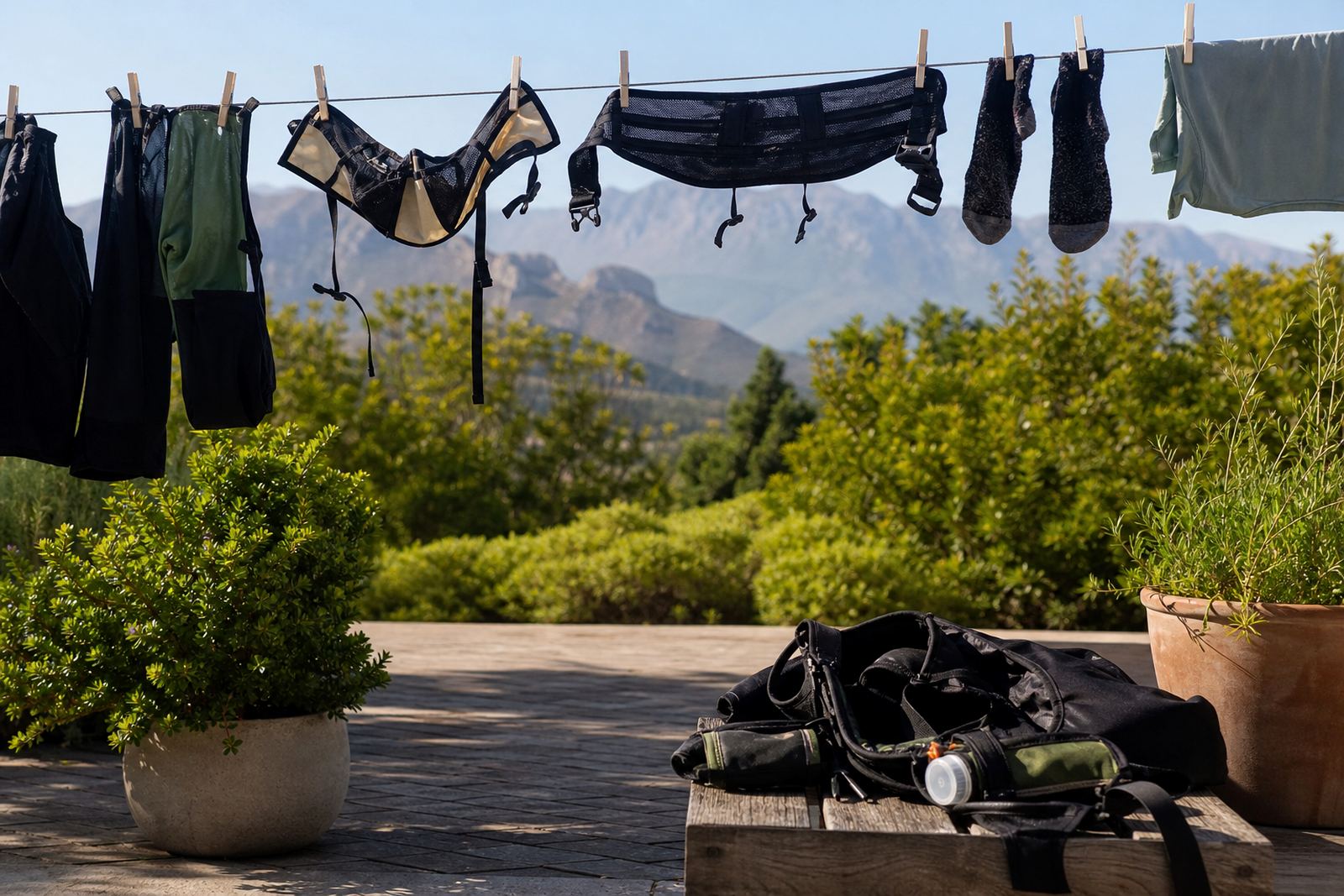
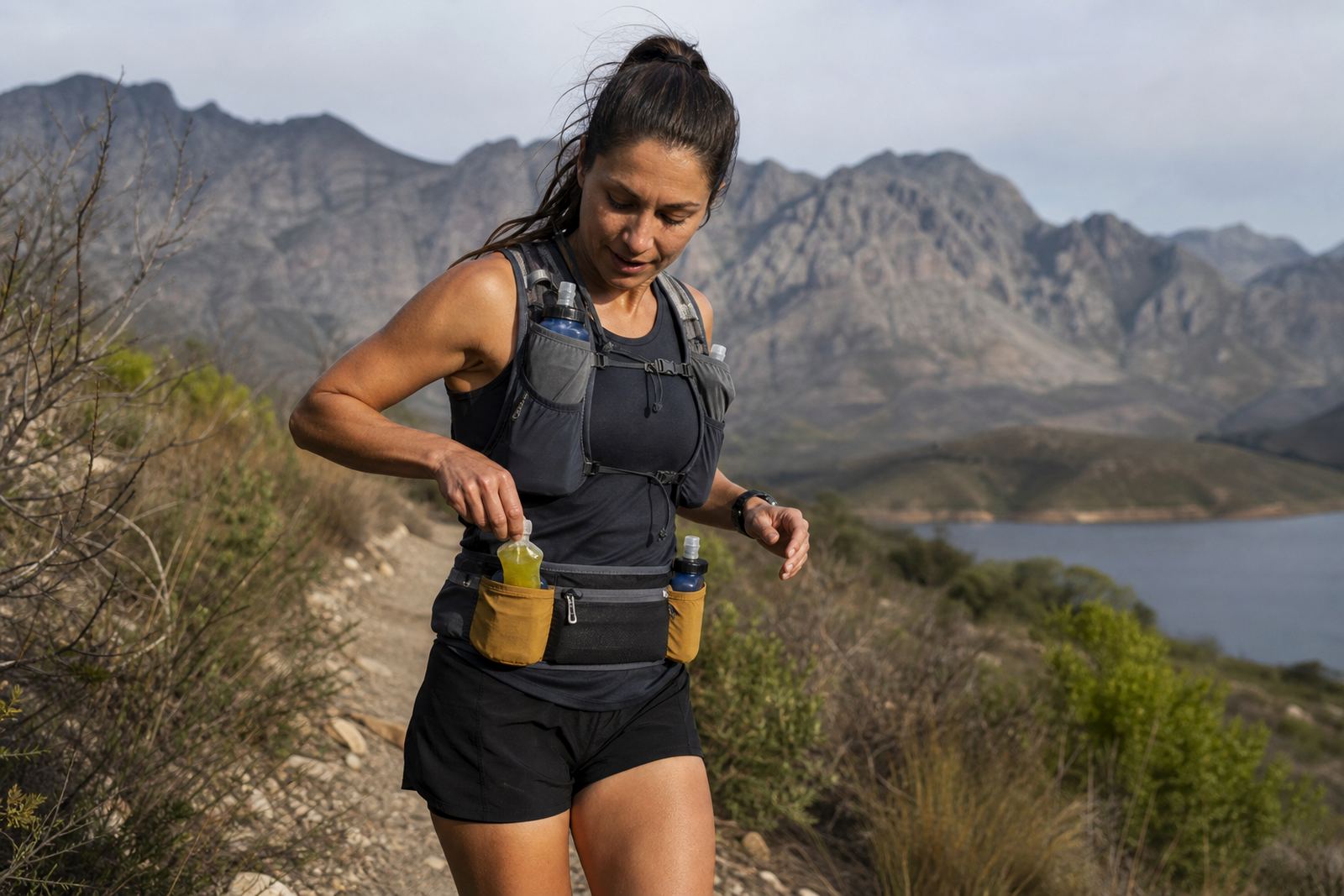
A good waist belt keeps fuel where your hands can find it without stopping. That matters on road races, trail marathons, and shorter events where every minute counts. It also helps in South African conditions, where heat, wind, and long exposed sections can make it harder to stay on top of hydration and sodium.
What to carry and where to place it
The best layout depends on distance, terrain, and how much you sweat. A 10 km road runner does not need the same setup as someone doing a long trail event outside Stellenbosch in summer. The goal is simple: keep the most used items easiest to reach, and keep weight balanced so the belt sits snug without sliding.
- Front or side pockets for gels, chews, or salt tabs you need during the race
- A soft flask or compact bottle placed where it will not swing on descents
- Small card, key, or race tag in a secure pocket that closes properly
- Optional space for a phone if the event rules allow it
Pack the belt with the heaviest items closest to your body and avoid overloading one side. If the belt starts to twist, you will feel it on turns and downhill sections, and that becomes tiring fast.
Trail races need a different approach
Trail running changes the rules. You may face rocky sections, singletrack, water crossings, and long climbs where stopping to open a bag is not practical. A waist belt gives you access to fuel without lifting your arms too much or interrupting your stride. That is especially useful on technical routes where you need balance and quick hands.
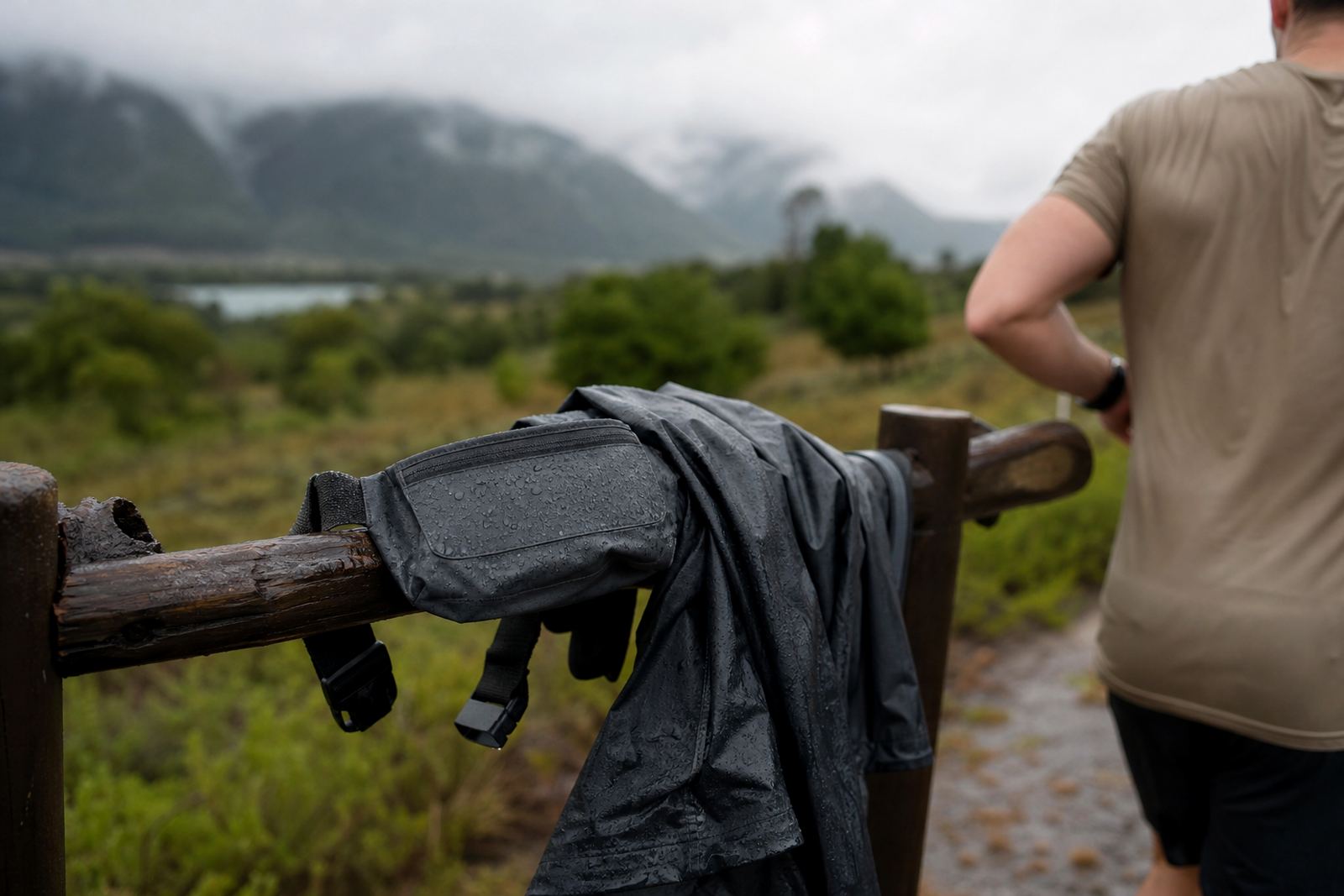
For local races in the Cape, weather can shift quickly. Stellenbosch mornings can start cool then turn hot by mid-morning, while coastal humidity in Durban can make runners feel flat earlier than expected. If you know the course has a long gap between aid stations, build your fuel plan around that gap, not around what you hope the conditions will be.
- Check where aid stations sit on the route profile
- Carry one extra fuel item for delays or slower splits
- Choose pockets that stay closed on rough ground
- Test the belt on hills, not just on flat roads
Road events reward quick, repeatable access
On the road, fuel access is often about rhythm. Many runners take small amounts at set intervals, for example every 20 to 30 minutes, so the body never hits a deep energy dip. If you can grab a gel without breaking form, you keep moving smoothly through the pack and avoid wasted time at water tables.
Event organisers also appreciate runners who arrive prepared. At busy races in Cape Town or Johannesburg, water tables can get crowded and bin zones can be tight. A runner who can carry a planned amount of fuel in a stable waist belt has more control and puts less pressure on aid stations. That is one reason club managers and event coordinators often ask for sizing help before race day.
How fit and comfort affect race-day performance
A belt only works if it stays comfortable when the body is working hard. It should feel secure from the first kilometre, not dig in after the first climb. The right fit sits flat, does not bounce, and can be adjusted while running if needed. If it rides up or pulls at the waist, runners start fiddling with it and lose focus.
Good fit is also about different body shapes and layers. In winter, runners may wear a light top or wind shell under the belt. In summer, sweat and heat can make a rough edge feel worse by the halfway mark. It is worth doing a proper product fit briefing before a race series or club event so the team gets the sizing right from the start.
- Test the belt with full fuel, not empty
- Try it with the clothes you will race in
- Run downhill, uphill, and at race pace during your test
- Make sure zip pulls and closures do not rub
Local race teams need simple planning that holds up
For race organisers, club captains, and event managers, fuel access is not just a runner issue. If you are planning a race pack insert, a crew kit, or a bulk order for a team, the layout has to be practical for mixed ability runners. Some participants want a minimal belt for a fast 10 km, others need space for multiple gels on a long trail effort. One size never works for everyone, and thats where sizing support saves time.
In Stellenbosch, many runners train on route profiles with sharp climbs and dry, hot afternoons. A local club might need repeat order support for a season, while a race event may need bulk planning for hundreds of participants across South Africa. The best approach is to match the belt, the fuel plan, and the event schedule before collection or dispatch, not after the start gun.
Keep the race plan simple and repeatable
The best fuel system is the one you can use under pressure. Choose a waist belt that lets you reach nutrition quickly, keeps weight steady, and suits the distance you are running. Then practise the same setup in training so race day feels familiar.
Whether you are racing through the streets of Durban, lining up in George, or tackling a trail outside Somerset West, quick fuel access can reduce stress and help you keep pace when it matters. The small details add up, and on race day those details can make the difference between holding form and fading late.