When less gear makes for a better run
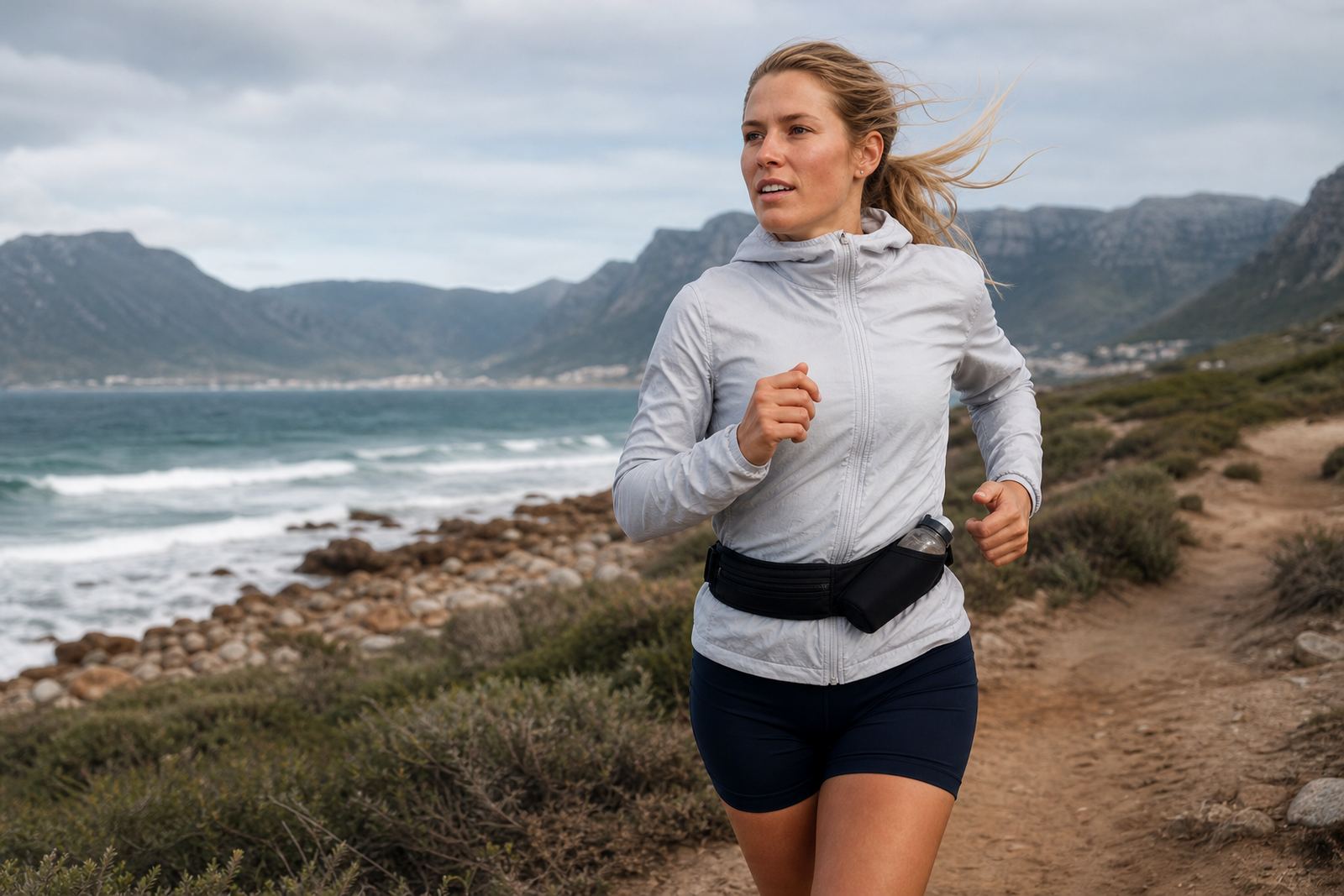
Not every outing needs a full hydration setup. On a 5 km road loop in Stellenbosch, a short trail lap on Jonkershoek side, or an easy weekday spin through Paarl, a lighter belt can be the better choice. You stay freer through the hips, your stride feels cleaner and you are less likely to overpack things you do not need.
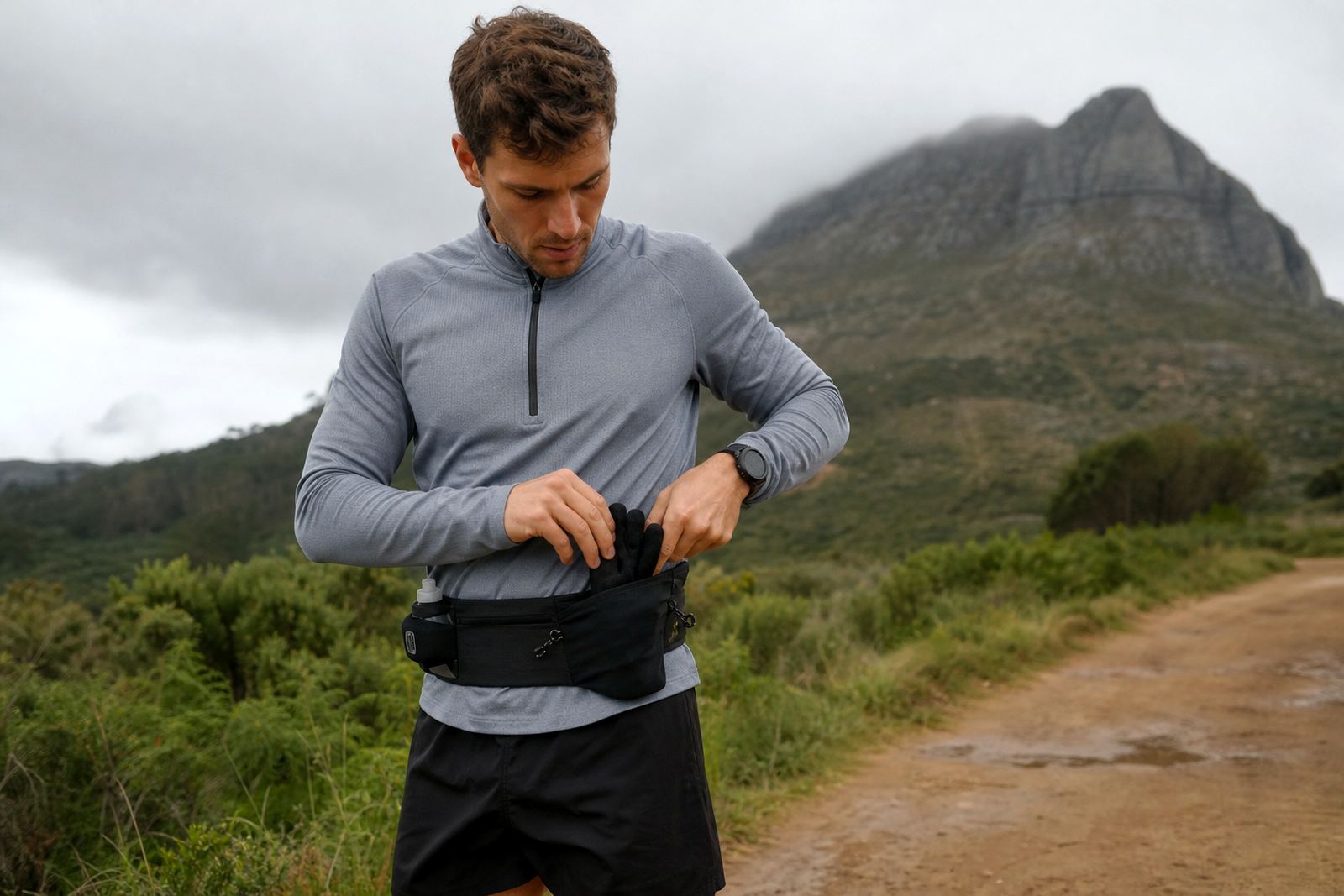
Essentials only training is useful for runners who already know their route and do not want a bulky pack for a simple session. It suits hill repeats, recovery runs, parkrun mornings and controlled efforts where carrying the basics is enough. The trick is choosing a belt that sits close to the body, holds steady and does not need constant adjusting.
What to carry and what to leave behind
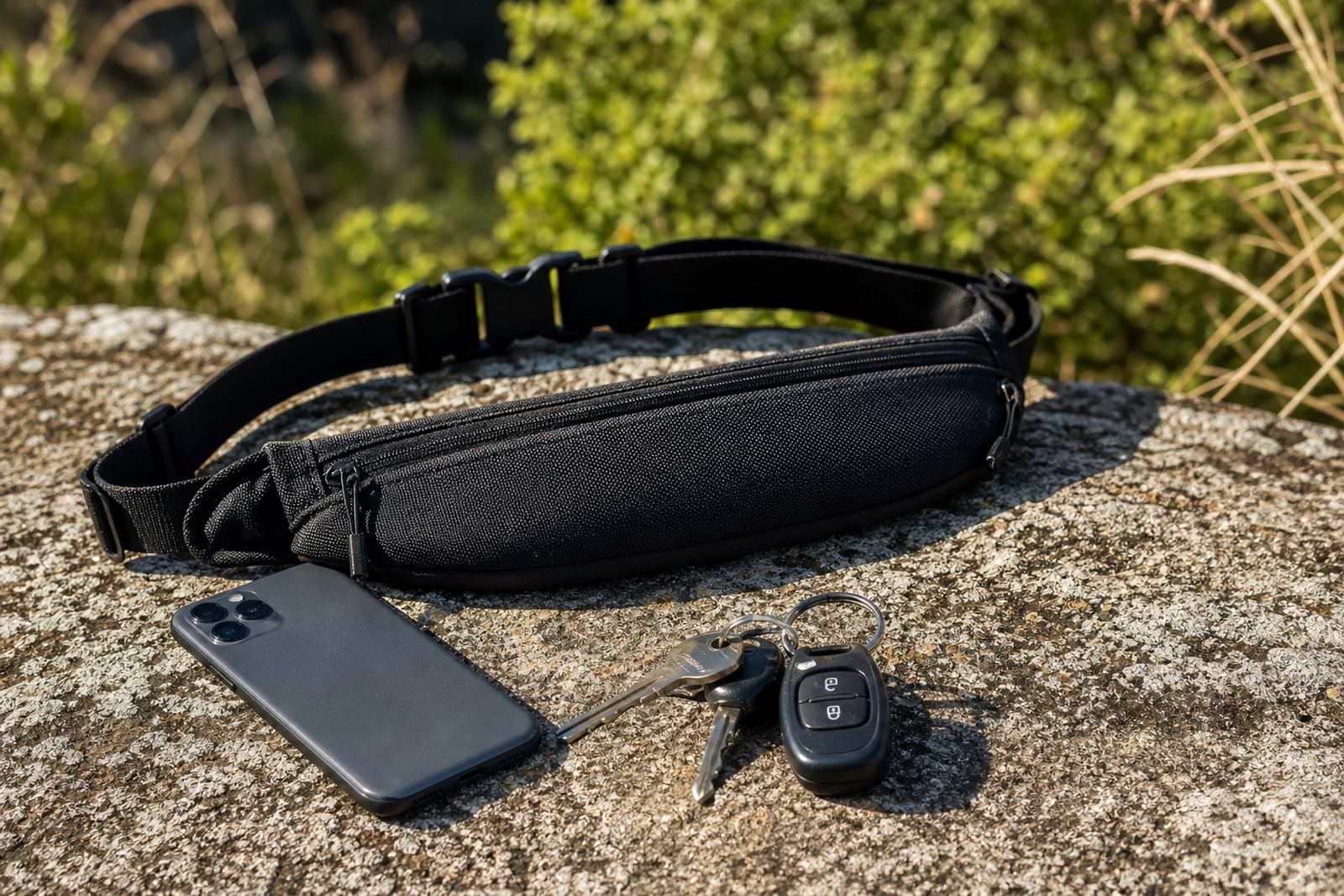
The purpose of an essentials belt is simple: carry what matters and leave the rest at home. If you are heading out for 30 to 60 minutes, you usually only need a small list of items. In hot weather across the Western Cape, a soft flask or a small bottle can help, but on cooler mornings a compact setup may be all you need.
- One set of keys
- Phone or ID
- One or two energy gels
- A small soft flask or compact bottle
- Emergency cash or a bank card
- Small asthma pump or medication if needed
Keep bulky items out unless they are really required. A belt that is half empty often moves more, and that is when bounce starts to get annoying. It is better to pack smart than to fill every pocket just because it is there, especially if you are running on the road and not stopping for anything.
Fit matters more than pocket count
A simple belt only works if it fits properly. If it rides up, twists or digs into your lower back, it will distract you by the halfway mark. Look for a snug fit across the hips, not the waist, and check that the storage sits flat once loaded. A good fit should feel secure when you start jogging and remain steady once you pick up pace.
For runners in humid places like Durban or warm inland afternoons in Johannesburg, breathable materials and a low profile design help more than extra padding. The belt should not trap too much heat and it should not shift every time you reach for a gel. Small fit issues become big issues once you are 8 km into a run and trying to hold rhythm.
- Test the belt with your real run items, not an empty pocket
- Wear it with the shorts or tights you normally train in
- Walk, jog, then do a few faster strides before deciding
- Make sure the buckle or closure sits where it will not rub
The right choice for race day basics
Race day is not always about carrying everything you own. For some events, a slim waist belt is enough for a phone, gel and a small flask, especially when the route has support stations. This is useful for participants who want their own few essentials close at hand and not in a hand bottle or loose pocket.
At local events around George, Cape Town or Somerset West, runners often prefer a neat belt for early start corrals and fast moving road races where they want as little fuss as possible. It can also help during trail events when you know the aid stations are close together and you only need a small top-up between them.
If you are planning for a club group or a race entry pack, a standardised essentials belt makes sizing and handing out far easier. It also keeps the group looking organised, which is useful when the event starts early and everybody is trying to find their kit at once.
Training through load-shedding, heat and long weekends
South African training is not always neat. Evening sessions can be pushed around by load-shedding, while summer mornings can be hot before sunrise. In those conditions, a belt that keeps the basics close is practical because you can head out quickly, get the run done and move on with the rest of the day.
For athletes juggling work, family and race prep, the belt becomes a small but useful piece of kit. It is easy to grab, quick to wear and simple to check before you leave home. That matters when you are squeezing in a session before traffic, school drop off or a weekend drive to a race venue.
It also helps on public routes where you do not want to carry more than necessary. Keep the essentials, leave the extras. That simple rule suits town loops in Stellenbosch, beachfront runs in Cape Town and park routes in Bellville where you want comfort and a plain, reliable carry setup.
How clubs and event organisers can use a basic belt
Clubs do not always need a premium hydration solution for every participant. Sometimes an essentials belt is the smarter option for newer runners, shorter race distances or warm-up duties. It gives people enough room for the basics without making the item too technical for first-time users.
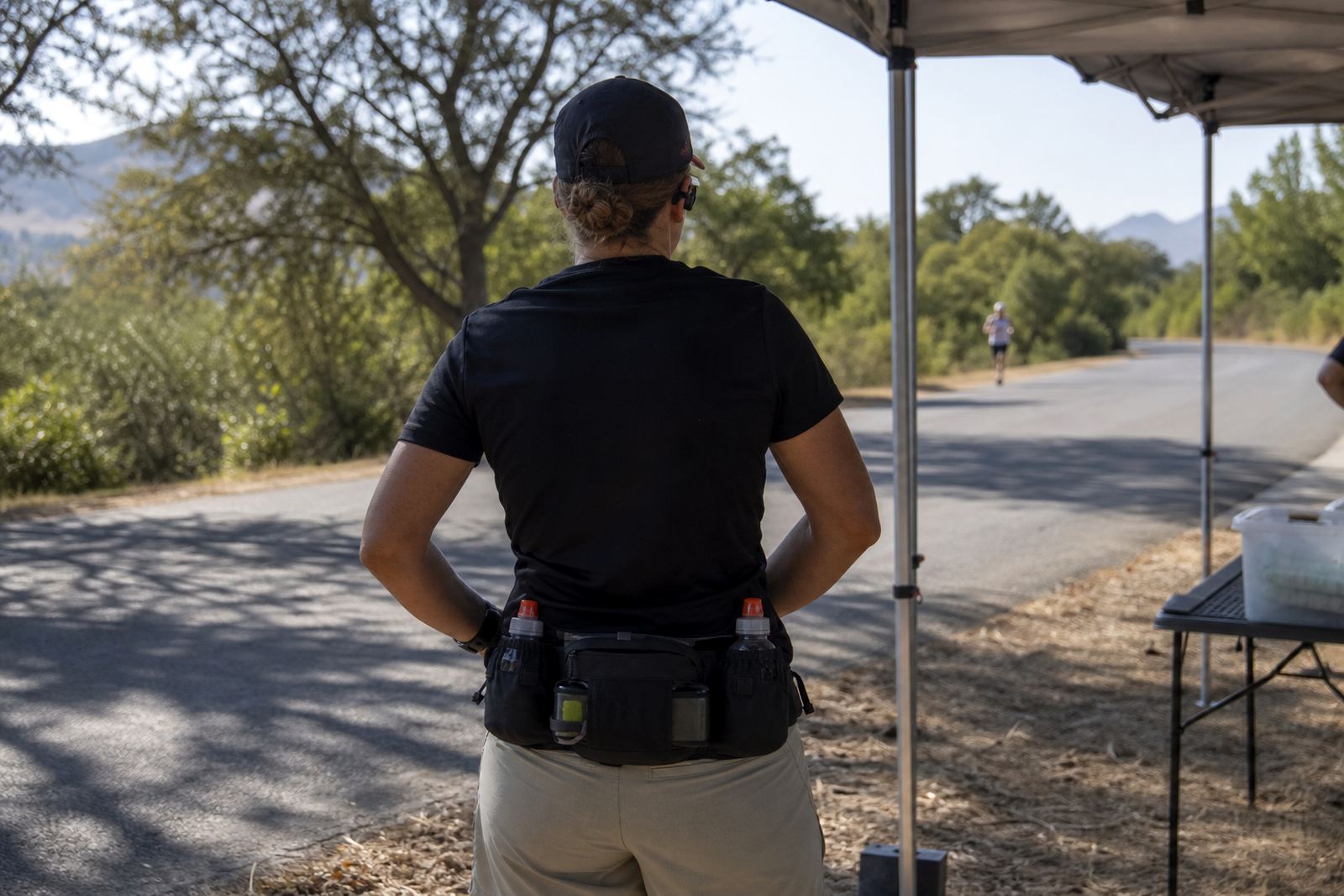
For event teams, a basic belt can also help with crew movement, setup runs and quick checks on route. It is easier to brief a group when the carry setup is simple. You can set out who needs a gel pocket, who needs a bottle slot and who only needs a phone and keys, then keep the rest the same.
- Short race distances where aid stations are frequent
- Club time trials and weekend training runs
- Volunteer, marshal or crew use at events
- New runner kits where simplicity matters most
When the goal is function rather than extra storage, a stripped back belt often does the job better. That saves time during issue and removes confusion on event day, which is useful when the line-up is already moving quickly.
Why a good basics belt still needs proper planning
A belt for basics may look simple, but it still needs proper thought. The pocket layout, closure style and carry balance all affect how it feels once you start moving. Even a short run can feel clumsy if the load is badly placed or the belt bounces with every step.
Waistbag Run works with runners, clubs and event organisers who want practical carry solutions for South African conditions. From Stellenbosch to Johannesburg and Durban, the aim is the same: keep the essentials close without adding unnecessary weight. A simple setup done properly can make the whole session feel easier, and that matters whether you are doing strides after work or heading out for a steady Saturday 10 km.
So if your training session only needs the basics, do not overthink it. Choose a belt that fits well, carries the right few items and stays put when you run. That is enough for plenty of sessions, and sometimes that is exactly the point.