
Why less can feel better on the run
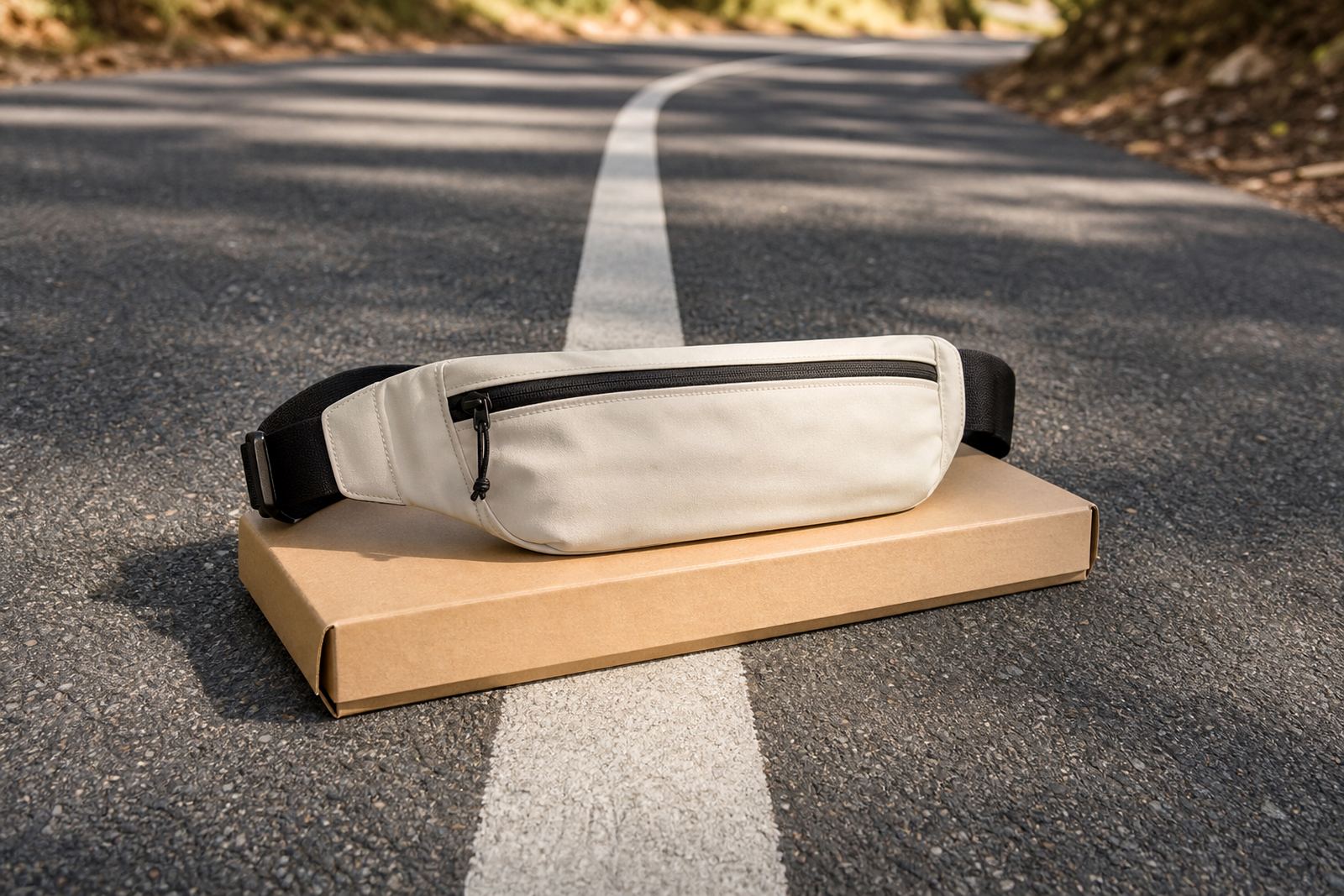
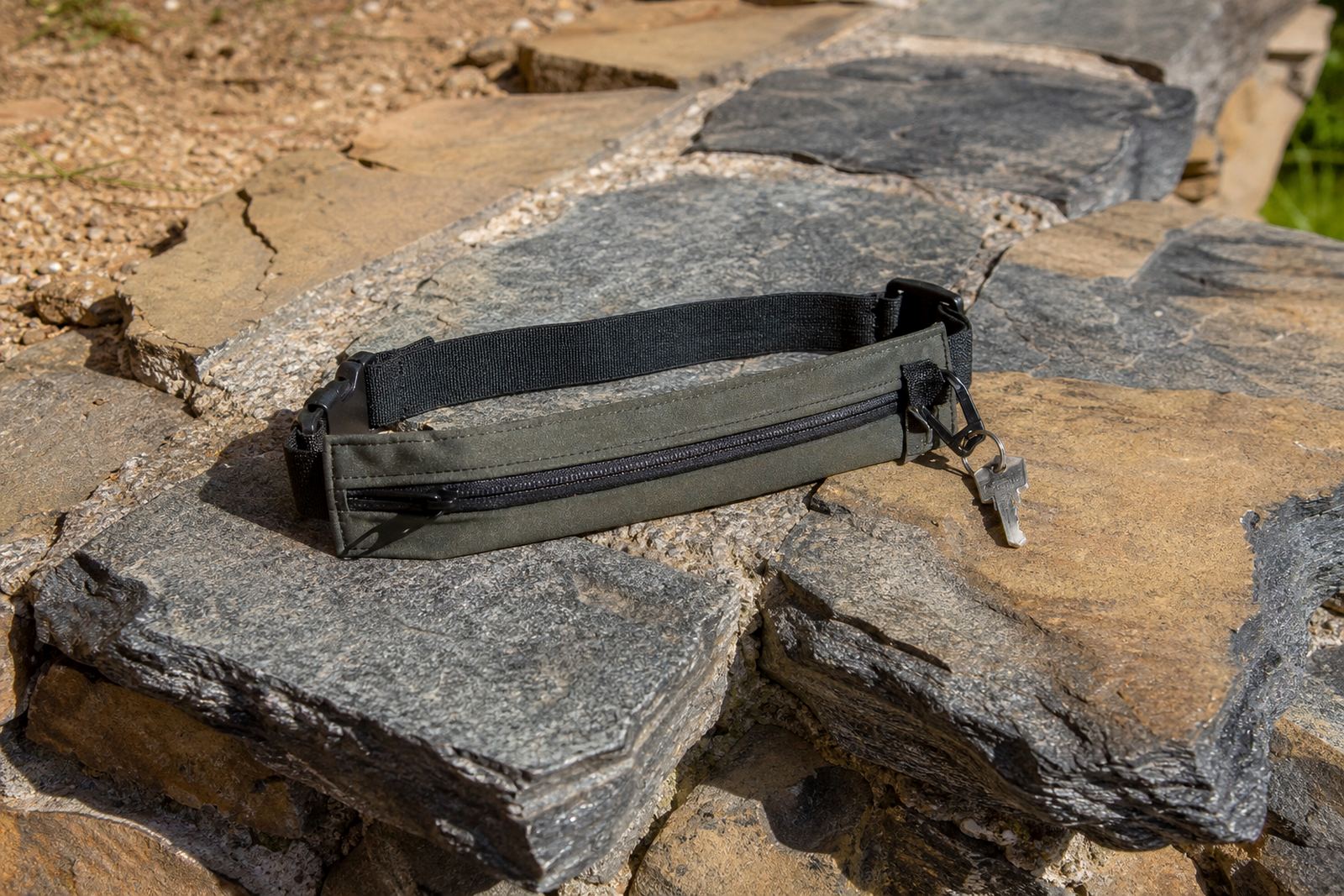
A smaller carry setup can reduce bounce, rubbing and the feeling that your kit is working against you. For runners who only need a key, one gel and a small water supply, a compact waist belt can keep the load close to the body and out of the way.
That matters on routes with plenty of turns, short climbs or sections where you want a clean stride. On a 10 km club run in Somerset West, for example, a light belt often feels more natural than a pack, especially when the wind picks up off the coast and you do not want extra bulk shifting around.
Minimal carry is not about going without. It is about taking only what you will actually use, then placing it where you can reach it without stopping. That is the whole point, and it suits many local runners who train after work and want to keep things simple.
- Less movement around the waist or lower back
- Faster access to gels, keys and small essentials
- Better comfort on shorter routes and racing days
- Less chance of overheating when the weather turns warm
When a minimal setup makes sense
Not every run needs full hydration and storage. If you are heading out for a 5 km road loop in Bellville, a parkrun in George, or a tempo session on familiar streets in Stellenbosch, minimal carry can be the right call. You keep your hands free, your kit light, and your attention on pace and footing.
It also works well when race support is already in place. Many organised events provide water tables at regular points, so carrying only a small reserve can be enough between stations. That reduces the amount of fluid you need to carry, which helps when you're pushing a solid race effort.
A light carry approach suits:
- Short road runs where water stops are close enough
- Trail routes with good access points and cooler weather
- Speed sessions where bounce would distract from form
- Race days with planned hydration stations
If the route is exposed, long or very dry, the calculation changes. On a hot afternoon near Paarl or on a long trail section outside Durbanville, a minimal kit can quickly become too little. The right answer depends on distance, pace and conditions, not just habit.
Trails, wind and heat change the decision
South African running conditions can shift quickly. A cool morning in Stellenbosch can turn warm by mid morning, while coastal humidity in Cape Town or Durban makes even a short run feel tougher. On trail routes, the decision to carry less should account for both the weather and the terrain underfoot.
When the route is technical, carrying too much can make balance harder. When the route is exposed, carrying too little can leave you dry before the next support point. The best runners think ahead and match the carry plan to the actual day, not the ideal one.
For trail runners and event participants, the main question is simple: what must stay with you, and what can wait for the next aid station or finish line? That can include hydration, phone, emergency contact details and a small nutrition item, but not much more on a shorter run.
- Hot days call for closer attention to fluid volume
- Wind can make loose items annoying and unstable
- Humidity can increase sweat loss even on moderate routes
- Technical ground rewards stable, close-fitting carry systems
How to trim your carry without getting caught out
There is a practical way to cut down your load without risking a bad run. Start by listing what you actually used on your last three outings. If a pocket was never opened, leave it behind next time. If you carried too much water and still arrived with half left, adjust down.
Small changes help most. Move bulky items out of your way, keep the weight centred, and choose just enough hydration for the route. A waist belt should stay snug without digging in, and it should remain steady when you pick up the pace or climb a hill.
Use this checklist before you head out:
- Route length and expected finish time
- Temperature, wind and humidity
- Water points or support along the way
- Keys, phone and any emergency details
- One or two nutrition items, not a full stash
If you run early before sunrise, or after load-shedding has pushed your training later in the evening, keep visibility and safety in mind too. Minimal carry should never mean leaving out the items you need to get home safely.
A Stellenbosch example from race week
At a Stellenbosch trail event, runners often face a mix of sharp climbs, shaded sections and warmer open ground later in the morning. One group may be racing hard with water stations every few kilometres, while another is moving at a steadier pace and using the same route for a long training run.
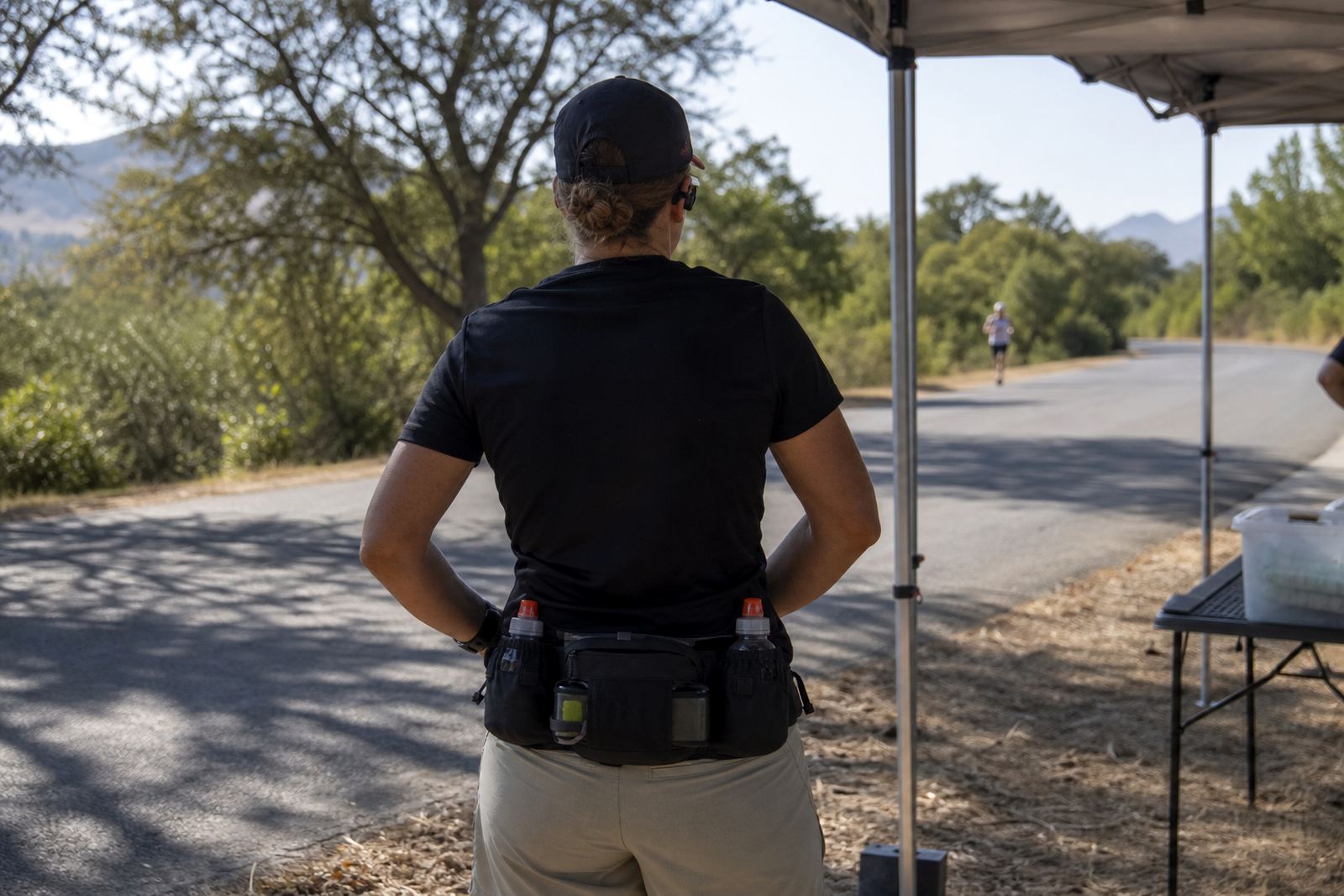
The racing group can usually keep things light. A close-fitting waist belt with a small hydration bottle, one gel and a phone is enough for many of them. The training group might need a little more, especially if they are out for longer and plan to finish well after the front pack has gone through.
That is where event planning helps. For organisers and clubs, sizing support and clear belt allocation can keep participants comfortable and reduce last-minute changes on the morning of the event. A good carry plan also helps with race pack inserts and crew kits, because the right kit should match the route, the weather and the support layout.
The point is comfort, not just minimalism
Minimal carry only works when the belt stays comfortable from start to finish. If it bounces, twists or sits too high, the run becomes more tiring instead of less. The goal is simple, steady support that lets you move naturally.
For some runners, that means choosing the smallest possible setup. For others, it means carrying a little more so they do not stop, slow down or worry about running out of water. There is no prize for carrying less than needed. The better choice is the one that matches the route and keeps you moving.
Used well, a minimal setup can make training days easier, race mornings calmer and trail outings less cluttered. It suits South African runners who know that a clean, well-fitted belt is often enough when the weather and route are on your side.