
Why trail and road runners carry their gear differently
On a road run, the route is usually smoother, the pace is steadier and stops are less frequent. That means many runners want a lighter belt with just a soft flask, keys and a gel or two. On trail, the surface changes underfoot, you may climb, descend and duck around rocks or single track, so the belt needs to stay put when your stride shortens or quickens.
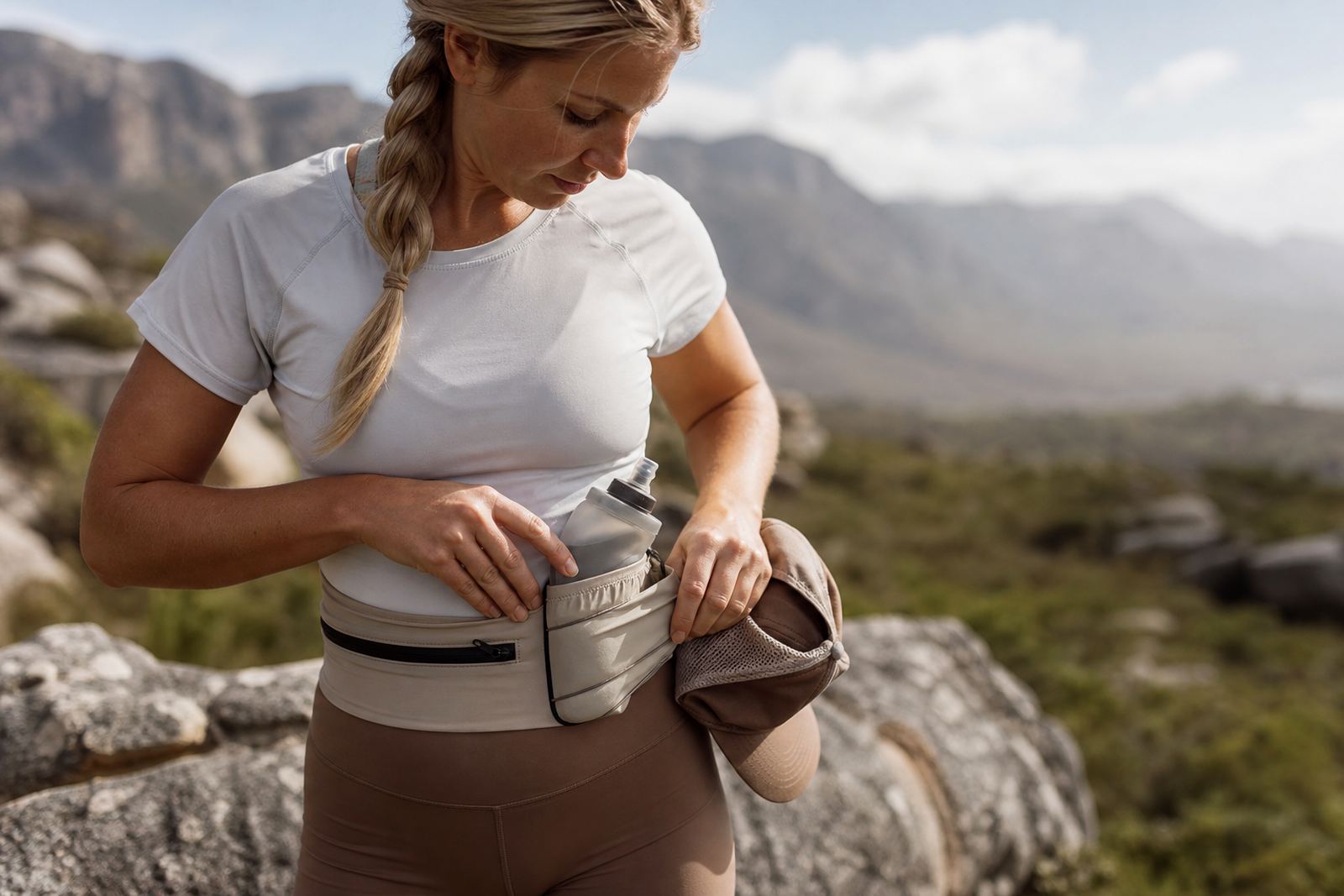
A good running belt should feel settled at the hips, not like it is riding up every time you take a drink. Trail runners often need a bit more storage for nutrition, a phone, a small shell or a mandatory race item. Road runners normally look for quick access and less movement. The right answer is not about having more pockets, it is about what you need within easy reach.
What road runners usually need from a belt
For road racing and training, the main aim is low bulk. A narrow belt with a close fit works well for 10 km, half marathon and marathon sessions where you want to keep your shoulders free and your stride natural. If you are running in Stellenbosch in summer or on a windy day near the coast, less bounce matters even more because a loose belt becomes annoying fast.
- One soft flask or a slim hydration option for longer runs
- Space for a phone, keys and one or two gels
- Simple closure that is easy to adjust before a start
- Reflective detail for early morning or evening road work
Road runners often prefer a belt that disappears once it is on. If you stop often to tie a lace, check pace or take a photo, a layout with fewer compartments usually makes life easier. For club runs and city events, a cleaner setup also keeps bibs and timing chips clear.
What trail runners need when the route gets rough
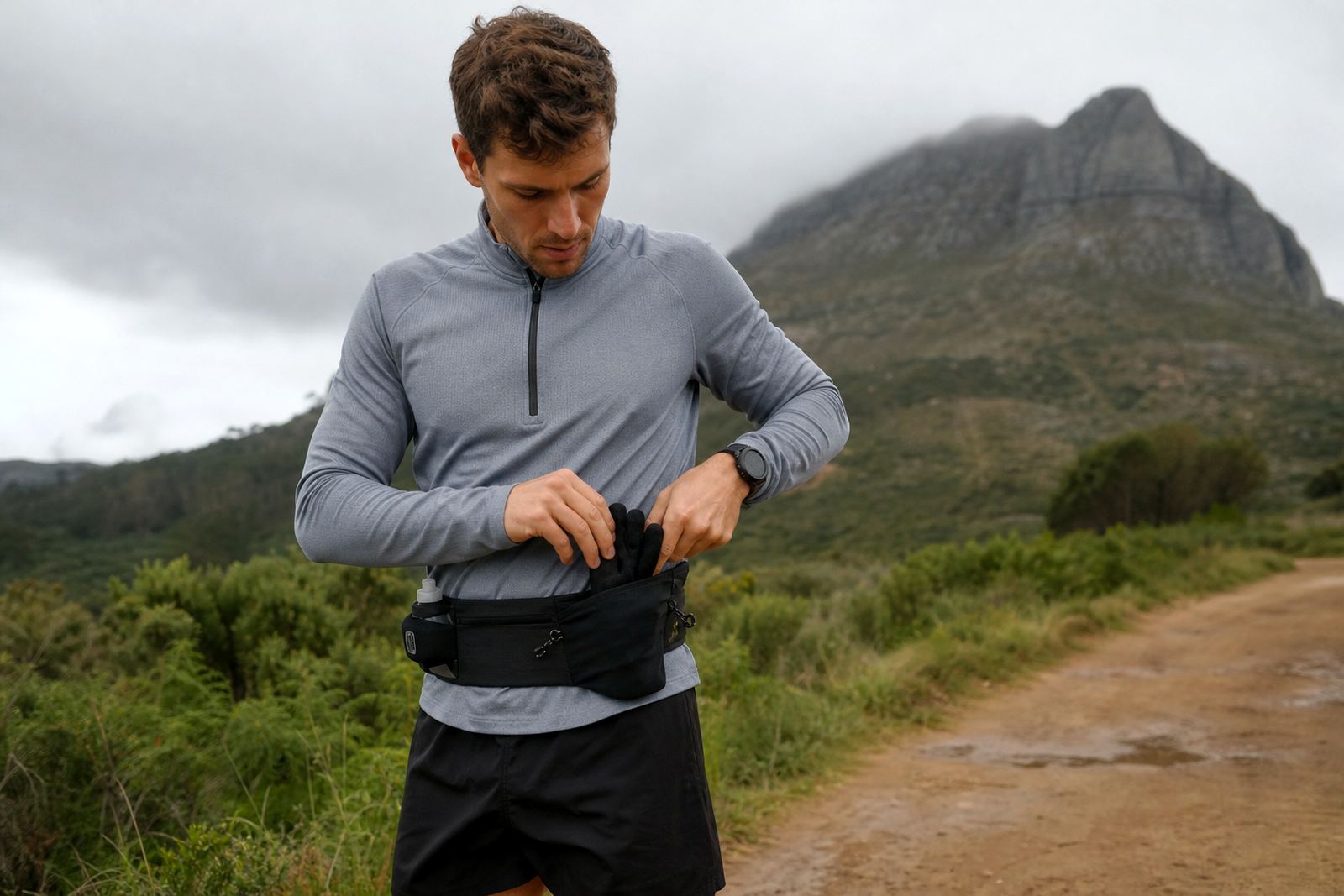
Trail running changes the job completely. On dirt paths, mountain routes and uneven ground, the belt has to hold firm while you are climbing, leaning forward and moving over loose rock. If it shifts, the load on one side can throw off your rhythm. That is why trail belts often use more snug compression and better weight distribution.
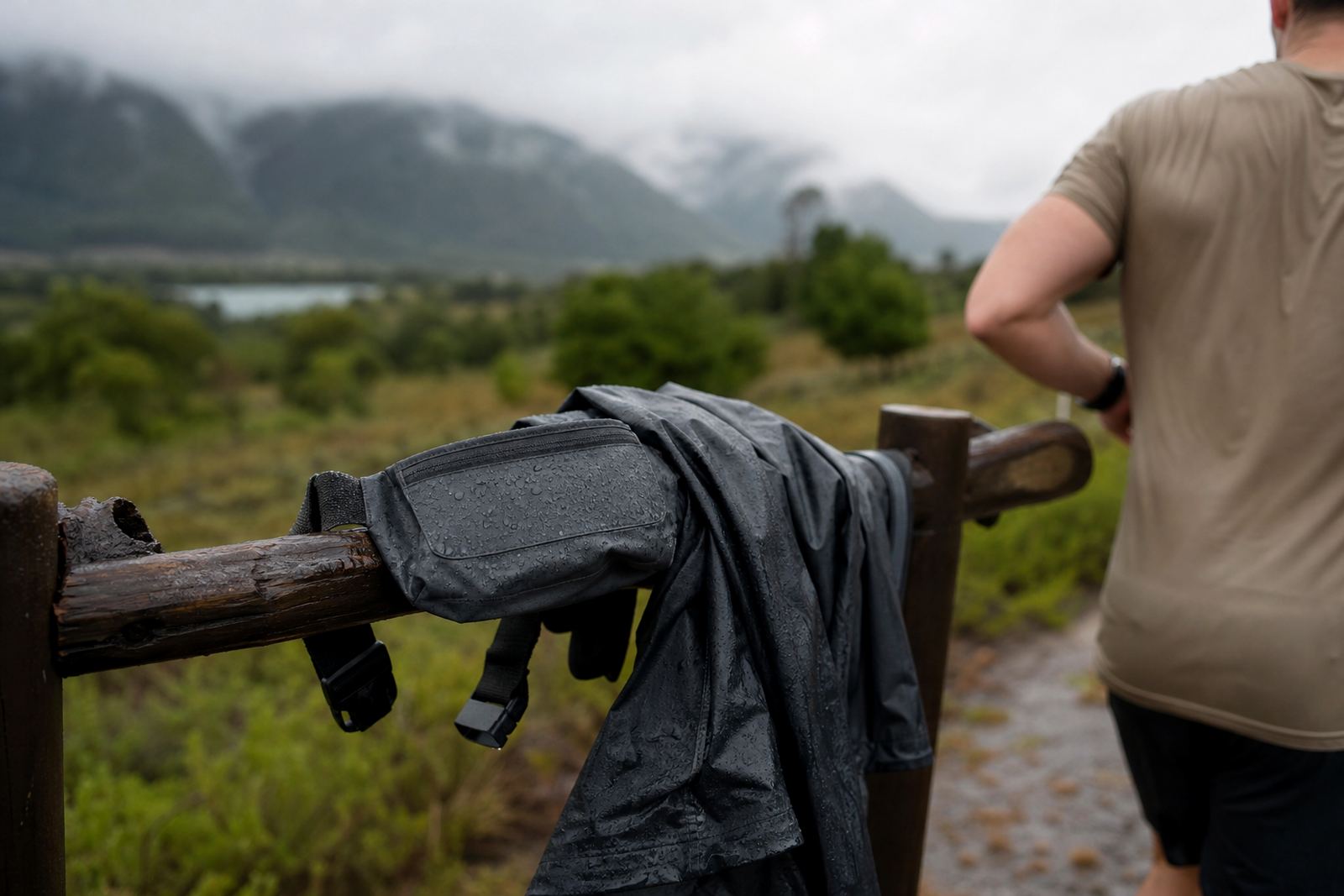
Trail runners also tend to carry more. Water, electrolytes, snacks, a buff, a whistle, a compact rain layer and sometimes a safety item all need a place. In dry Western Cape conditions or on warmer inland routes, hydration layout matters because you need to drink without slowing down too much.
- More secure fit for descents and technical sections
- Balanced storage so one side does not pull down
- Easy flask access without removing the belt
- Room for race-mandated items on longer events
How surface and pace change the best belt layout
The best belt layout often depends on how you move, not just where you run. Faster runners usually want a simpler setup because too many items can create bounce. Slower runners, or those training for long trail events, may prefer extra storage and a wider belt because they are carrying more and stopping less predictably.
Here is a practical way to think about it. Smooth road, shorter distance, quick pace: keep the belt light. Rough trail, longer distance, variable effort: add structure and support. If you are doing hills around Jonkershoek or a road session through Paarl, the same belt may still work, but the load should be packed differently.
- Flat road route: minimal carry, tighter fit
- Hilly trail route: balanced load, stronger hold
- Mixed race event: space for hydration plus a few essentials
- Training group run: quick access for nutrition and phone
Common mistakes that cause bounce and discomfort
Most belt problems come from fit and packing, not the product itself. A belt that is too loose will slide. One packed unevenly will twist. A full flask on one side and a phone on the other can create a wobble you feel after only a few kilometres. In humid Durban conditions, a poor fit becomes uncomfortable very quickly, especially if the belt absorbs sweat and starts to shift.
Check these basics before race day. Wear the belt over the same kit you plan to race in. Fill it with the same items you will actually carry. Move, jog and do a few short strides. If it still feels stable after that, you are on the right track. If not, change the loadout before the start line, not during the event.
- Do not overpack one side only
- Do not guess your race-day size
- Do not test a new layout for the first time on race morning
- Do not ignore rubbing at the lower back or hips
A Stellenbosch example: trail series vs city road race
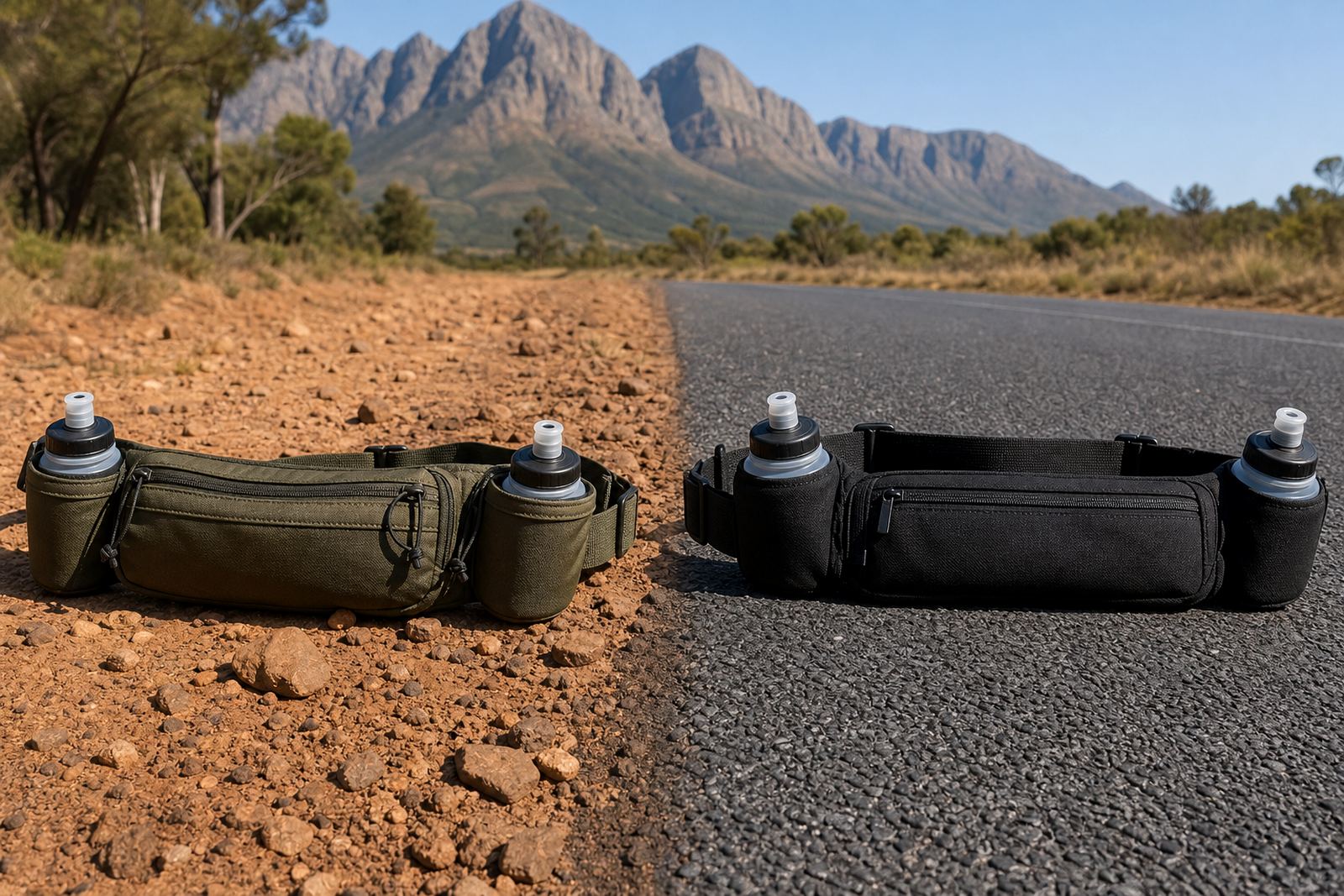
A runner based in Stellenbosch might use one belt for a Saturday trail session on Tygerberg-style single track and another for a Sunday road tempo around the town centre. The trail setup may carry two flasks, snack fuel and a wind layer because the route is longer and more changeable. The road setup might use one flask, keys and a gel, keeping the profile low for speed work.
That kind of split is common across South Africa, from Cape Town to Johannesburg and George. Race organisers also see the difference. Trail events often require more storage and clearer hydration access, while road events place more value on a clean fit and fast entry to nutrition. If you manage club orders or event kits, it helps to think in terms of use case first, then size.
Choosing the right belt for your next event
If you are unsure where to start, match the belt to the surface, the duration and how many stops you expect. Road runners should lean toward lighter layouts with less bulk. Trail runners should look for better stability, more secure carry and enough storage for the full route. For mixed teams, it often makes sense to offer a few fit options rather than one catch-all style.
For clubs, race organisers and events teams, sizing support can save a lot of exchange work later. A proper fit briefing before bulk orders, plus clear guidance on where each item sits, helps runners arrive ready. If you need help planning belt layouts for participants in Cape Town, Stellenbosch, Johannesburg, Durban or George, it is worth getting the sizing and hydration plan right before the packs go out.