Why phone carry becomes a problem on the move
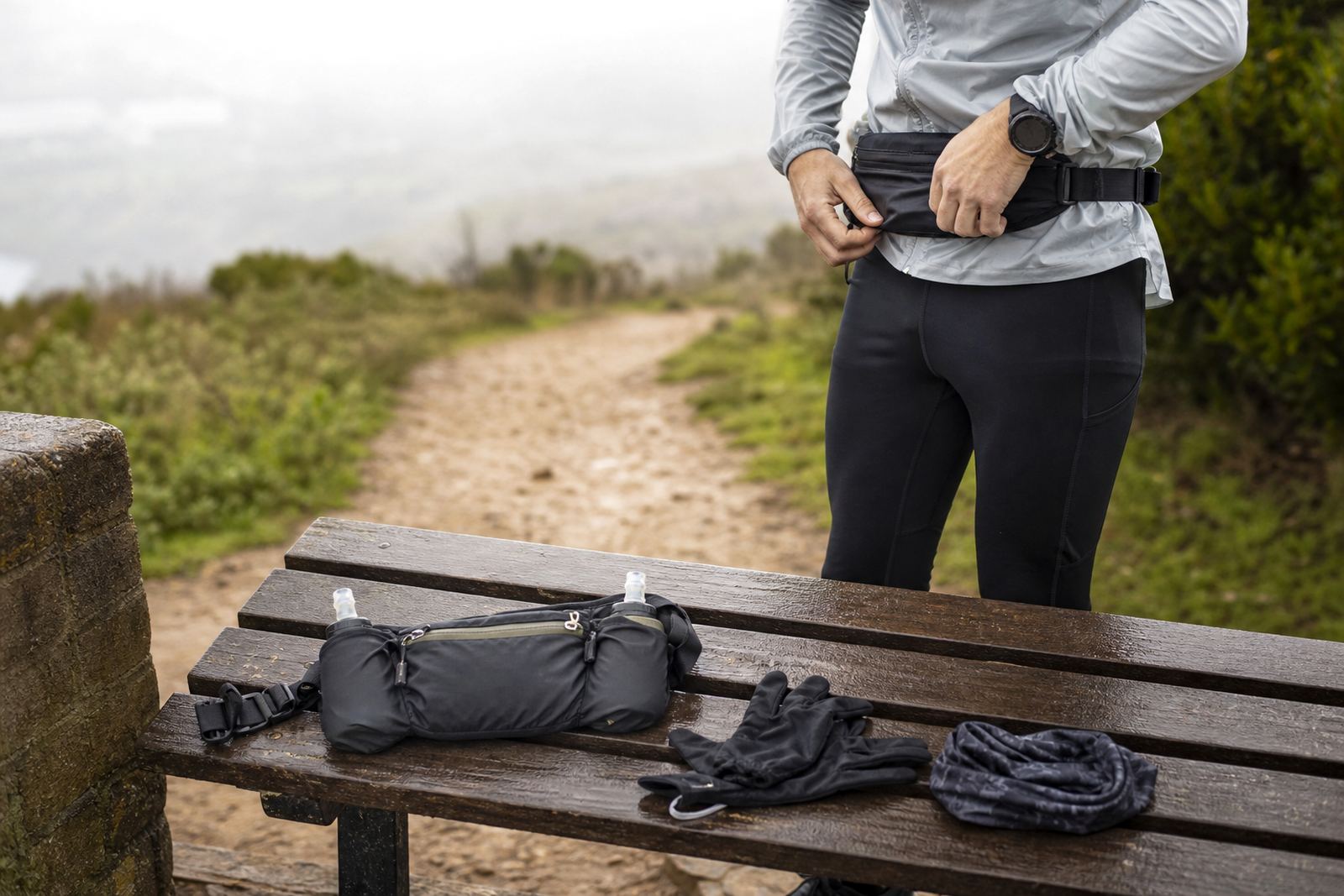
Most runners learn the hard way that a phone in a shorts pocket can be more trouble than it is worth. It swings, taps against the leg, and often feels worse as the run gets longer or the pace picks up. On a trail route outside Stellenbosch, that movement can become a distraction on rough ground, while on a road loop in Bellville it can turn into a constant irritant before you even reach the halfway point.
A well-sized pocket changes that by keeping the phone flat against the body. The aim is not just storage, it is control. When the phone is secure, you stop thinking about it and can focus on breathing, footing, pace and the next water point.
What makes a good phone pocket in a running waist belt
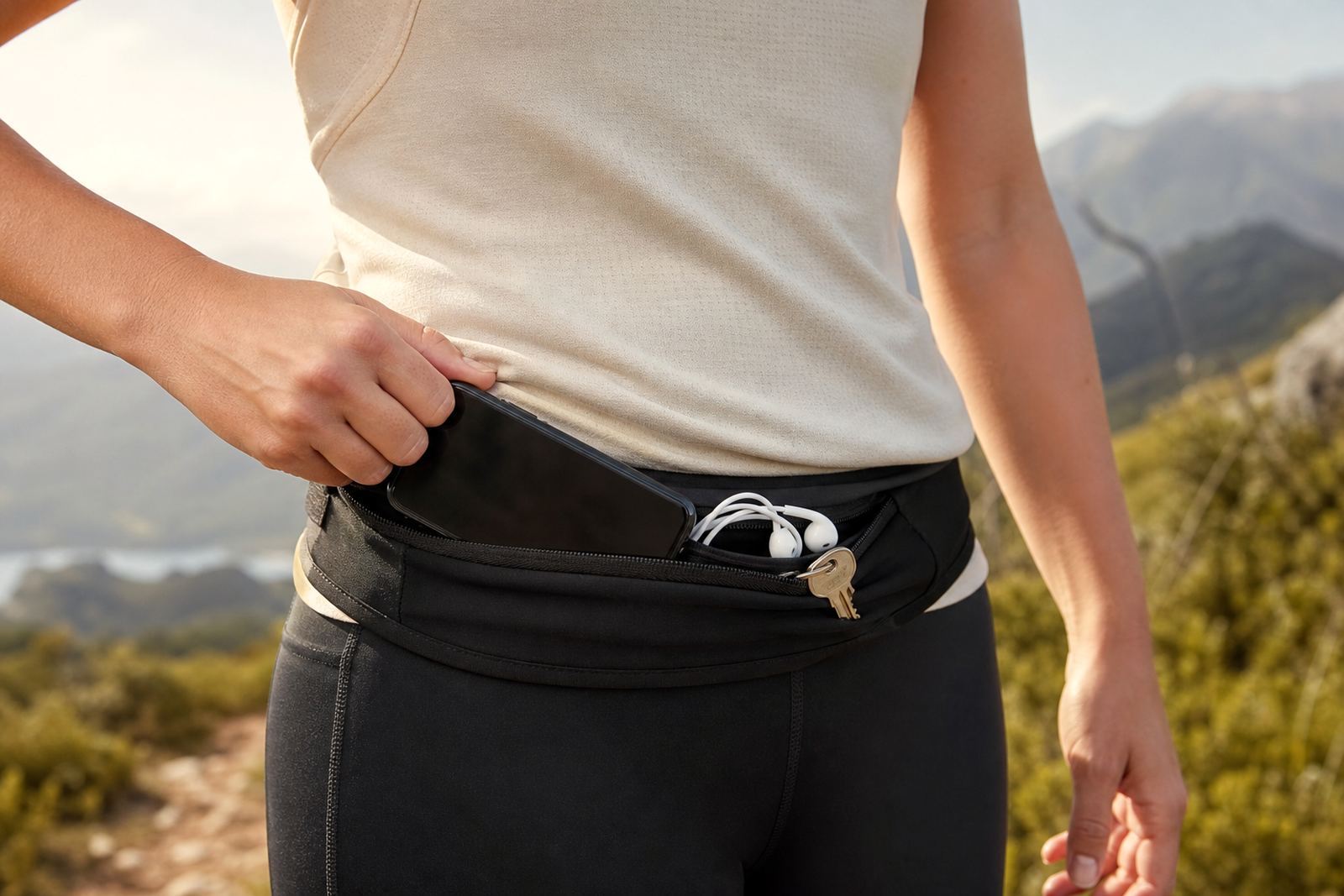
A useful phone pocket should be snug enough to hold the device steady, but not so tight that you fight with it every time you need to check a split or a message. It should also sit where your hand can reach it naturally, without twisting your torso or digging through other items.
- A snug opening that does not let the phone bounce out on uneven ground
- Enough depth to cover the full device, including a slim protective cover
- A low profile so it does not press into the stomach or hip
- Easy access with one hand, even when you are slightly out of breath
- Material that stays comfortable in heat, humidity and sweat
In Cape Town and along the coast, sweat and wind can change how a pocket feels during a long run. In Durban, humidity can make some materials feel sticky and heavy, so a pocket that sits cleanly and dries quickly matters more than people expect.
The balance between carry space and movement
It is tempting to choose the biggest pocket available, but more space is not always better. If a pocket is too loose, the phone shifts from side to side. If the belt carries too much extra kit in the same section, the device can press against a bottle, key clip or packet of gels and become uncomfortable.
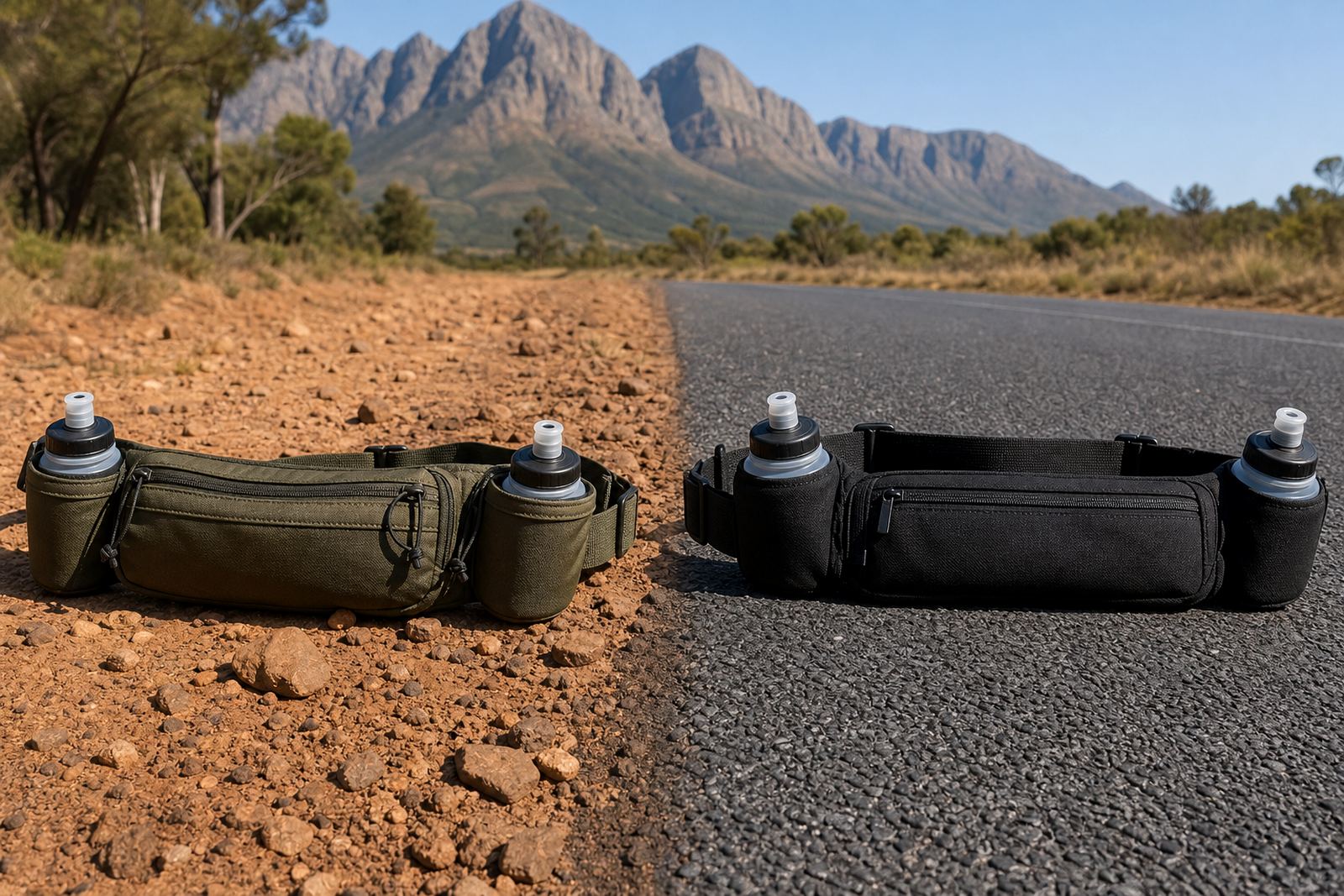
The better setup is a pocket sized for the phone first, then arranged around the rest of your carry needs. That might mean keeping the phone separate from keys and nutrition, or choosing a belt layout that leaves the phone on the front and the heavier items around the sides. For long race mornings, that bit of planning saves time and keeps the belt balanced.
- Keep the phone in a dedicated pocket where possible
- Place heavier items away from the phone pocket to reduce bounce
- Test the belt with your full kit before race day
- Check that the pocket still closes properly when the phone is in a cover
How local conditions affect comfort on South African routes
South African runners deal with a wide spread of conditions. A winter trail in Stellenbosch can start cool and finish warm, while a summer morning in Johannesburg may begin dry and become hot quickly. A phone pocket needs to stay comfortable through those changes without making the belt feel bulky or rigid.
Load-shedding also changes how runners plan their sessions. Many people head out early before work, often with a phone in case of route updates, safety calls or race communication. In that setting, the pocket needs to keep the phone secure on the move and easy to reach at a stop, without slowing the run. The same applies at a local 10 km in George or a club training session in Somerset West where runners want their hands free but their phone close by.
Sizing the pocket for the device you actually use
Phone sizes vary a lot, and a pocket that suits one model may be awkward for another. It helps to think about the phone as you really carry it, not just the size on the box. If you use a cover, that extra thickness must be included. If the device is large, the pocket needs enough depth to keep it from sitting too high or pulling at the opening.
For event organisers and clubs, this matters even more because not every runner carries the same device. When planning waist belts for a field of participants, a practical fit briefing can prevent a lot of complaints later. It is simpler to match the pocket to the actual phone shape and size than to assume one fit suits everyone.
- Measure the phone with its cover on
- Check whether the pocket holds the device flat or lets it tilt
- Make sure the opening is easy to use with tired hands
- Test the pocket during a few short runs before a longer event
A Stellenbosch example from training to race day
Take a trail runner training on the slopes near Stellenbosch and then lining up for a road race in Paarl the following weekend. On the trail, the phone may be needed for navigation, timing or an emergency call. On race day, it may simply need to stay secure while the runner concentrates on pace and hydration. In both cases, the same issue applies: if the pocket shifts, the runner notices it more than the run itself.
A belt that carries the phone close to the body, with enough room for a key or gel and no excess flop, solves that problem in a practical way. It also helps race marshals and event teams who need to keep their hands free while still carrying a phone, pass or small notepad during the day.
What to look for before you place a bulk order
For clubs, races and event teams, phone carry needs to work for a mixed group. One runner might want a pocket only for a phone, while another needs space for a phone, gel and a small bottle. That is why sizing, layout and use case should be checked before an order goes out.
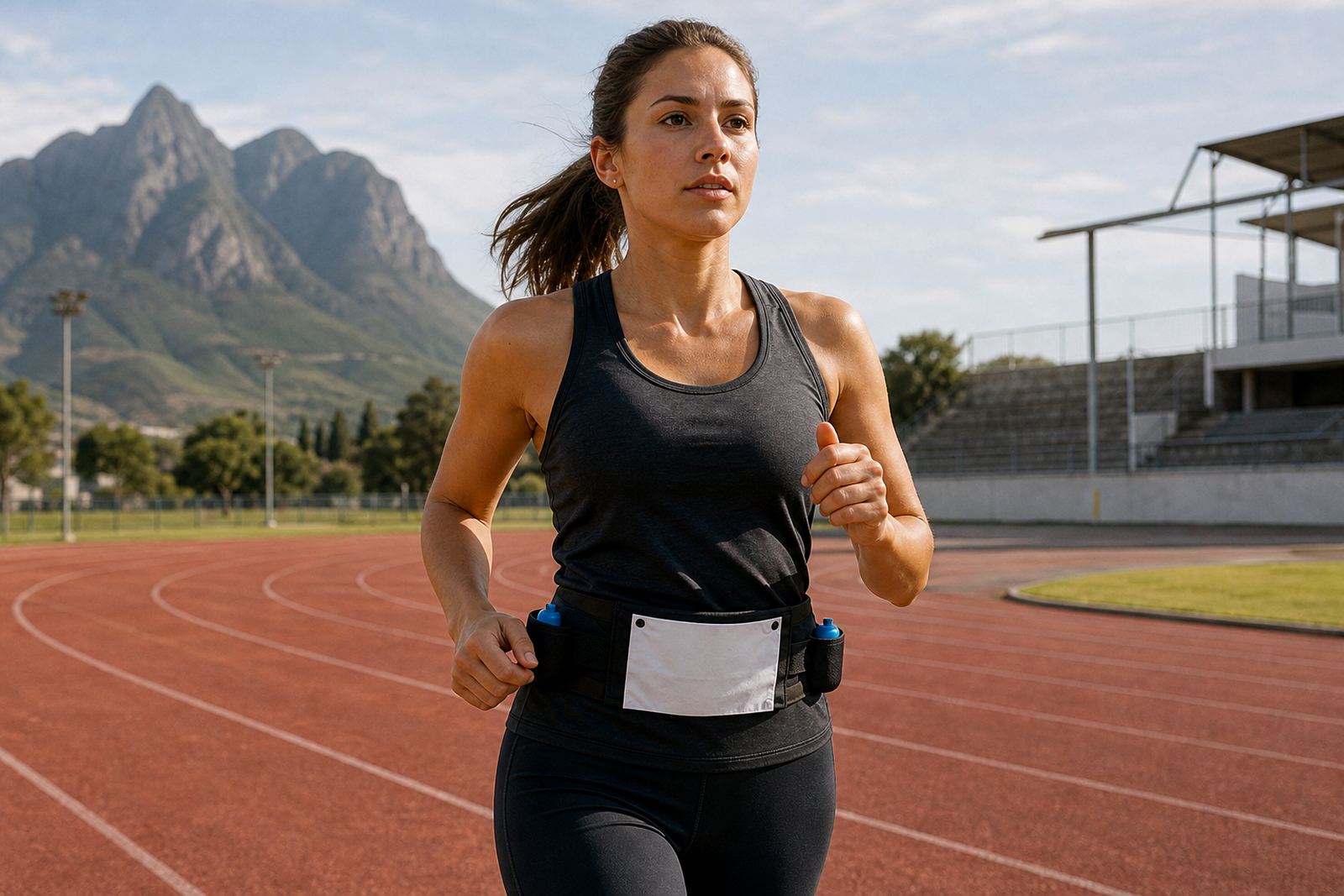
Good planning starts with the route, the event format and the type of runner. A 21 km event in Durban may need different packing habits from a trail series in George or a corporate fun run in Johannesburg. When the belt layout matches the runner's actual needs, the phone stays put and the rest of the kit follows naturally.
- Confirm whether the phone pocket must fit covers, cards or keys
- Ask how the belt will be used on training days versus race day
- Check how the pocket performs when the belt is full
- Allow for repeat orders if your club or event keeps the same format
In the end, phone carry should feel like it is not there. That is the sign the pocket is doing its job properly.