
Why volunteers need a proper belt on race day
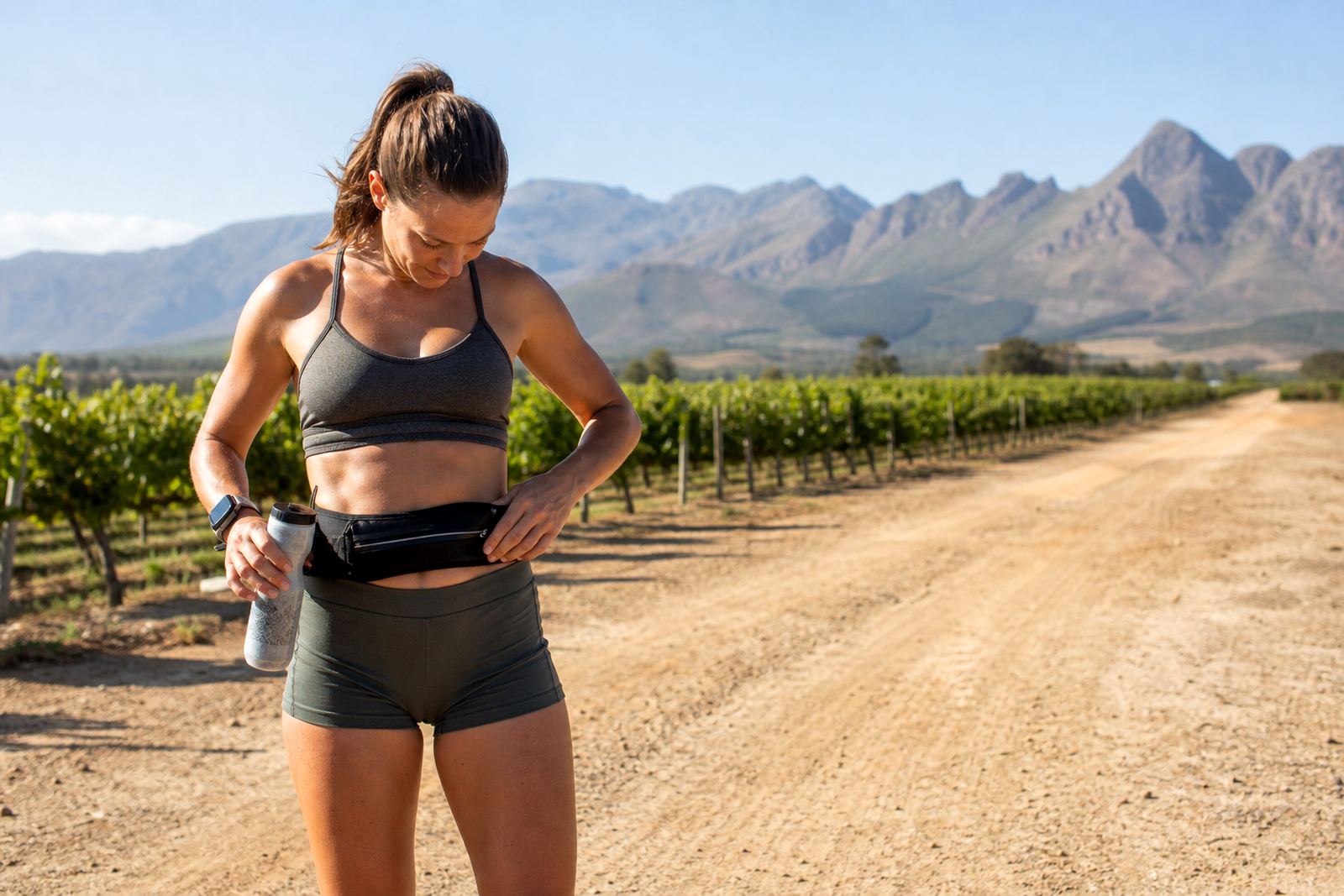
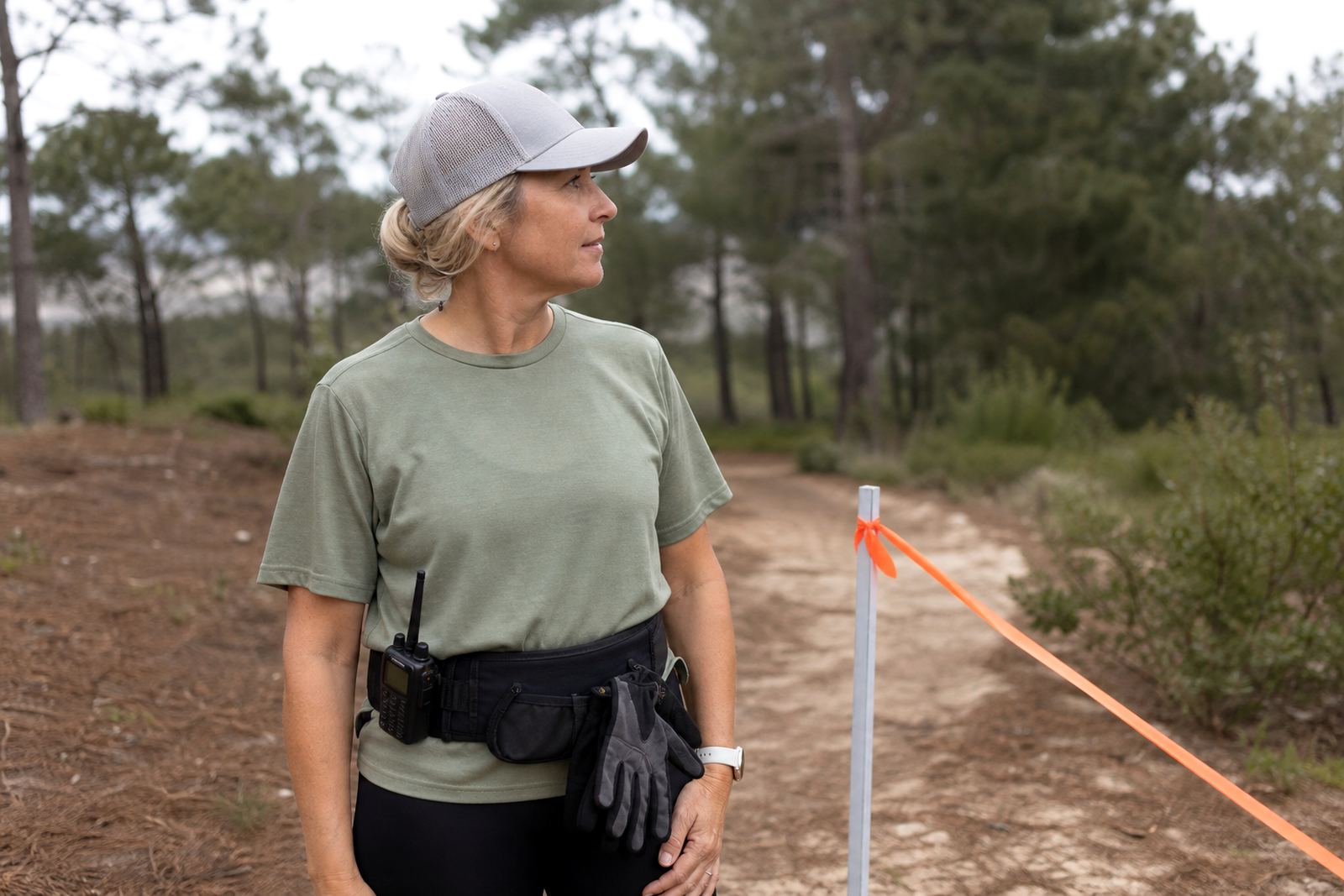
Volunteer work at a running event is fast paced. One minute you are checking a start pen, the next you are pointing runners towards a water table or helping a tired participant find the finish chute. A good volunteer belt keeps the things you reach for all day in one place, so you are not juggling a radio, a packet of plasters and a folded course map in your hands.
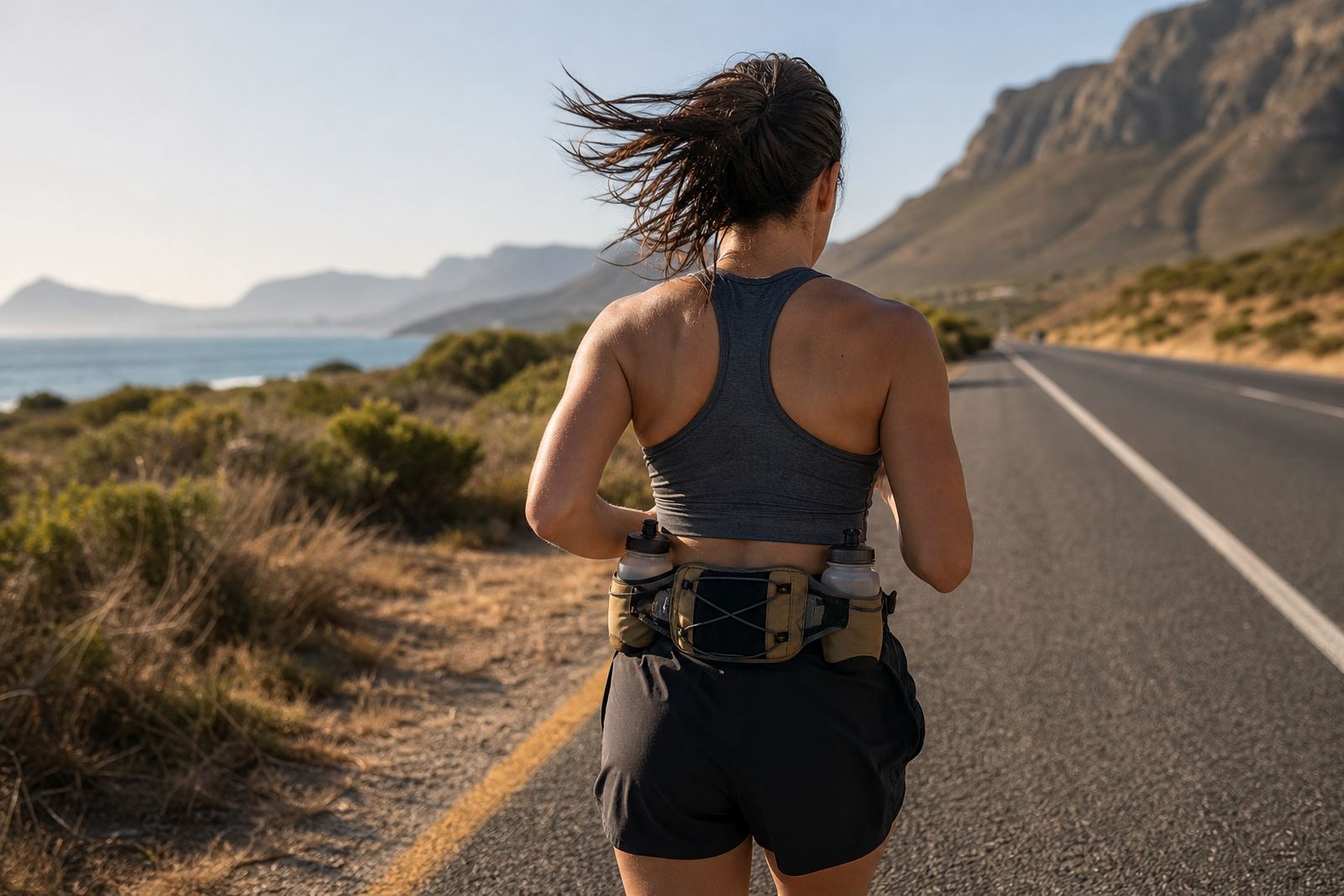
In South African events, conditions can change quickly. A windy morning in Stellenbosch can turn into a warm midday finish, while a Durban race may mean heat and humidity from the start. A belt gives volunteers a simple way to carry the basics without a bag slung over the shoulder. That matters when you are walking the course, standing for hours or moving between marshal points.
For organisers, the belt also helps with consistency. Every volunteer knows where the equipment is kept, and it is easier to brief a team when the layout stays the same across the whole event. That saves time during sign-in and cuts down on small mistakes.
What volunteers usually carry in a belt
The best setup is not overloaded. A volunteer belt should fit the task, not become a second backpack. For most race-day roles, the essentials are light and practical.
- Two-way radio or phone for event communication
- Gloves for handling cones, bins or aid station items
- Route notes and timing instructions folded small
- Marker pen, cable ties or tape for quick fixes
- Small notepad and pencil for reporting issues
- Energy snack or a small bottle for long shifts
- Basic first aid items where allowed by the event plan
It helps if the belt has separate pockets so hard items do not knock against each other. A radio clip that sits securely is especially useful, because loose gear can bounce when a volunteer is moving between points. If a team is supporting both runners and spectators, quick access becomes even more important.
How fit affects comfort during long shifts
Volunteer shifts often last longer than people expect. Parking support, start line control and finish area help can stretch over many hours, especially at bigger races in Johannesburg or Cape Town. That is why fit matters. A belt that sits too high can ride up when walking. One that is too loose can shift when you bend to pick something up. The aim is a snug fit that stays put without squeezing.
Good fit also helps with comfort when the weather changes. On cooler mornings, volunteers may layer up. Later, they are down to a light shirt and need the belt adjusted a notch. Teams should check sizing before the event, especially if the same kit is being issued to different people across the season. A quick product fit briefing can save a lot of trouble on the day.
When a belt is fitted properly, volunteers can move freely through crowded zones, climb gentle trail sections and crouch beside a runner without fuss. That keeps the focus on support, not on equipment slipping around. It sounds small, but after six hours on course it makes a big differance.
Useful belt setups for different volunteer roles
Not every volunteer does the same job, so the belt should match the role. A marshal at a split point needs different gear from someone handing out water or managing a crew near the finish. Here is a simple way to think about it.
- Course marshal: radio, whistle, route notes and a small torch for early starts
- Aid station helper: gloves, tape, marker pen, spare cups note and hand sanitiser
- Finish area volunteer: gloves, cable ties, notepad and spare race tag clips
- Trail support volunteer: map notes, radio, small snack and weather protection item
- Entry gate or packet area helper: list sheets, pen, label strips and quick reference instructions
A belt can also be colour coded for different teams, which is helpful at larger events. A yellow belt might be for route marshals while a blue one is for aid station crews. That makes it easier to spot the right person at a glance, especially when the event is spread across roads, paths and open ground.
Local event example from Stellenbosch trails
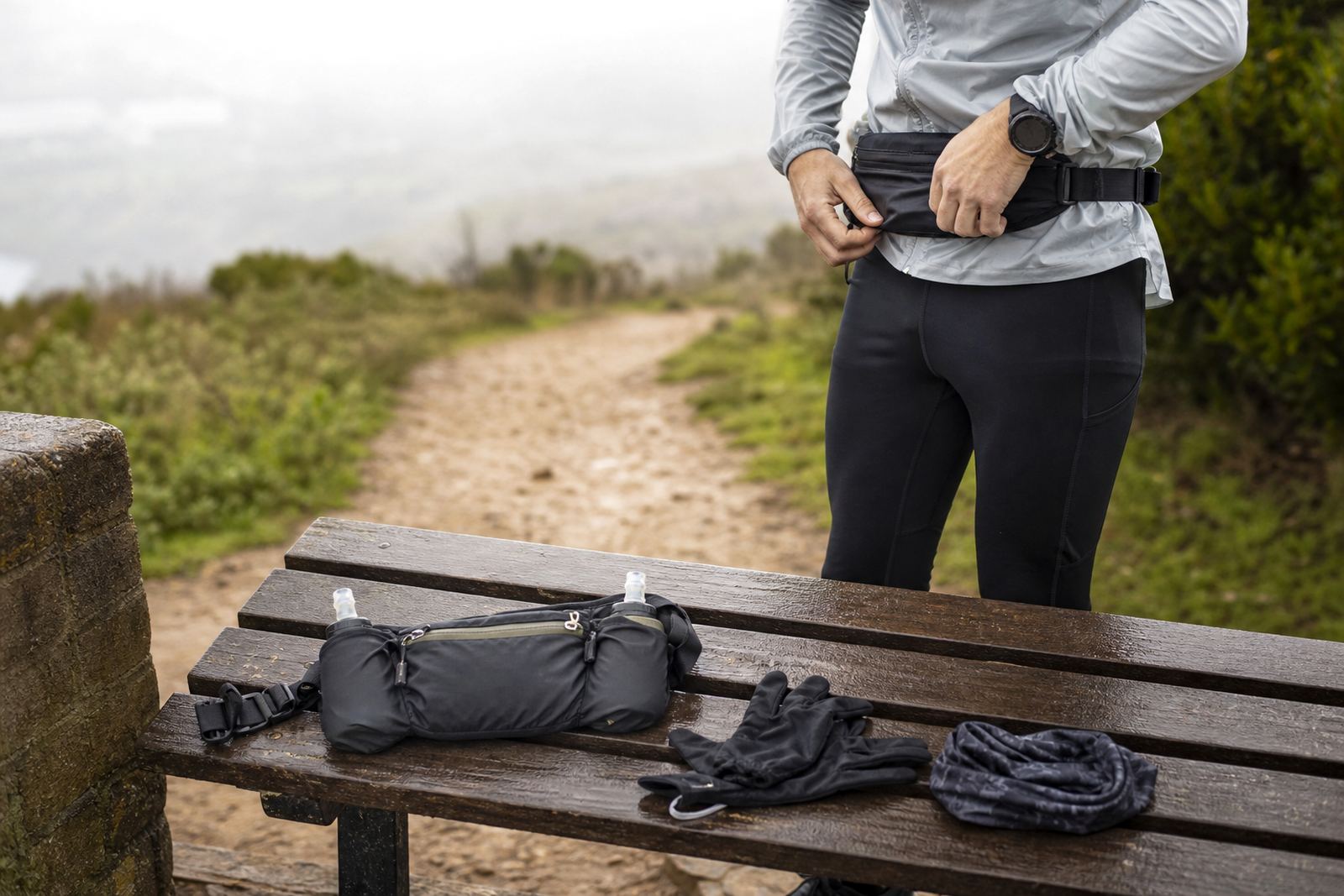
Take a trail event near Stellenbosch, where volunteers are spread out across farm roads, single-track sections and a busy finish village. The first team may be setting up before sunrise, with mist on the hills and radios already in use. Later, the same volunteers need to guide runners through a junction, hand over water and respond to a minor course change if conditions shift after rain.
In that setting, a belt is practical because it keeps the essentials close without slowing the volunteer down. Gloves stay dry, notes stay folded and the radio stays within reach. If a runner needs help, the volunteer can step in quickly, then carry on with the next task. For the organiser, that kind of readiness matters because the course is moving all morning.
Events in the Western Cape often deal with wind, heat and dusty paths in the same weekend. A belt that sits stable and can be wiped clean after the race is a useful bit of kit, especially when the same team returns for more than one event during the season.
Planning volunteer belts for clubs and race organisers
For clubs, charities and race teams, volunteer belt planning is best done before entries close. Start with the number of roles, then list what each role needs to carry. That helps with sizing, colour choices and any bulk order planning. If there are crew kits for different areas, it is worth grouping them by task rather than issuing one generic setup to everyone.
It also helps to think about repeat use. Some events need the same volunteer kit for a series of races in Cape Town, Paarl and Somerset West. In that case, it makes sense to keep the layout simple and durable. A belt that works well on one course should still make sense when the next venue has hills, wind or a longer finish straight.
For event teams, a clear plan means fewer delays at briefing and less confusion at sign-out. Volunteers know what they are carrying, where it goes and who to ask if something is missing. That is the kind of practical support that keeps race day calm, even when the pressure is on.
How to get the belt choice right before race week
A short check before event week can prevent a lot of last minute scrambling. The organiser should confirm volunteer numbers, role types and whether the same belt will be used by rotating staff or assigned per person. If the team includes first-time volunteers, a brief walk-through helps them understand what goes in each pocket and how the fit should feel.
- Confirm the role list and quantities early
- Match the belt setup to the task, not the title
- Check sizing for different body types and layers of clothing
- Keep the item list simple enough for quick use
- Allow time for dispatch and final issue before race morning
Done well, volunteer belts keep support teams organised, visible and ready for long shifts. They are small items, but on race day they carry a lot of responsibility.