
What Short Runs Really Need, Not What Feels Safe
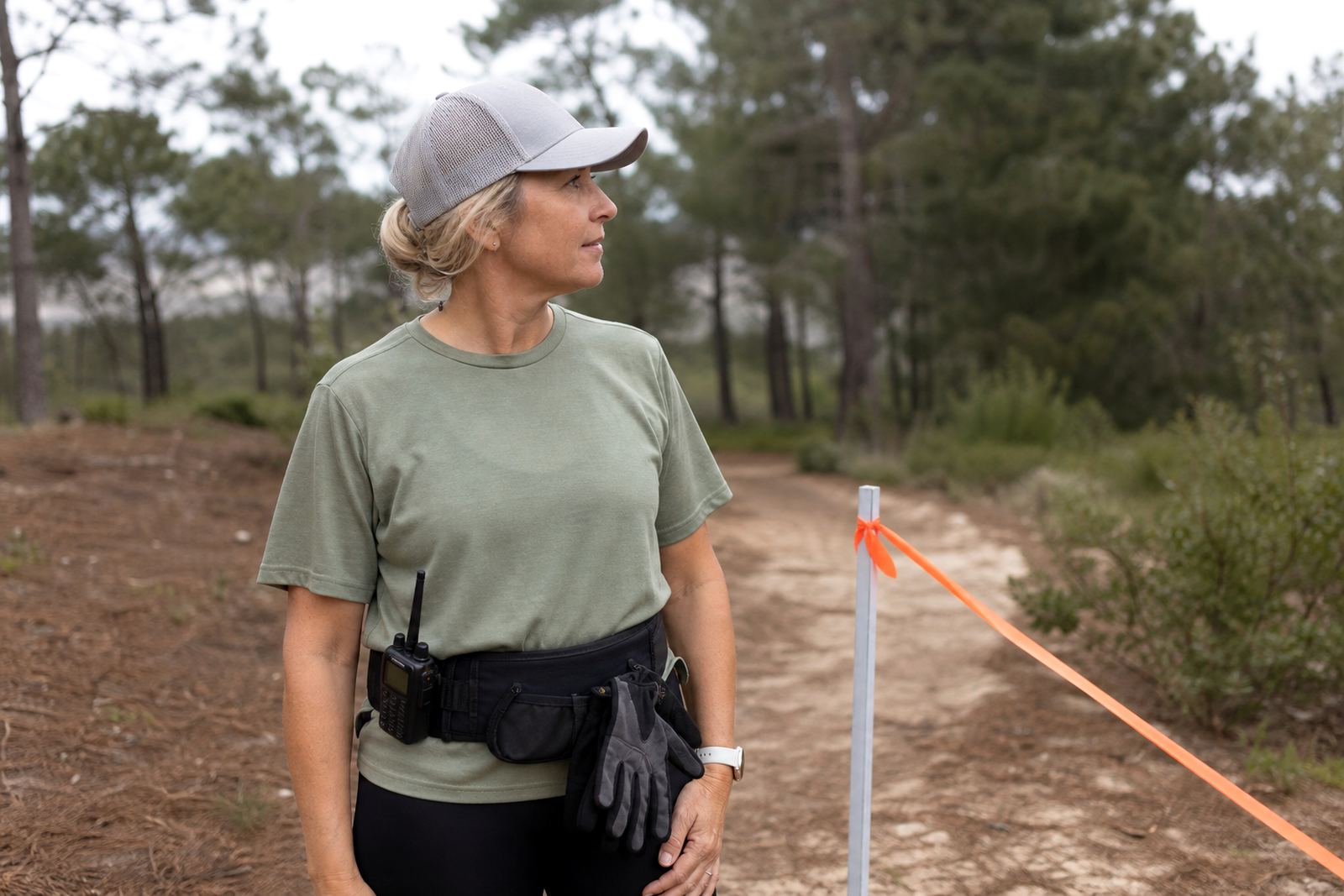
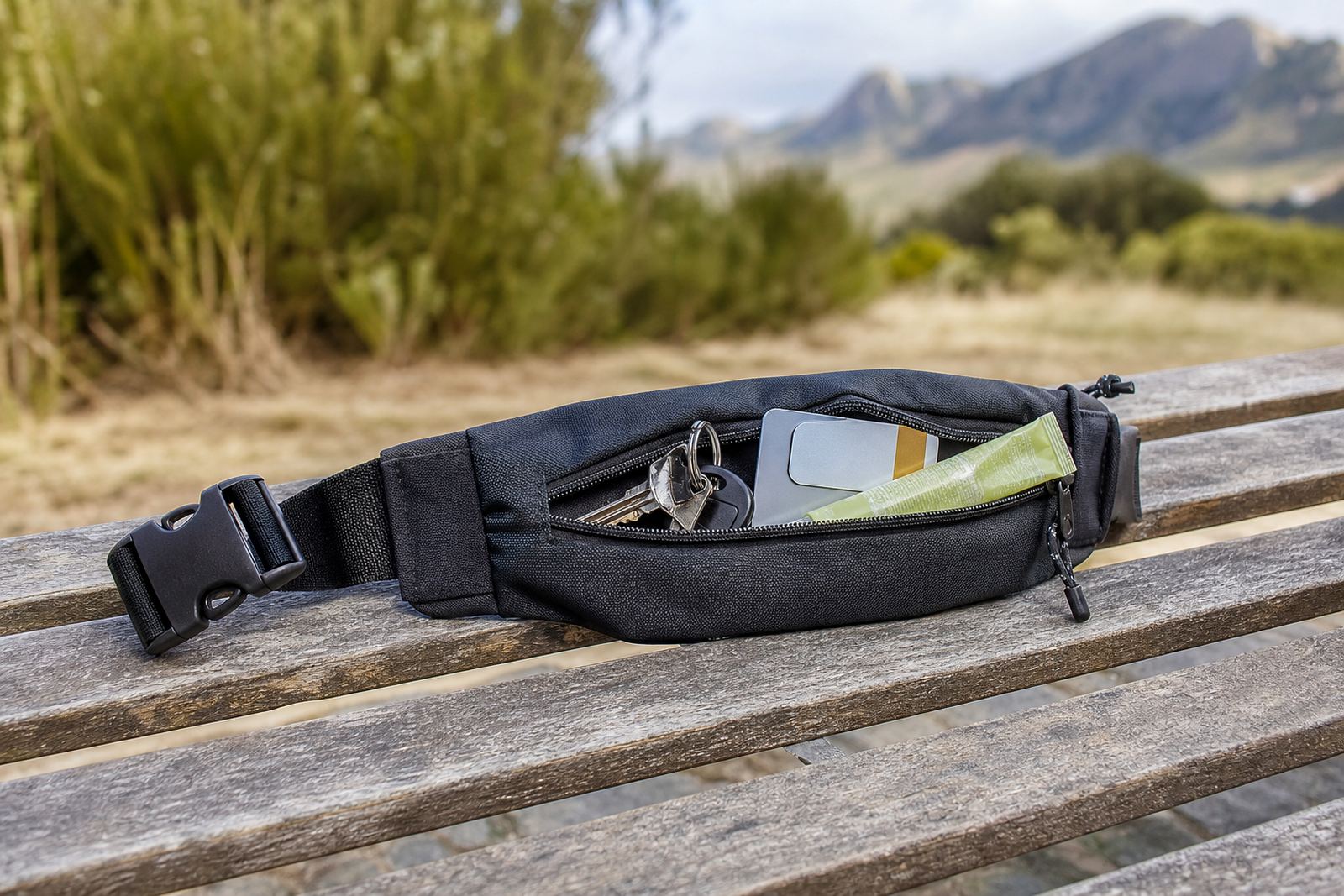
A 5 km or 8 km training run does not need the same load as a long trail day. Most runners do better with a light setup that holds the basics: keys, one gel if you are running fasted, a small soft flask or a bit of water, and maybe a card or ID. Anything extra starts to move, rub, or bounce once you hit a downhill or a windy stretch.
For runners in Stellenbosch or Paarl, where routes can mix tar, gravel and some proper climbs, the pack has to stay close to the body. Short runs are often where bad habits show up. If the belt is too loose or the pockets are crowded, you spend more time fixing it than running.
Choose One Carry Style and Stick With It
People often overpack short runs because they are unsure what the belt can actually handle. The better approach is to choose one carry style and keep it simple. If you usually run after work, your pack only needs to support that routine. If you do early morning sessions before traffic picks up in Cape Town or Johannesburg, you may want a quick-access pocket for a key, phone and a small hydration option.
- Use a slim setup for under 60 minutes
- Keep hydration to a soft flask or a single small bottle
- Store keys in a zipped pocket so they do not slap against your leg
- Put gels in the same slot every time so you do not fumble mid-run
The more consistent your packing system, the quicker you are out the door. You should be able to grab the belt, clip it on and move, without repacking at the gate.
How To Pack For Comfort On The Move
Comfort starts with weight distribution. Put the heaviest item closest to the centre of your back or front, depending on the belt layout, and keep lighter items on the sides. That stops the belt from twisting when you turn, climb stairs, or hop over a kerb. It also helps on road runs where you are turning corners in a hurry.
In humid places like Durban, sweat can make a loose belt slide around quicker than you expect. In coastal weather, a snug fit matters just as much as on dry inland mornings. If your shirt gets wet and your belt starts shifting, the whole run feels messy. A proper fit should stay put without digging in.
- Pack tight items first, then fill the spare space with soft items
- Keep phone screens facing inward to reduce movement
- Do a 30 second bounce test before leaving home
- Adjust the belt after the first kilometre if needed
Fuel And Water For Short Training Sessions
Not every short run needs hydration, but many runners benefit from a small amount, especially on warm Western Cape mornings or during race build-up weeks. A few sips before you start can be enough for an easy session. For intervals, tempo work or a fast club run, carrying a little water helps you stay steady and keeps your mouth from drying out. Thats handy when the wind picks up on exposed sections around George or Somerset West.
Food should stay minimal. A single gel, a few sweets or a small bite sized snack is usually enough if the run is close to an hour. Anything more becomes awkward to manage. On race weekends, pack your fuel in the order you plan to use it, so you are not digging around while breathing hard.
Short Runs For Events And Club Days
Event warm-ups, club sessions and race days need the same sort of thinking, just with a bit more structure. If you are heading to a 10 km road race or a trail event, pack only what you will use before the start and on the course. That might include a gel, sunscreen, a small bottle and a race number pin card. Keep the rest in your car or in the bag you hand to event support.
For clubs in Bellville, Stellenbosch and across the Cape, it helps when runners use a similar packing plan. That way nobody forgets a key item and there is less last-minute swapping at the start line. A simple routine also makes race morning calmer, especially when load-shedding or early travel has already made the schedule tight.
- Pre-pack the night before
- Check the route water points before deciding how much to carry
- Keep race packs separate from training packs
- Use the same belt setup for practice and race day where possible
A Stellenbosch Example: Less Weight, Better Run
A runner from Stellenbosch training for a half marathon does not need to carry a full kit on every short outing. A 40 minute hill session up and down town roads might only need keys, one gel and a small flask. If that runner overpacks with a phone, extra snacks, a jacket and loose change, the belt starts to sag and the run feels harder than it should. The same goes for runners coming through town after work, when traffic, heat and tired legs already make things harder.
The better setup is usually the simpler one. Keep the essentials in place, test the fit on your normal route and adjust before race day. That makes short runs easier to repeat, and repeatable runs are what build fitness.
At Waistbag Run, we work with trail runners, road runners and event teams across South Africa who want carrying systems that stay steady and practical. Short runs still deserve proper packing, because the lighter you travel the easier it is to keep moving.