
Start With The Club’s Real Use Case
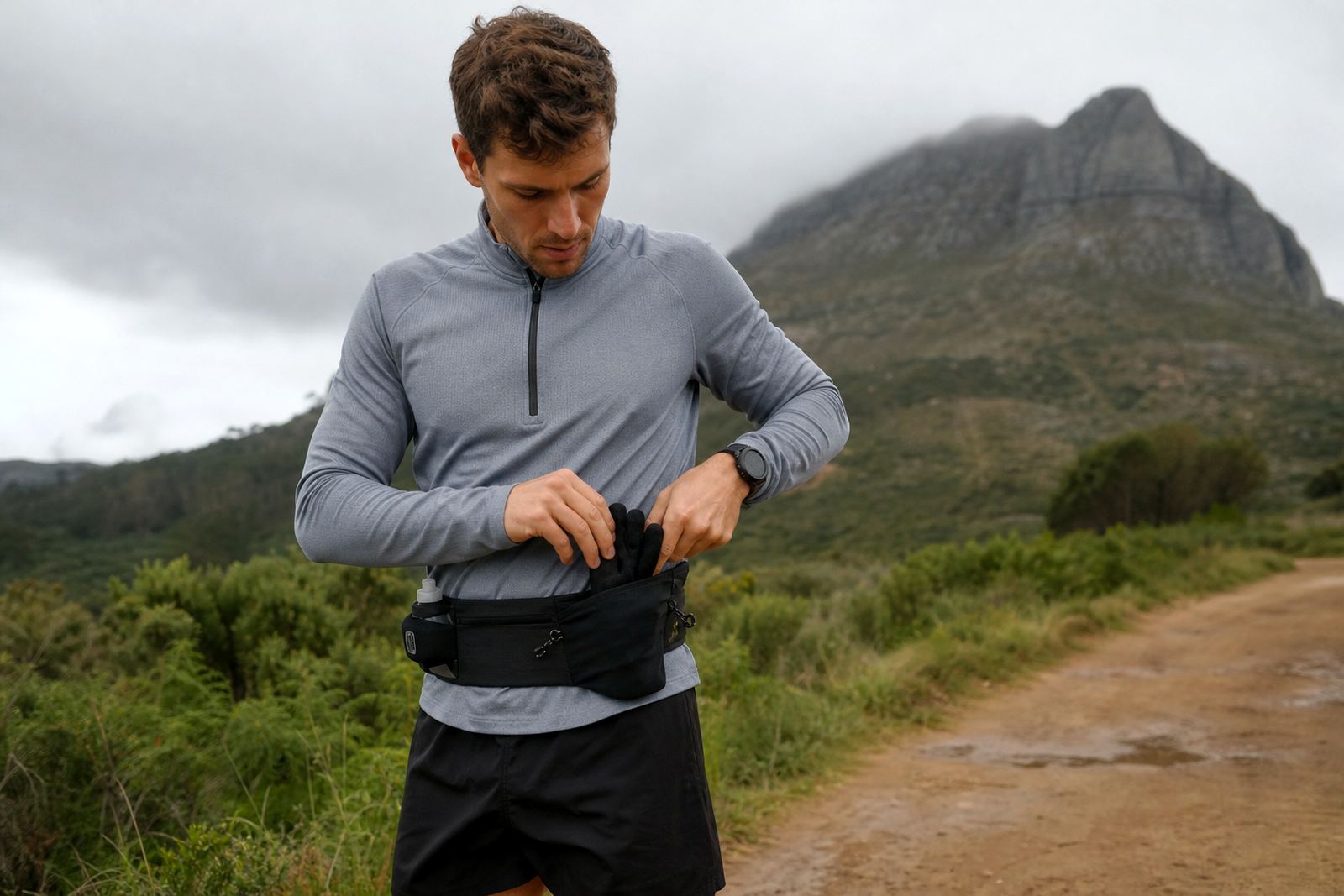
Before anyone places an order, decide how the belts will be used. A trail group doing weekend runs around Jonkershoek will need a different setup from a road club gearing up for a half marathon in Cape Town or a winter series in Johannesburg. The distance, terrain and water points all affect how much storage and hydration capacity your members need.
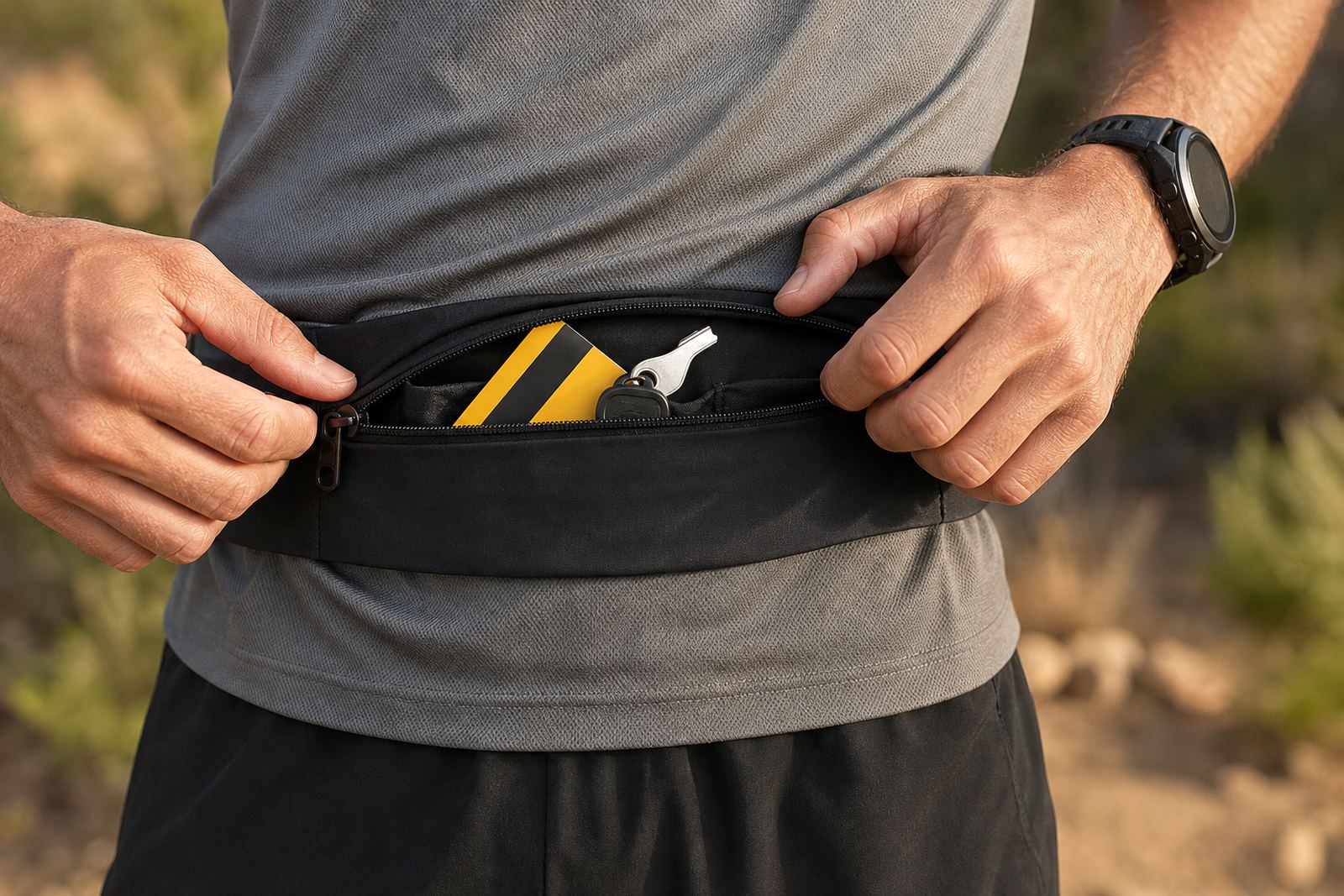
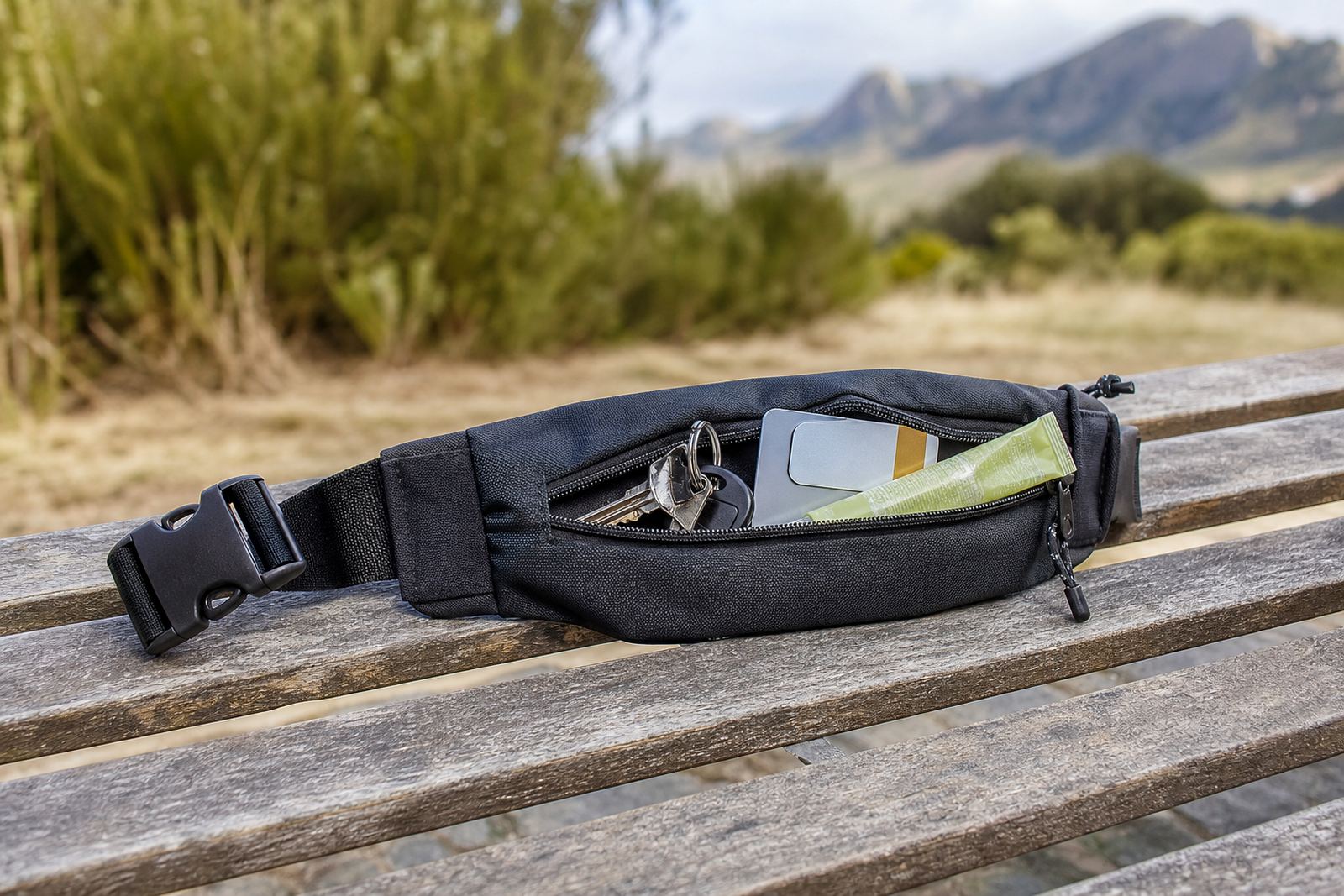
Clubs in Stellenbosch, Paarl and Somerset West often find that one order needs to cover a few types of runners at once. Some want a light belt for keys and a soft flask, while others need room for gels, a phone and a small rain jacket. When the use case is clear, the order sheet gets easier and the complaints later are fewer.
Get The Size Range Right The First Time
Fit is where many club orders slow down. A waist belt must stay put on the run, but it also has to be comfortable when the runner is tired, wet from sweat, or moving through uneven trail sections. If the fit range is too narrow, the club ends up with returns, swaps and loose belts sitting in a storeroom.
We usually advise clubs to collect waist measurements early and group members into clear fit bands. That makes it easier to place the right quantity in each size, and it helps with repeat orders later. For mixed groups across Durban, George and Bellville, a simple sizing sheet saves a lot of time.
- Ask members for waist measurement, not trouser size
- Separate men’s and women’s fits only if the group really needs it
- Allow for winter layers, especially in the Western Cape
- Keep one or two spare belts in the most common size
Plan Quantities Before You Confirm Payment
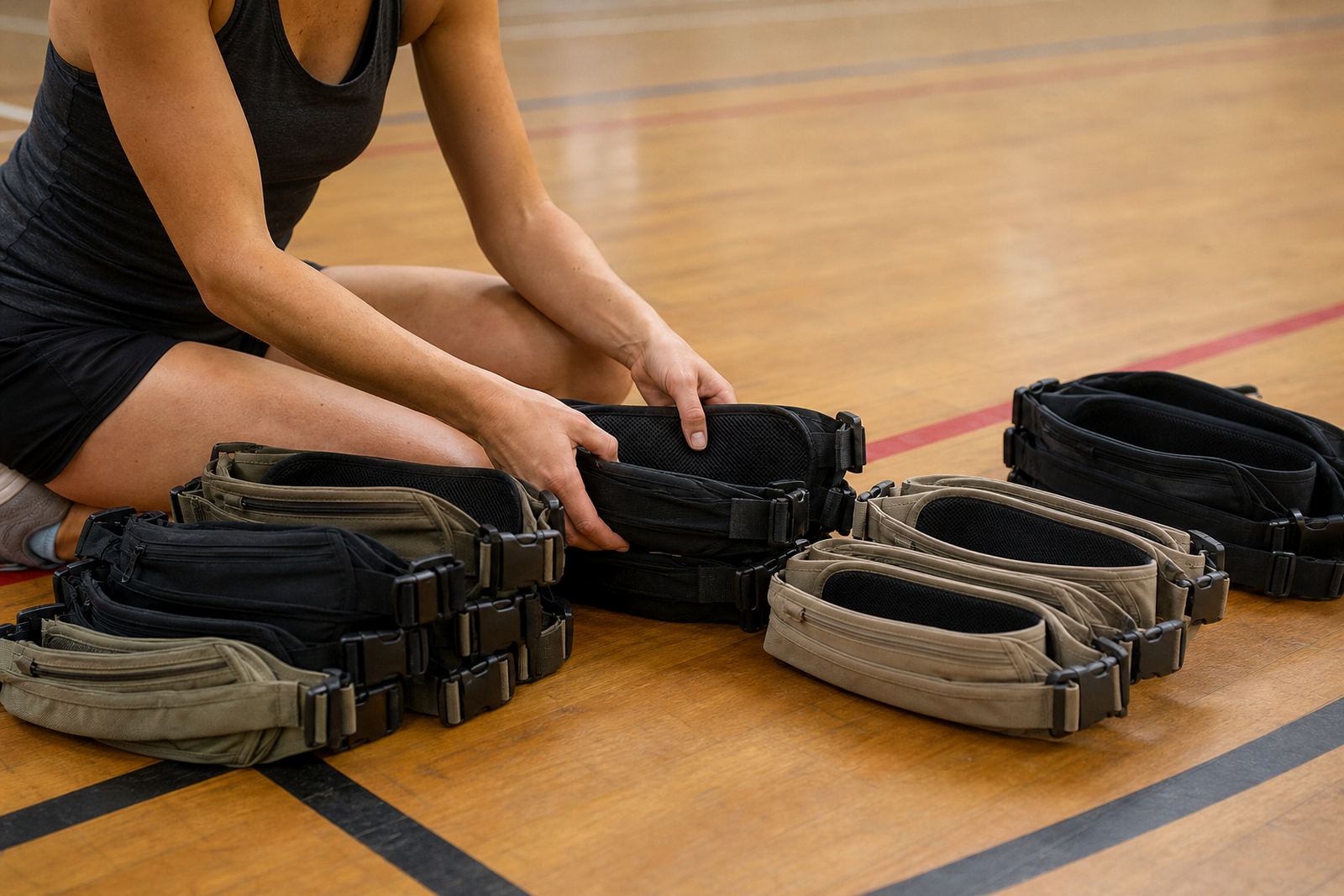
Bulk ordering is easier when the club committee decides on the final numbers before payment goes through. That sounds basic, but it avoids the common problem of 12 runners paying, then 15 arriving for collection. It also helps when the club is supplying a race day crew or volunteers who need matching belt kits.
For larger club orders, we recommend splitting the list into confirmed runners, likely runners and reserve stock. That gives you a realistic order total, and it makes it simpler to manage late sign-ups. Michael van der Merwe often sees that clubs which plan this step early get better results and less admin during event week.
- Confirm member names before quantities are locked in
- Set a cut-off date for late additions
- Keep a reserve list for new members or replacements
- Use one person to approve the final order, not three
Choose Collection Points That Match The Club’s Routine
Collection can be the easiest part of the process if the club plans it well. If most members train in Stellenbosch on Tuesdays and in Cape Town on weekends, then one collection point may not be enough. Clubs around Johannesburg and Durban often need a second handover point for members who travel or train in different suburbs.
It helps to match collection with the club calendar. A belt handover after a Saturday long run or before a Thursday track session usually works better than asking members to collect during working hours. For events with race pack inserts, dispatch timing matters even more because the packs need to reach runners before the race briefing.
- Pick one main collection point and one backup if needed
- Set a clear collection window of at least a few days
- Assign one club contact to check names off the list
- Keep sizes sorted by label so handover is quick
Use Local Conditions To Guide The Spec
South African runners do not all run in the same conditions, and club orders should reflect that. Coastal humidity in Durban means sweat management matters, while windy winter mornings in Cape Town can make lightweight items shift more than expected. In the Western Cape, trail clubs also need to think about rocky sections, steep climbs and long stretches without easy water access.
That is why hydration layout advice is worth asking for before the order is final. A belt that looks fine on paper may feel wrong once bottles, phones and nutrition are added. Getting the spec right upfront helps the club avoid buying the wrong configuration for a full season. It also keeps the order useful for training, events and social runs alike.
Make Reorders Easy For The Next Season
The best club orders are not one-off purchases. They become the base for the next round of member additions, race teams and event support kits. If you keep a clear record of sizes, quantities and the belts used for each group, the next order moves much faster. That matters for clubs with changing membership or regular race entries.
Leandri Botha and the team often recommend keeping a simple order history with fit notes and any changes to the belt setup. That makes repeat order support easier and helps with custom colour runs or crew belt kits later on. Clubs that do this well spend less time chasing details and more time getting out for the run.