
Why travel runs need a different belt
Travelling runners do not have the luxury of a full kit room or a familiar route every morning. One day you are running along the Sea Point promenade, the next you are heading out from a guesthouse in Stellenbosch or squeezing in a sunrise loop in Durban before a work meeting. A travel run belt should keep your essentials close without adding bounce, bulk or fuss.
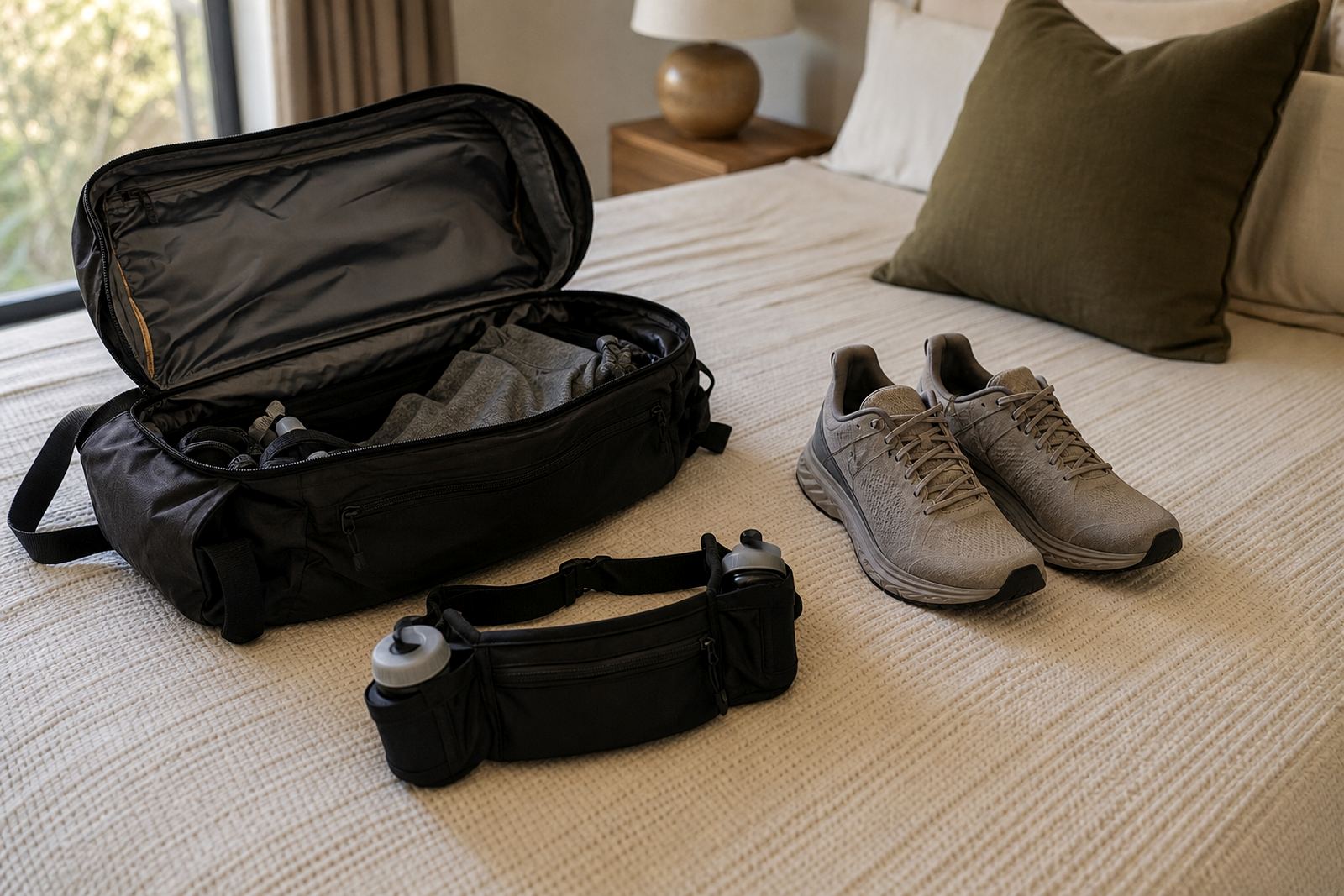
The best belts for travel run light, flatten easily in a bag and work in different conditions. That matters when you are moving between dry inland weather, coastal humidity and the stop start rhythm of race weekend. It also matters when load-shedding means you are packing at odd hours and need one simple piece of gear that is ready to go.
At Waistbag Run in Stellenbosch, we see a lot of runners who want one belt for training, race day and weekend trips. The fit has to be secure enough for tempo work, but still comfortable for slower tourist runs and event warm ups.
What to pack and what to leave behind
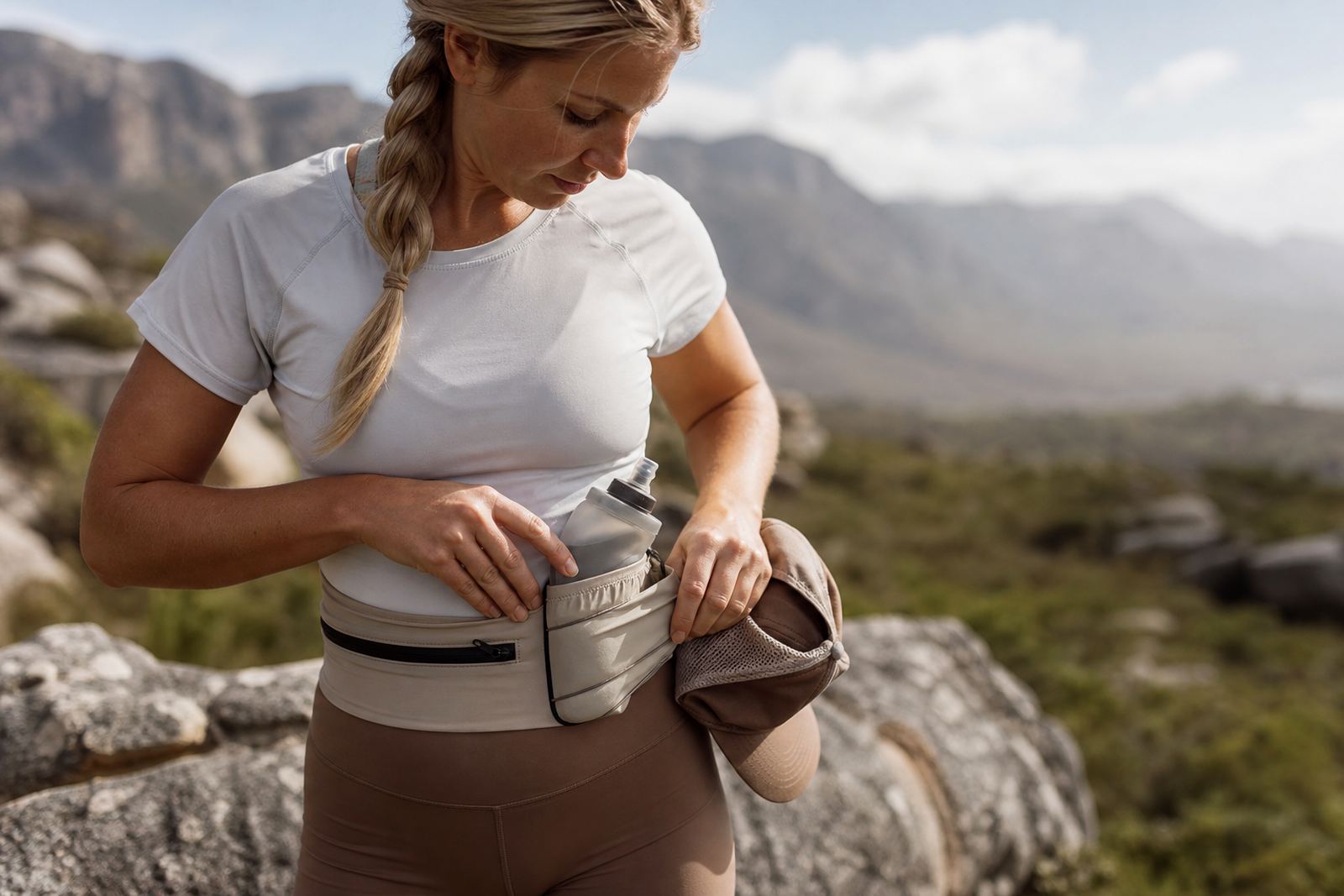
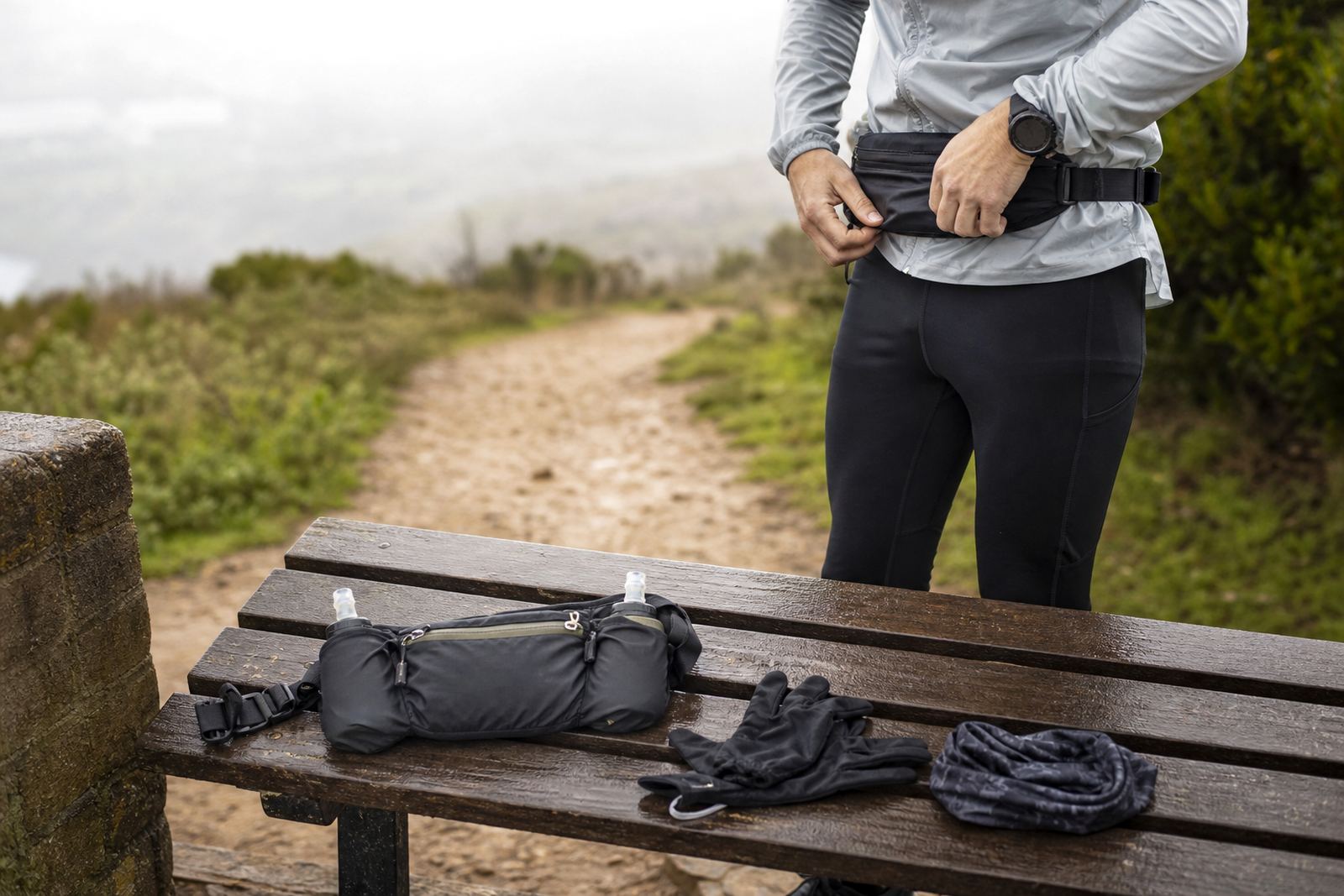
Travel running works best when you keep it simple. A belt should hold the items you actually use on the road, not a heap of extras that swing around. The sweet spot is usually a phone, key, small soft flask or gel, and a card or folded note with emergency details.
- Phone for maps, timing and route tracking
- One or two gels for longer sessions
- Small hydration flask or soft bottle, where needed
- Car key or room key in a secure pocket
- Cashless payment card or a folded ID copy
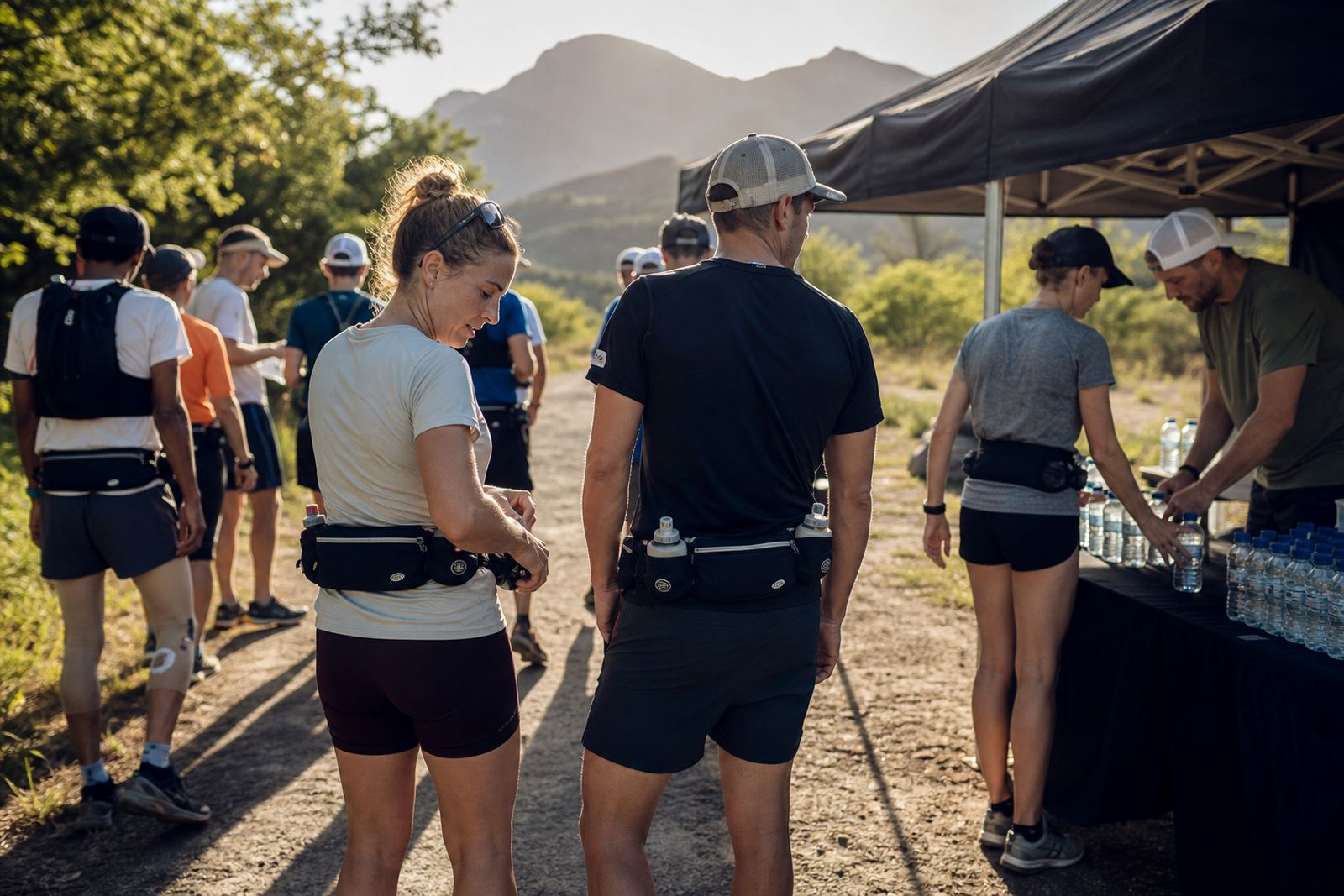
If you're heading to a race in Cape Town or George, think about what the event already provides. Some races have good water points and you only need a slim carry option. Others require you to bring your own hydration, especially on trail routes where aid stations are further apart.
Fit matters more when your routine changes
On the road, your usual training rhythm changes. You may be running earlier than normal, on tired legs after travel, or on a route with more hills than you expected. That is when fit becomes important. A belt that sits too high rides up. One that sits too loose bounces on every stride.
A proper fit should feel close to the body but not tight. The belt should stay in place when you jog, turn corners or pick up pace. If you are planning longer runs around Stellenbosch, Paarl or Somerset West, try it with a full flask before race day. A belt that feels fine empty can behave very differently once it carries water.
For teams and clubs sending runners to events across South Africa, participant sizing should be done early. It saves time later and avoids last minute swaps when runners arrive with different torso shapes and preferences.
Hydration choices for coast, mountain and city routes
Travel runs around South Africa ask different things from your hydration setup. In Durban, humidity can make even an easy run feel heavier. In Johannesburg, the air is drier and runners often underestimate how much water they need. In the Western Cape, a cool morning can turn into a hot midday session before you know it.
A good hydration belt should let you place the bottle where it is easy to reach, without pulling the belt off balance. Some runners prefer a single flask for short city runs. Others want a more structured carry for trail runs where there is no easy refill point. Either way, the bottle should sit stable enough that you don't keep adjusting it while moving.
- Use a smaller flask for shorter road runs and airport day outings
- Choose a more secure layout for technical trail sections
- Check access with one hand before race day
- Test the belt on stairs, hills and soft ground
Packing for race weekends and event travel
Race weekends come with enough moving parts already. Between registration, kit collection, transport and meal timing, runners need storage that is predictable. A travel-friendly belt helps you keep your phone, keys and hydration in one place so you are not shifting items from pocket to pocket.
For event organisers, club captains and travel groups, planning belt supply in bulk can make the whole weekend easier. Waistbag Run works with race events, clubs and participant groups from Cape Town to Johannesburg, with support for custom colour runs, crew belt kits and race pack inserts. That means runners can collect the right belt with the right sizing before they even arrive at the venue.
Leandri handles sales and events coordination, while Jaco manages logistics and dispatch. That kind of structure matters when you are sending stock to Durban, George or a venue outside town where timing has to be exact.
A practical example from a Stellenbosch runner
Take a runner based in Stellenbosch who travels to a Sunday 10 km in Cape Town, then a trail event in George the following month. That runner does not need two completely different systems. What they need is one belt that can handle a short road race, pack flat in a weekend bag and still carry hydration for a longer route when required.
In that case, the best setup is usually a slim, stable belt with enough space for a phone and a small flask, plus a fit that stays secure on downhills. If the runner is joining a club trip, repeat order support is useful too. Once the sizing is known, reordering for future trips becomes much simpler.
Michael van der Merwe and the team have been working with running belts since 2012, so the focus stays on what runners actually use, not extras that look nice but get left behind.