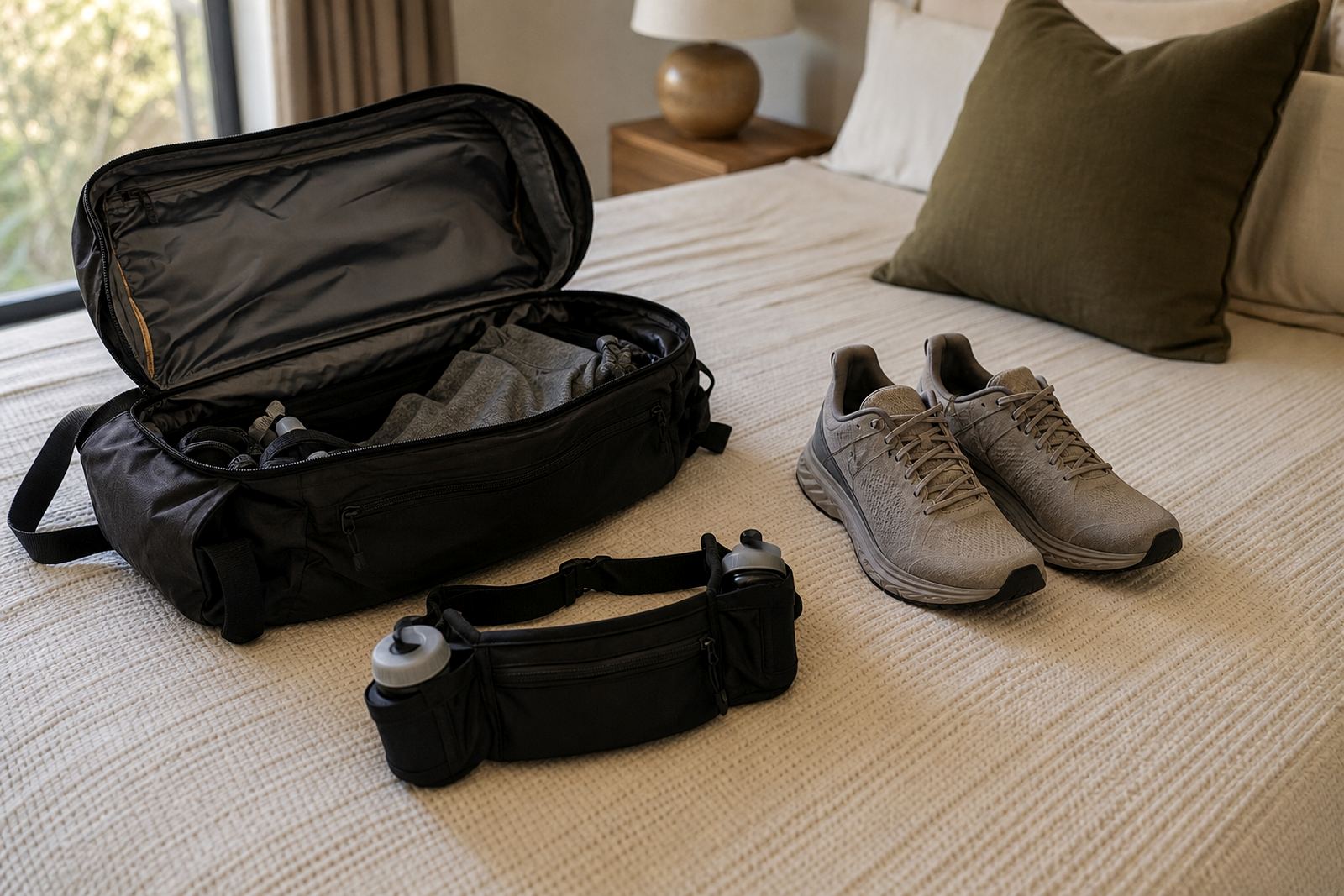
Start With the Distance, Not the Pocket Space
Before you load a belt, decide what the run actually needs. A 14 km loop through Stellenbosch vineyard roads is very different from a 32 km trail session on a warm Saturday morning. The longer the effort, the more you need to plan for hydration, fuel, and small safety items without overpacking. Too much bulk shifts around the hips and becomes a problem after the first hour.
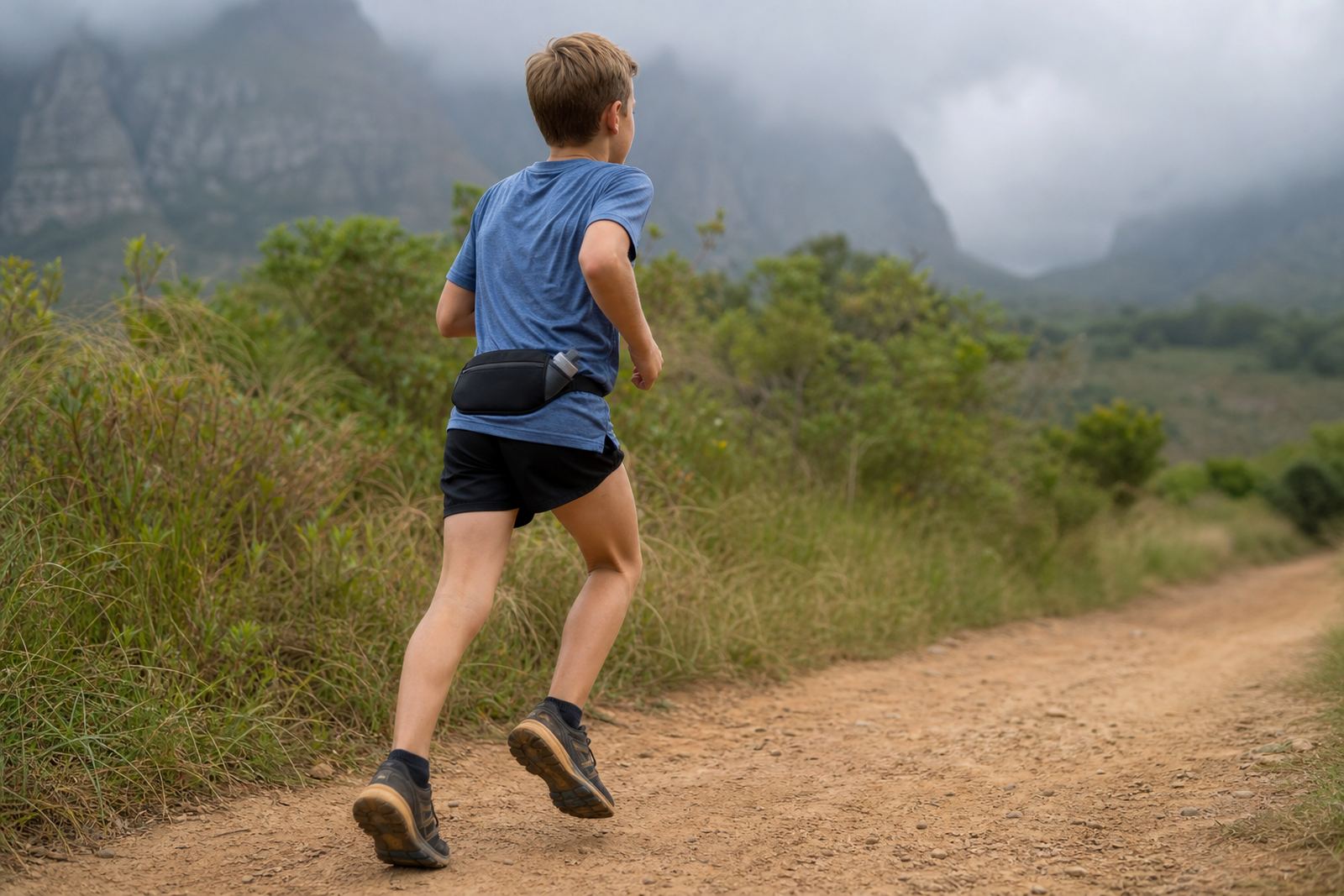
Think in time on feet rather than only distance. A road runner moving at a steady pace may only need one flask and a few gels. A trail runner in the Jonkershoek area may need more fluid, extra fuel, a phone, and a light layer for wind higher up. The best pack is the one you stop noticing once the session gets going.
- Under 90 minutes: light fluid carry and one or two fuel items
- 90 to 150 minutes: balanced hydration plus extra gels or chews
- Over 150 minutes: add weather backup, phone, and basic safety items
Balance Water and Fuel So Nothing Bounces
On long runs, poor loading is usually the reason a belt feels uncomfortable. Put heavier items close to the centreline and keep them even on both sides. If one flask sits too far to the left and a packet of fuel is only on the right, the belt will start to twist. That gets worse on uneven ground, especially on trail descents where your stride changes every few metres.
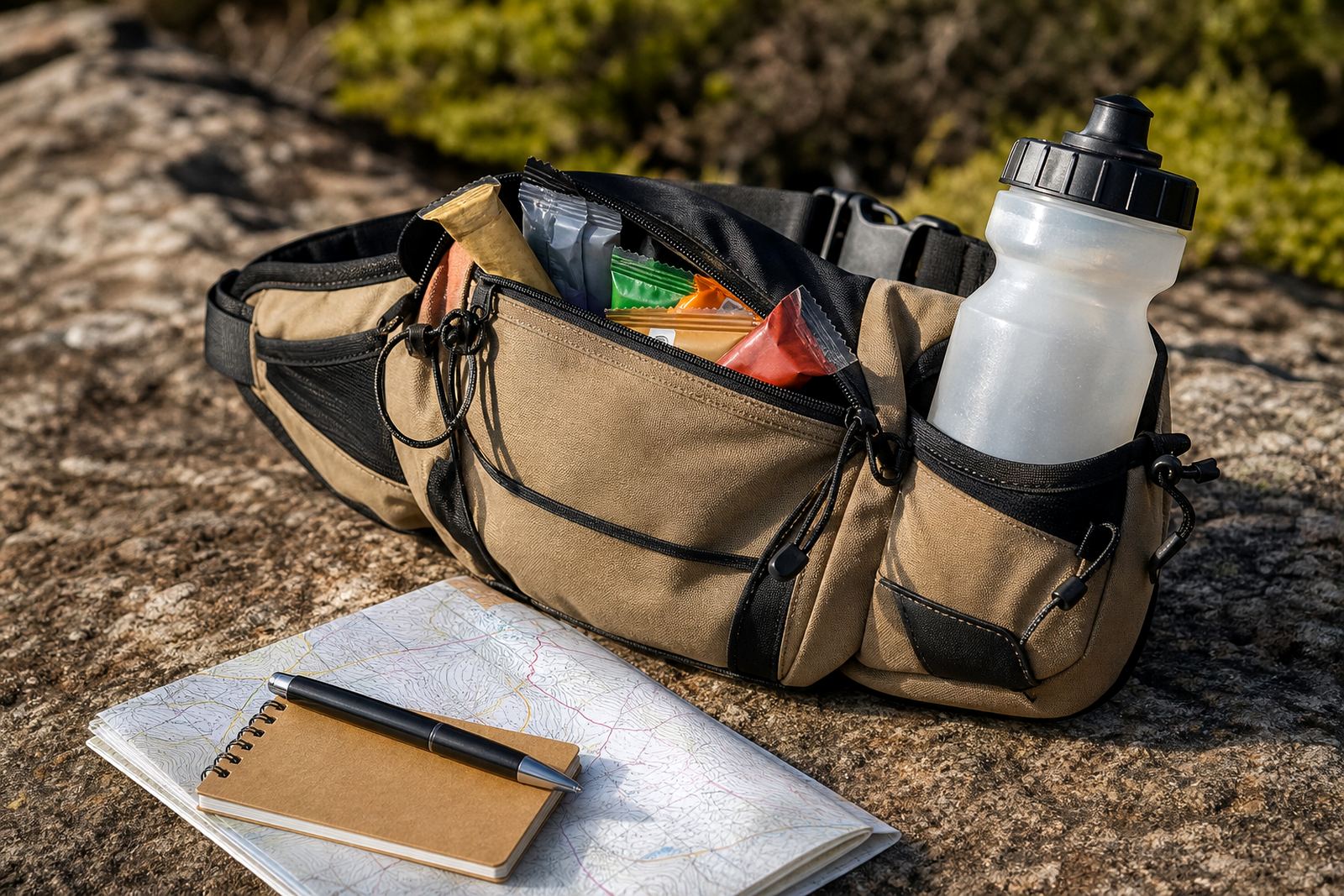
Keep fuel easy to reach without stopping. If you need both hands and a lot of patience to get into a pocket, you will not use it when you are tired. Pack gels where you can grab them with one hand and make sure the zip or flap closes properly after each use. A loose wrapper or half-open pocket can become a nuisance in wind, rain or heat.
- Place heavier bottles or flasks near the front or centre
- Keep fuel in one repeatable pocket every run
- Do a quick bounce test before you leave the car park
- Leave a little spare space so the belt does not feel overstuffed
Hydration Choices Change With Heat and Terrain
Western Cape weather can change quickly. A still morning in Paarl or Somerset West can turn hot by mid-run, while a Cape Town coastal route may start cool and end with a wind off the water. In Johannesburg, dry air can make a runner underestimate fluid needs, and Durban humidity can make even a shorter long run feel harder than expected. Packing for the day is not guesswork, it is part of the session.
For trails and road routes, use the carry setup that matches the drinking pattern. If you prefer small regular sips, keep hydration within easy reach. If your route has water points, you may only need enough to bridge the gaps. For unsupported runs, add a little extra margin, because a missed turn or slow section can add more time than planned. That extra 250 ml often matters more than people think.
- Cool morning: lighter fluid carry, but still bring enough for the return leg
- Hot inland run: plan for more frequent drinking and extra fuel
- Humid coastal run: prioritise easy access, not just total volume
Pack for the Unexpected Without Carrying the Kitchen Sink
Long runs often become longer than expected. A gate closes, a section is muddy after rain, or you need to wait at a road crossing. For that reason, it makes sense to carry a few practical extras, but only the ones you are likely to use. A bulky load does not help if it keeps shifting every time you climb a hill.
Most runners do well with a small weather plan. A light wind layer, lip balm, a bank card or small note, and a phone are usually enough for local training runs. If you are heading into more remote trail, add a whistle or other basic safety item if required by the event rules. Keep items flat and packed in the same order every time, so you know where everything is when you need it.
- Phone for route tracking and emergency use
- Light layer for wind, rain, or a long cool-down
- Small cash or card for mid-run stops where allowed
- Basic safety item if the route or event asks for it
How Local Runners Handle Race Morning Packing
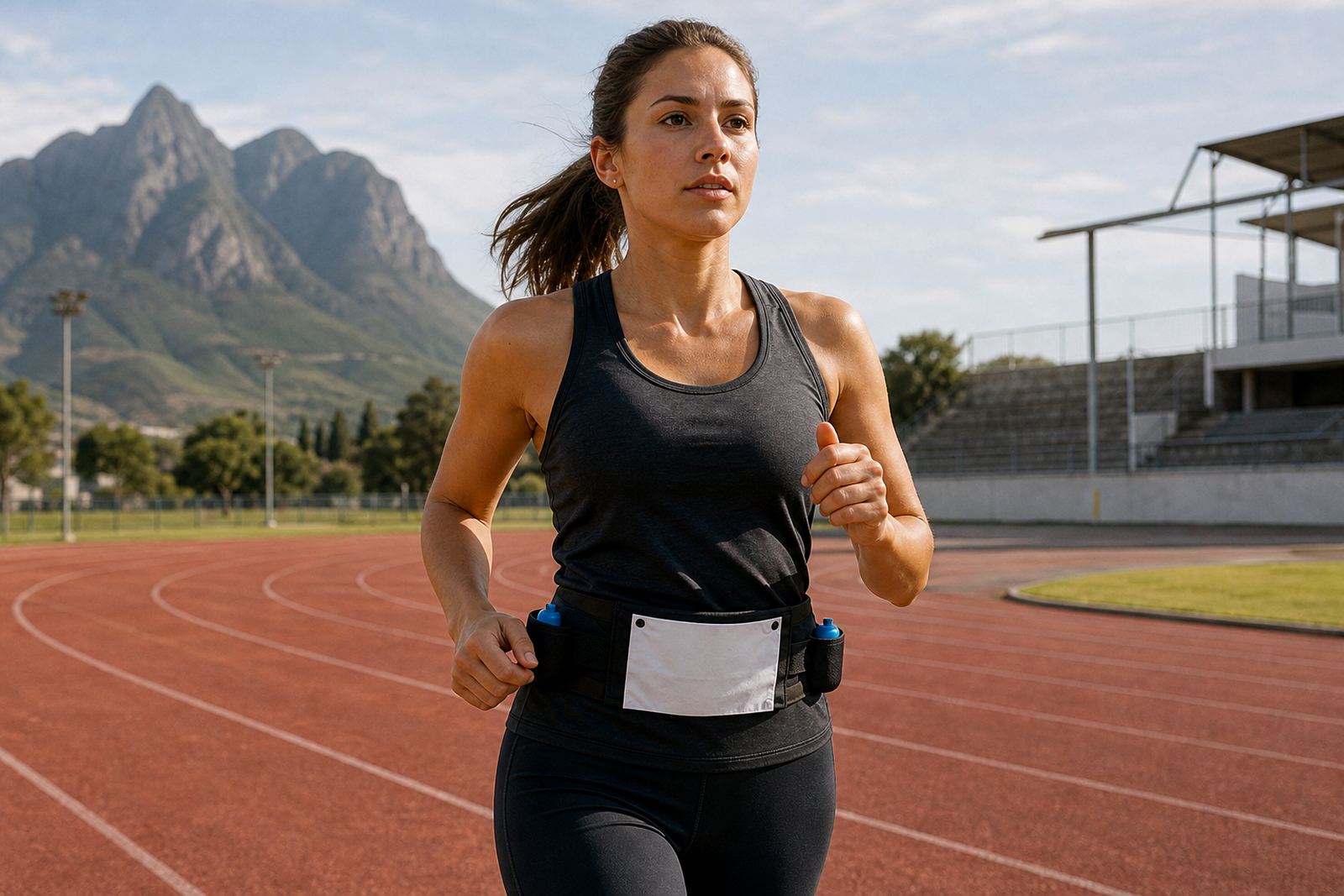
On race day, the packing job starts before the gun goes off. A runner at a Stellenbosch trail event may need hydration for a hilly route, while a road runner in Durban might only need a slim carry setup and fuel for the sections between water tables. The same rule applies in Cape Town, Johannesburg and George: keep it simple, predictable, and matched to the course. If the belt is new to you, test it on training runs first. Race morning is not the time for first use.
Good event packing also makes life easier for crew and organisers. If a club order or race day kit needs participant sizing, it helps to confirm fits early and keep the same carry pattern across the group. That avoids last-minute swaps and keeps everyone moving. A neat setup also saves time at the start line, where people are often adjusting socks, bibs and laces already.
- Match the belt setup to the race profile
- Test with the same shoes and clothing you will race in
- Keep race fuel where you can reach it while moving
- Check sizing before event day, not after collection
Small Fit Checks That Save a Long Run
Before you head out, spend two minutes checking fit. Tighten the belt enough that it stays steady, but not so tight that breathing feels restricted. Jump lightly, jog in place and lean side to side. If the belt rides up, the load is not balanced. If it slips down, the fit is too loose or the items are sitting too low. It sounds basic, yet this is where many long-run problems begin.
Pay attention to clothing too. A waist belt worn over a thin top usually feels different from one worn over a wind layer. In winter, more layers can change the fit and make a pocket harder to reach. In summer, sweat can make fabric slide more. That is why repeat order support and product fit advice matter for runners who train often and want the same feel every week.
For runners in Stellenbosch, Bellville, or George, a practical setup should be easy to live with week after week. The goal is not to carry more. It is to carry better, with less wobble and less thinking. That is what keeps a long run pleasant instead of awkward.