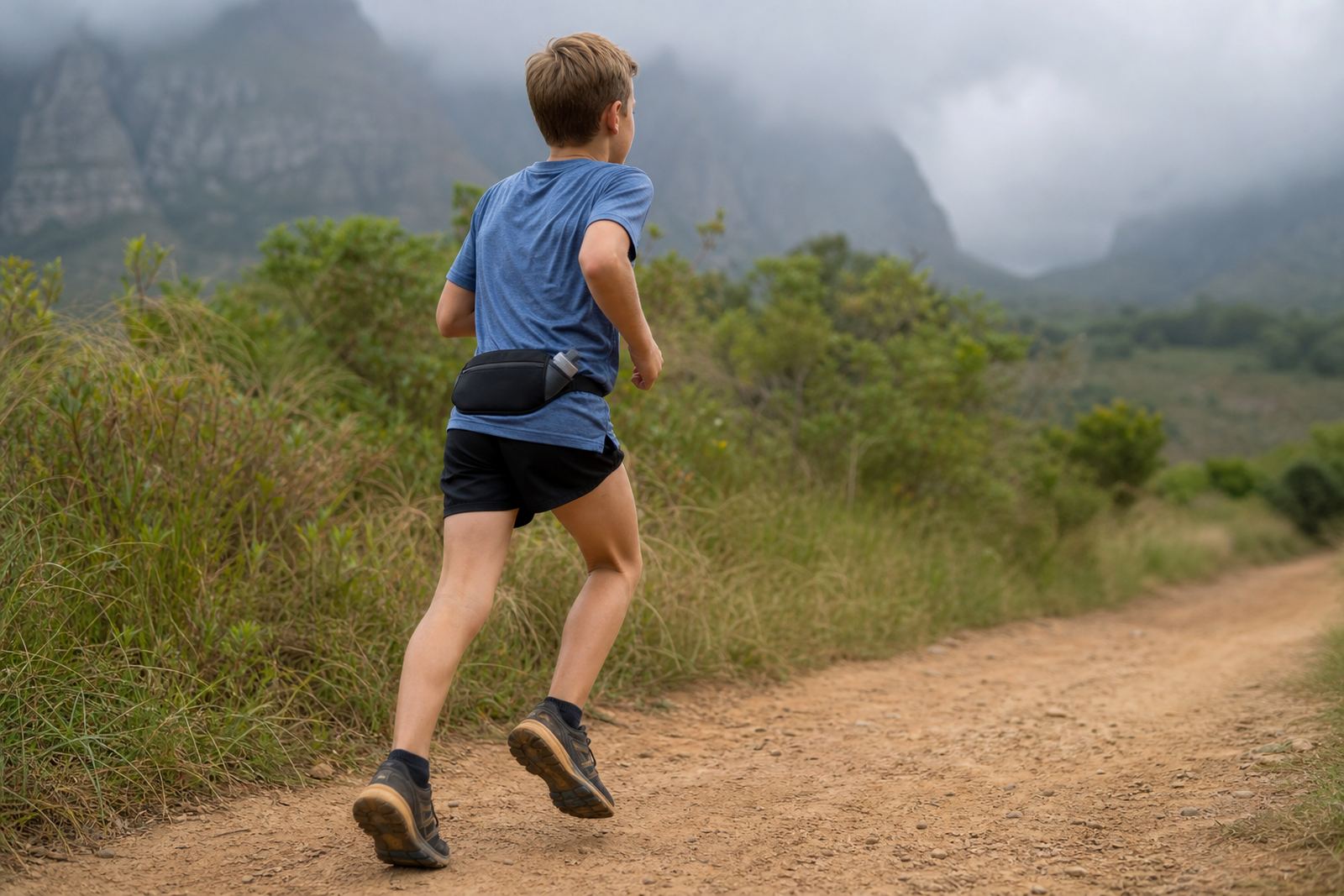
Why youth runners need a simpler belt setup
Youth runners usually carry less than adults, so a smaller and lighter belt often works better than a big storage setup. A belt that sits flat against the body helps youngsters stay focused on pace and breathing instead of fiddling with pockets that swing or rub.
For school athletics, club sessions and fun runs, the main job is to hold a soft flask, a small snack and a key or timing tag if needed. If the belt is too heavy, it can shift around the waist and become a distraction, especially on road runs in Stellenbosch, Paarl or Somerset West where many younger runners are still learning how to pace themselves.
Getting the fit right for growing bodies
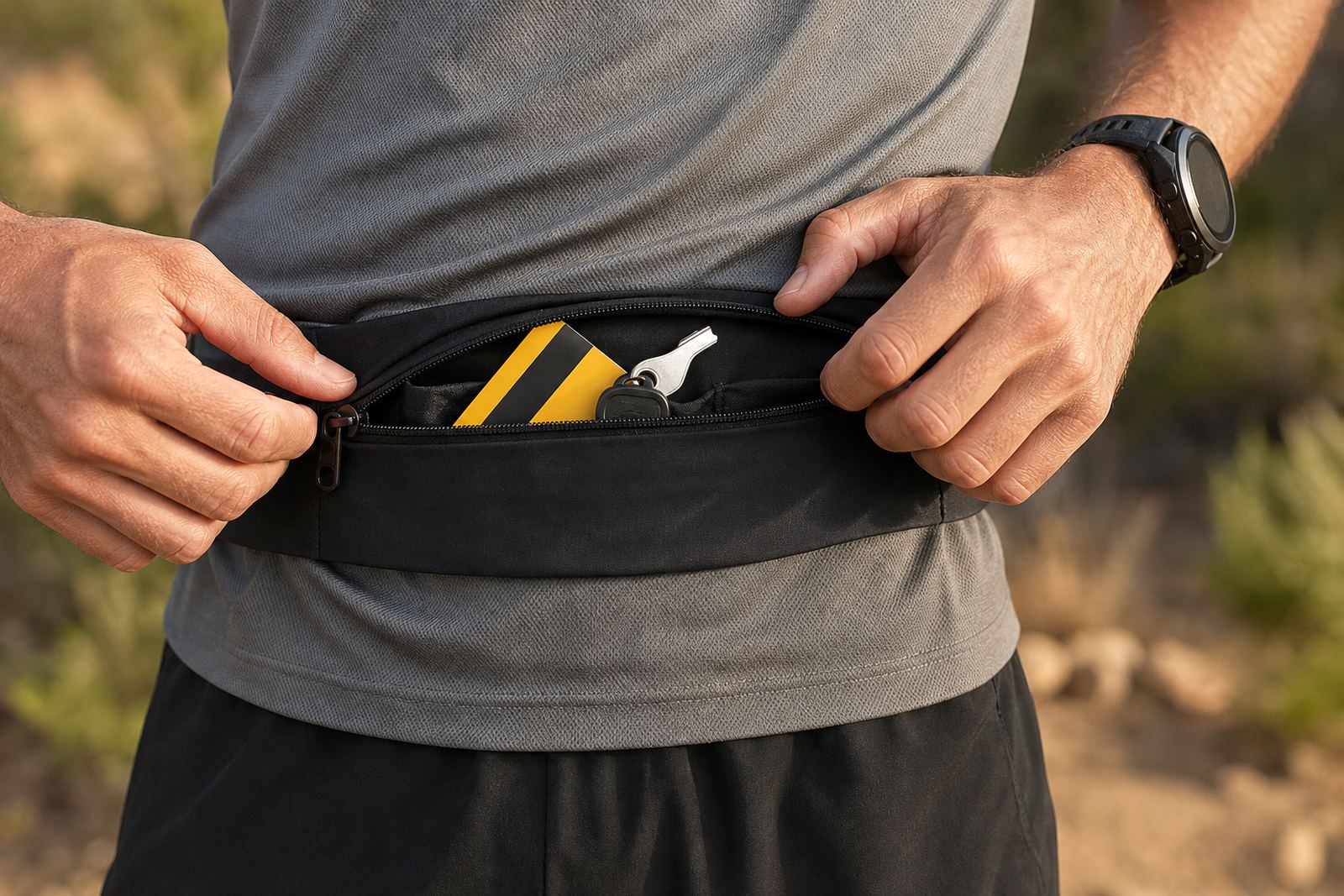
A proper fit matters more for youths than most people think. A belt that rides too high can press into the ribs, while one that sits too low may bounce on every stride. The best fit is snug enough to stay in place but not tight enough to leave marks after a run.
- Measure the runner while standing relaxed, then check the fit again over a T shirt.
- Leave a little room for breathing and movement, especially on hill repeats or interval work.
- Check the belt before race day, not only on the morning of the event.
- Make sure the fastening is simple enough for a young runner to use unaided.
In the Western Cape, where mornings can be cool and later sessions warm up quickly, a youth belt should also fit comfortably over a light top without sliding once sweat starts to build.
What young runners should carry and what to leave out
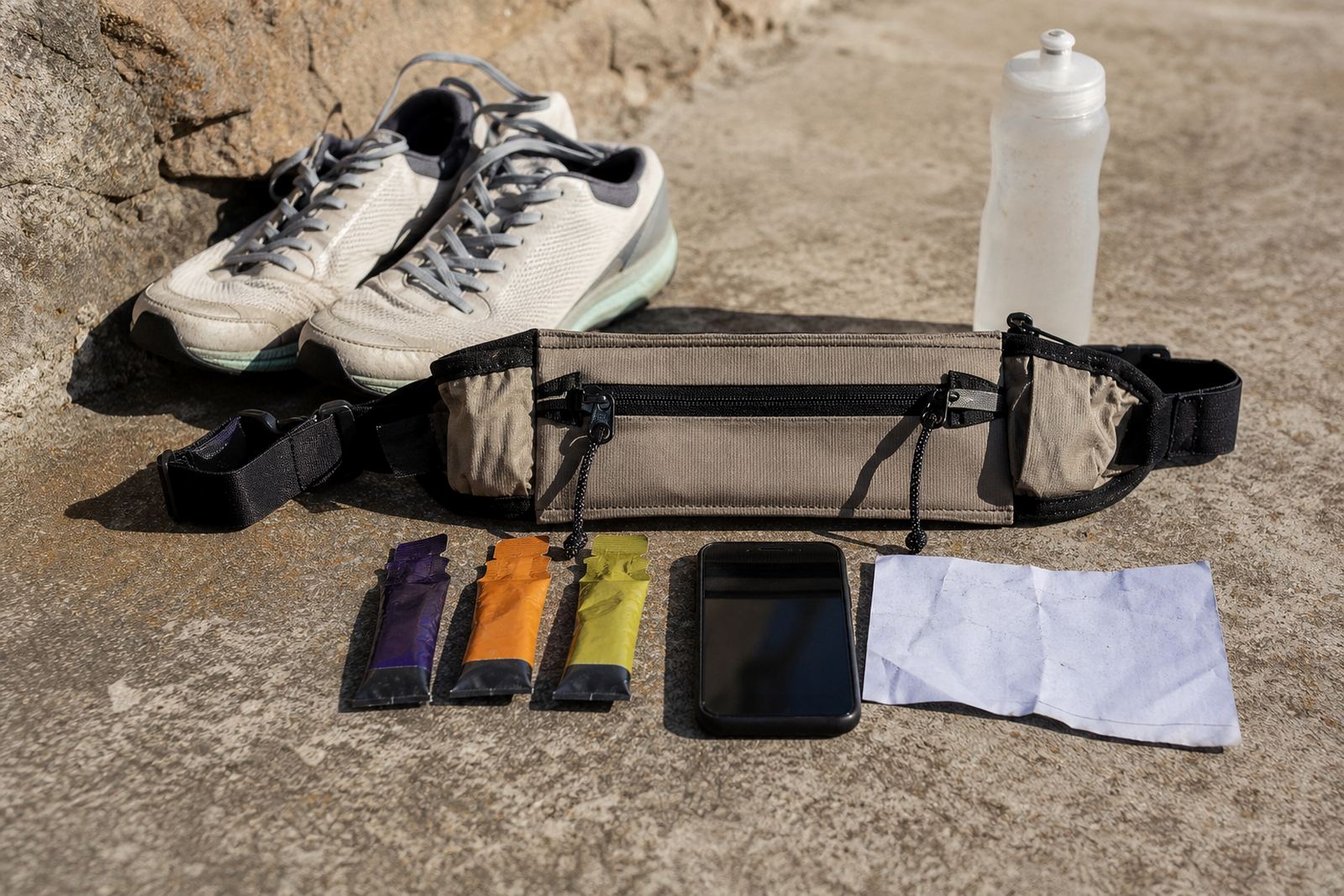
For most youth runners, less is better. The load should stay low so the belt remains stable on the run and does not encourage poor posture. A small bottle, a few sips of water and one or two simple snacks are usually enough for training, while race events may call for slightly more planning.
- Water for longer sessions, school cross country and hot afternoons.
- One gel, bar or small snack if the coach has planned fuelling.
- A race bib number, timing tag or emergency contact note where required.
- A light rain layer only when weather or event rules call for it.
Young runners often overpack because they think they may need everything at once. In reality, a clean setup makes them faster to move, easier to coach and less likely to complain halfway through the route.
Comfort on trails, roads and school events
Youth belt use changes a bit depending on the route. On trails around Jonkershoek or the lower slopes near Stellenbosch, the belt should hold close and not catch on branches or bounce on uneven ground. On road routes in Durban or Cape Town, the main concern is still stability but also quick access to water without stopping.
Race organisers and clubs in South Africa often need youth runners to move through start pens, water stations and finish areas with less fuss. A tidy belt helps with that. It keeps the runner organised and can make marshals' work easier as well, especially at busy local events where hundreds of participants are moving at once.
How coaches and parents can make belt use easier
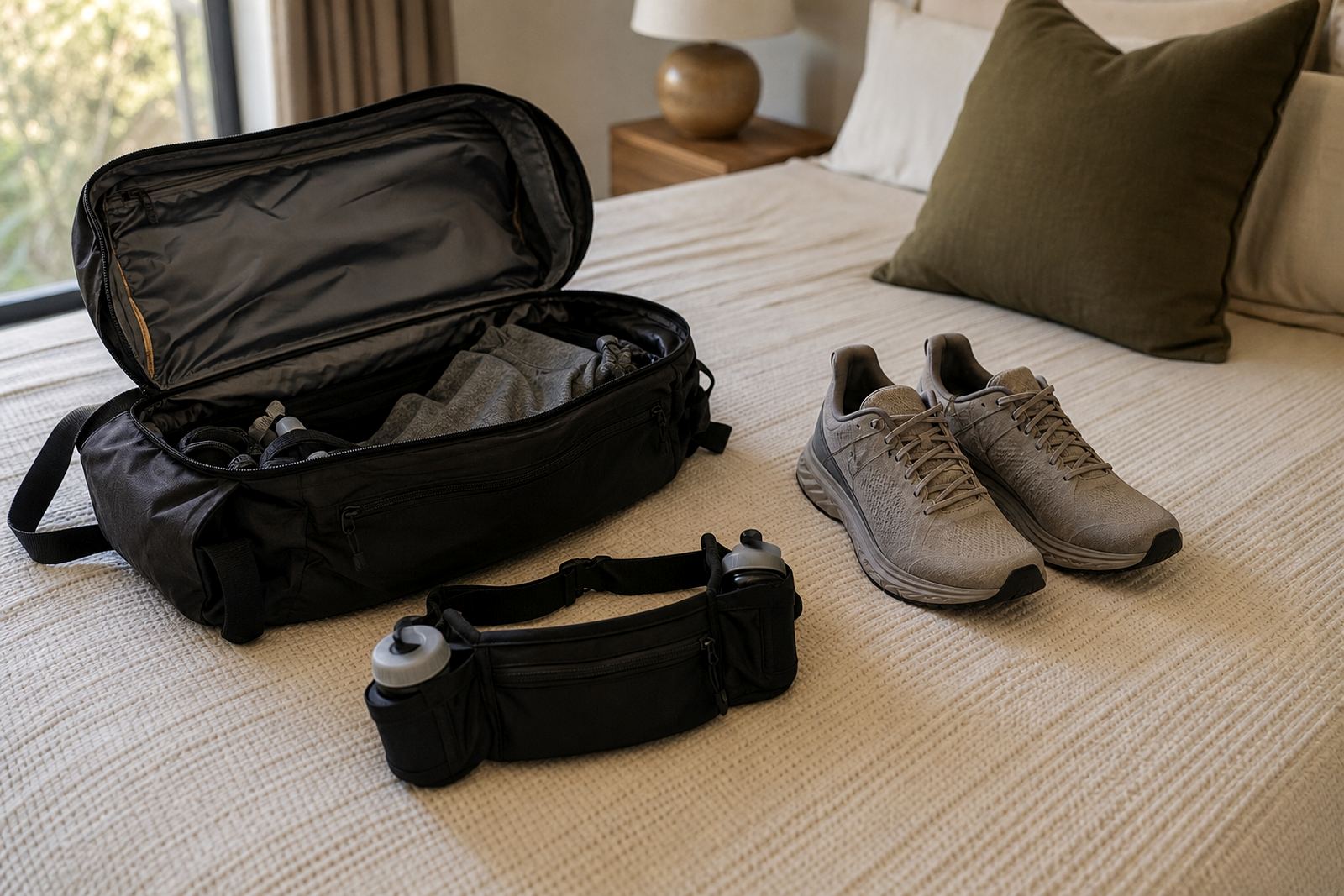
Parents and coaches play a big part in getting belt use right. If a young runner only sees the belt on race morning, it will likely feel strange. A few short training runs with the same setup makes a major difference, and the runner quickly learns how much water they like and where the belt feels best.
- Use the belt during warm up sessions before race day.
- Practice taking a sip while jogging, not while standing still.
- Check for rubbing under the arms or at the hips after the first kilometre.
- Teach the runner to pack the belt the same way every time.
In a busy household, this kind of routine saves time and avoids last minute stress. It also helps children build confidence because they know exactly what to expect before the start gun goes off.
Youth belt planning for events across South Africa
Event organisers, school teams and clubs often need different belt quantities for different age groups. A primary school fun run in Bellville does not need the same setup as a junior trail race in George, and a high school road event in Johannesburg may need clear size planning for boys and girls across several age bands.
That is where early sizing and simple order planning help. When the right sizes are set aside before packing day, there is less confusion at registration and fewer last minute swaps. It also makes distribution smoother for event staff, which matters when there are hundreds of entrants and a strict timetable to keep.
For youth runners, the right belt is not about carrying more. It is about carrying just enough, sitting comfortably and staying out of the way so the runner can enjoy the route and finish well.