
Why belt fit matters on every route
A waist belt is meant to sit close to the body, not bounce around with every stride. If it is too loose, the load shifts and starts to rub at the hips or lower back. If it is too tight, you lose comfort and may find it harder to breathe properly on long climbs or tempo sessions.
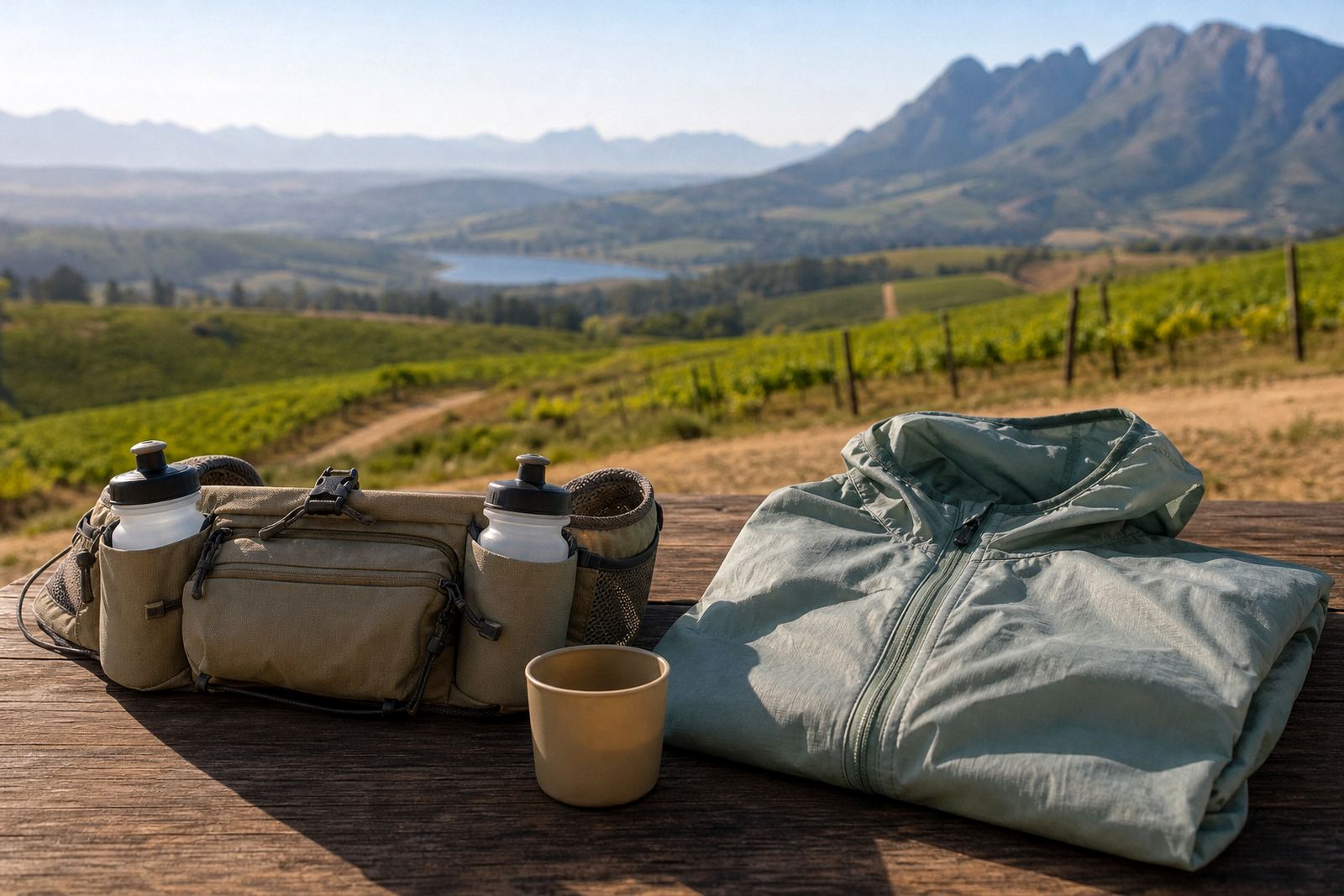
On the roads in Stellenbosch or on windy trail sections outside Cape Town, that stability matters. A good fit keeps your hydration steady, stops your contents from bouncing and helps you forget about the belt after the first kilometre. That is the goal. The belt should support your run, not become something you keep adjusting every few minutes.
- Less bounce means less chafing on longer runs
- Better balance keeps bottles and soft flasks in place
- Secure fit makes it easier to reach gels, keys and a phone
Where the belt should sit on your body
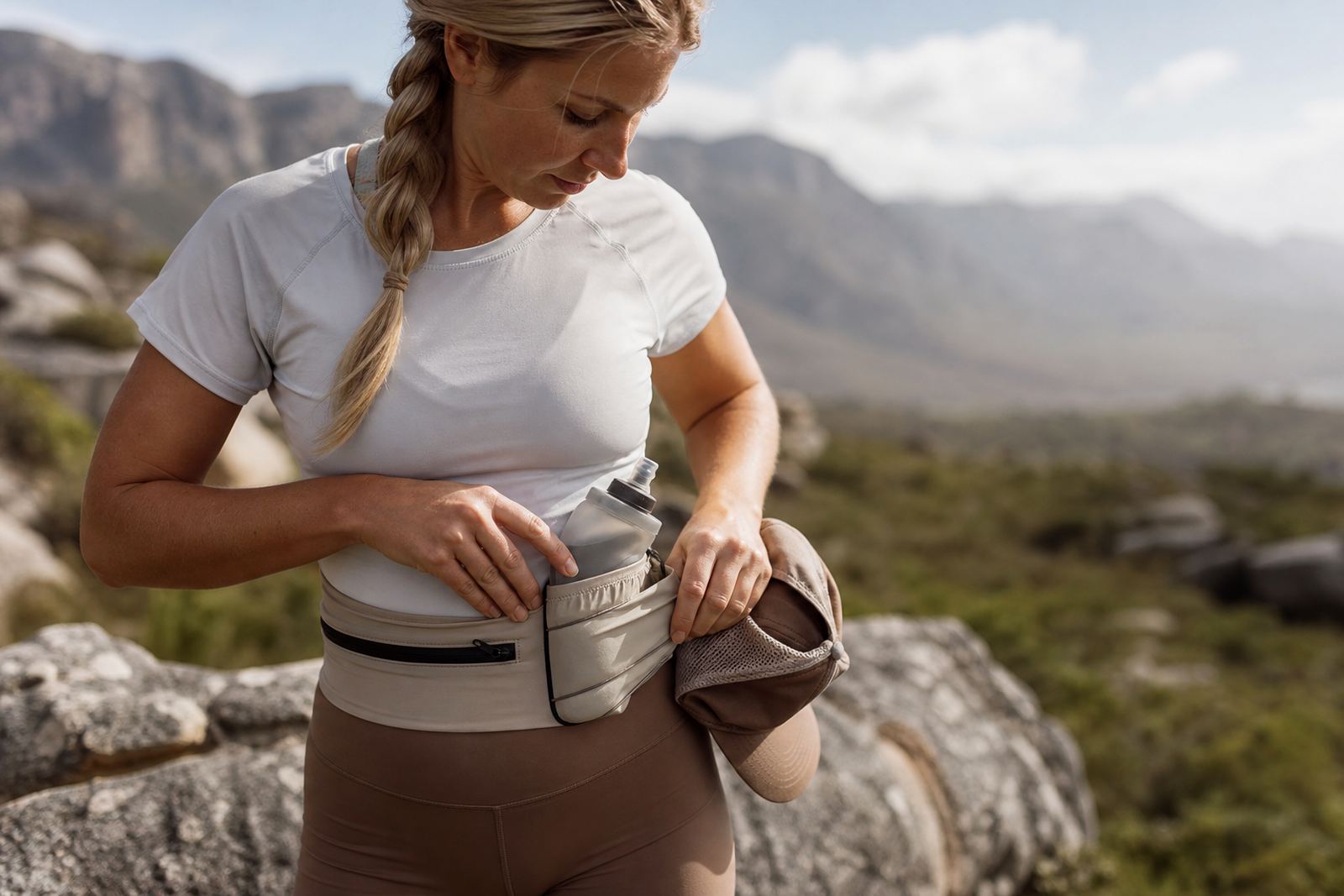
The best position is usually around the hips or just above them, where the belt can rest on the natural shape of your body. It should not ride up into your waistline and it should not hang low on the tops of your shorts. Most runners find the sweet spot by placing the belt where it feels secure when standing still, then testing it with a few jogs and some faster strides.
For race days and trail events, the fit should stay consistent whether you are running flat sections, climbing or moving through aid stations. If the belt slides upward, it often means the fastening needs adjustment or the belt is carrying too much weight on one side.
- Hip placement usually gives better stability than a loose waist fit
- Even load distribution helps prevent the belt from twisting
- A centred position makes it easier to reach pockets with both hands
How tight is tight enough
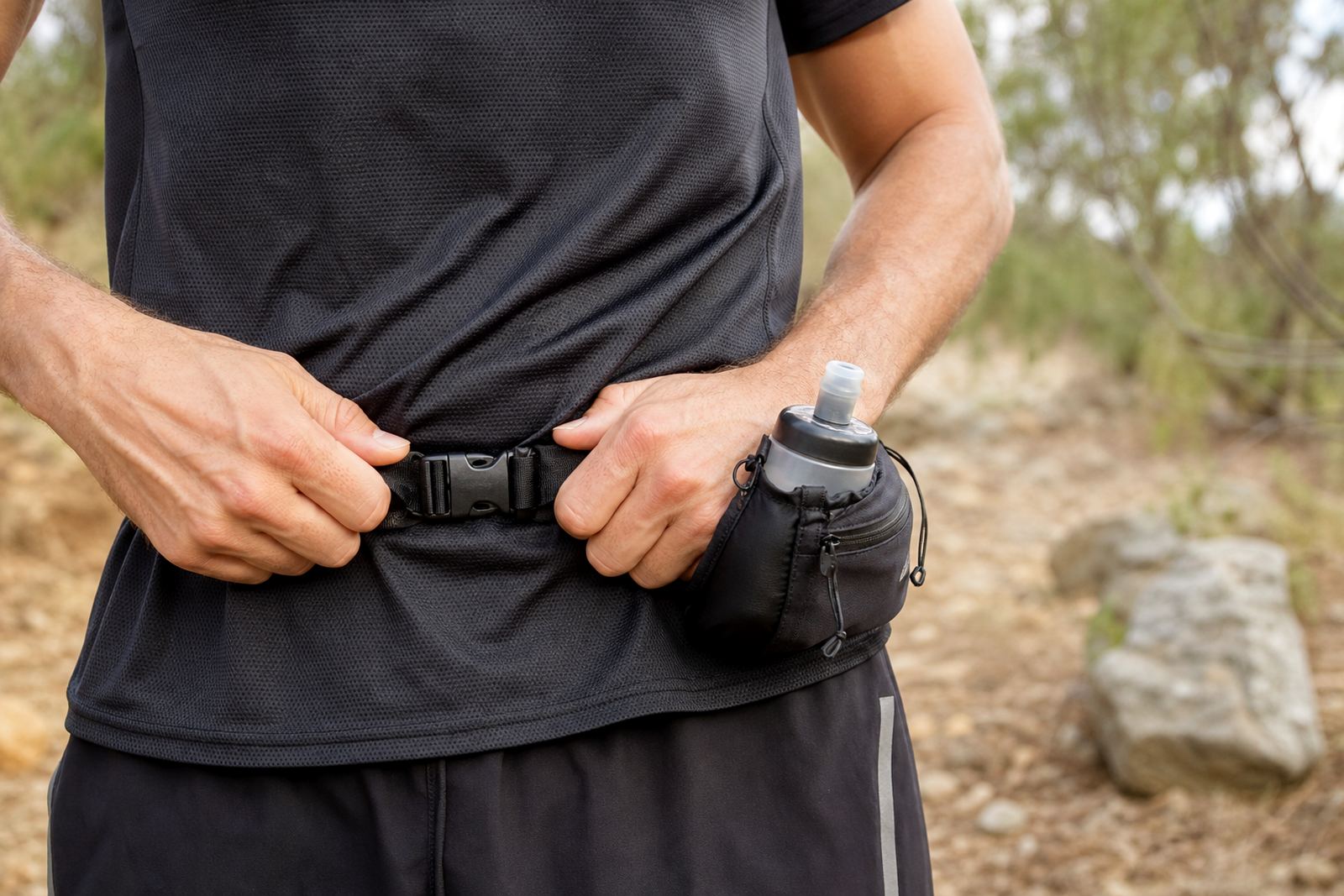
The right tension is snug, not restrictive. You should be able to breathe deeply, bend forward, and swing your arms freely without the belt digging in. A simple check is to slide one or two fingers under the belt after fastening it. If it feels loose enough to move side to side, it needs another adjustment. If it feels hard to breathe or leaves deep marks after a short run, it is too tight.
Most runners tighten more than they think before a race, then loosen slightly after the first kilometre. That is normal, but the belt should still hold firm from the start. On technical trails, a snug fit is especially important because sudden movement, rough ground and quick direction changes can shift a poorly fitted belt very easily.
- Snug enough to stay still during short sprints
- Loose enough to allow breathing on climbs
- Comfortable enough to wear for the full distance
Packing the belt so it stays balanced
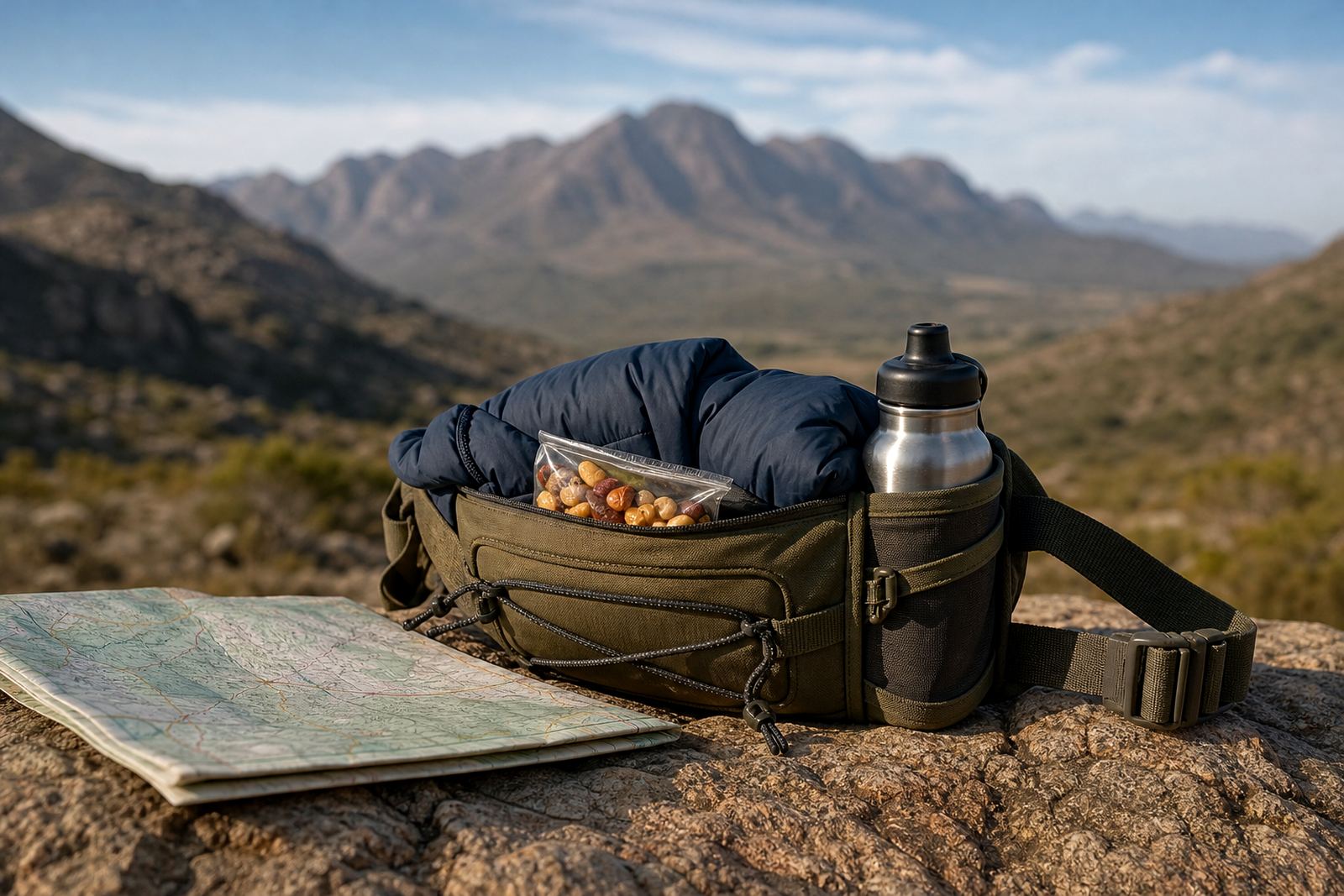
Even the best fit can be ruined by poor packing. Heavy items should sit close to the centre of the belt, while lighter items can go in the side pockets. If one side carries a full flask and the other side has only a few gels, the belt may twist each time you move. Balance matters just as much as tightness.
Before a trail race, lay out everything you need and decide what must be easy to reach. Keys, race nutrition and a small soft flask are often best placed where you can reach them without stopping. If you carry a phone, keep it secured in a pocket that does not slap against your hip. That extra movement becomes tiring over time, especially on longer runs.
- Keep heavier items centred where possible
- Split small items evenly across pockets
- Test the belt with your full race load before event day
Checking fit in real South African conditions
Fit on the day can change with weather, clothing and effort level. Coastal humidity around Cape Town or Durban can make the body feel warmer and slightly more sensitive to pressure. Cold early starts in the Western Cape may mean you begin with an extra layer, then take it off later. A belt should still feel secure in both situations.
Load-shedding also affects training routines for many runners, especially if you head out early in the morning or later in the evening. When your prep time is limited, it helps to do a quick fit check before every session rather than assuming yesterday's setting will still work. A five second adjustment can prevent an hour of irritation.
- Check the belt over the exact top or vest you plan to run in
- Test fit after adding water, not before
- Recheck after the first few minutes of running
A practical fit routine before race day
The easiest way to avoid problems is to treat belt fit like part of your normal warm up. Put the belt on, load it with the same items you will carry, and take a short walk, then a few easy strides. After that, do one short pickup. If the belt bounces, shifts or rubs, adjust it before heading to the start line.
Club runners and event organisers in Stellenbosch, Somerset West and Bellville often ask for fit checks during group sessions because one person may need a different setup from another. That is normal. Body shape, stride length and what you carry all affect the final fit. The best setup is the one you do not need to think about once the run starts.
- Fit it with race day clothing on
- Load it with your actual water and fuel
- Run a short test before a bigger session or event