Why soft flasks work so well in a running belt
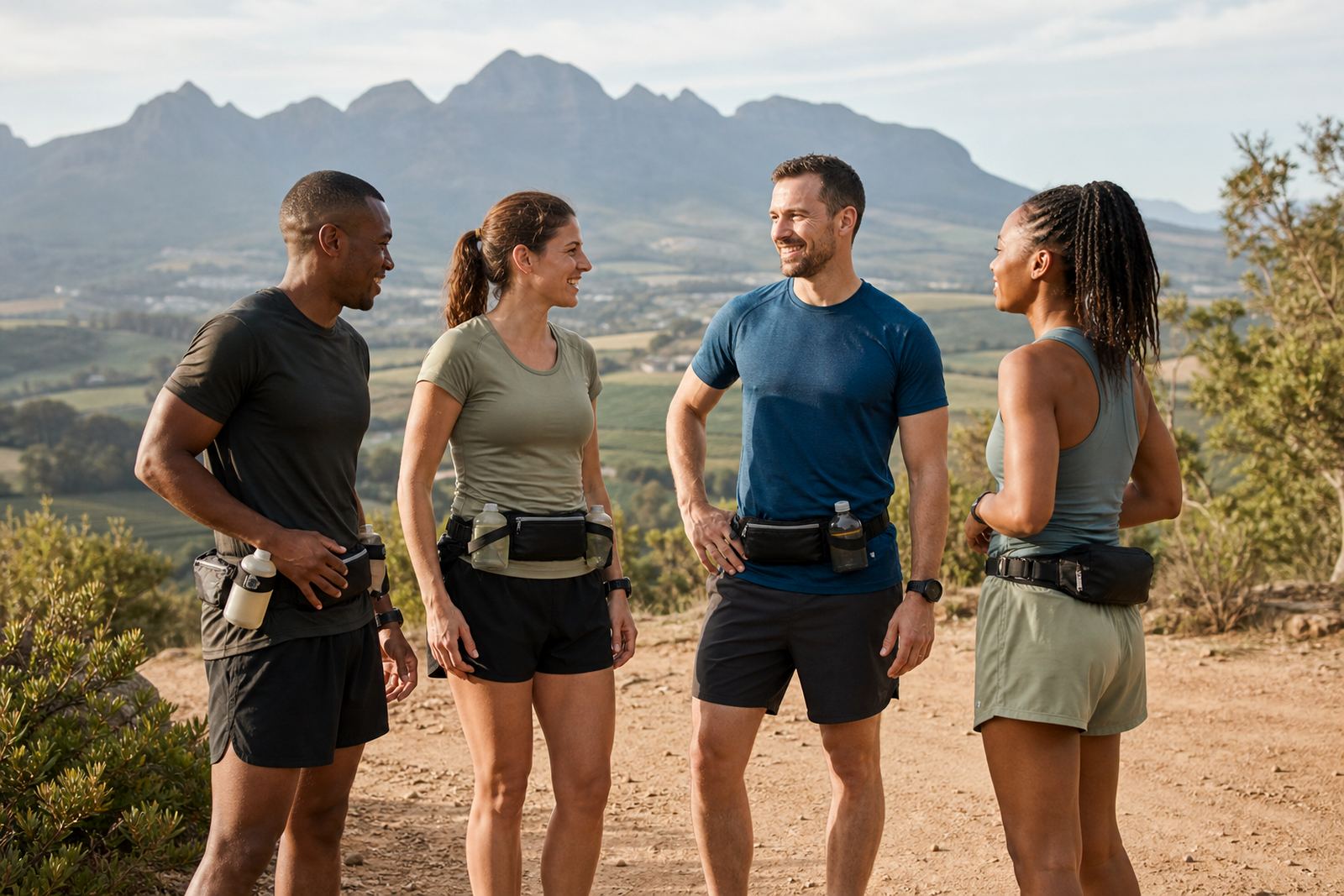
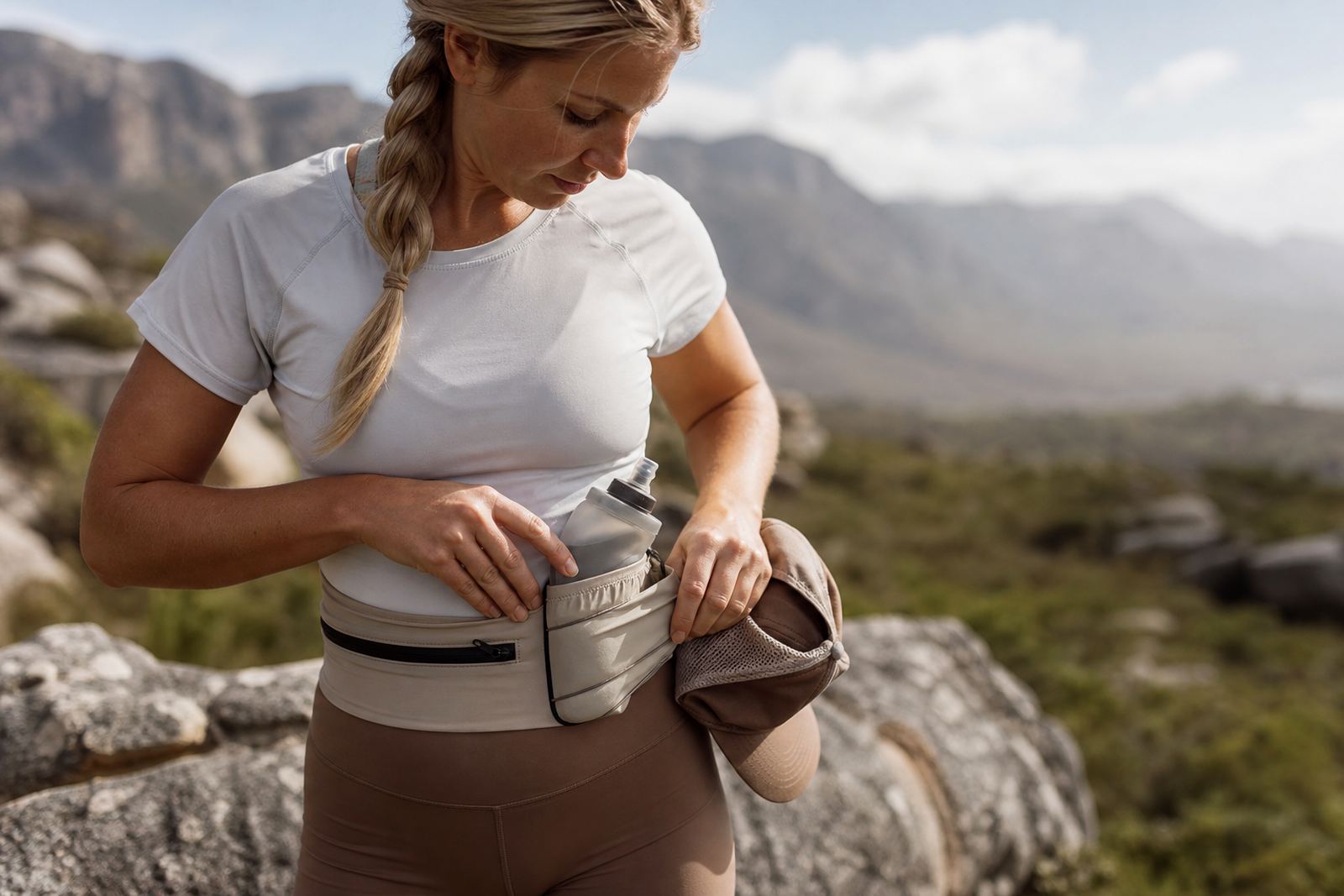
Soft flasks are useful because they shrink as you drink, so they do not slosh around like a rigid bottle can. That matters on a 10 km road run in Stellenbosch as much as it does on a longer trail session on Table Mountain or the Hottentots Holland side. When the flask sits snugly in the belt, the weight stays close to your centre and the run feels calmer.
The other benefit is speed. You can grab a sip without stopping, and that helps on race days where every second counts. For runners who train before work or after school pickups, the easier it is to drink, the more likely you are to keep the habit.
- Less bounce than a hard bottle when the pocket is the correct size
- Better comfort on longer efforts where water needs change as you warm up
- Simple access for road marathons, trail races and club runs
Getting the belt fit right before you load the flasks
Fit comes first. A waist belt that sits too low will move around, while one that is too tight can press into the stomach and make breathing awkward. The best position is usually high on the hips or just above them, where the belt can stay stable without digging in. That is especially important for runners carrying soft flasks, keys, gels and a phone at the same time.
Take a few minutes to test the fit before race day. Walk, jog, then add a short hill effort so you can feel whether the belt shifts. If you are using it in warmer coastal conditions around Durban or on windy days in Cape Town, a proper fit becomes even more important because sweat and movement can change how the belt feels after 30 minutes.
- Start with the belt empty and adjust it before loading any gear
- Check that you can breathe deeply without the belt riding up
- Test the fit with your usual race kit, not just casual clothing
Pocket shape and flask size should match
Not every pocket suits every flask. Some runners try to force a larger flask into a small sleeve and then wonder why the belt bounces. Others use a pocket that is too loose, which lets the flask wobble when the bottle is half empty. The best match is a pocket that holds the flask securely from the first kilometre to the last, even when the bottle starts to soften.
For South African runners, it also helps to think about the distance and the route. A short parkrun in Bellville may only need one small flask, while a longer trail route outside George or a race event in Johannesburg may need extra capacity and a more secure layout. If the flask sits upright and close to the body, it is easier to keep your rhythm.
- Choose pocket depth that supports the full flask, not just the top section
- Make sure the opening is snug enough to limit side-to-side movement
- Match flask size to route length, weather and aid station spacing
How to pack the belt without creating bounce
Soft flasks are only part of the story. The way you pack the rest of the belt affects comfort just as much. Heavy items should sit evenly on both sides, with lighter items tucked into smaller pockets. If all the weight sits on one hip, the belt can twist after a few kilometres and that becomes irritating on longer runs.
Think about what you actually need. Most runners do not need to carry half their house. A clean layout makes it easier to find gels, a small packet of salt tabs, or a phone without stopping at a trail crossing or road junction. For event participants, this also makes race day simpler because the same setup can be used from start line to finish.
- Balance weight from left to right wherever possible
- Keep soft flasks close to the body and avoid overstuffing side pockets
- Use dedicated spaces for keys, cards and small nutrition items
Heat, wind and long distances change what runners need
In the Western Cape, weather can change quickly. A cool Stellenbosch morning can turn into a hot, dry afternoon, while coastal humidity in Durban can make hydration feel more urgent earlier in the run. On windy days, a belt that sits well can still feel different once you start moving faster or climbing hills. That is why the same setup should be tested in more than one condition.
Longer distances also change the way the belt feels. A flask that felt perfect at 5 km may feel awkward at 18 km if the weight is not spread properly. If you are training for a half marathon, marathon or trail event, practise with the exact amount of water and gear you plan to carry. It is a simple step, but it saves a lot of fuss later.
- Use slightly tighter fit in windy conditions to limit movement
- Train with the same liquid volume you will use on race day
- Adjust your setup for heat, hills and the expected water points
A local example from Stellenbosch to race day
One common example is a club runner from Stellenbosch preparing for a road race in Cape Town. On short weekday runs, the runner may only need one soft flask and a gel. But for a longer weekend session on a trail route near Jonkershoek, the same runner may need two flasks, a phone and a small emergency item. If the belt is not planned around that change, the run becomes clumsy.
That is where practical fit advice helps. When the belt is sized correctly, the runner can move from training to race day without changing the whole routine. For clubs, event organisers and individual athletes, this reduces mistakes and keeps the focus on the run instead of the gear.
- Test one short run and one longer run before a race weekend
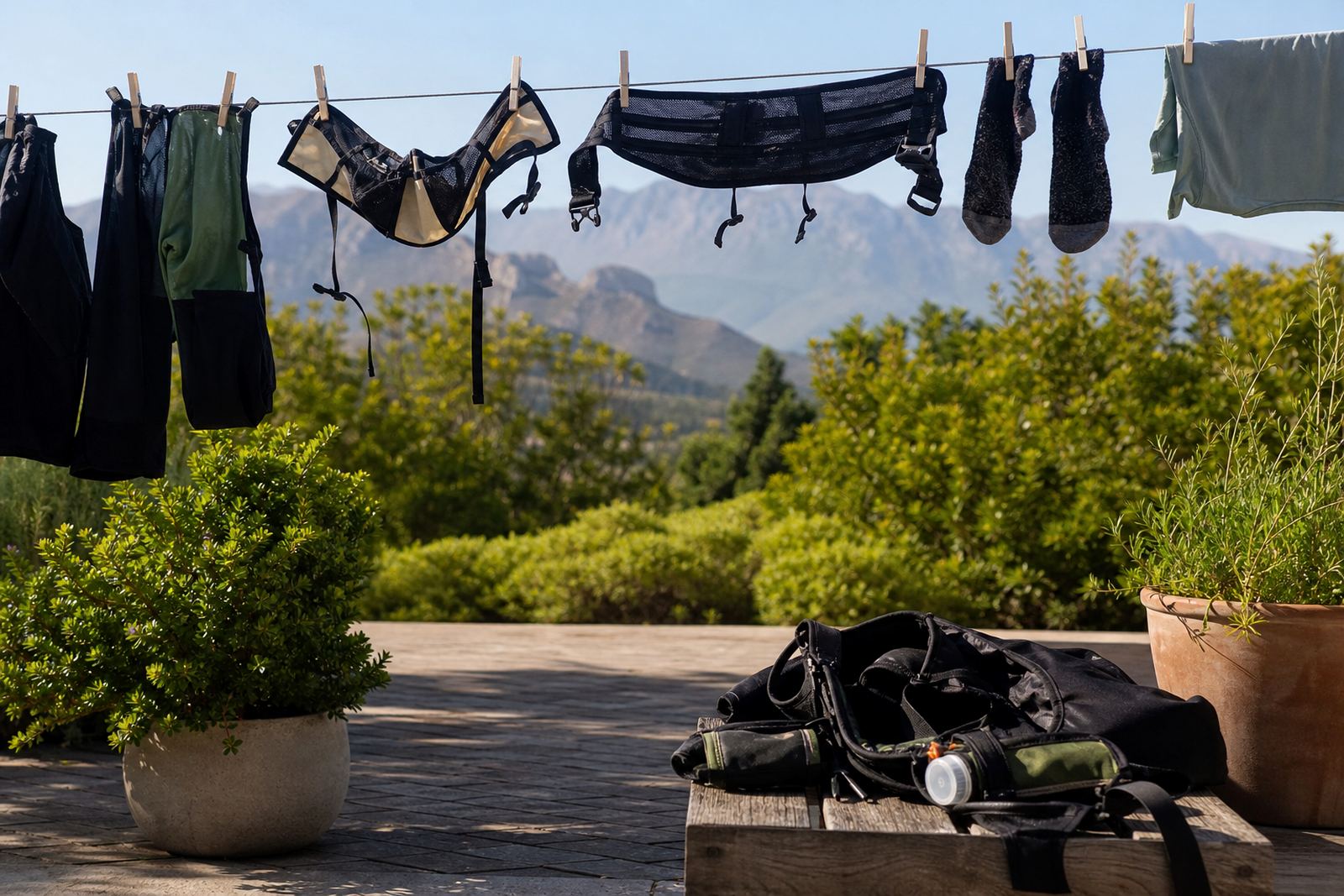
- Check the belt after washing, because fabric tension can change slightly
- Keep a repeatable packing routine so the setup feels familiar each time
When to ask for help choosing a belt setup
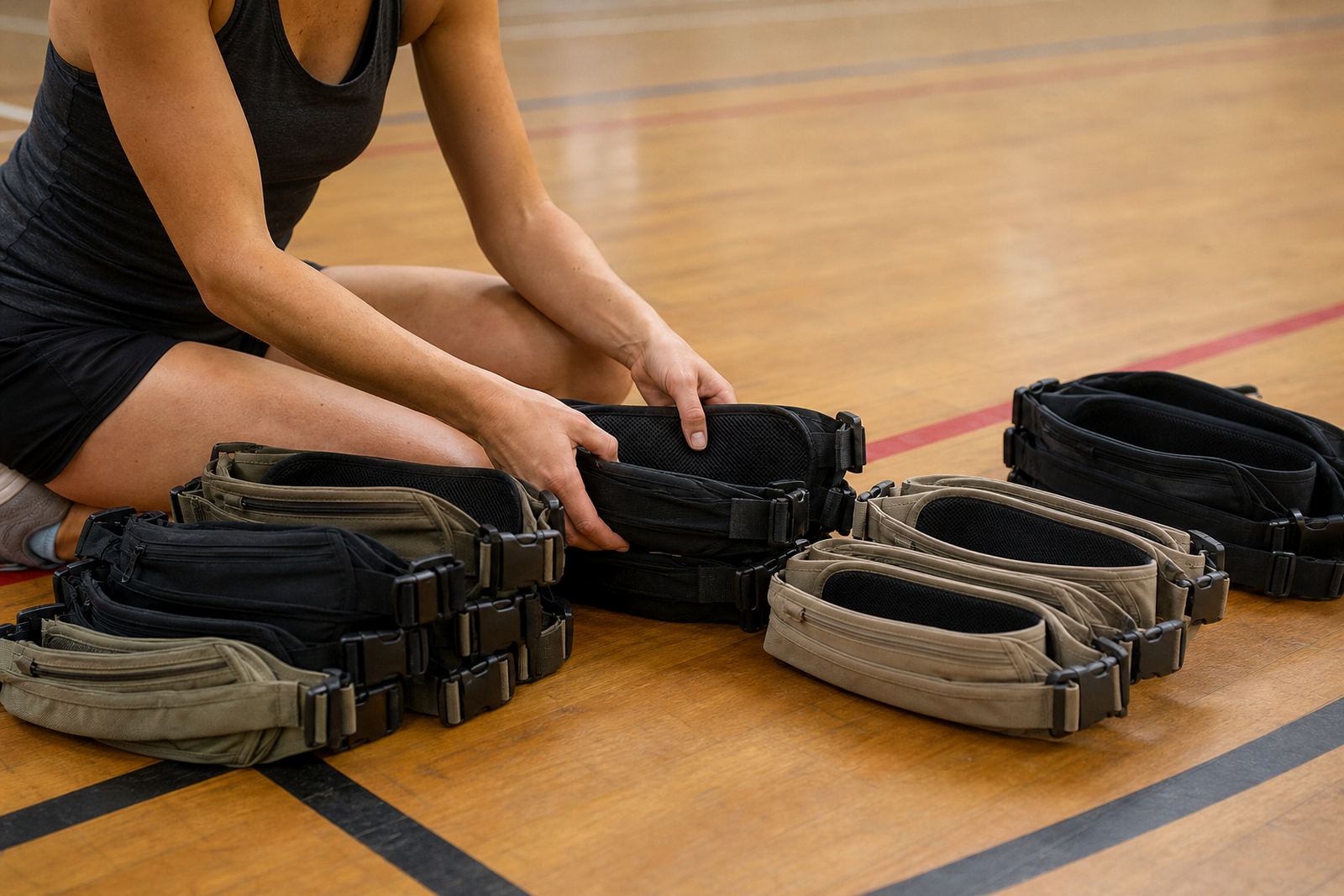
If you are unsure about flask size, pocket shape or how much to carry, it is worth asking before you place an order for a club or event. The right advice can save a lot of trial and error, especially when you are planning for a mixed group with different waist sizes and hydration needs. That matters for race organisers, running clubs and corporate event teams as much as it does for individual runners.
Waistbag Run works with runners across South Africa, from Cape Town and Somerset West to Johannesburg, Durban and George. If you need help with participant sizing, custom colour runs, crew belt kits or event belt supply, the right belt layout makes the whole race experience easier. A soft flask should support the run, not fight against it.
- Ask about sizing before bulk orders or event pack planning
- Check whether your route needs one flask or two
- Confirm the belt setup for trail runners, road runners and race crews separately