

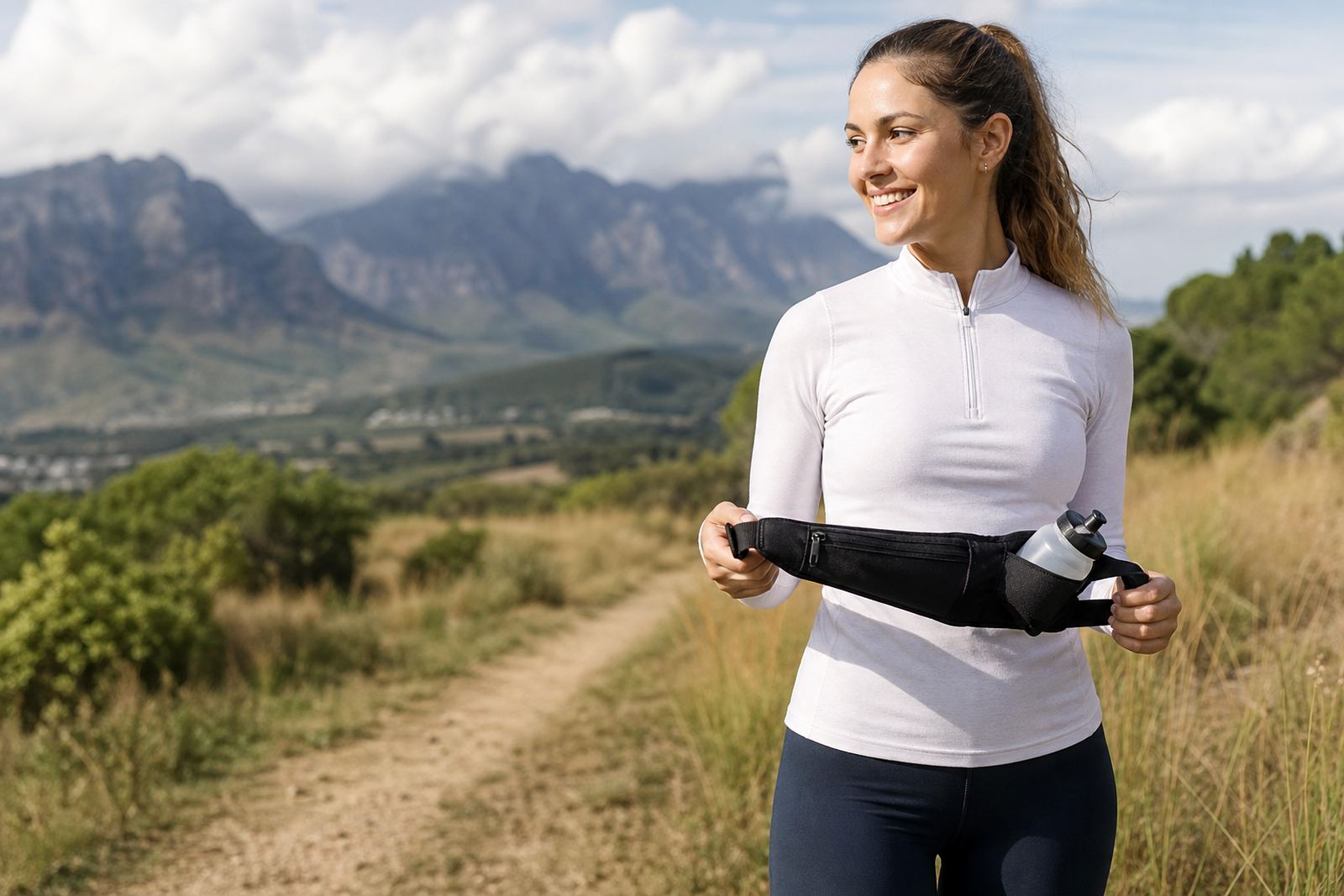
Start with your run distance and the kit you carry
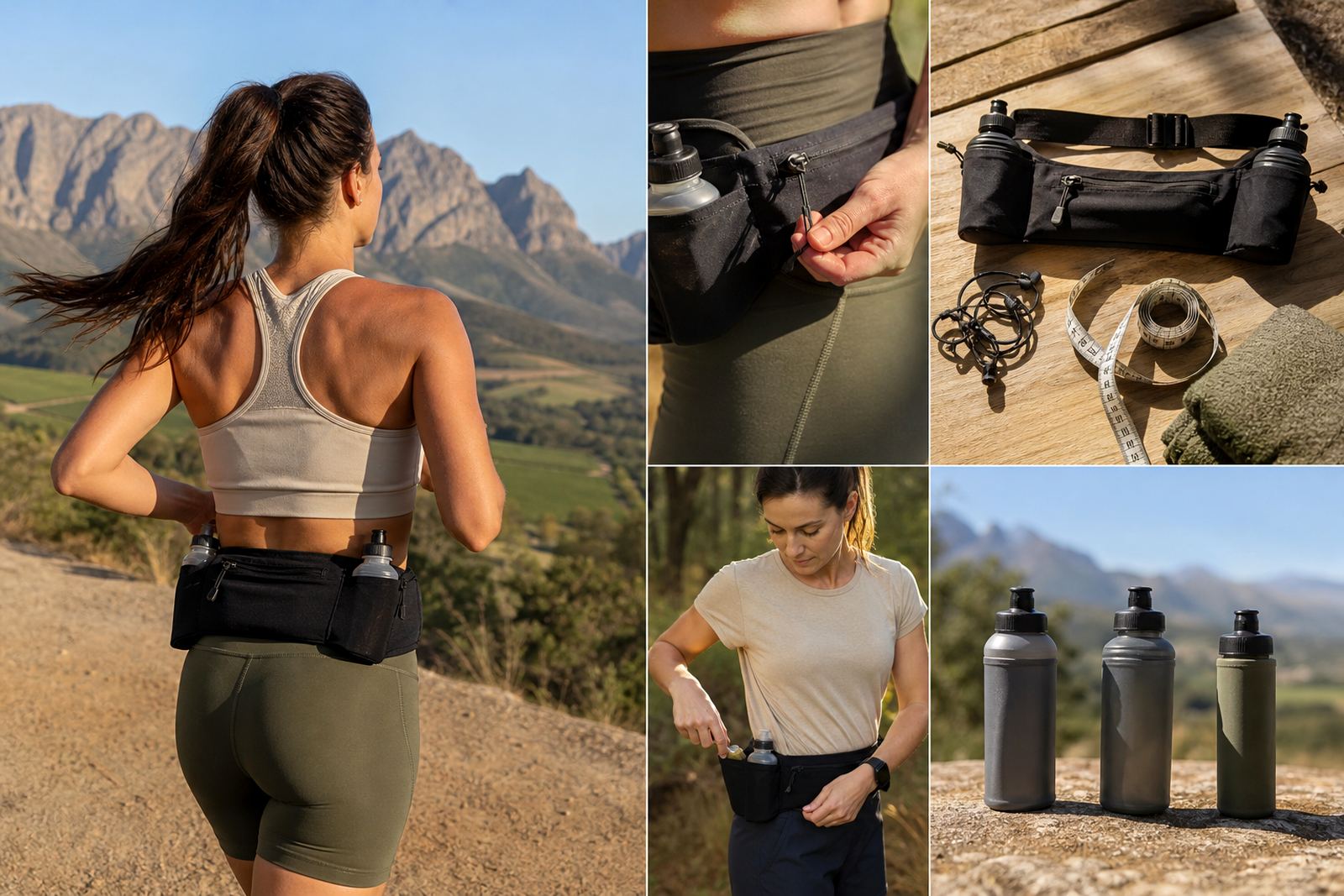
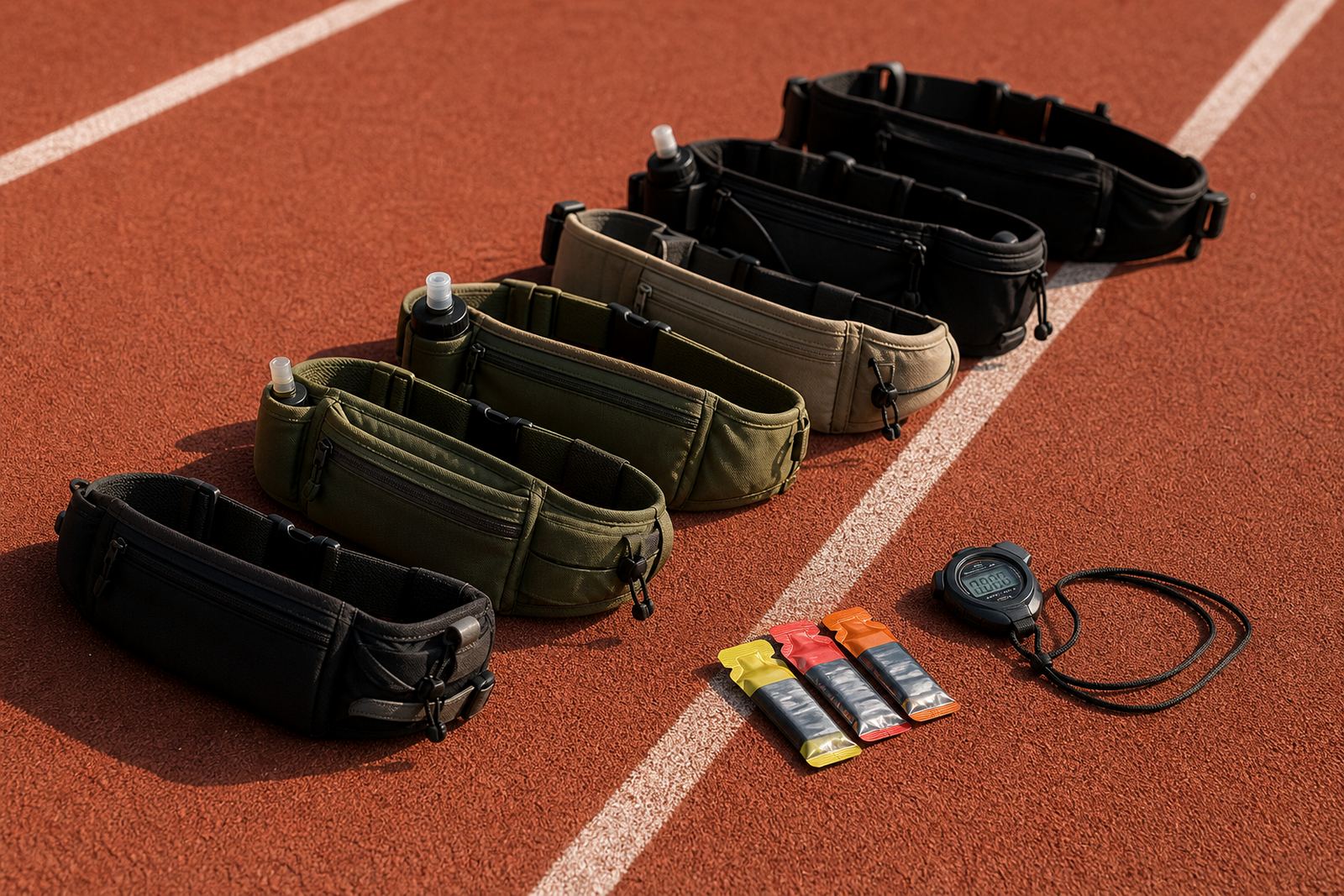
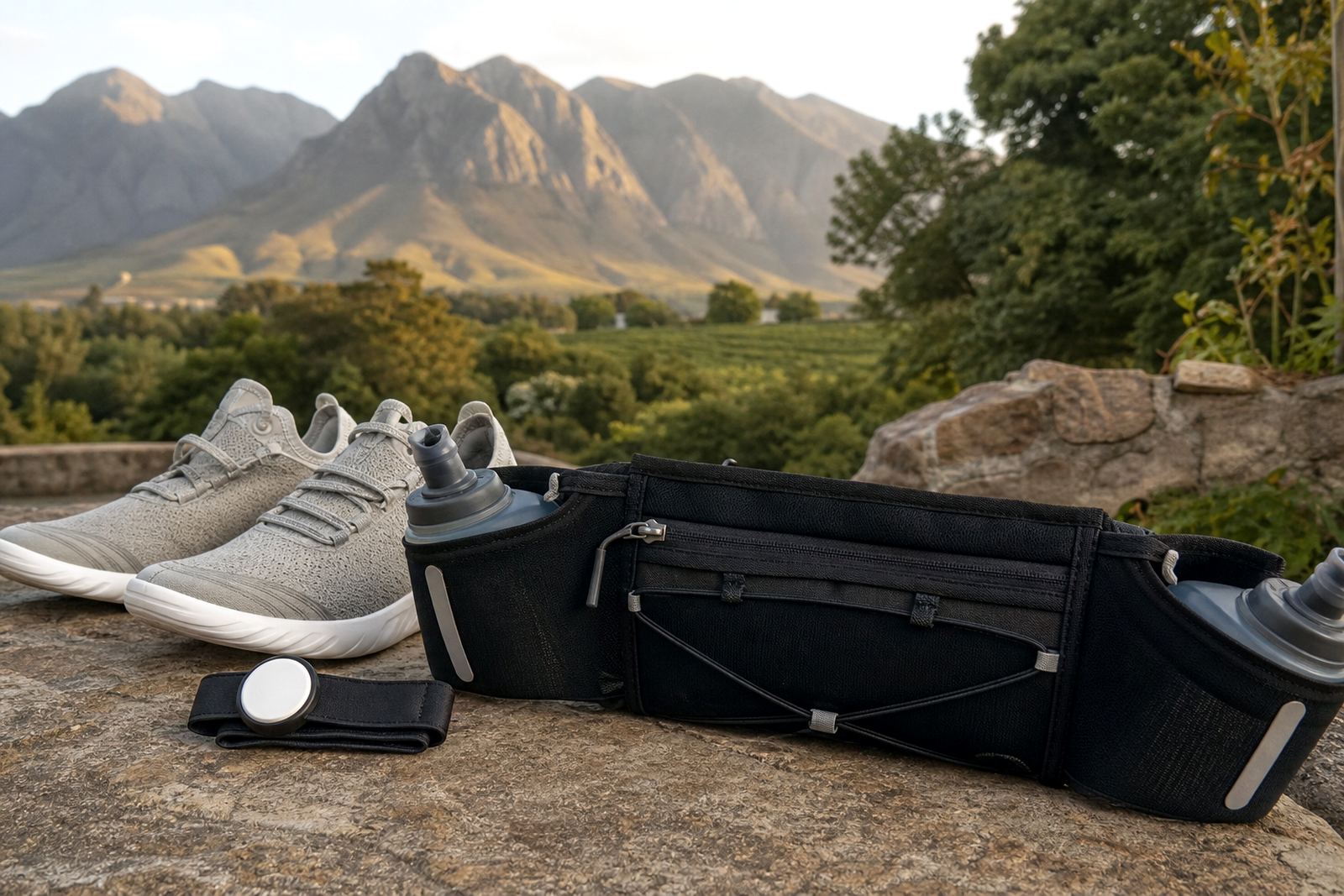
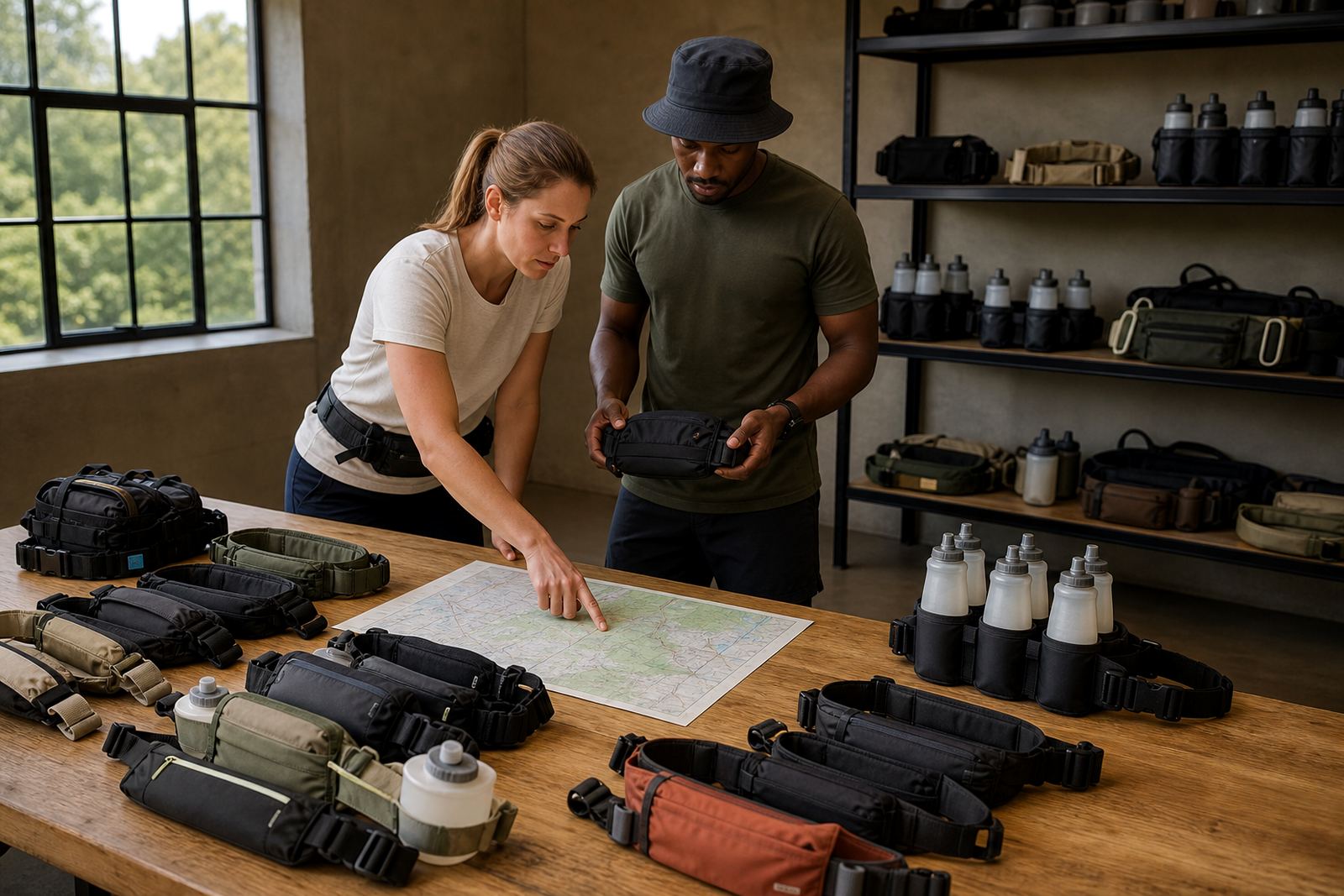
The right waist belt depends on how far you run and what you need within reach. A 5 km parkrun, a half marathon, and an ultra trail on Table Mountain do not ask the same thing from a belt. Some runners only need a phone, car key and a soft flask. Others need gels, salt tabs, a windproof layer and room for a second bottle.
Before choosing, think about the route, the temperature and how often you stop. In the Western Cape summer, a belt with easy water access matters on open road sections and exposed trails. In Durban's humidity, stable fit and good airflow can matter just as much. On race day, you want a belt that stays put when the pace changes and still feels fine after 20 or 30 kilometres.
Fit matters more than people expect
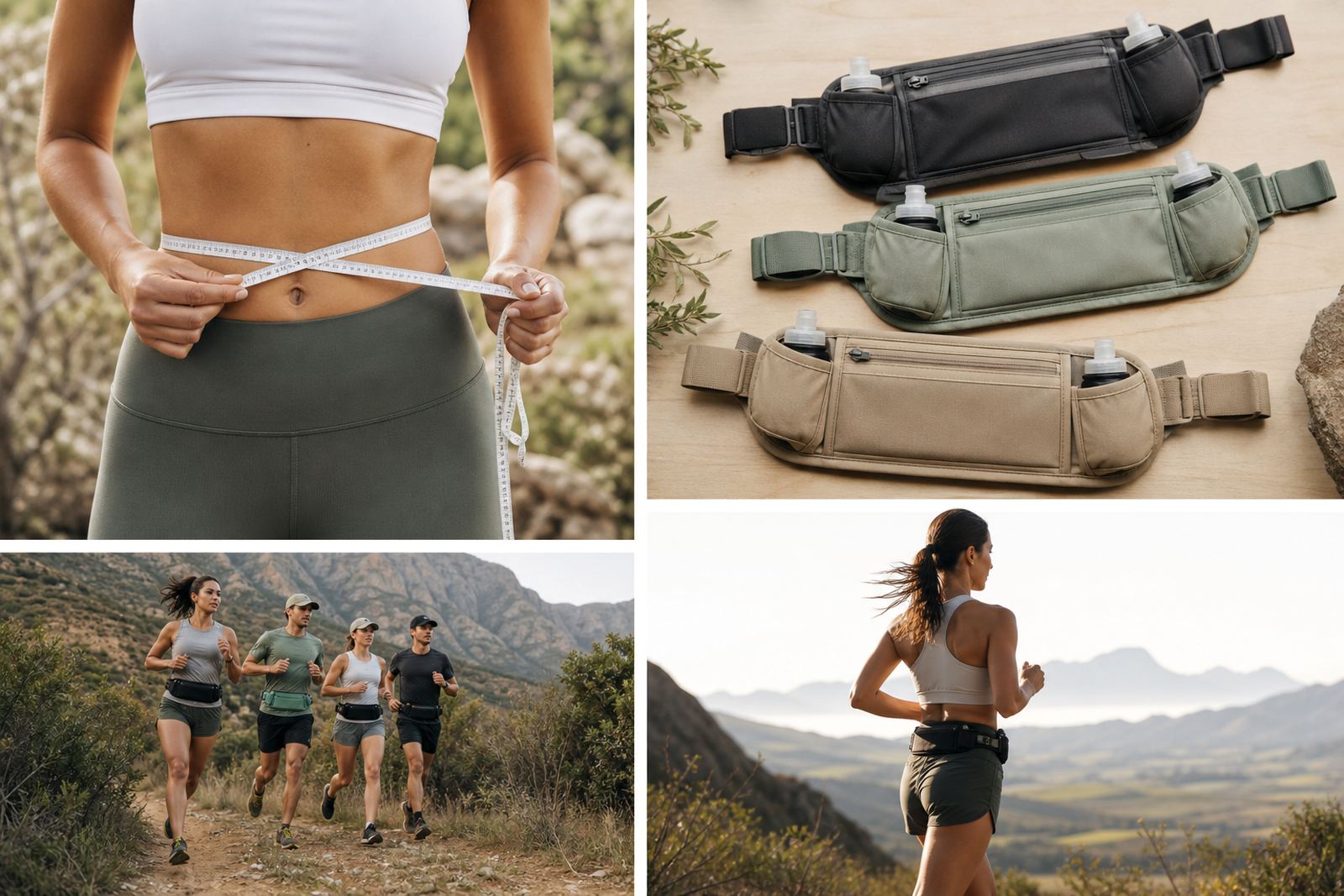
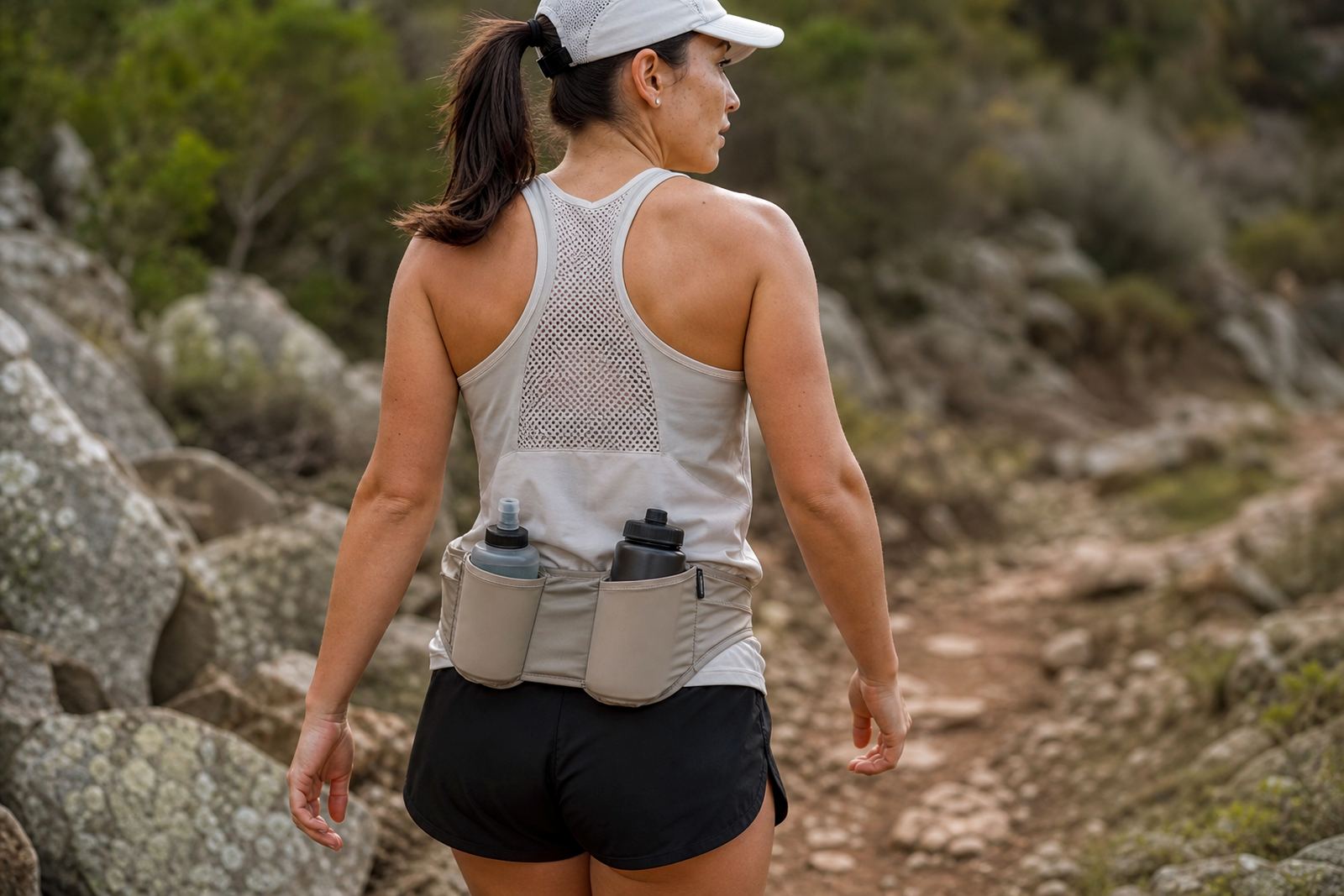
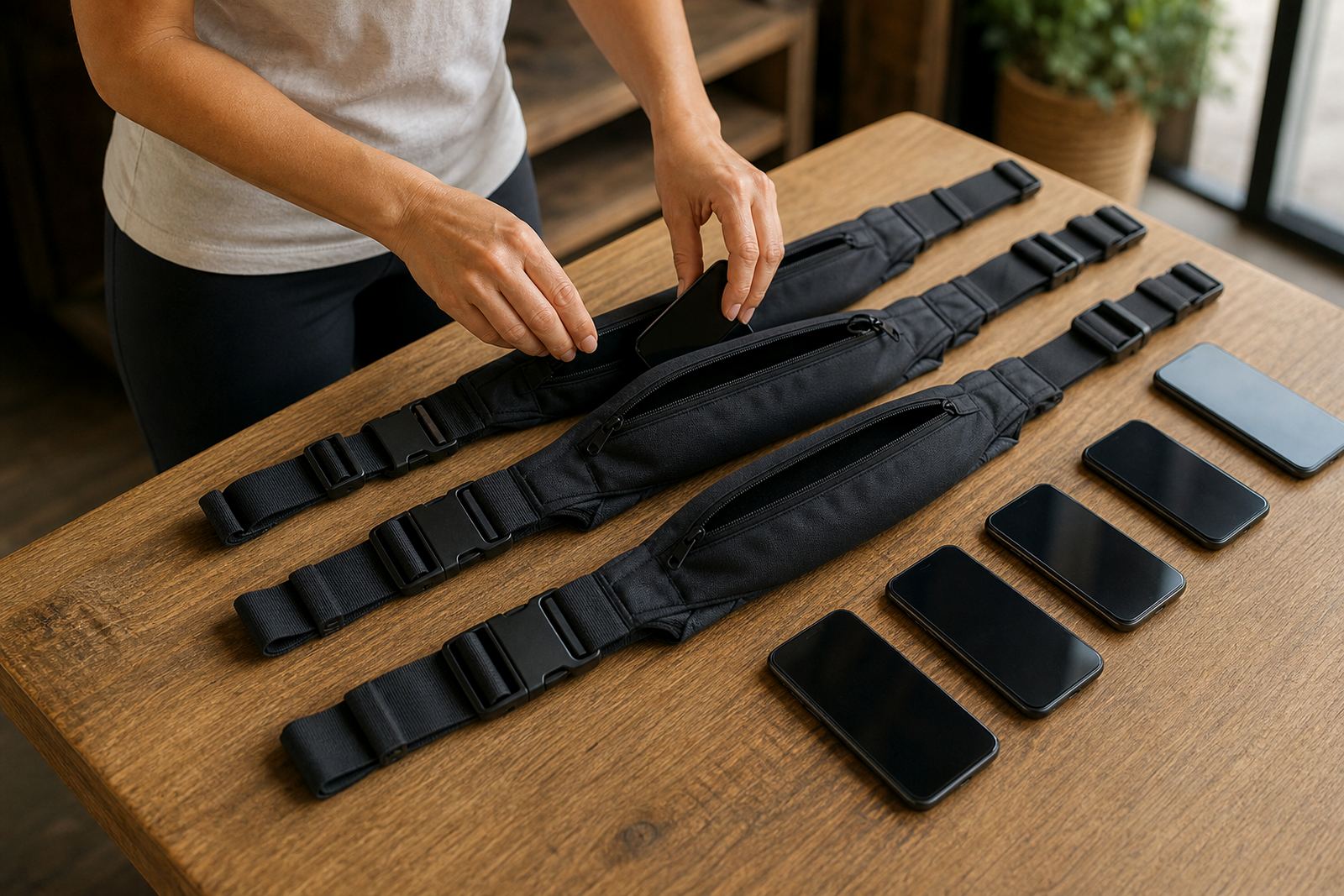
A waist belt should sit snugly on the hips and not bounce when you turn, climb or descend. If it rides up, the load shifts and the water sloshes. If it is too tight, breathing feels restricted and the belt becomes distracting by the third hill. The best fit is firm but not harsh, with enough stretch for movement and enough hold for a full bottle or two.
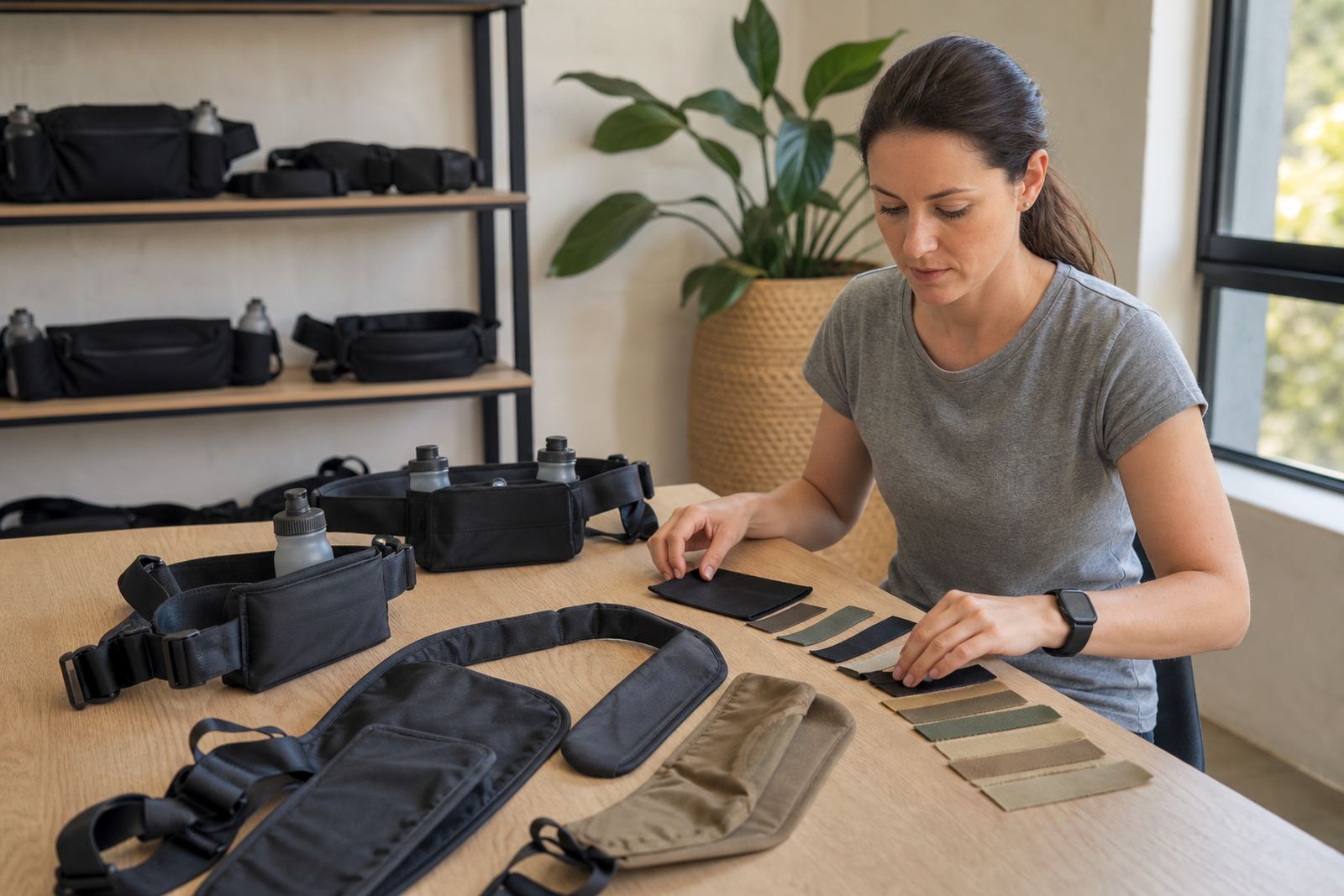
We guide buyers through sizing for individual runners, clubs and event groups. That includes checking waist range, preferred layer of clothing, and whether the runner wears the belt over a singlet, tee shirt or jacket. For team orders, participant sizing sheets help reduce returns and last minute swaps. It saves time and keeps the pack issue clean.
- Measure over the clothing you will run in most often
- Check how the belt sits when bending, turning and climbing stairs
- Leave a little room for winter layers in colder inland mornings
- Test the fit with a filled bottle, not just an empty belt
Choose the hydration setup that matches your route
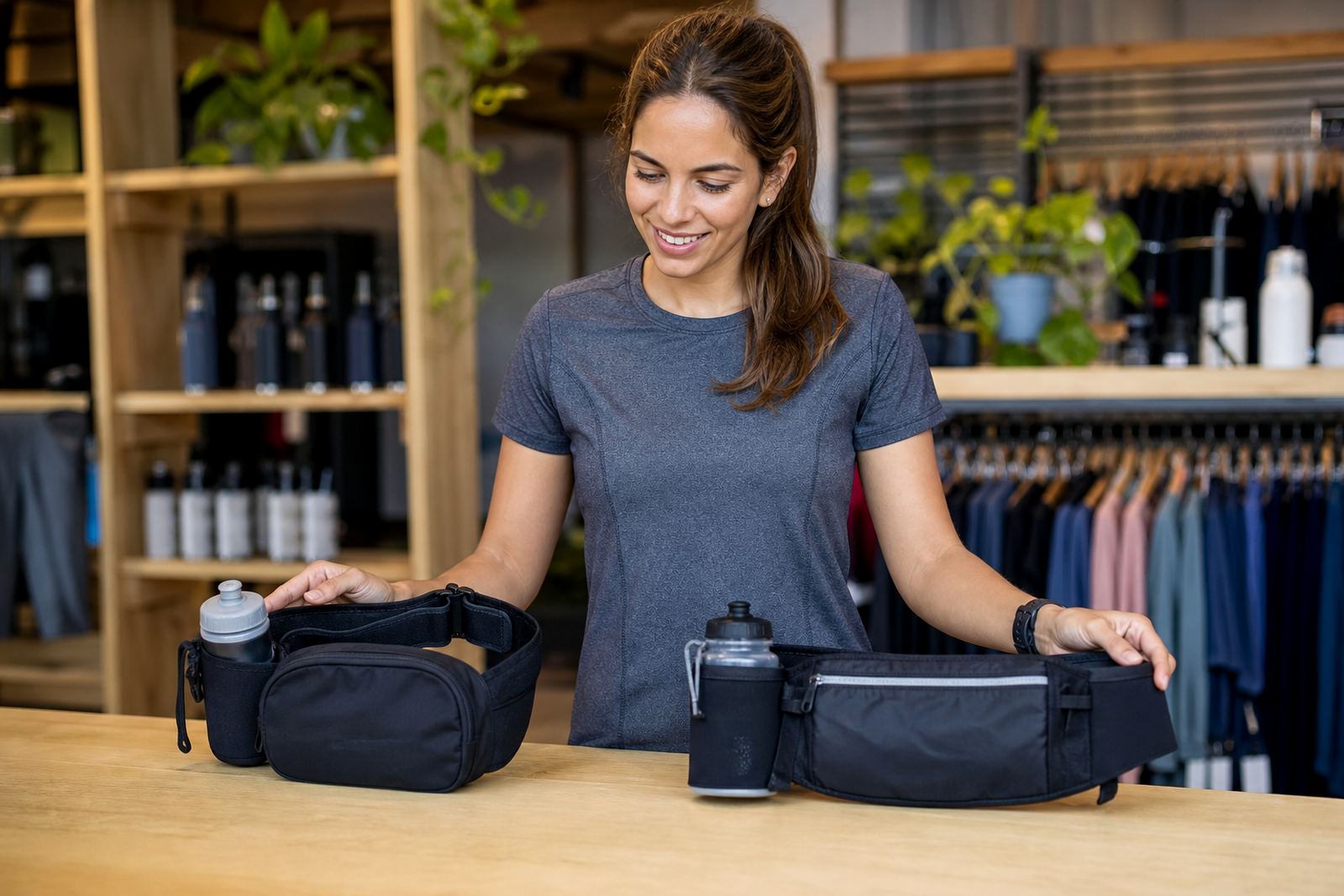
Some runners prefer one bottle for short to medium distances. Others want twin hydration points for longer efforts, training runs and event support. The right choice depends on how far you need to go between water points, whether you carry sports drink or plain water, and how much you want to sip on the move.
For trail routes outside Stellenbosch or George, many runners like the security of a steadier hydration layout on uneven ground. For road events in Cape Town, Johannesburg or Somerset West, faster access and simple refilling may matter more. We also help clubs and race organisers plan bottle layout for groups so that supplies are matched to the course and the runner profile.
- Short runs: light carry, quick access, minimal bulk
- Half marathon training: balanced storage and hydration access
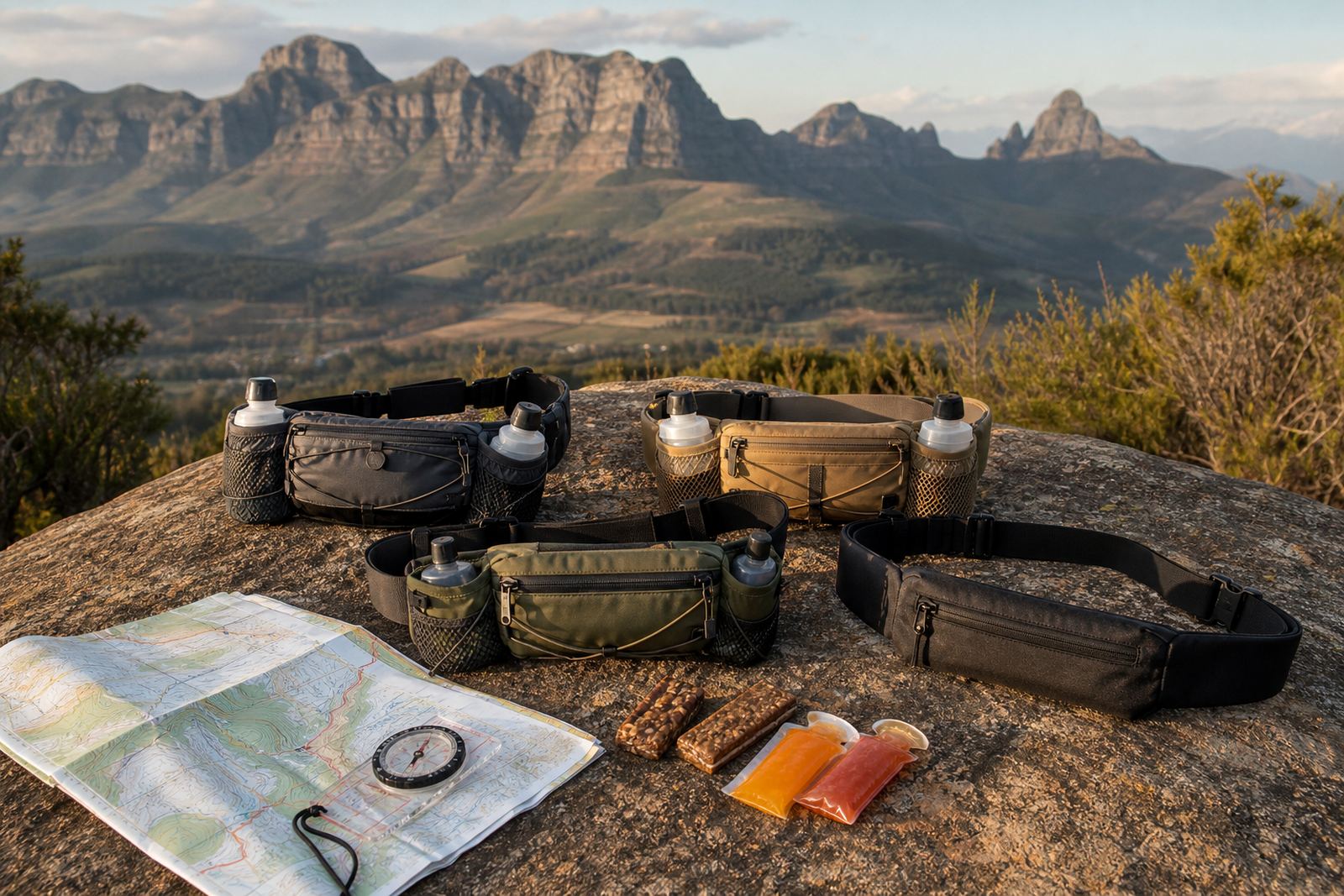
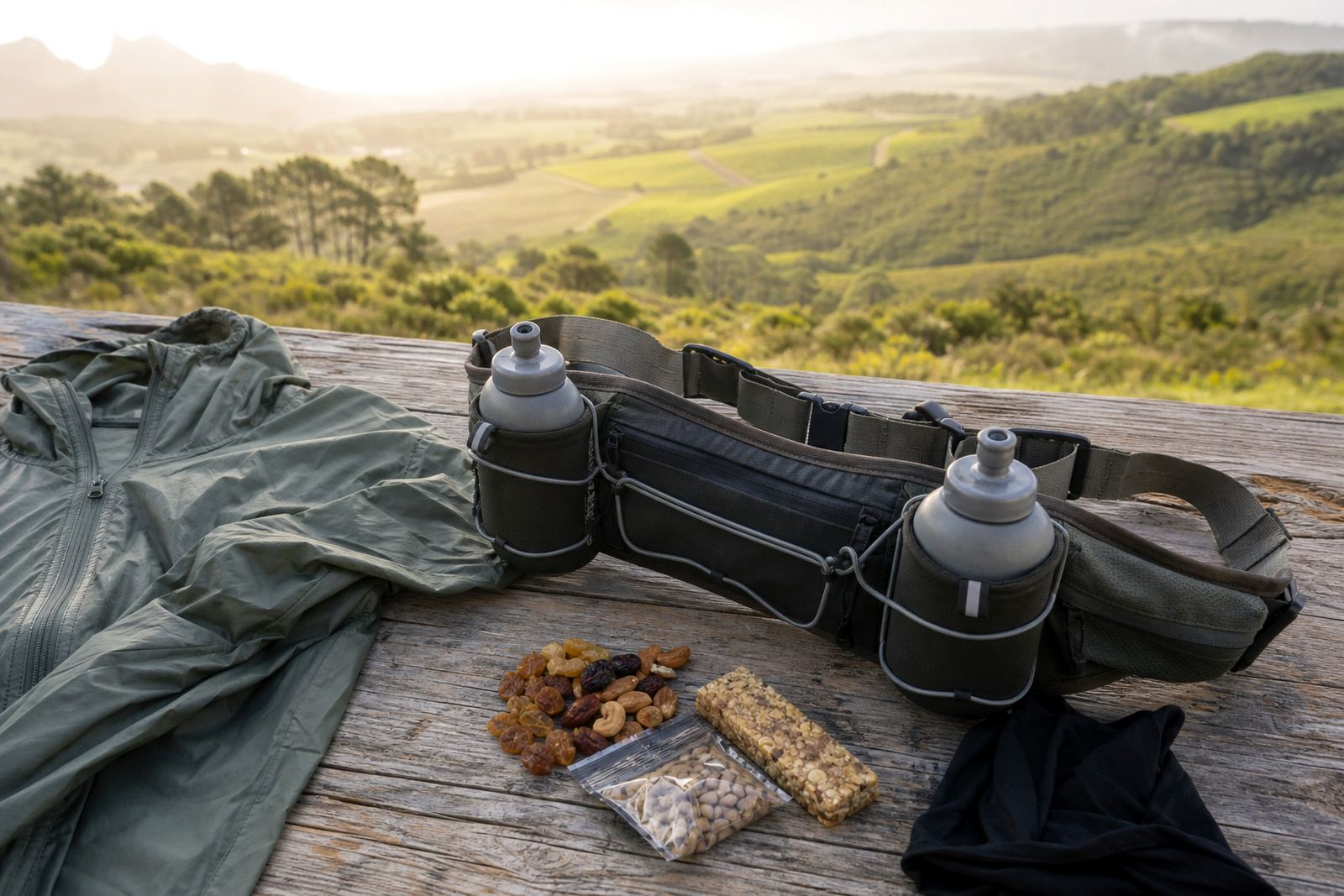
- Trail events: secure hold, bottle stability and room for nutrition
- Group or event use: clear sizing and repeatable pack setup
Storage choices for gels, keys, phones and race day extras
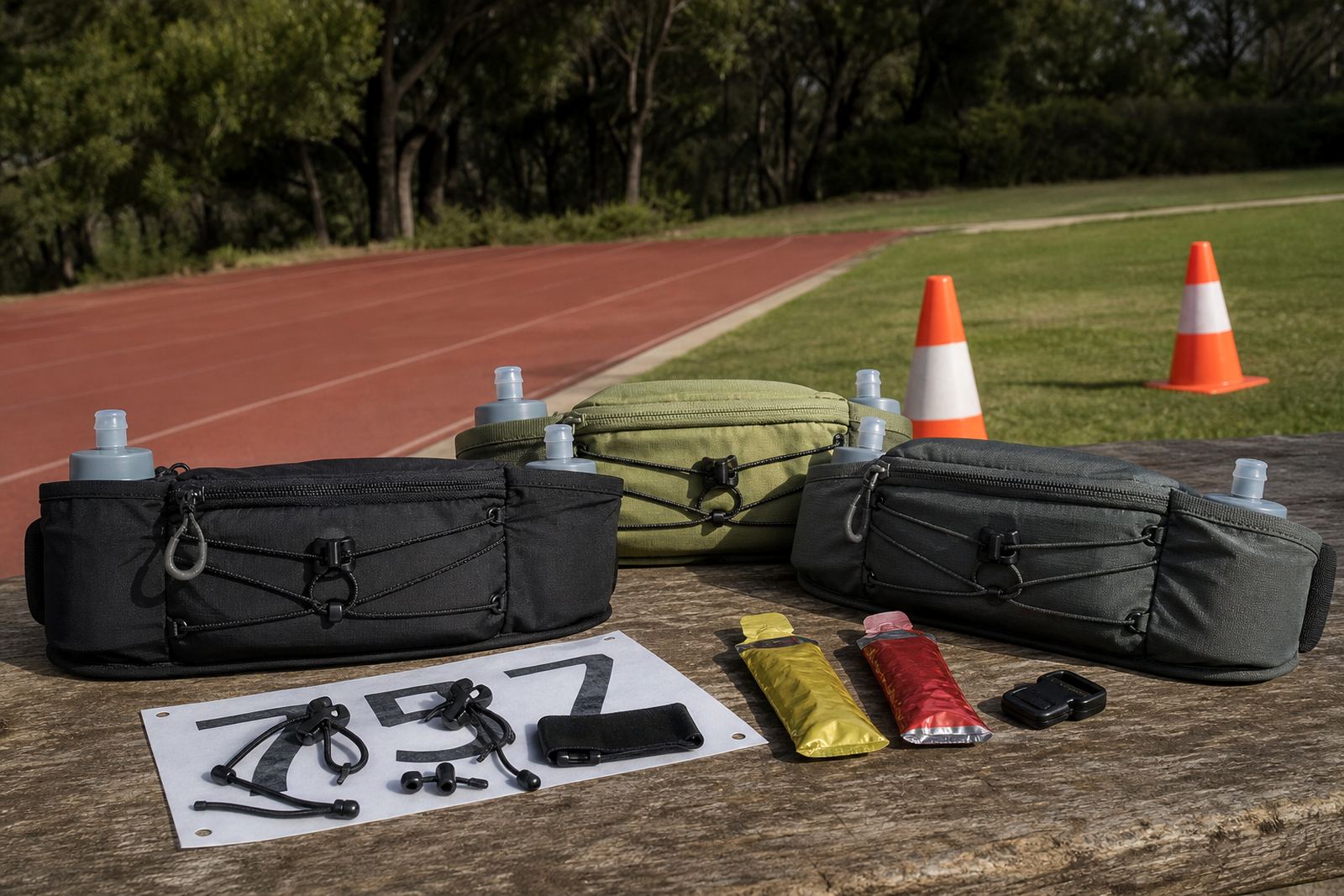
A good waist belt should keep essentials organised without turning into a jumble. The main question is whether you need a slim carry for one or two items, or a more structured layout for race day. If you are running with nutrition, a phone and a key, pockets must be easy to reach without stopping. If you are supporting an event crew, you may need room for IDs, notes, tape and a small first aid pack.
Many runners also ask for guidance on how to pack the belt. The heaviest item should sit as close to the centre as possible. Smaller pieces go where they will not shift. This sounds simple, but it makes a real difference on gravel, single track and uneven pavements after load-shedding has left a section of route dark and poorly marked.
What local conditions change the choice
South African weather and terrain change the way a belt performs. Coastal humidity in Durban or George can make a belt feel heavier if it holds sweat and water. Inland heat in Johannesburg can make access to hydration more important on long afternoon sessions. In Stellenbosch and Paarl, trail climbing and descending can expose weak fit very quickly.
For runners using belts in municipal events, it is also worth checking any race instructions on pack size, water point spacing and product branding rules. Some events keep gear checks strict, especially for crew belts or participant kits. We help you plan around those details so the belt suits the route and the event rules, not just the catalogue spec.
How to use these guides before you place an order
Start by matching the guide to your main use case, then narrow the options by fit, storage and hydration layout. If you are buying for a club, running group or event, decide whether you need a single runner setup or a repeatable order across many participants. The same belt can work well for a casual jogger and a serious athlete, but only if the size and carry plan are correct.
Our Stellenbosch team supports runners, clubs and event organisers across Cape Town, Stellenbosch, Johannesburg, Durban, George, Paarl, Somerset West and Bellville. Use the enquiry form on our contact page if you need help with bulk planning, product fit briefing, dispatch coordination or repeat order support. A good fit saves time on the day, and less fiddling means more running.