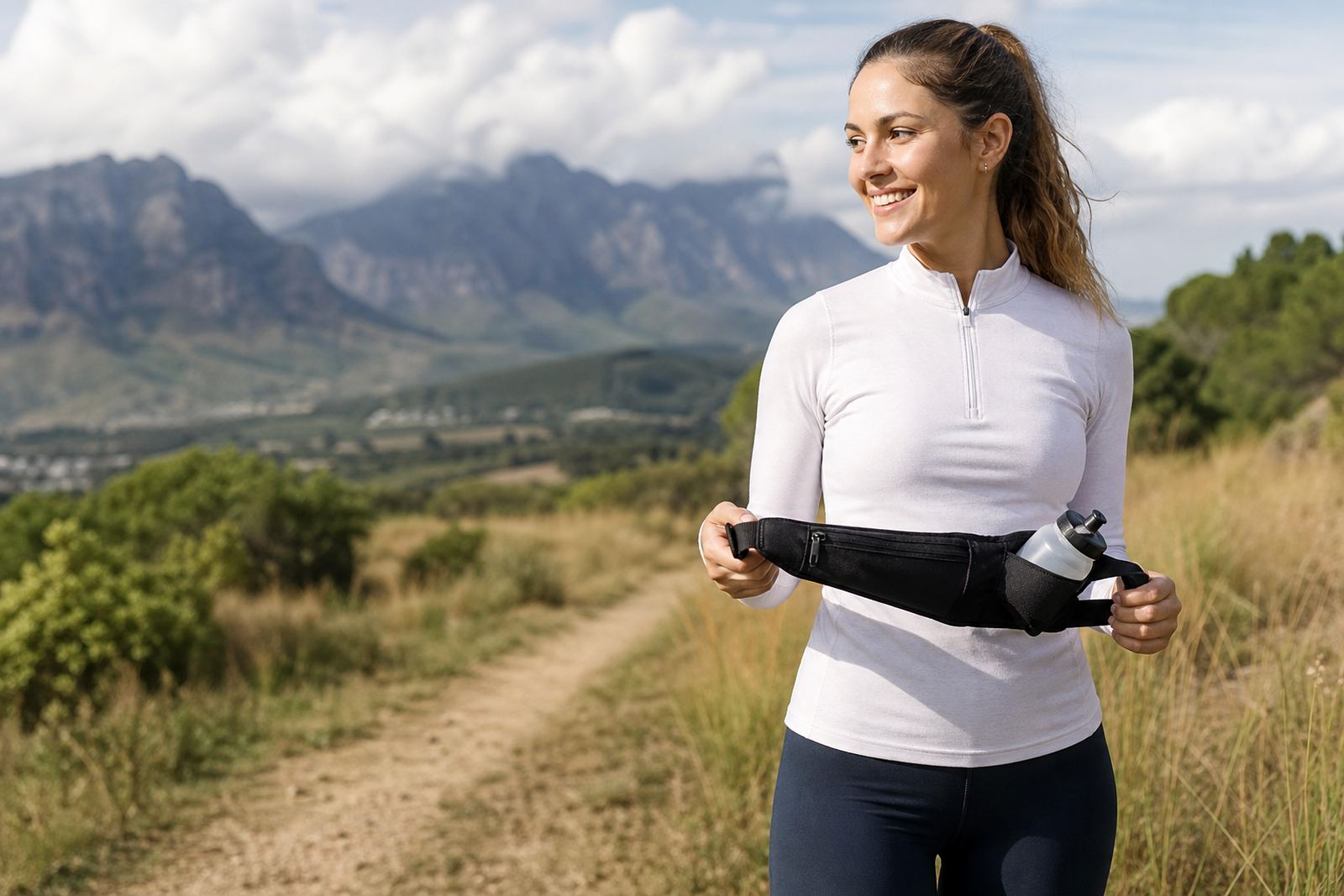
Start with what you actually need to carry
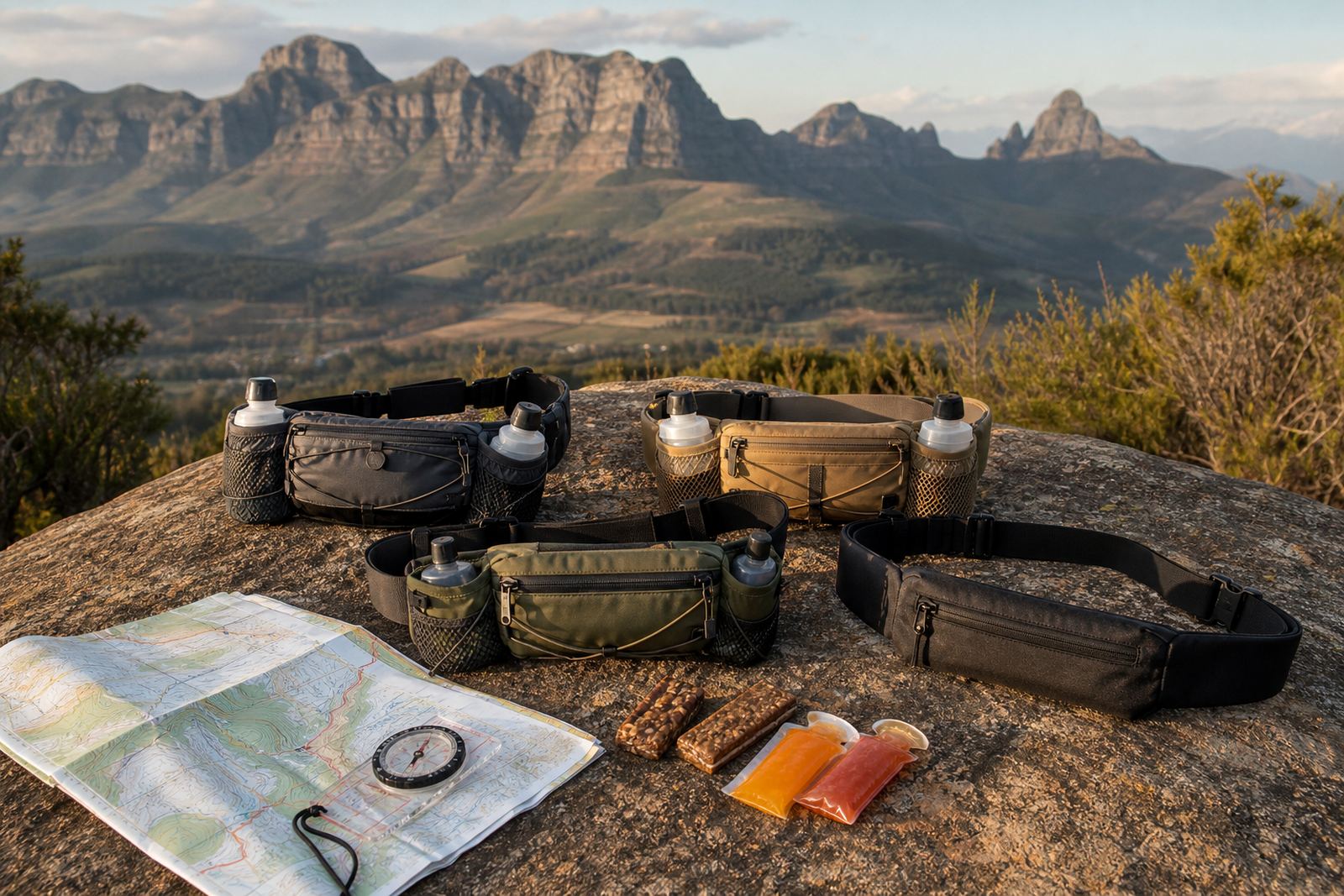
New runners often pack too much. For a 3 km to 8 km run, start with the basics: keys, phone, one gel if you need it, and a small bottle or soft flask if you are out for longer. If you are training in Stellenbosch, Paarl or Durban where humidity can climb quickly, a lighter setup is usually better than stuffing pockets full.
Ask yourself three questions before every run: how far am I going, will I stop for water, and do I need my hands free? If the answer is yes to any of those, a running and hydration waist belt is worth considering. It keeps essentials close, steady and easier to reach than a jacket pocket or armband.
Choose a belt that stays put from the first kilometre
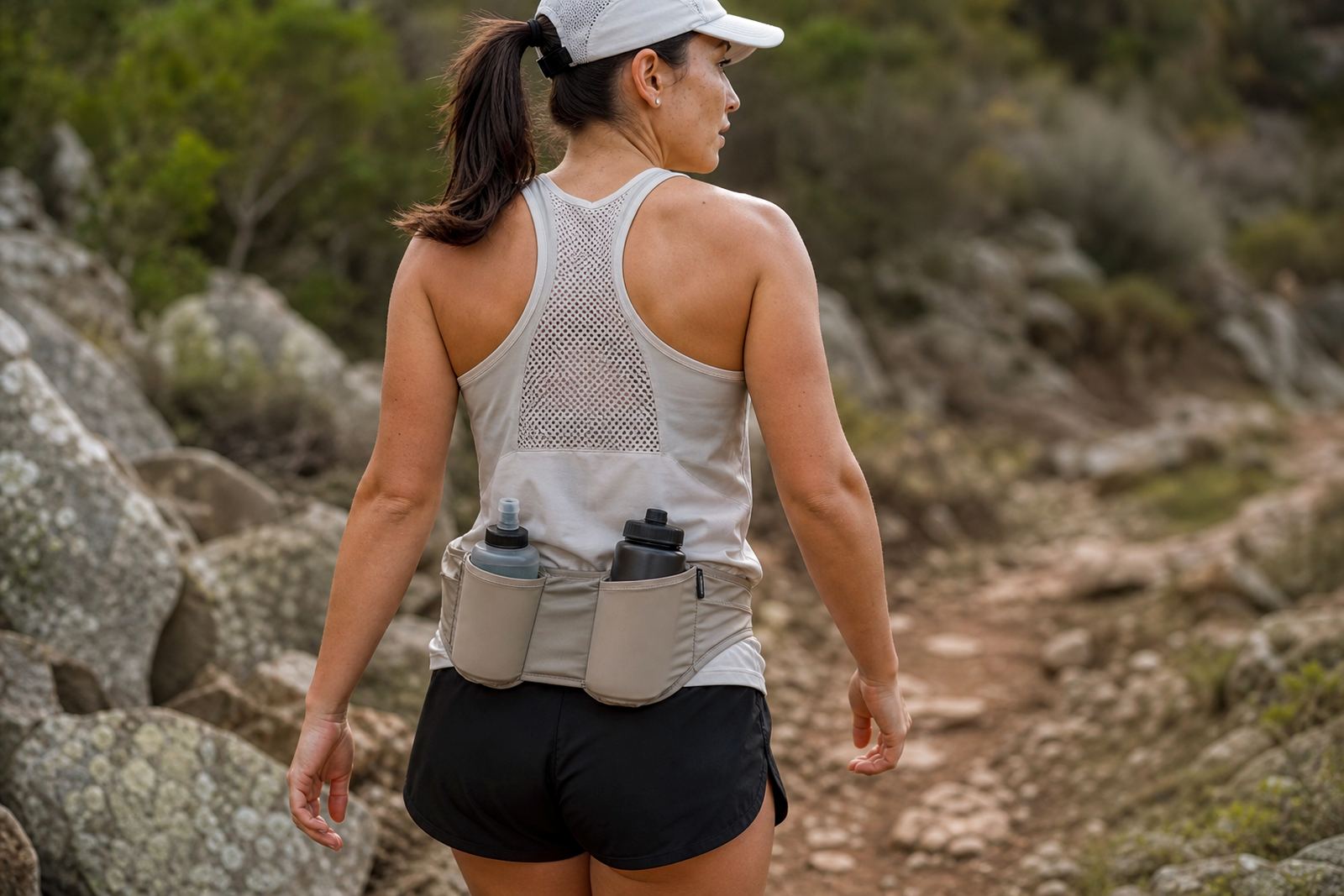
A good beginner belt should fit snugly without bouncing. Look for an adjustable band that sits flat on the hips, not high on the waist where it rides up. If you are running on gravel paths around Cape Town or doing road loops in Johannesburg, a stable fit matters because each turn and bump will test the carry.
- Try the belt with the items you will actually carry
- Jog for 5 minutes, then check for movement
- Make sure you can breathe deeply without the band digging in
- Check that bottle holders and pockets are easy to reach with one hand
For first time buyers, comfort comes before capacity. A belt that feels secure at the start and at the end of the run is the one you will keep using.
Keep hydration simple for short and medium runs
If you are new to running, hydration does not need to be complicated. For runs under 45 minutes, many runners only need a small bottle or a gel and water at the start. For 45 minutes to 90 minutes, a waist belt with hydration space becomes useful, especially on hot days in Durban or on exposed trails near George.
Think about the route, not only the distance. In summer, coastal humidity and strong sun can make a short run feel harder than expected. On the other hand, winter mornings in the Western Cape can be cool and dry, so a smaller carry setup may be enough. A simple hydration plan helps you avoid cramping and also stops you from overpacking.
Pack for safety, weather and the local route
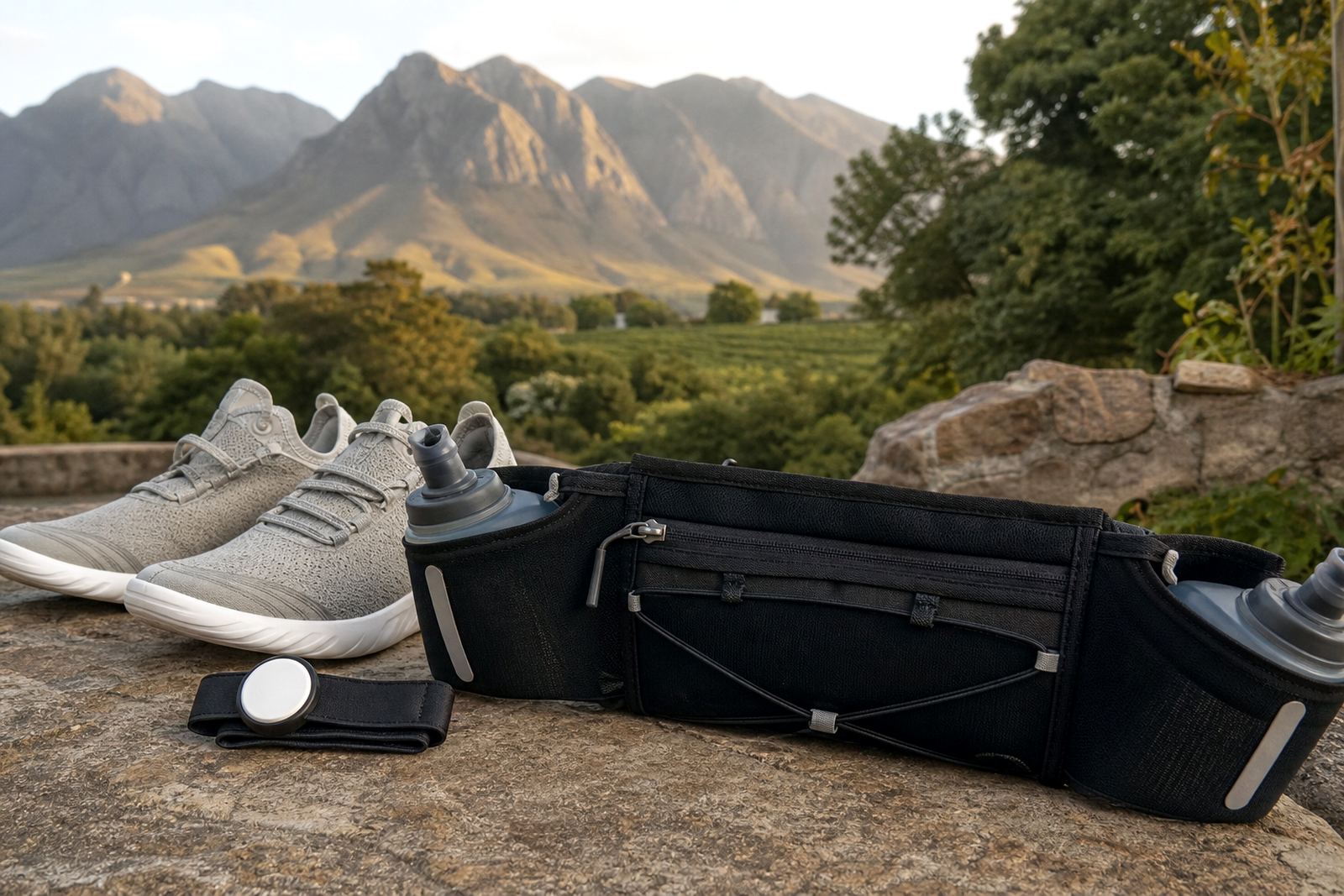
Beginners often forget that carry space is also for safety. A phone, house key, ID card and a small amount of cash or card can make a big difference if you need help or decide to cut a run short. If you train before sunrise or after work, reflective details are worth having, especially near busy roads and municipal paths.
- Phone for emergency contact and route tracking
- Key attached securely so it does not scratch or swing
- Small snack for longer training days
- Lightweight rain layer for winter or windy conditions
- Identification if you run alone in remote areas
In some estates, parks and municipal areas, race rules or local access rules can also affect what you may carry. Keep your setup practical so you can adjust quickly if weather or route conditions change.
Use a simple fit check before every run
A 30 second fit check prevents most beginner frustration. Put the belt on, fasten it, then bounce lightly and take a few strides. If the belt shifts, move it lower on the hips and tighten one notch. If the bottle sloshes too much, you may have too much space or not enough tension. Small adjustments make a big differnce over time.
At first, test the belt on short runs only. Use a 20 minute jog, then a 30 minute session, and finally a longer weekend route. This helps you learn where the belt sits best for your body. You do not need to overthink it, just repeat the same setup until it feels natural.
Match your training stage to the right carry setup
Different stages of training call for different carry needs. A beginner doing walk-run intervals does not need the same setup as someone building for a half marathon. If you are still finding your pace, keep it light and consistent. If you are joining a local road race or trail event, a belt with extra hydration and a few storage pockets can save time at the start line and during the run.
- New to running: compact belt for keys, phone and one small item
- Building distance: add hydration and space for nutrition
- Training for events: consider participant sizing, repeat use and quicker access
- Club runs: plan for group pace, weather and shared support points
For runners in Stellenbosch, Cape Town, Johannesburg, Durban, George, Paarl, Somerset West and Bellville, the right setup often depends on where you train most. Hills, heat, trail surface and road traffic all influence what feels comfortable.
When to ask for help with sizing or event planning
If you are unsure about fit, sizing or bulk needs for a running club or event, ask before placing an order. A proper briefing can save time later, especially when you need multiple belts for different body sizes or race-day packs. For events in South Africa, this is useful for participant sizing, crew belt kits, race pack inserts and dispatch coordination.
At Waistbag Run, the team in Stellenbosch works with runners, clubs and event organisers across the country to plan practical carry options. That includes fit guidance, custom colour runs, hydration layout advice and support for repeat orders. Whether you are preparing for your first 10 km or helping with a race in Cape Town or Durban, the goal is the same: a belt that stays comfortable and useful from start to finish.