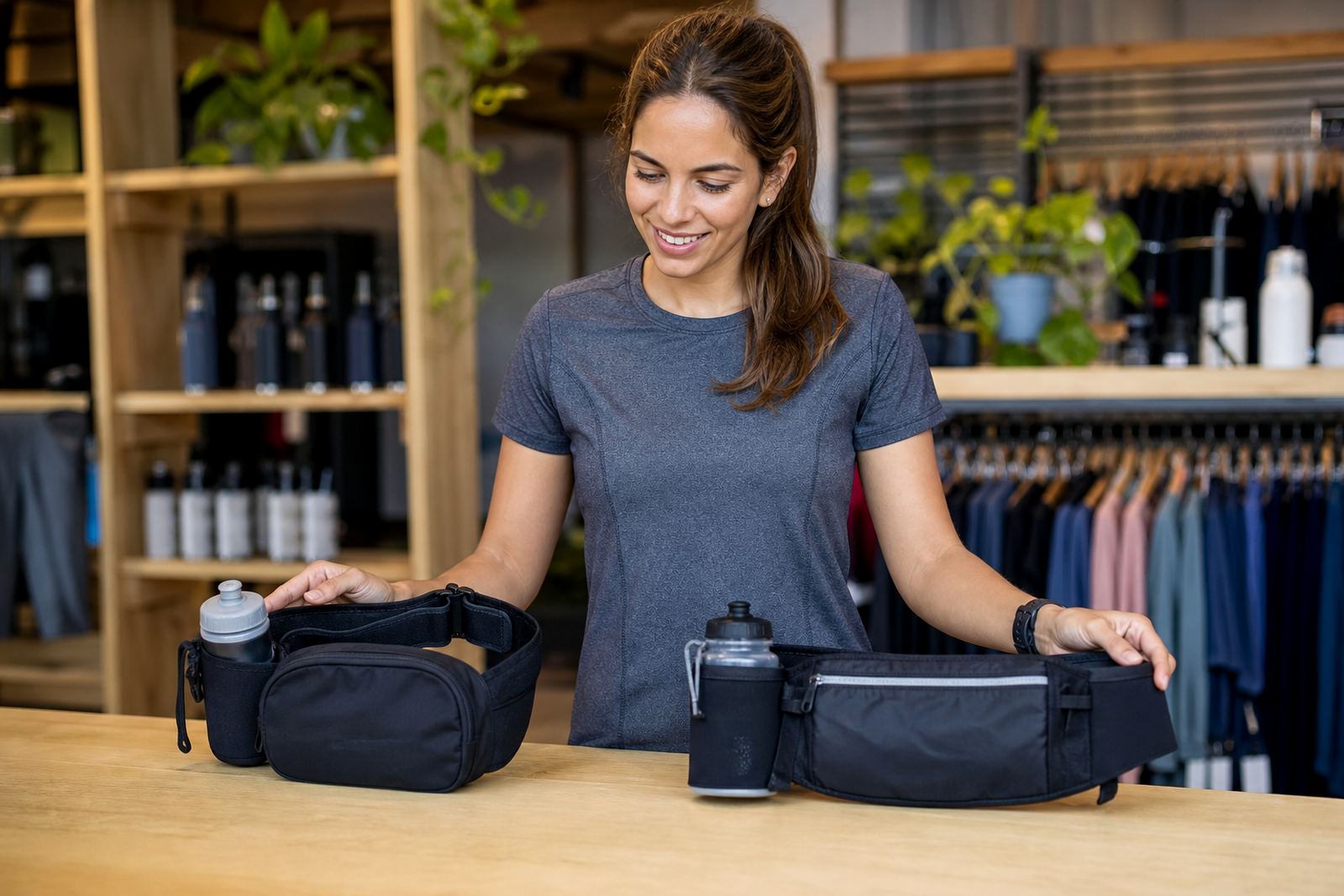
Start With the Runs You Actually Do
Before you compare pockets, clips and bottle holders, think about the kind of runs you do most often. A first belt for short road runs in Stellenbosch will not need the same setup as a trail belt for long mornings in Jonkershoek or an event belt for a race day in Cape Town. The right choice is the one that carries your essentials without bouncing or pulling your stride off line.
If you mainly run 5 km to 15 km, you can keep it simple. If you are out for a half marathon, a trail outing, or a long weekend road session, you will want more space for water, gels and a small phone. It helps to decide first whether the belt is for training, racing or both.
- Short road runs: light storage, minimal bulk
- Trail runs: hydration and secure pockets
- Race days: quick access and a stable fit
- Club sessions: easy sizing for different runners
Choose the Right Fit Before You Chase Features
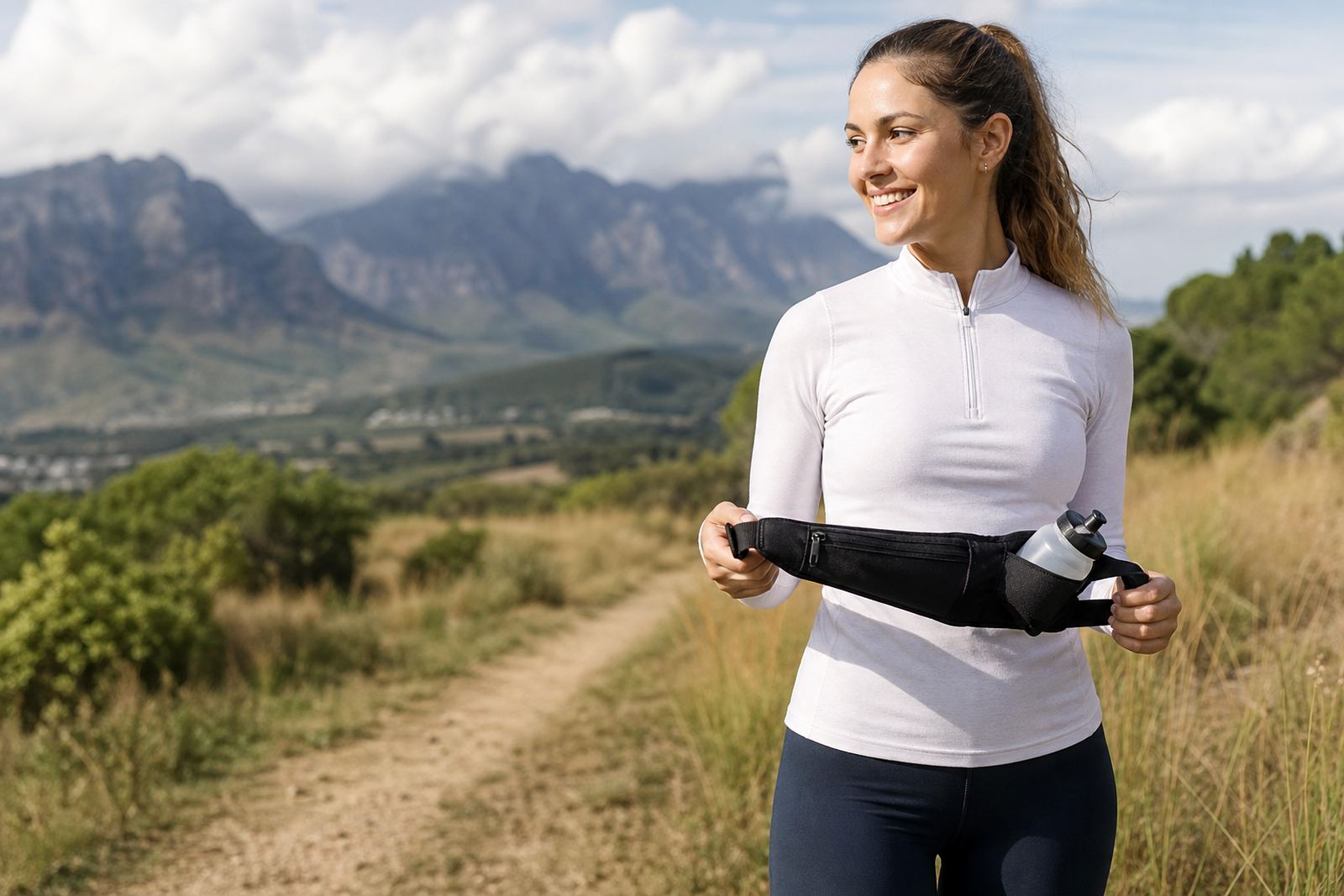
A belt that fits well will always feel better than one with extra kit but poor stability. Put it on, tighten it, then move, jog and bend slightly. If it rides up your waist or twists side to side, the size is wrong or the load is uneven. That matters on downhill sections, on windy days near the coast, and when you're running early before the body has warmed up properly.
The belt should sit snugly on your hips or just above them, depending on the design. You want firm contact without pinching. If you can slide it around too easily, it will bounce once you add water and keys. If it feels tight while standing still, it will feel worse after 20 minutes.
- Check the belt while standing and while jogging
- Make sure it stays centred, not rolling to one side
- Look for smooth edges against the skin
- Test it with the amount of gear you usually carry
Decide What You Need to Carry on Day One
Most first-time buyers do better with fewer items than they think. A belt should carry essentials, not turn into a moving handbag. Start with the basics: water, one or two gels, a house key, a small phone and maybe a salt tab if you run long in hot weather. For Durban humidity or summer races inland, water storage becomes more important than extra pocket space.
If you do not normally drink while running, you may not need a large hydration setup yet. If you know you'll be out for longer than an hour, or you're training through load-shedding schedule changes and have to run at odd times, a belt with easy access to water can make planning simpler.
- Short runs: key, phone, one gel
- Moderate runs: phone, two gels, light hydration
- Long runs: hydration, fuel, ID, emergency cash
- Events: race number, gels, waste pouch if needed
Pick Hydration Layout That Matches Your Pace
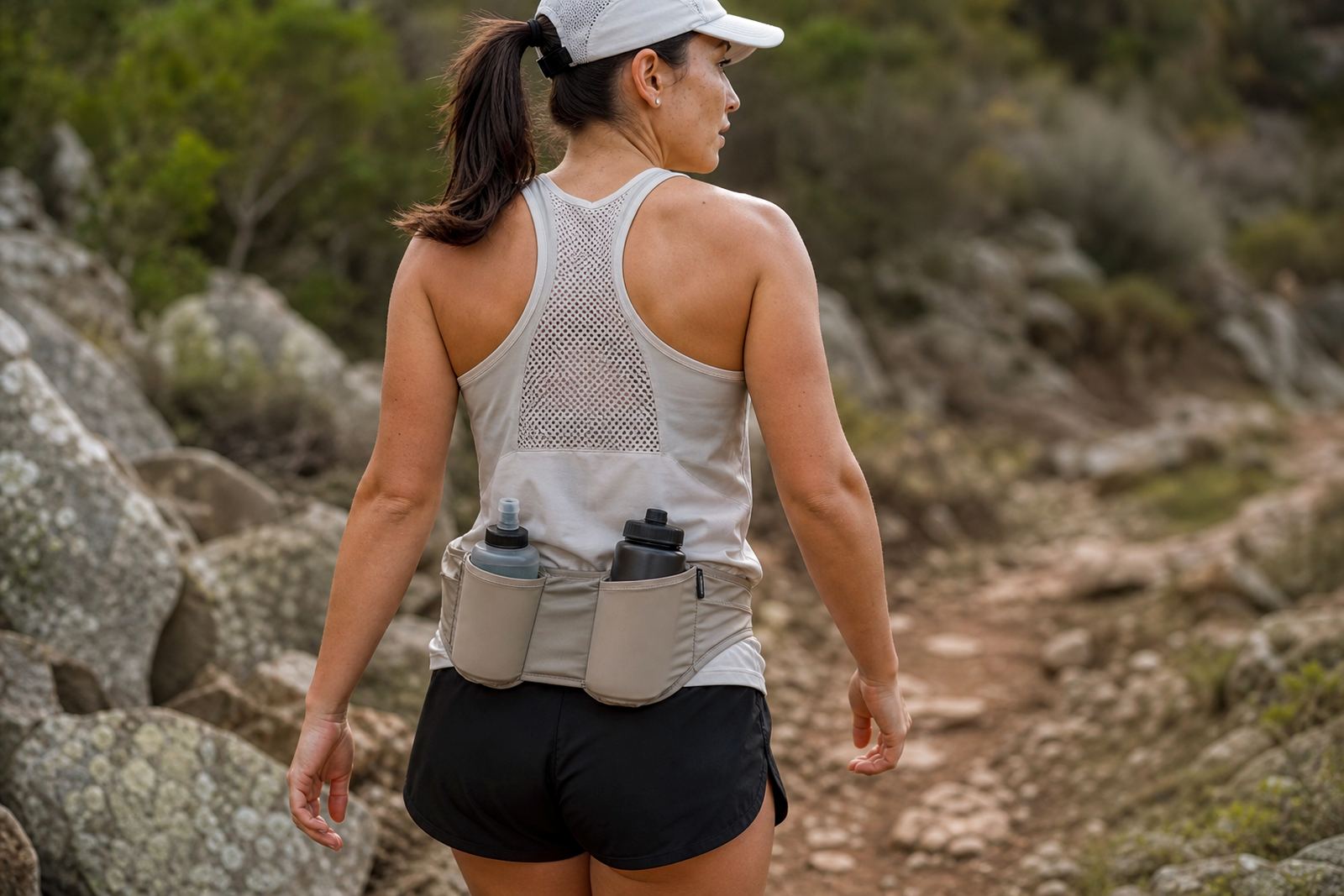
Not every runner needs the same hydration setup. Some prefer a compact bottle on one side, others like balanced storage, and some want space for soft flasks or bottles that stay close to the body. The best layout is the one that lets you drink without stopping your rhythm every few minutes. If it takes too long to reach the water, you will use it less.
For trail runners, a stable hydration position matters more than bottle size alone. On uneven ground, loose carriers can move and rub. For road runners, a lighter layout is often enough, especially for early morning loops around town or tempo work on flat routes. In both cases, the belt should feel calm at pace, not busy.
- One bottle setup for simple, lighter sessions
- Balanced twin storage if you like even weight
- Secure front access for fast drinking on the move
- Low-bounce placement for technical trail sections
Look at Storage, Access and Race-Day Practicalities
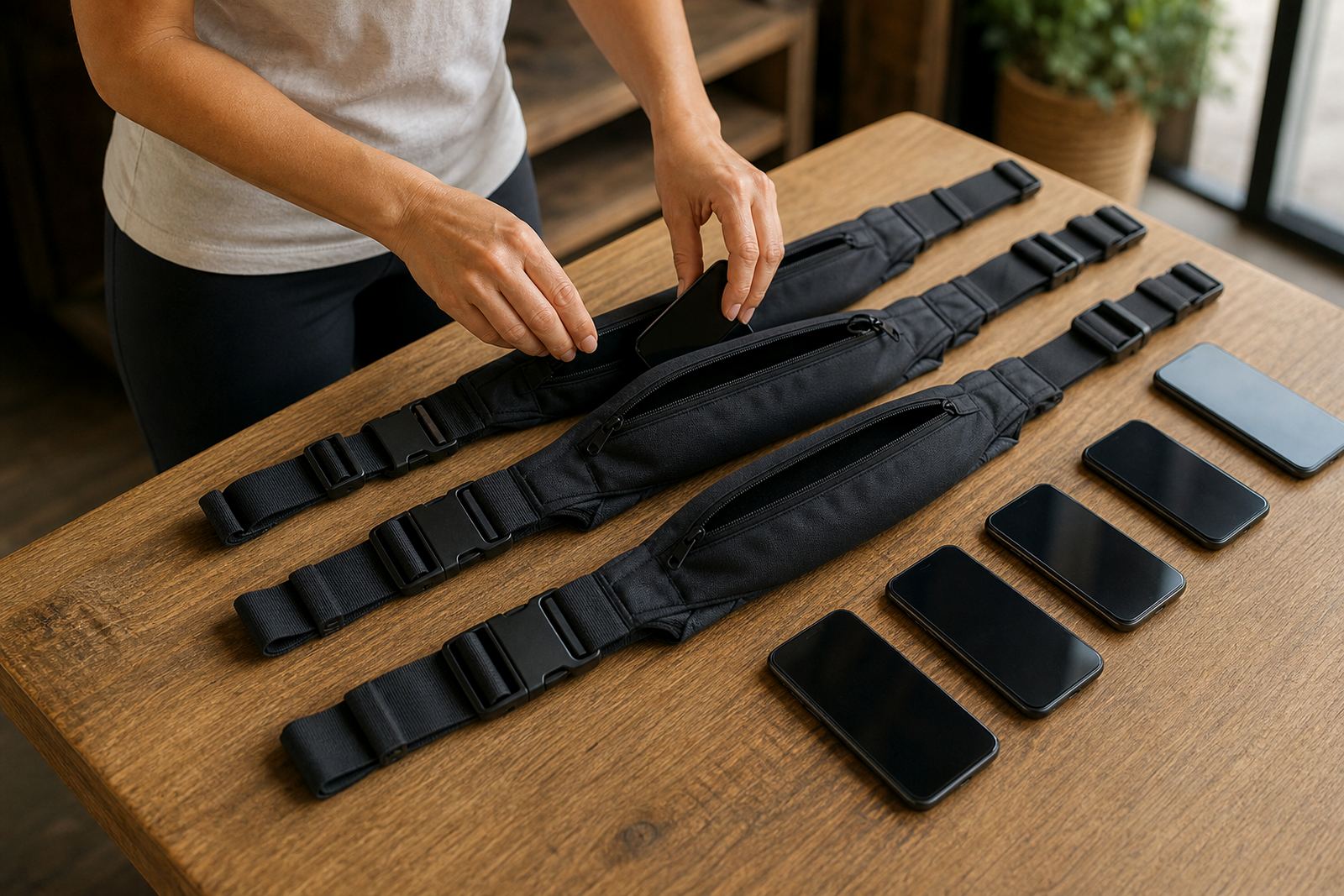
A first belt should be easy to use when you're tired. Pockets need to open quickly, close securely and hold small items without them rattling. If the opening is awkward while running, it will annoy you on every outing. Good storage is not about having the most space, it is about getting to the right item without slowing down.
For organised events, there are a few practical details worth checking before race day. Can the belt hold your entry essentials? Does it sit comfortably over a lightweight top or under a race number? Can you reach a gel without twisting? These small details matter when you are in a crowd, in heat, or near the final kilometres of a race.
- Fast access to gels and fuel
- Secure pocket for phone and keys
- No loose straps flapping in the wind
- Easy to wear over summer gear or winter layers
Use a Simple Checklist Before You Order
When you're buying your first belt, keep the decision practical. The best option is usually the one that matches your regular run distance, your body shape and the amount of water you actually use. If you are buying for a club, event group or mixed team, it also helps to plan sizing before the order is placed so that fit issues do not slow down dispatch.
Use this quick checklist before you commit:
- Do I want hydration on every run, or only long runs?
- Will I carry a phone, gels and keys at the same time?
- Do I need one belt for training and racing?
- Will I run mostly road, trail, or a mix of both?
- Do I prefer a firmer fit or a lighter feel?
- Have I checked the belt with the gear I carry most often?
If you can answer those six points clearly, you are close to the right choice. A first running belt should make the run easier, not add faff.