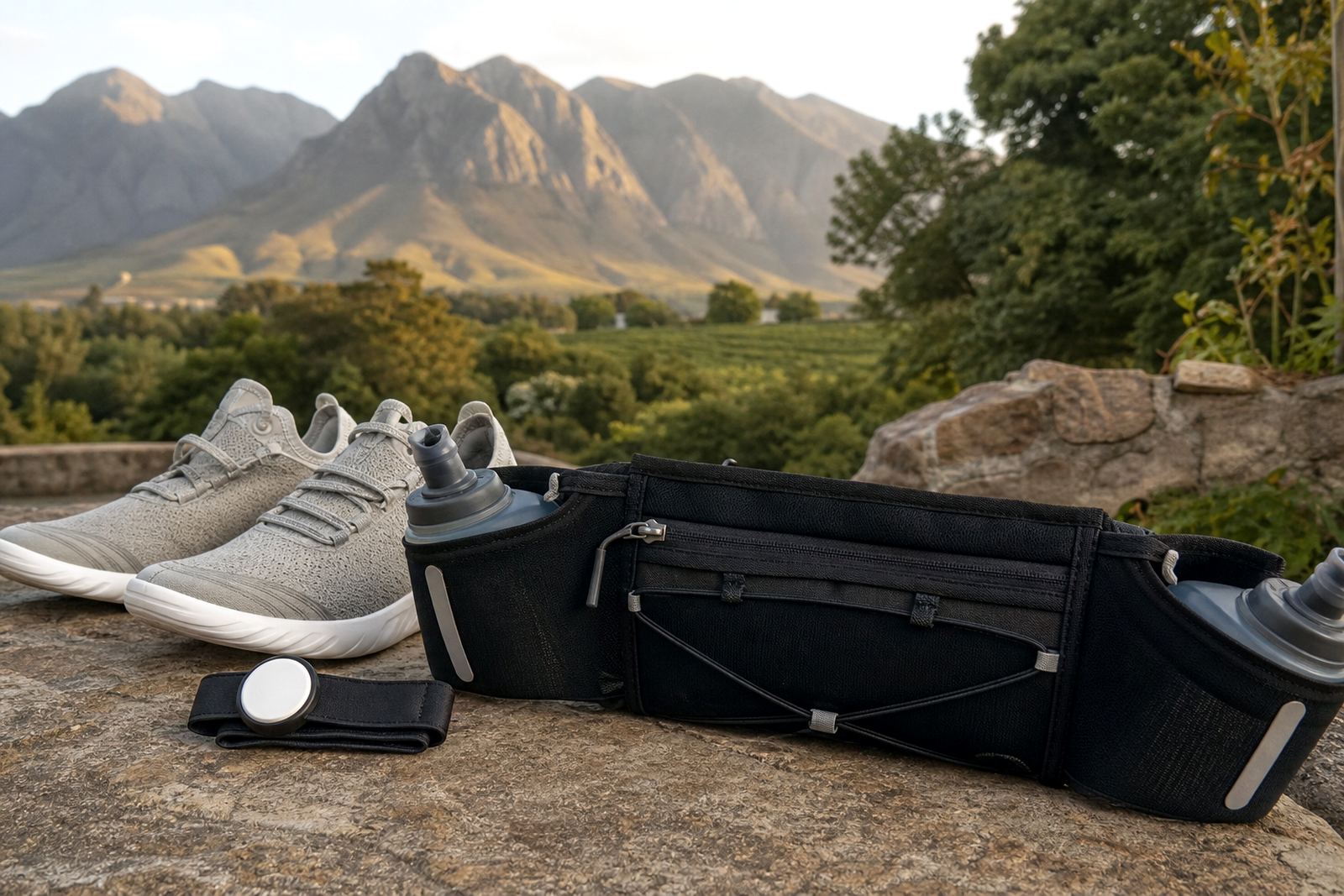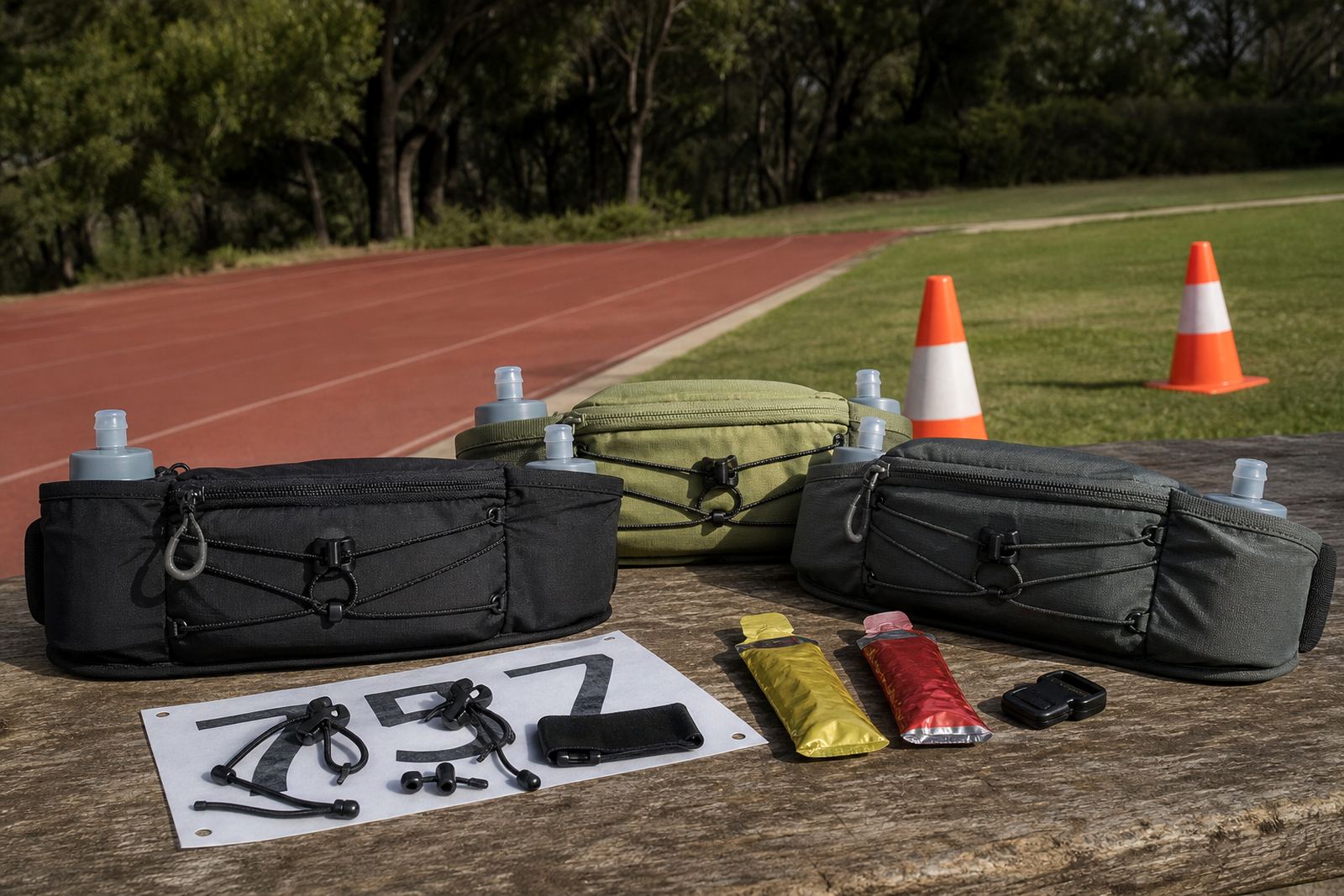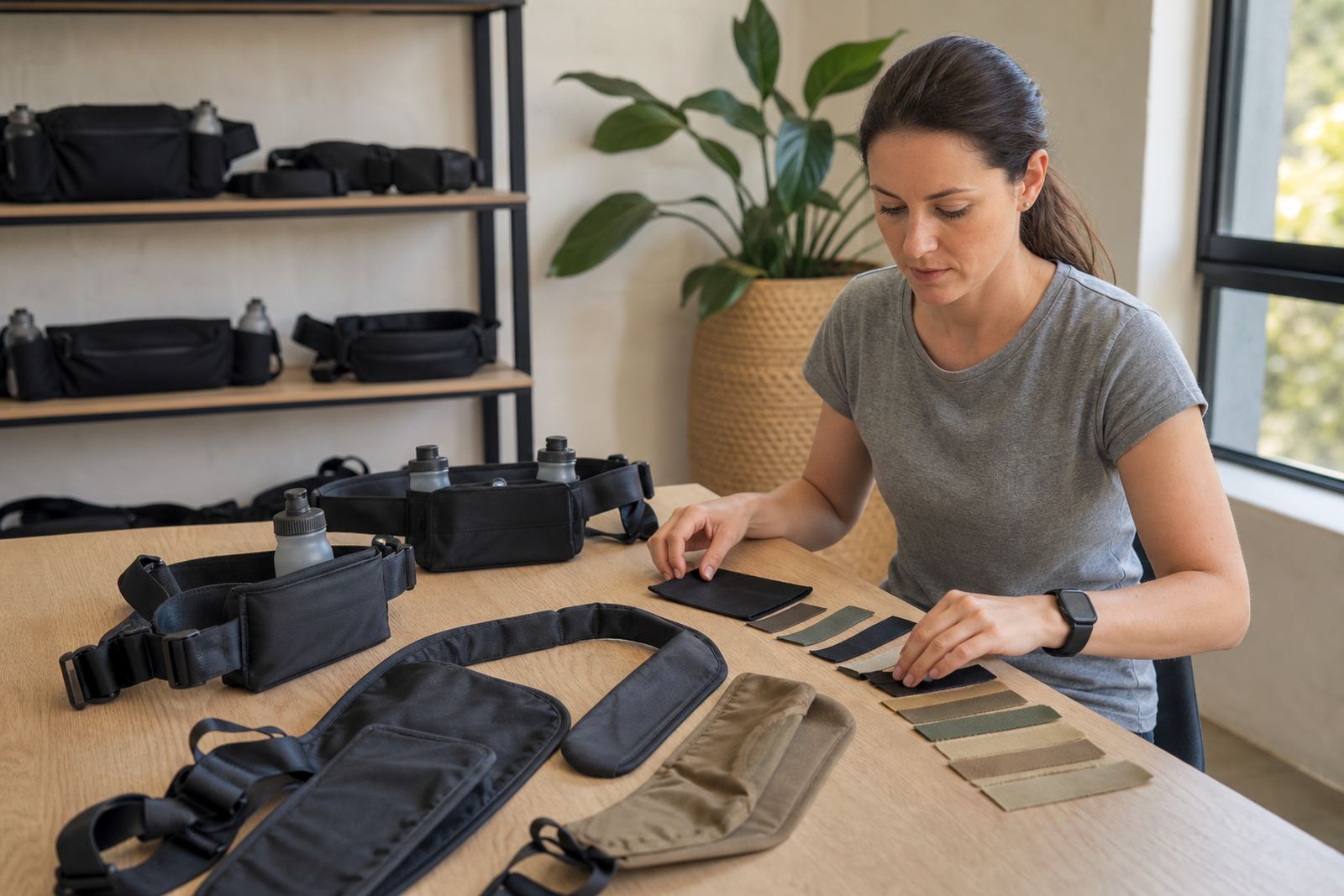
Start with the club use case, not the quantity
Before you count members, decide how the belts will be used. A trail group training for the Jonkershoek climbs will need different storage and hydration options to a road club preparing for a fast 10 km in Bellville. Some runners only need a snug belt for keys and a gel, while others want room for soft flasks, a phone and emergency nutrition.
For club orders, it helps to separate regular training use from event use. A belt for weekly runs can be simple and light, while race day kits may need more support and a more exact hydration layout. That keeps the order practical and prevents members from paying for features they will not use.
- List the main club activity: road, trail, mixed training or event support.
- Decide what each runner must carry: water, phone, keys, gels, salt tabs or a bib.
- Check whether the club wants one standard belt or two versions for different use cases.
- Note if the order is for individual members, a race squad or the whole club.
Collect member sizes early and keep the method simple
Fit is one of the biggest reasons club orders go wrong. Waist size, body shape and where a runner likes the belt to sit all matter. A belt that sits well on a slim runner in Stellenbosch may feel different for a taller runner in Johannesburg, especially when the person carries extra water on a hot summer run. Getting measurements early saves a lot of back and forth.
Use one simple sizing method across the club. Ask members to measure where they want the belt to sit, not around the widest part of the hips unless that is where they will wear it. If possible, ask for measurements in centimetres and let members choose based on a fit guide rather than guessing from clothing sizes.
- Collect waist measurements in cm from every member who wants a belt.
- Ask whether runners prefer a low waist fit or a higher, closer fit.
- Separate men, women and youth sizes if the club has a mixed group.
- Allow for layering in winter, especially for early starts in the Western Cape.
When in doubt, ask for one sample size to be checked by a few runners before finalising the full order.
Plan hydration for the route, weather and distance
Hydration needs change with distance, terrain and weather. A club outing on the Stellenbosch trails in summer is not the same as a cool coastal run in George, and a winter morning in Durban can still become humid quickly. If your runners are doing long training blocks, the belt should carry enough water to reduce stops without bouncing around on the move.
Think about how often runners will have access to water points. For races with aid stations every few kilometres, some runners only need a small carry option. For trail runs, club runs in remote areas or early sessions before municipal water points are open, a more practical carry setup helps. Also consider load-shedding at event venues, because wash stations and lighting can affect how crew and athletes move around before the start.
- Map the route and note every water point or refill stop.
- Check the expected temperature and wind for the event date.
- Decide if runners need one bottle, two bottles or a soft flask setup.
- Include emergency space for gels, a whistle or a small first aid item if required by the event.
Build the order around real club roles
Not every member needs the same belt setup. Club captains, pacers, marshals and sweep crew may need different layouts from ordinary training members. A practical order often includes a standard runner belt for most members, plus a few crew belt kits for event day support. That way the club does not overbuy one style that only suits a small group.
Many clubs in Cape Town, Paarl and Somerset West order in batches so they can manage budgets better. Start with the core squad, then add a second phase for newer members once the first run of belts has been tested. If the club has sponsors or race day branding needs, custom colour runs can be planned with enough lead time for approval and member sign-off.
- Standard runner belts for training members.
- Crew belt kits for marshals, pacers and support staff.
- Race pack inserts for event participants.
- Custom colour runs where the club wants a consistent look.
Use a simple club order checklist before approval
Once sizes and quantities are known, work through one final checklist before approval. This reduces mistakes and helps the order move smoothly from planning to dispatch. It is also the best time to confirm which members have paid, who still needs a fit check and whether any runners want repeat order support later in the season.
Keep one contact person inside the club to handle changes. Too many messages from different committee members can delay the order and create confusion on sizing. A single approved list makes it easier to manage payment, packing and delivery to clubs across South Africa, from Durban to George.
- Approved quantity per size.
- Final member list with names and fit notes.
- Delivery address and receiving contact.
- Deadline for last changes.
- Any special packing, labelling or split delivery requests.
Prepare for delivery, handover and event day use
Delivery planning matters, especially when the club is ordering for a race weekend. If the belts are going to an event venue, make sure someone is available to receive and check the boxes on arrival. In some areas, delivery windows can be tight on race morning, so it helps to have the club secretary or events coordinator confirm the handover point in advance.
For handover, sort the belts by size before the club session or race briefing. That saves time and avoids arguments when runners are eager to try theirs on. A short product fit briefing also helps members understand how to wear the belt so it stays stable on the run and does not bounce on technical ground or during sprints.
After the first use, ask runners for feedback on comfort, fit and storage. Clubs that track this properly usually place cleaner repeat orders because they know which sizes move fastest and which setup works best for their members.
Make repeat ordering easier for the season ahead
Most clubs do not place just one order. A good first order becomes the base for repeat orders when new members join, race entries increase or the committee changes the kit plan. Keep a copy of the approved size list and note any issues after the first few runs. That helps the club plan better next time and avoids starting from scratch.
If your club runs regular training blocks in the Western Cape or sends teams to races in Johannesburg, Durban or elsewhere, it is worth keeping a standing checklist for the committee. Small details like preferred delivery suburb, who signs for goods and which members need replacement belts can save time later. Good planning also means fewer urgent calls when race season gets busy.
For clubs that want a reliable process, the aim is simple: order the right quantity, get the fit right and make sure every runner knows how to use the belt properly.