Soft Flask or Bottle: what changes on the run
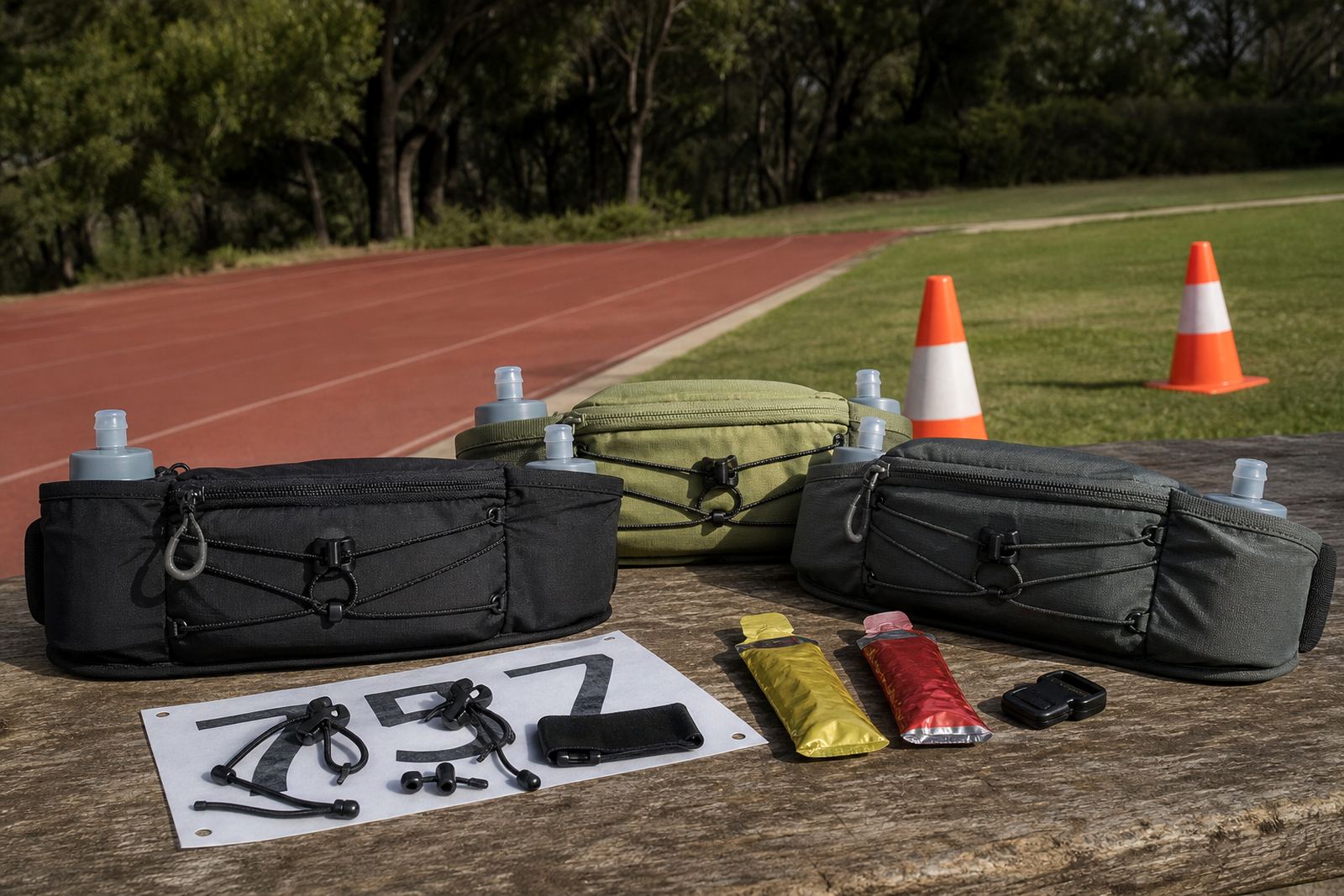
A soft flask compresses as you drink, so it sits closer to the body and can feel steadier in a waist belt. A bottle keeps its shape, which makes it easier to grab, easier to fill and often quicker to pour from at aid stations. For a short road run around Stellenbosch or a 10 km park race in Cape Town, either option can work. For longer trail days with climbing, heat, and a bit of wind, the way each one moves matters more than most runners expect.
The big difference is not only the container itself but how it behaves as the distance changes. A full bottle can bounce if the pocket is loose, while a soft flask tends to settle down as it empties. On the other hand, a soft flask needs a proper bite valve and a clean fill, otherwise you end up fiddling with it when you should be running. That small detail can make a big difference when the heat climbs and you want a quick sip without losing rhythm.
When a soft flask makes more sense
Soft flasks suit runners who want lower bounce, a closer fit and easier carrying in a narrow waist belt. They are also handy when you do not need to drink large volumes at once. Many trail runners like them because they tuck in neatly and do not swing around on rocky sections or steep descents.
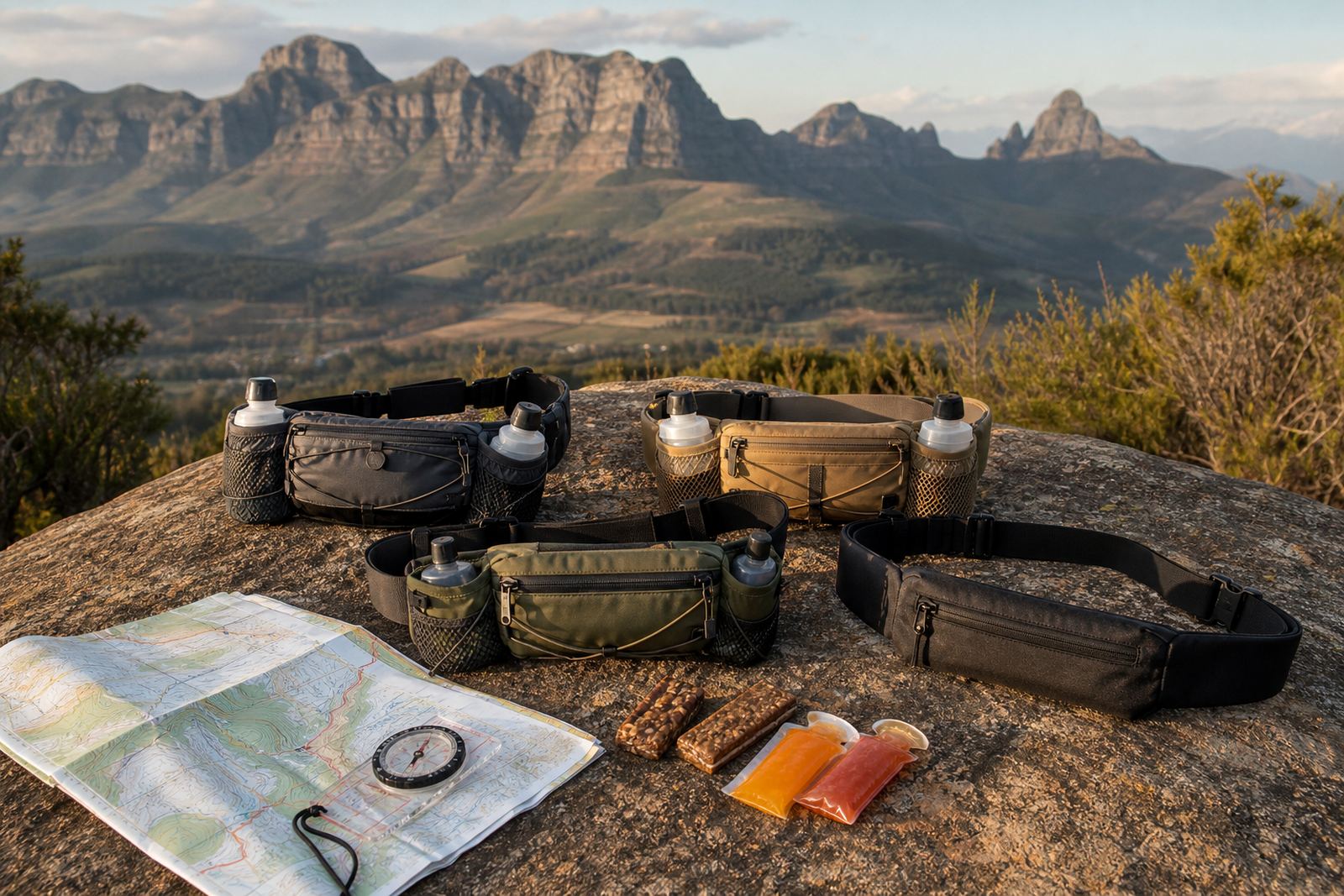
They are a strong choice if your route includes uneven ground, frequent changes in pace or long stretches where you want the belt to stay compact. In humid coastal weather around Durban or on warm summer afternoons in the Western Cape, a flask can feel less bulky than a hard bottle, especially when you are also carrying a phone, gels or a small windproof layer.
- Good for smaller, frequent sips
- Better for snug waist belts with limited space
- Useful on technical trails and hill repeats
- Easy to compress as the contents go down
One point to keep in mind is cleaning. Soft flasks need to be rinsed properly after sports drink, not just water. If you leave sugar inside, the taste lingers and the valve can gum up. A quick rinse at home goes a long way, and it saves you from a sticky mess before an early Saturday start, especially when load shedding has thrown off your routine and you are filling bottles by torchlight.
When a bottle is the better pick
A bottle works well when you want fast refills, a firmer grip and simple handling in busy race conditions. It is often the easier option for newcomers because the shape is familiar and the fill process is straightforward. For event crews and race participants who need to top up quickly at an aid station, a bottle can be less fussy than a soft flask.
Bottles also suit runners who prefer a larger opening for ice, electrolyte mix or quick mixing on the go. If you are doing a road race in Johannesburg or a long training run on smoother paths, a bottle may feel perfectly stable in a well-designed belt. The key is a pocket that holds it firmly so it does not knock against your hip when the pace picks up.
- Easy to refill at race tables
- Simple to clean and inspect
- Better for ice and mixed drinks
- Often preferred by runners who want a firmer hand feel
For some runners the bottle is also just more practical. If you often swap between walking, jogging and short bursts, a bottle is simple to manage. It is less about performance and more about convenience, which is often the right answer for first-time trail participants or charity events where people want one less thing to think about.
Fit, bounce and access in a waist belt
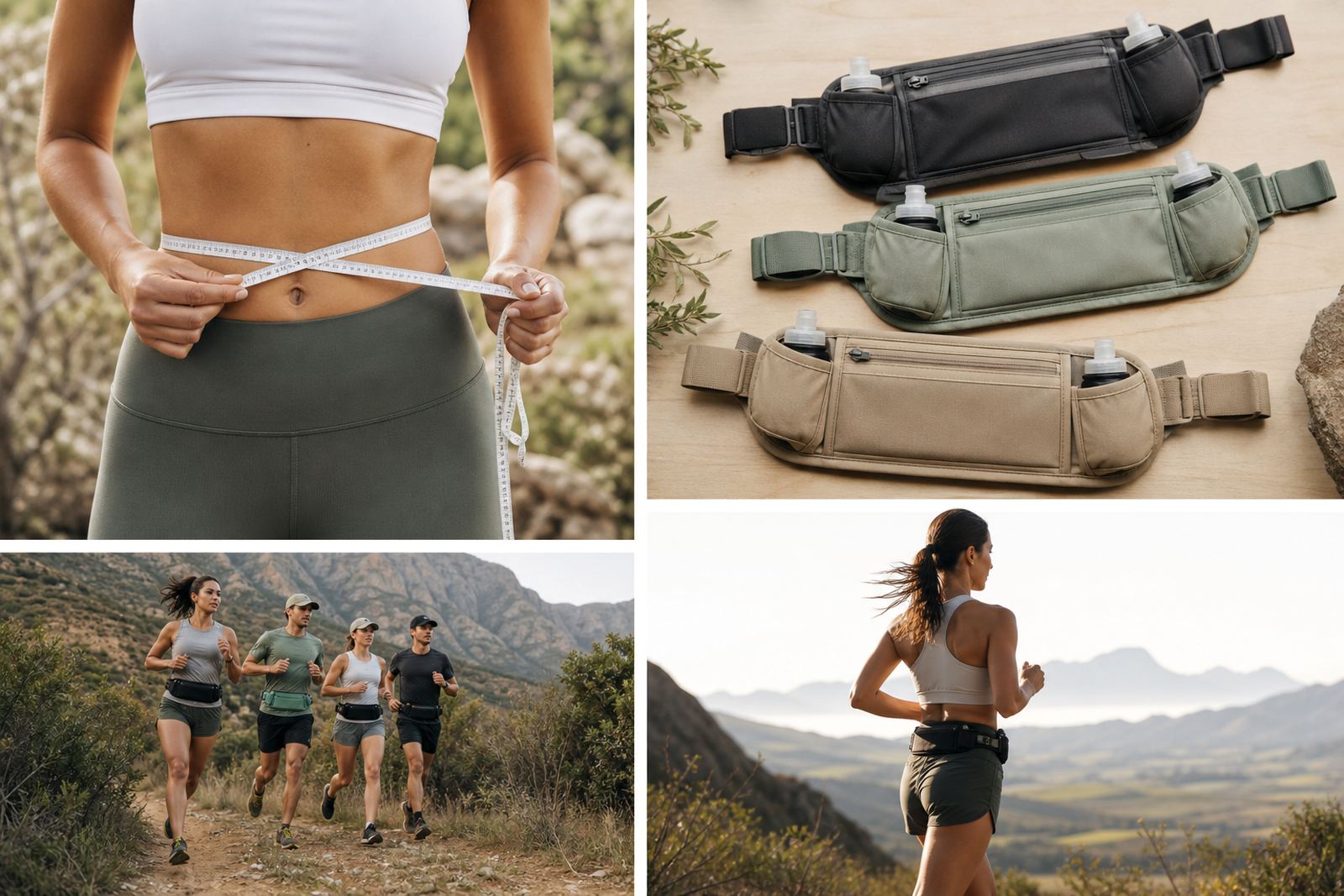
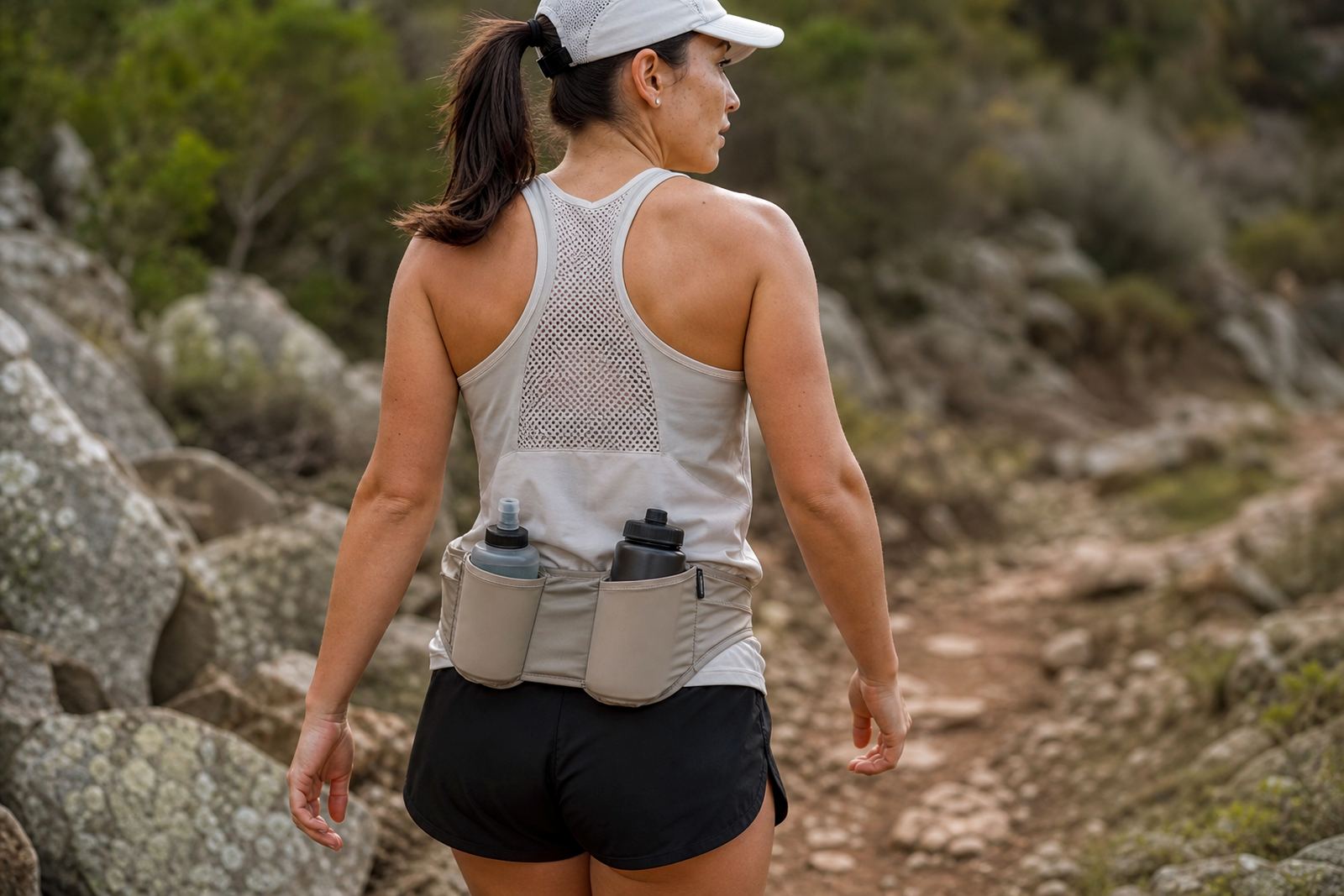
Whichever option you choose, the belt fit matters more than the container on its own. A soft flask can still bounce if the pocket is too deep or the belt sits too low on the hips. A bottle can feel solid if the sleeve is snug, positioned correctly and matched to your body shape. The best setup is the one you forget about after the first kilometre.
Before race day, test the belt with the exact load you will carry. Include the flask or bottle, your phone, gels, keys and any small items you need for the event. Then run at race pace for 15 to 20 minutes and check for sway, rubbing or awkward access. If you feel the belt shifting on corners or downhill sections, adjust the placement or choose a different pocket layout.
- Wear the belt high on the hips, not hanging low
- Load both sides evenly where possible
- Check that valves, caps and pockets are easy to reach
- Test the setup with sweat, not only when dry
It helps to think about how often you drink. If you take one sip every few minutes, a soft flask may feel smoother. If you drink in bigger gulps at aid stations, a bottle can be quicker. There is no single winner, only the option that matches your pacing and the way the belt carries weight.
A simple choice guide for your next event
If you are unsure, start with the type of run and work backwards. Shorter runs on smoother routes often favour a bottle. Trail runs, hilly routes and longer events often favour a soft flask. For mixed use across training and race day, it can help to keep both on hand and decide based on the distance, weather and number of refills available.
Here is a practical way to decide:
- Choose a soft flask if you want less bounce and a tighter carry
- Choose a bottle if you want quicker refills and easier cleaning
- Choose a soft flask for technical trails and busy descents
- Choose a bottle for faster aid station turnover and bigger gulps
- Choose whichever fits your belt with the least movement
For race events across South Africa, the best setup often depends on the support available on course. If the race has regular water points, a smaller bottle may be enough. If the route is hot, remote, or has long gaps between stops, a soft flask with a secure pocket can be the safer pick. Ask yourself one last question before you pin on your number: will this carry still feel good at kilometre 18, not only at the start line? If the answer is yes, you have probably chosen well.
Pre-race checklist for soft flasks and bottles
Before you head out, run through a final check so the belt does its job on the day. Small details matter, especially when you are racing in heat, on trails, or in an event where you do not want to waste time sorting out gear mid-run.
- Fill and test the flask or bottle the night before
- Check for leaks, loose caps and damaged valves
- Pack enough fluid for the distance and the weather
- Load the belt with your exact race items
- Run a short warm-up to check bounce and access
- Rinse thoroughly after sports drink or electrolyte mix
If you are preparing for a club run, a trail series or a large road event, repeat the same setup in training at least twice. Consistency matters. Once your belt, flask or bottle and carrying position all work together, you spend less time adjusting and more time running.