
Why road runners choose a waist belt
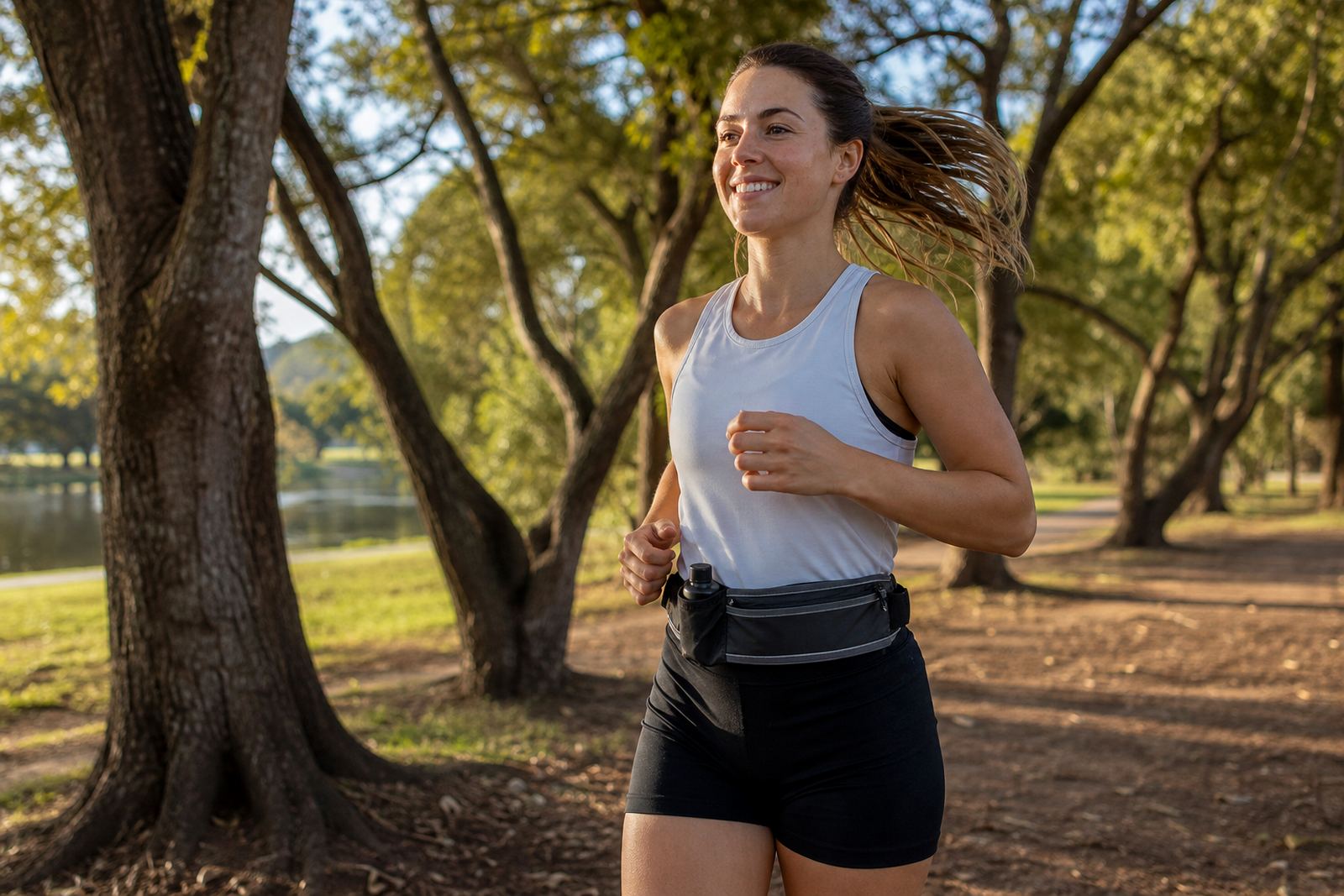
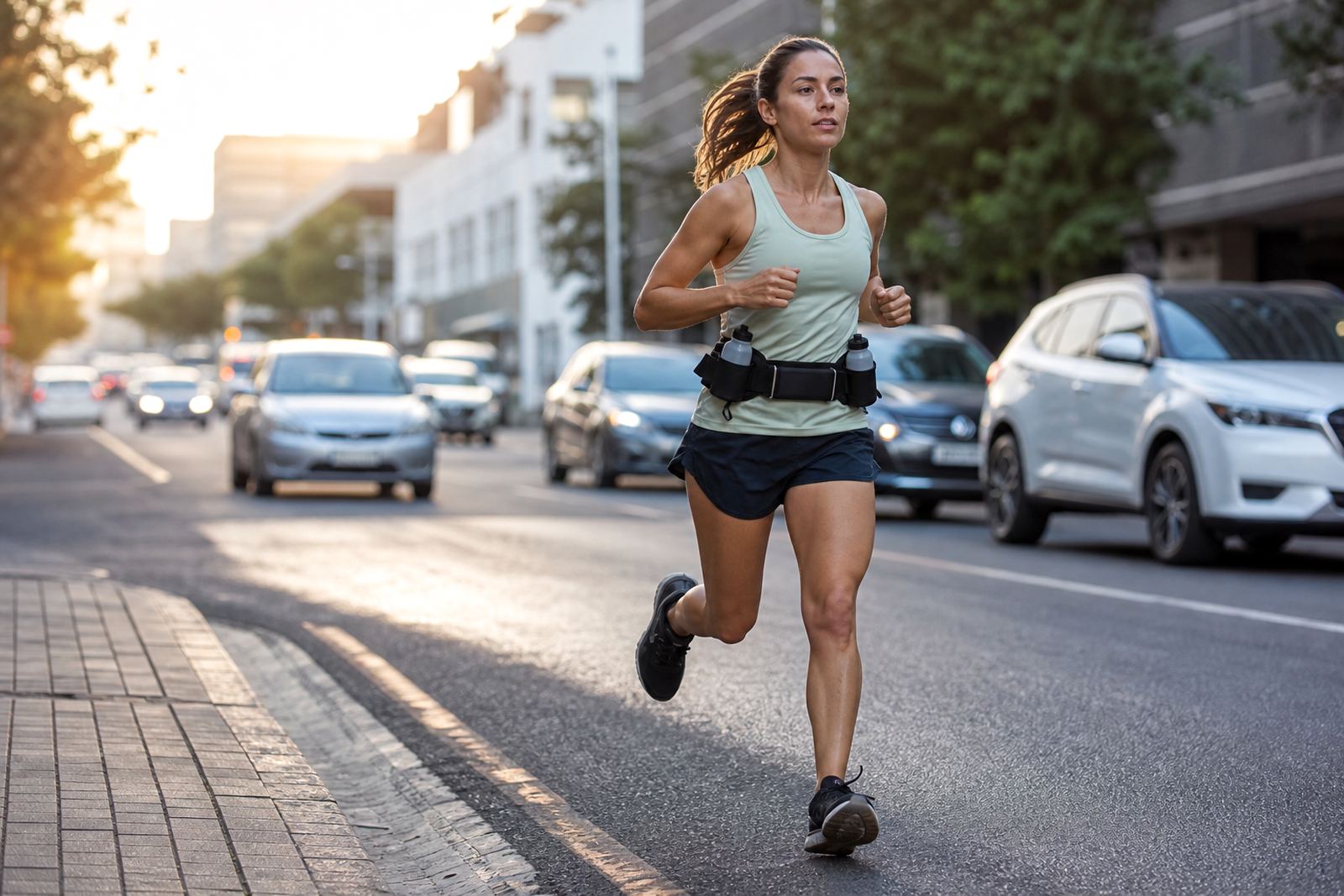
Road runners usually want the simplest setup possible. One belt, a few essentials, and no fiddling at the water table or trying to hold a bottle in the hand for 10 km. A good road running belt should sit close to the body, stay stable at pace, and give quick access to hydration, gels, keys and a phone without slapping against the lower back.
For runners training on the streets of Stellenbosch, Cape Town, Johannesburg, Durban or George, the main goal is comfort over distance. On faster sessions, extra bounce becomes irritating very quickly. On race day, it can throw off stride and breathing. That is why belt fit, pocket placement and load balance matter just as much as the belt itself.
We work with individual runners, running clubs and event organisers who need consistent sizing and reliable supply. Some runners only need a slim carry option for a 10 km race. Others want a more practical belt for half marathon and marathon prep, with room for hydration and a few extras. The right setup depends on the event, the route and how often the runner plans to use it.
Typical road running kit and how it sits
A road runner’s belt usually carries less than trail gear, but it still needs proper planning. For most use cases, the load includes a soft flask or two, energy gels, a mobile phone, car keys and sometimes a thin windbreaker or race number. If the belt is overloaded, it starts to rotate or bounce, especially once the runner sweats more on a warm Western Cape morning or a humid Durban evening.
We help clients think through what actually needs to be carried and what can be left out. That keeps the belt light and easier to manage over a 5 km, 10 km, 21.1 km or 42.2 km event. For race days, the layout should allow one-handed access without forcing the runner to stop. It sounds small, but when you are running at threshold pace every second and every movement counts.
- Single soft flask for short races or training runs
- Two smaller flasks for longer road sessions
- Gels placed for easy reach, not buried under heavier items
- Phone pocket positioned to reduce side-to-side movement
- Keys secured in a separate pocket to stop rattling
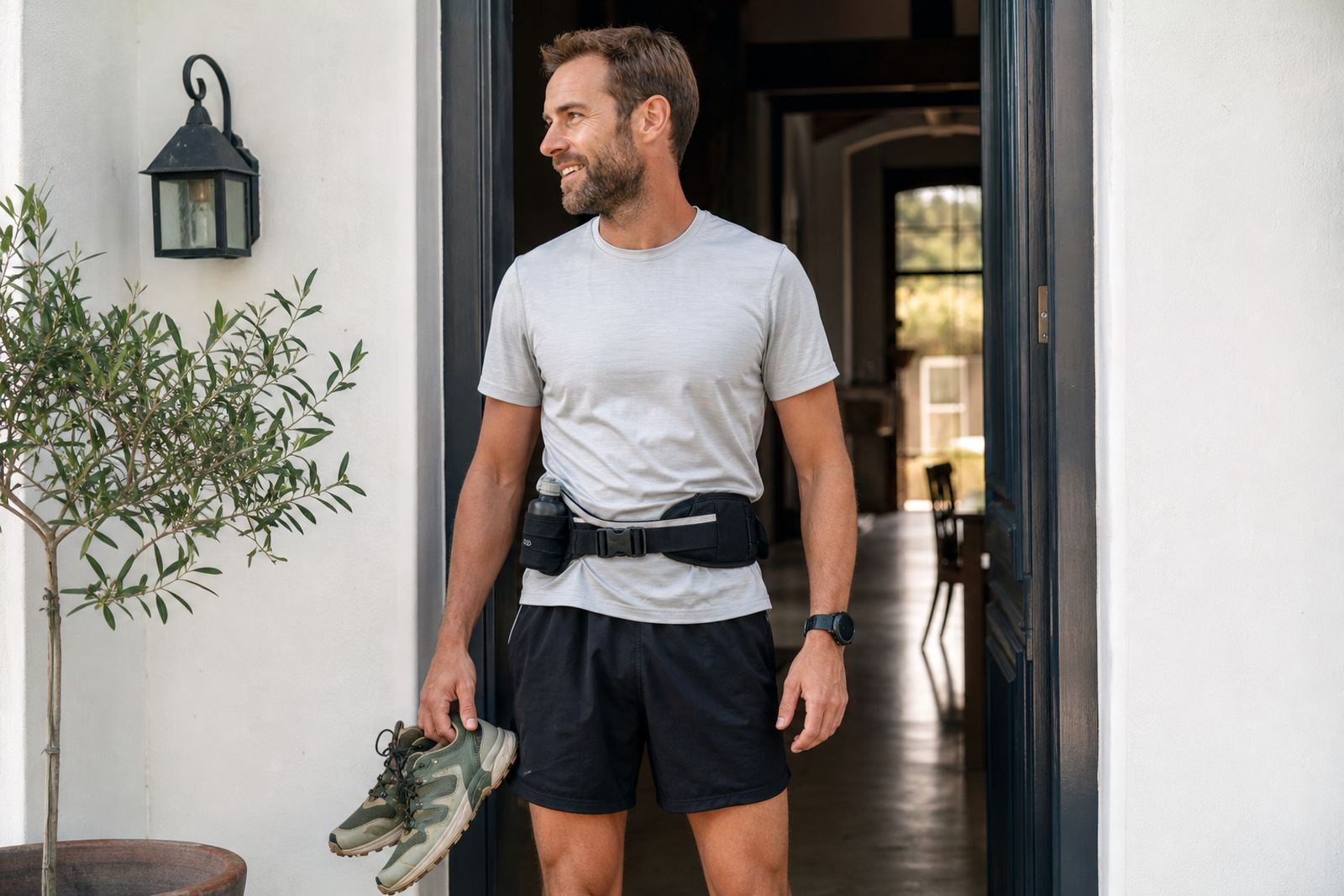
Fit is the first check. The belt should sit snugly at the waist or slightly lower on the hips depending on the runner’s build. If it rides up or drops down, it needs adjustment before race day, not during the start pen.
Planning for race day and club orders
For clubs and event organisers, road running belts often form part of a bigger order. This can include participant sizing, custom colour runs, crew belt kits, race pack inserts and repeat supply for a series of events. Planning early makes a big difference, especially when there are multiple sizes involved or when a race has a long lead time with municipal route approvals and last minute changes.
We assist with bulk order planning so organisers can match the belt to the event format. A fun run with broad participation may need a simple, easy-to-fit option. A club time trial or marathon training group may need a tighter fit profile, more hydration space, and clearer sizing guidance. For race events in Cape Town, Stellenbosch, Johannesburg, Durban and George, we also help with dispatch coordination so stock arrives in useful time, not after the registration weekend.
- Confirm runner numbers early and allow for size swaps
- Separate elite, club and casual participant requirements
- Plan hydration carry based on route water points
- Allow for weather, especially heat and coastal humidity
- Build in spare units for late entries and replacements
For organisers, a belt that is easy to issue and easy to wear saves admin on the morning of the event. It also cuts down on complaints from runners who realise too late that the fit is wrong.
Common mistakes that cause bounce and discomfort
The most common problem is overloading the belt. Runners often try to carry more than they need because it feels safer, but excess weight leads to movement. Another common issue is uneven packing, where one side is much heavier than the other. That pulls the belt off centre and can create rubbing at the hip or lower back.
Another mistake is choosing a belt that is too loose. If there is space between the belt and the body, the load moves every time the runner changes pace or turns a corner. A belt that is too tight is also a problem because it can restrict breathing or dig in after a few kilometres. The fit should be firm but not harsh.
Runners also forget to test the belt at race pace. A belt that feels fine on an easy jog might not work during a tempo session or a fast finish. We always recommend a short trial before the event, with the actual items that will be carried on the day.
- Do not pack unnecessary items for the sake of it
- Do not place all the weight on one side
- Do not leave fit testing until the morning of the race
- Do not ignore chafing signs on longer runs
- Do not assume one size suits every runner in a club group
A quick sizing brief can prevent all of that. In many cases, the solution is a smaller load, a better layout or a different fit rather than a completely different product.
Budget ranges for runners, clubs and events
Budget depends on whether you are buying one belt for personal training or placing a group order for a race event. For individual road runners, entry-level options generally start from about R180 to R350, depending on size, carry style and how much storage is needed. Mid-range setups with stronger fit, better pocket layout and hydration capacity can sit between R350 and R650.
For clubs and event organisers, bulk pricing is usually more efficient because the same sizing and layout can be repeated across many units. Larger orders may also include planning support, participant sizing guidance and dispatch coordination. That can keep the per-unit cost lower, especially when the order is done ahead of time instead of rushed at the last minute.
If you are ordering for a race weekend in Stellenbosch, Paarl or Somerset West, it helps to think in three layers: the belt itself, the event support around it, and the spare stock needed for exchanges. A small margin for replacements is worth having, because race mornings are not the time to discover two sizes were missed.
We work from Stellenbosch and supply across South Africa, so the budget discussion is not just about product price. It also includes delivery timing, order size and how much fit support the runners need before the start gun goes off.
How to brief us for a road running order
When you send an enquiry, it helps to include the event type, number of runners, expected distances and whether the belts are for training, racing or club distribution. If there is a hydration preference, say so early. A 10 km road race often needs a different layout from a marathon prep group or a corporate run with mixed fitness levels.
We also recommend sharing any known sizing spread. For example, if the group includes many smaller runners, more medium and large units may not be the right mix. If the order is for a women’s club, a mixed club or a school running team, fit planning should reflect that from the start. That saves time on swaps and avoids a pile of unused stock after the event.
Our team handles product fit briefing, repeat order support, event day support and dispatch coordination from the Stellenbosch base. Whether the order is for Cape Town, Johannesburg, Durban or George, the aim is the same: a belt that carries what the runner needs, stays steady at pace, and does not get in the way of the run.
If you are planning a road race or training block, get the sizing and layout sorted before the first pack goes out. It keeps the run simpler, and a lot less irritating when the pace goes up.