
Why casual joggers prefer a waist belt over a pack
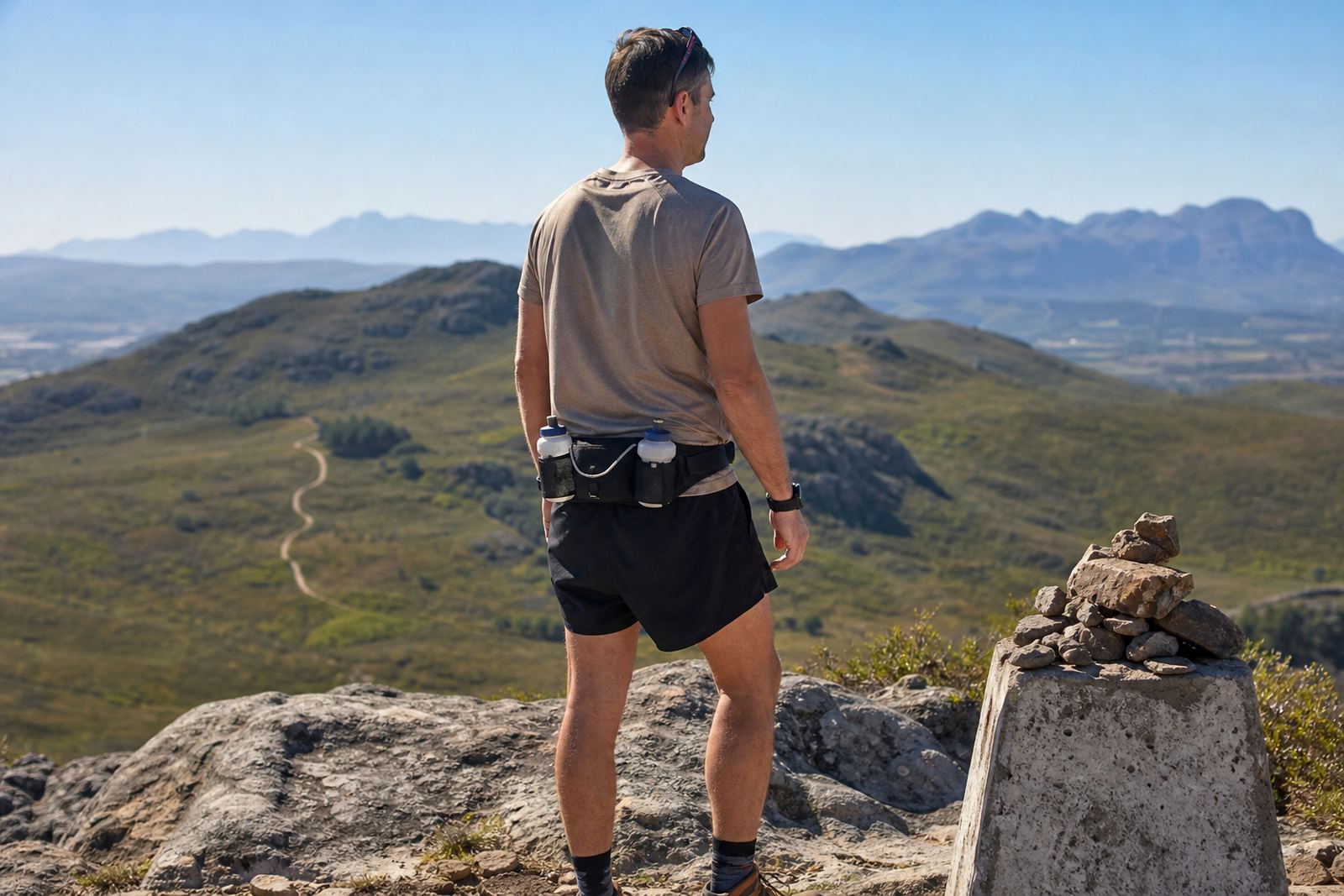
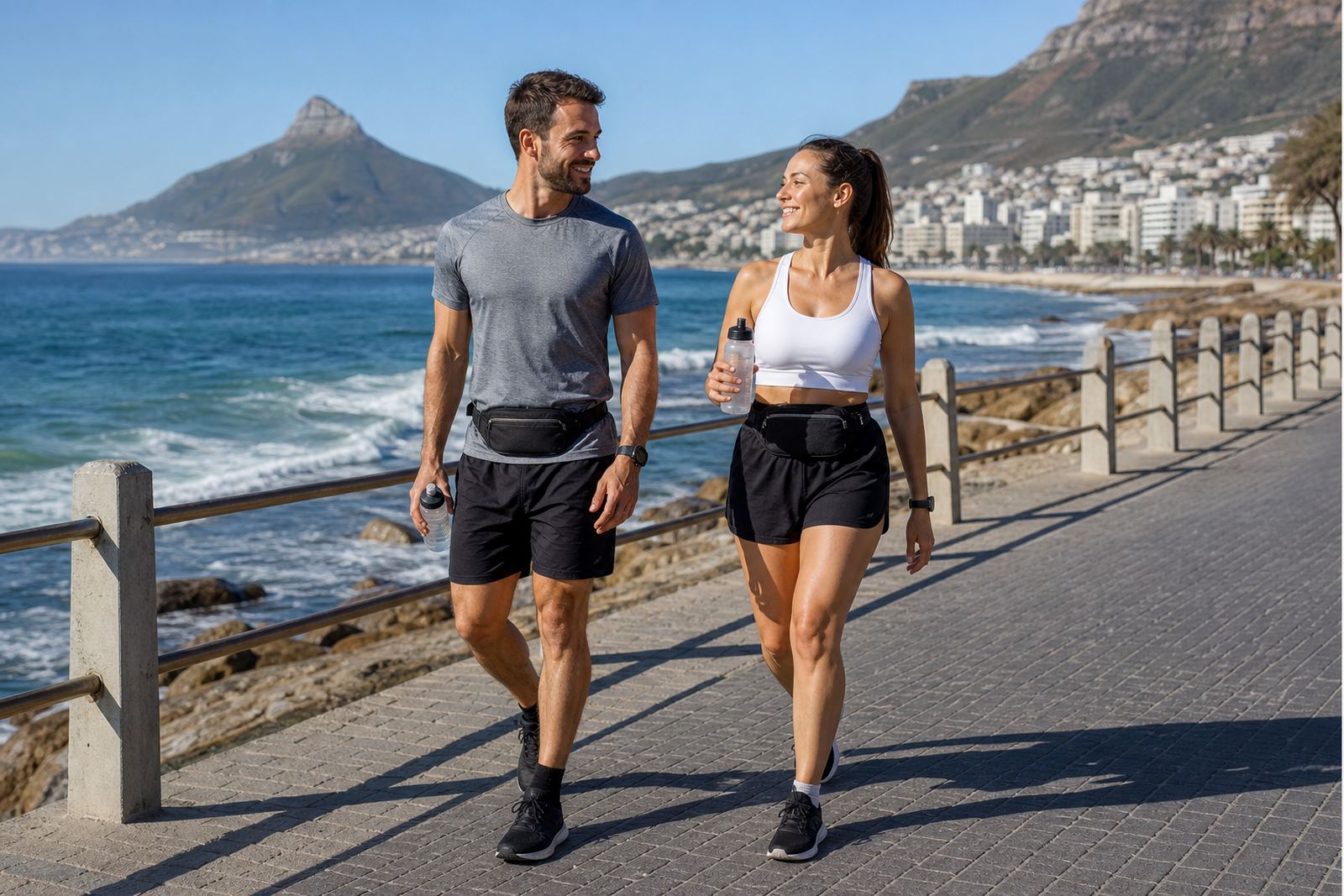
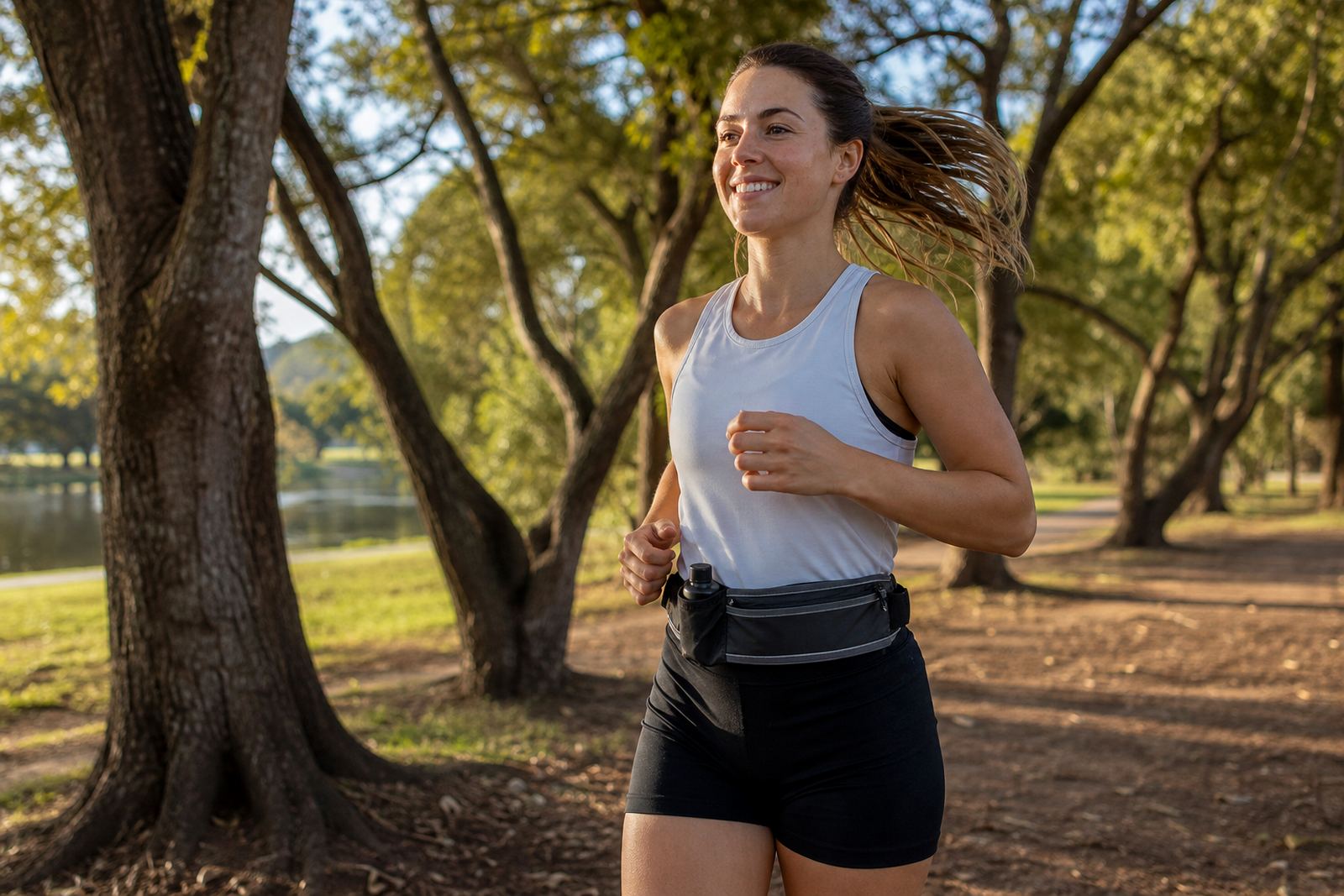
Most casual joggers do not need a large vest or backpack. They want enough space for the basics, a fit that does not bounce, and a belt they can wear without thinking about it. A well-fitted waist belt sits low and snug, so it stays out of the way on short runs, walking intervals, park runs and fitness club sessions.
For runners in Cape Town, Somerset West, Paarl and Stellenbosch, a belt is also handy when the weather changes quickly. You can carry a light layer, a small bottle, or a gel for a longer loop, then keep moving. If you run early mornings or after work, it helps to have your phone, house key and ID tucked away neatly instead of in your hand.
The right belt should feel simple from the first wear. If you have to stop and keep adjusting it, it is probably not the right size or layout for your body. A good fit matters more than extra features for the average jogger.
Typical setup for short runs and park jogs
For most casual joggers, the kit is small and practical. The aim is to keep the load light while still having what you need on hand. In South African conditions, that often means a belt that can handle sweat, occasional dust on trail edges and early morning humidity along the coast.
- Phone in a secure pocket with a close fit
- One or two keys in a separate section so they do not scratch the phone
- Soft flask or small water bottle for longer runs
- Energy gel or a snack for runs over 60 minutes
- Small reflective detail for low light starts
- Lightweight rain layer for winter mornings in George or Durban
If you are only doing 3 km to 8 km, many runners carry just a phone and a key. For 10 km or more, a hydration option makes sense, especially in summer. On hot days in Johannesburg or Durban, even a casual runner can benefit from carrying water, because waiting for a water point is not always practical on a self-paced route.
How to choose the right layout for everyday comfort
Layout matters more than looks. A belt with one main pocket works well for very short runs, but many joggers do better with two or three separate sections. That keeps items from knocking together, and it also helps balance the load across the waist. If the belt is used by more than one person in a family or club, a clearer layout makes it easier to share.
Width and stretch are important too. A narrower belt can feel lighter, but if it is too tight it may ride up. A wider belt spreads pressure better, which is useful for runners with a broader build or those carrying a small bottle. During fitting, the belt should sit firm enough to stay put, but not so tight that it becomes uncomfortable once you start sweating.
We often suggest trying the belt with the exact items you plan to carry. A phone case, bottle shape and key ring all change the fit. What seems fine empty can feel completely different once loaded.
- Choose a snug fit before deciding on extra pockets
- Check that the zip or closure can be opened with one hand
- Keep heavier items centred or split evenly left and right
- Test the belt on a short run before using it for a longer route
- If you sweat heavily, look for a material that dries quickly
Common mistakes casual joggers make when buying a belt
The biggest mistake is overbuying. Many casual runners end up with a belt that is more complicated than their actual routine. If you only run twice a week, you usually do not need a race-style set-up with too many compartments. Too much storage can add bounce and make the belt less pleasant to wear.
Another mistake is guessing the size instead of checking it against real body measurements. Waist belts are meant to sit securely, and a loose fit can shift every time you change pace or take a corner. A belt that is too small is just as troublesome, especially on warm days when you are already a bit more aware of the fit.
People also forget about where they run. A jogger in George may need more weather protection for cooler, wetter mornings, while someone in Durban may care more about sweat and humidity. If you run on mixed surfaces like pavements, veld paths and the edge of trails near Stellenbosch, a stable belt is worth more than a flashy feature list.
It also helps to think about how often the belt will be used. A casual jogger who runs once a week may prefer a simpler option, while someone training for their first 10 km event may want a bit more storage and hydration support. The wrong choice usually comes from planning for the hardest possible run instead of the runs you actually do.
Budget ranges for casual runners in South Africa
Budget matters, but the cheapest option is not always the best value. For casual joggers, a simple waist belt can start from around R180 to R350, depending on pocket style, stretch and fit. Mid-range options with better stability, more structured storage or hydration space are often in the R350 to R650 range.
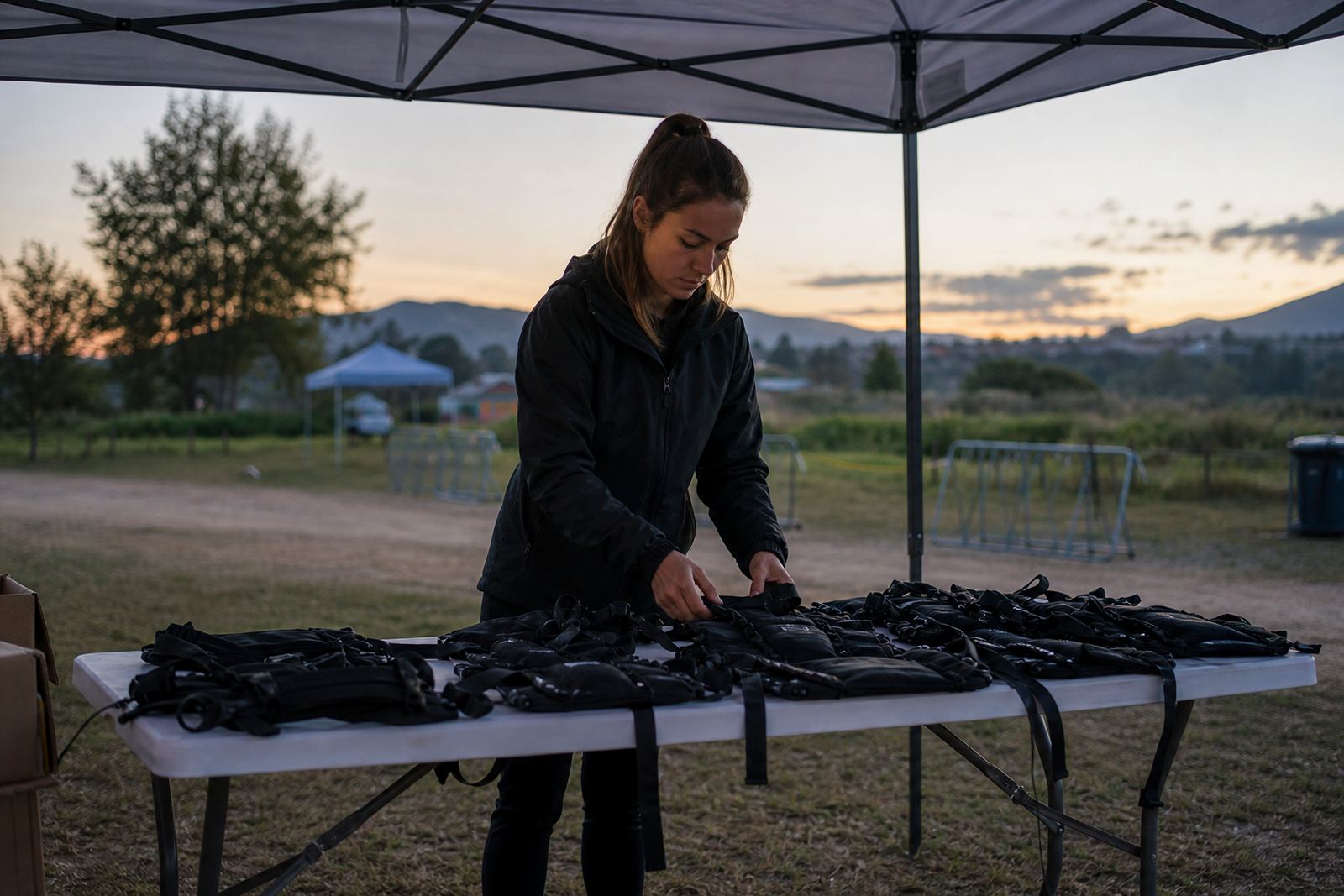
If you want belts for a small running group, club or event day support, planning in bulk can bring the per-unit cost down. That is useful for local fun runs, school events or community race pack needs in Cape Town, Stellenbosch, Johannesburg, Durban and surrounding areas. When ordering for a group, it helps to allow for a few spare sizes and to confirm the carry needs before production starts.
For everyday joggers, the best spend is usually on fit and function, not extras you will never use. A belt that stays comfortable for 5 km to 10 km runs will usually give better value than a more expensive option that is over-specified for your routine.
Simple planning tips before your first run
A short fit check before your first outing can save frustration later. Load the belt with your actual items, then walk around the house, jog in place and take a short outdoor loop. If anything shifts, rubs or bounces, adjust the pocket order or the tightness before you head out properly.
For event mornings, keep the belt packed the night before if you are running early. That helps when load-shedding, school runs or work commitments make the morning rush messy. Having your kit ready means less stress and fewer forgotten items.
- Pack only what you need for the distance
- Test the belt after a meal and after a warm-up, because fit can change
- Use the same shoes, socks and belt combo for practice runs before race day
- Keep a spare plan for keys, especially if you travel to parkrun or events
Casual running should feel straightforward. The right waist belt gives you a clean carry solution, keeps your hands free and lets you focus on the run itself instead of your gear.