What race organisers need from a waist belt supplier
For an organised race, the belt is not just a carry item. It has to sit well over a singlet, hold a soft flask or two, keep gels in reach, and stay put when runners start climbing, turning, or walking through aid stations. Event teams in Stellenbosch, Cape Town, Johannesburg, Durban and George usually need kit that works for mixed field sizes, from club 10 km entries to trail events with a few hundred runners.
We work with organisers who need belts that are practical, quick to allocate, and easy to explain to participants. That usually means clear sizing, simple colour sorting, and a layout that works for hydration, race numbers, keys, phones, and nutrition. When the race is near the coast, breathable materials matter more because humidity can make a snug fit feel tighter than expected. Inland, especially in summer, heat and dust mean runners want less bulk and a secure bounce-free fit.
Typical event belt setup for participants and crew
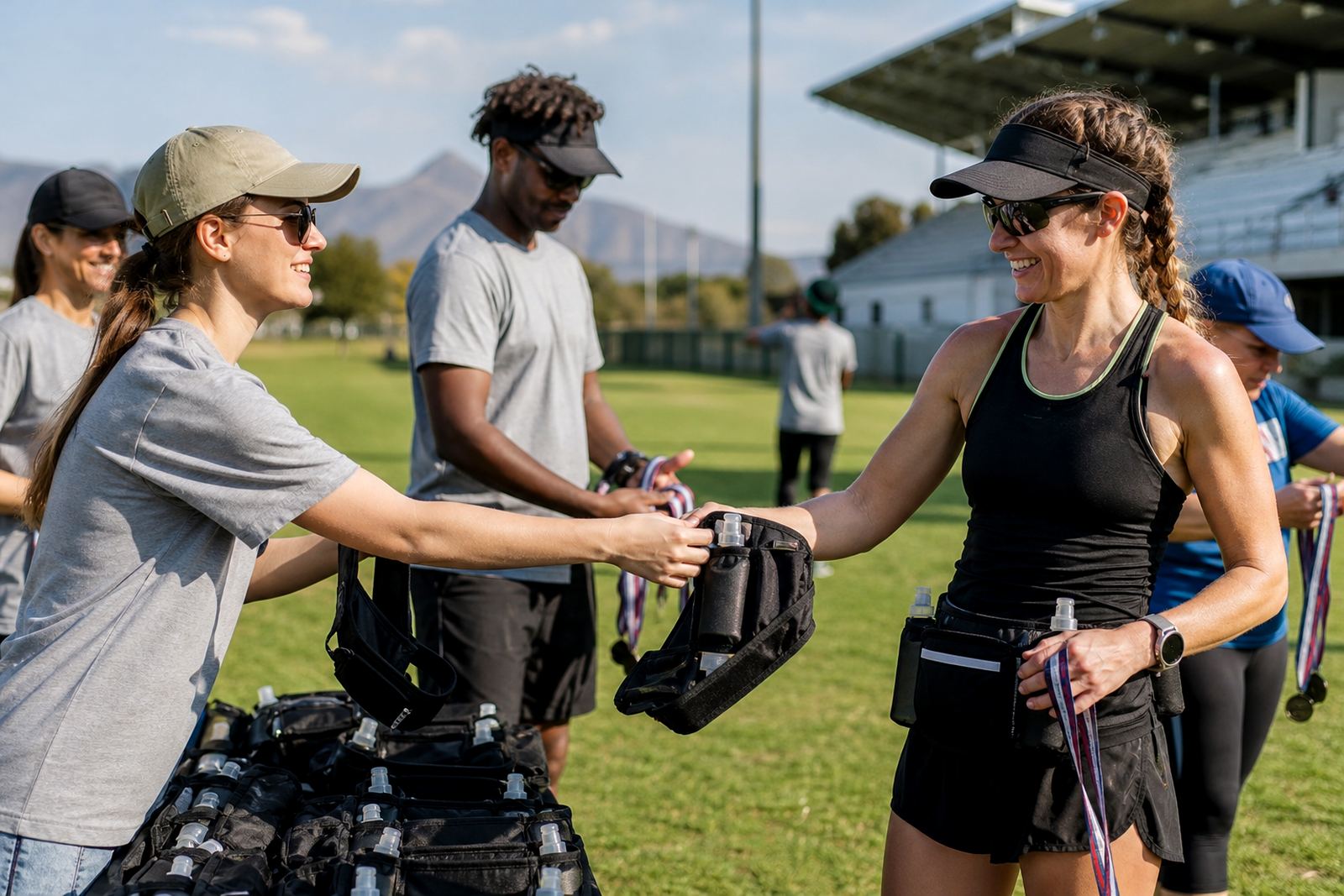
Most organisers order a mix of participant belts and crew belts. Participant belts are used for runners who need water on route, while crew belts are often set up for marshals, sweepers, aid station staff, and timing support. A good event setup keeps the same basic belt family across the whole race, with small differences in pocket layout or flask carry depending on the role.
- Participant hydration belts for trail, road, and multi-terrain events
- Crew belt kits for marshals, sweepers, medical runners, and support staff
- Race pack inserts for sizing notes, hydration instructions, and belt use tips
- Custom colour runs for quick sorting of categories, waves, or volunteer groups
- Repeat order support for annual events and club race calendars
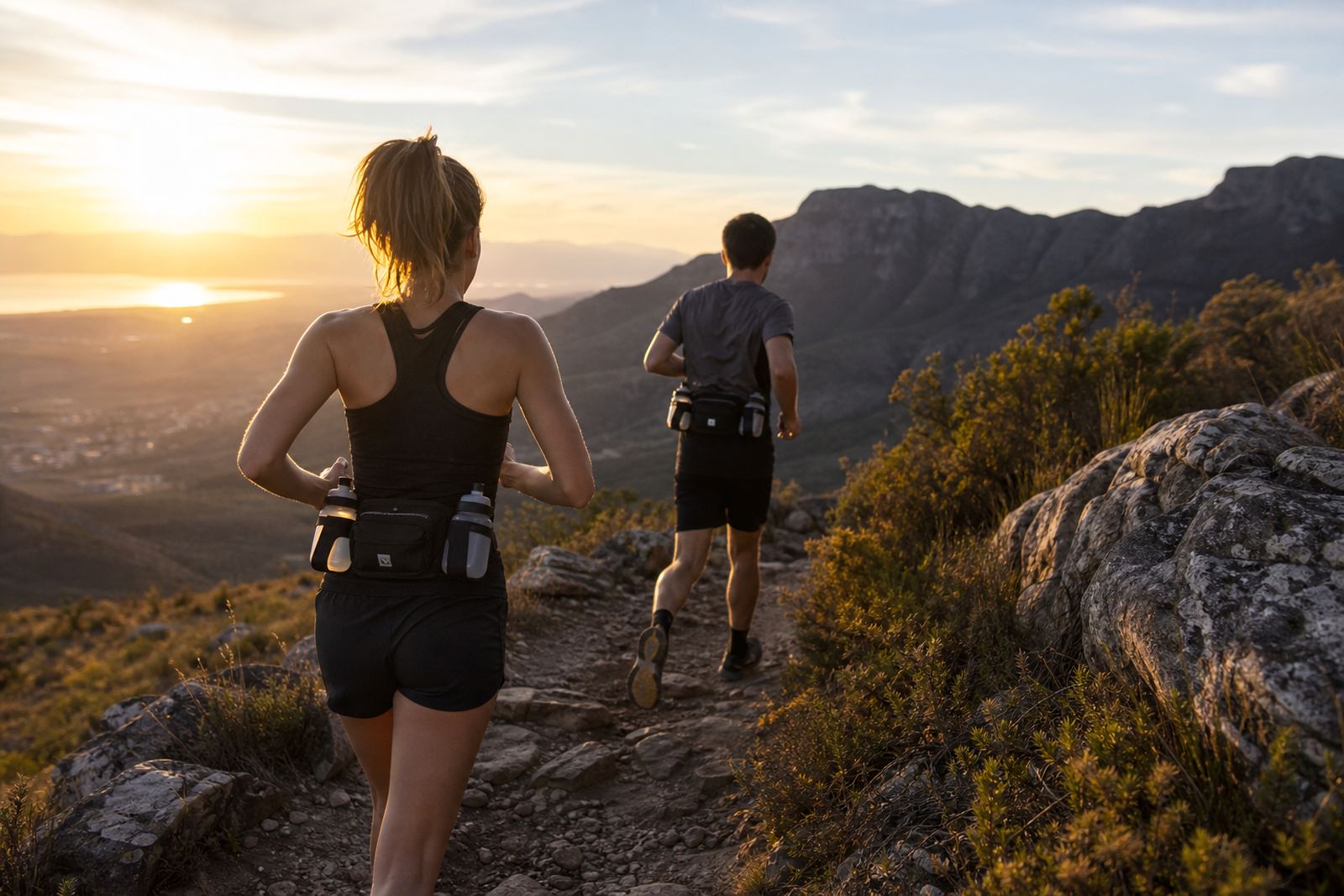
For trail races around Stellenbosch or Somerset West, organisers often prefer a tighter storage profile because the route can include climbs, loose gravel, and narrow singletrack. For road races in larger towns, belt layout may prioritise easy access to gels and a phone, with less emphasis on larger carry space. It sounds small, but the right pocket layout saves a lot of fuss on race morning.
Planning sizes, quantities, and race-day distribution
Participant sizing is where many events lose time. If you guess sizes too roughly, you end up with exchanges at registration, more queries at the call tent, and unhappy runners on the day. We help organisers plan size splits using entry data, club lists, or estimated field profiles. It is better to order a little extra in the most common sizes than to run short on the sizes most people actually need.
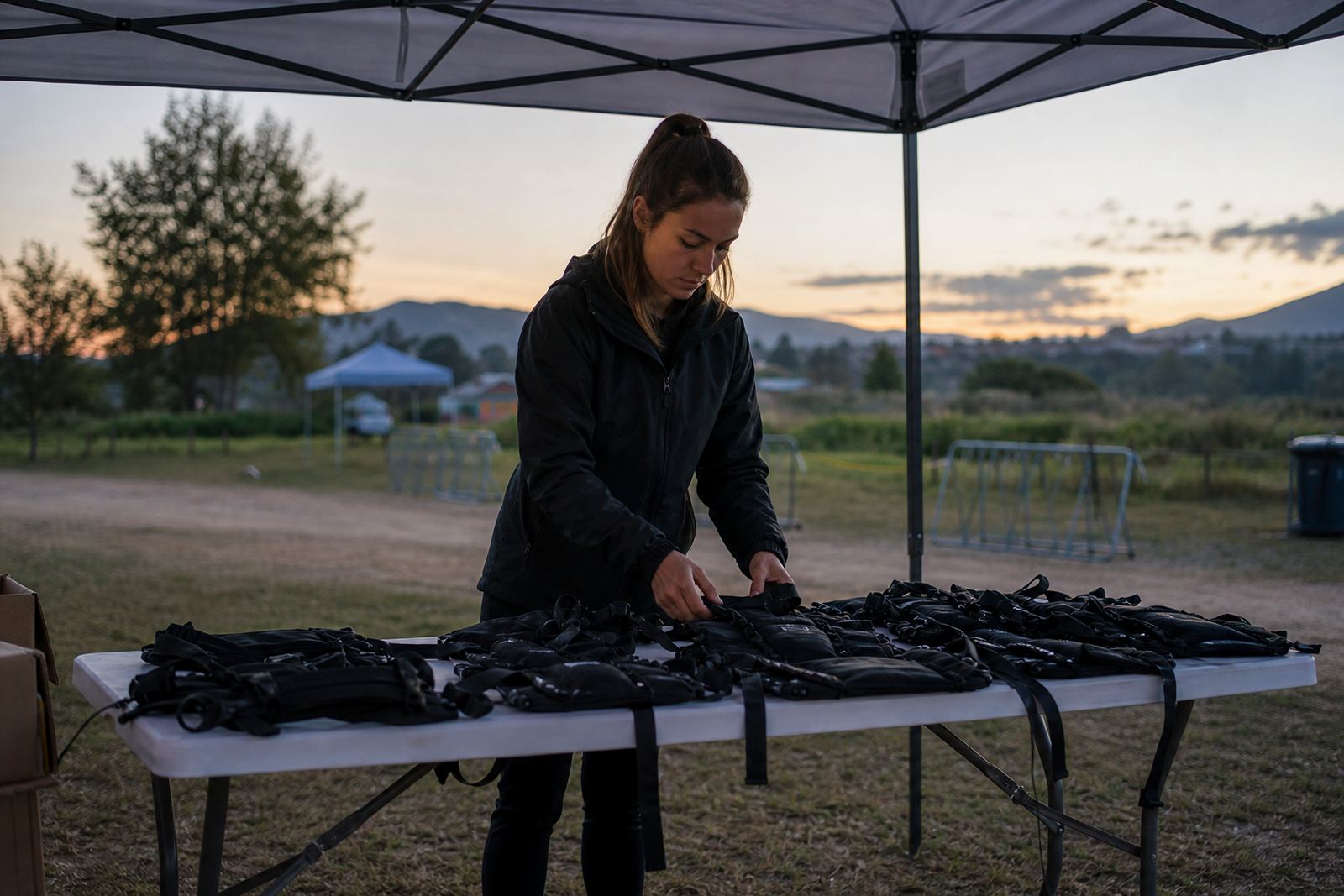
For smaller events, it is common to plan belts in S, M and L with a few XL units for comfort wearers and stronger builds. Larger events often add a pre-sort by gender or discipline if the field has clear patterns. If you are issuing belts at registration or placing them in race packs, the packing method matters too. One pile by size is not enough. You need labelling, count sheets, and a distribution plan that your volunteers can follow when the queue gets long.
Our dispatch coordination team works with event offices, clubs and timing crews so belts arrive in a sensible sequence, not all mixed together. If your race has late entries or a second wave of packet collection, we can help keep spare units separate and easy to reach. It saves stress when load shedding hits the venue and the admin team is already juggling scanners, bibs, and change tables.
Hydration layout advice for local conditions
Hydration needs are not the same in every part of South Africa. A summer trail race in Durban asks for different carry choices than a cool winter road event in George. That is why layout advice matters. Some runners only want a soft flask and one gel pocket. Others want space for keys, a phone, salts, and an extra packet of energy chews.
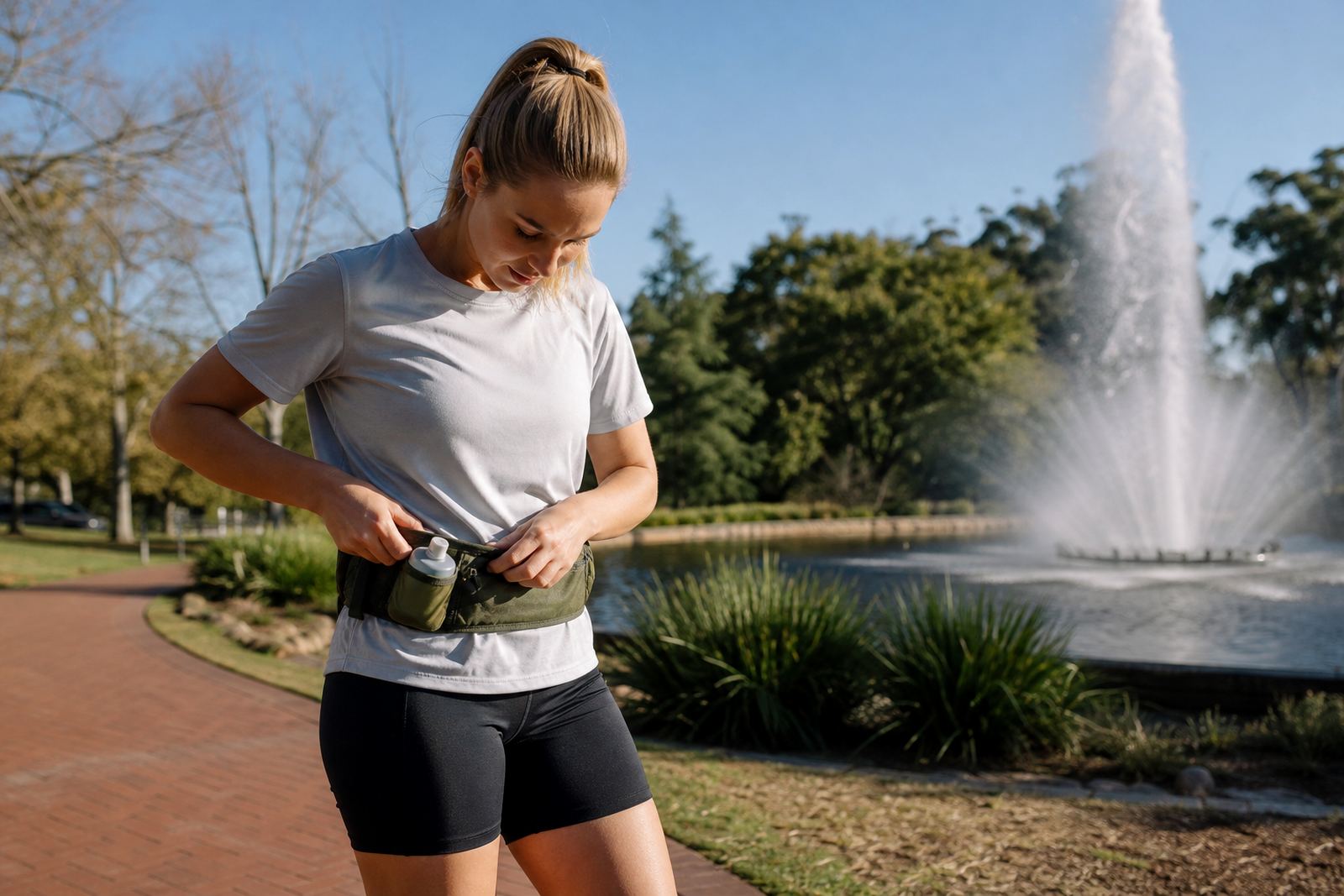
We usually help event teams decide on three things: where the bottles sit, how the pockets close, and whether the belt should be used with one or two soft flasks. A belt that works well on the flat can feel awkward on steep climbs if the load sits too high. Too much weight on one side can pull after 5 or 6 kilometres, which is a common complaint from runners who thought the kit was fine during a short test jog.
- Keep the heaviest item centred to reduce bounce
- Use clear pocket zones for hydration, nutrition, and valuables
- Avoid overpacking belts for trail events with lots of ascents
- Test fit over race clothing, not only in casual wear
- Allow for winter layering in the Western Cape and early starts inland
Common mistakes race organisers can avoid
The biggest mistakes are usually simple. Teams order too late, choose the wrong size spread, or forget that volunteer and participant needs are different. Another common issue is assuming one belt style suits every route. A flat city race, a hilly trail route, and a coastal fun run do not place the same demands on the kit.
It also helps to brief runners properly. If you hand out hydration belts without a short use guide, some participants will wear them too low, load them unevenly, or arrive at the start with bottles loose and pockets half open. A small race pack note can fix that. For events with repeat participants, clear instructions reduce avoidable queries at registration and on the morning of the race.
Budget is another area where planning pays off. For small local events, a basic participant belt order may start from around R120 to R220 per belt depending on quantity and configuration. Mid-range event kits with more storage or dual carry options can sit around R220 to R380 per belt. Larger bulk orders, crew kits, and repeated annual supply programmes are usually priced case by case, especially when the order includes sorting, labelling, and dispatch to multiple venues.
How our team supports event organisers from planning to dispatch
Our Stellenbosch base means we are set up for event work across the Western Cape and beyond, including Cape Town, Paarl, Somerset West, Bellville, Johannesburg, Durban, and George. Michael van der Merwe leads the team, with Ayanda Ndlovu on product development, Leandri Botha handling sales and events, Sibusiso Khumalo supervising production, Zanele Petersen on customer support, and Jaco Visser managing logistics and dispatch. That matters because race orders move best when one team handles fit, packing, transport, and follow-up without confusion.
Organisers can reach us through the enquiry form on our contact page. From there we can help with participant sizing, bulk order planning, race pack inserts, hydration layout advice, and event day support. If your race is annual, we can also keep repeat order notes so next year’s planning starts from a proper record instead of a fresh guess. That is usually where the real time saving begins.
For race organisers, the right waist belt is part gear and part logistics. Get both right, and runners notice the comfort. Get it wrong, and they notice it before the second water point.