Why trail runners choose a waist belt over a pack
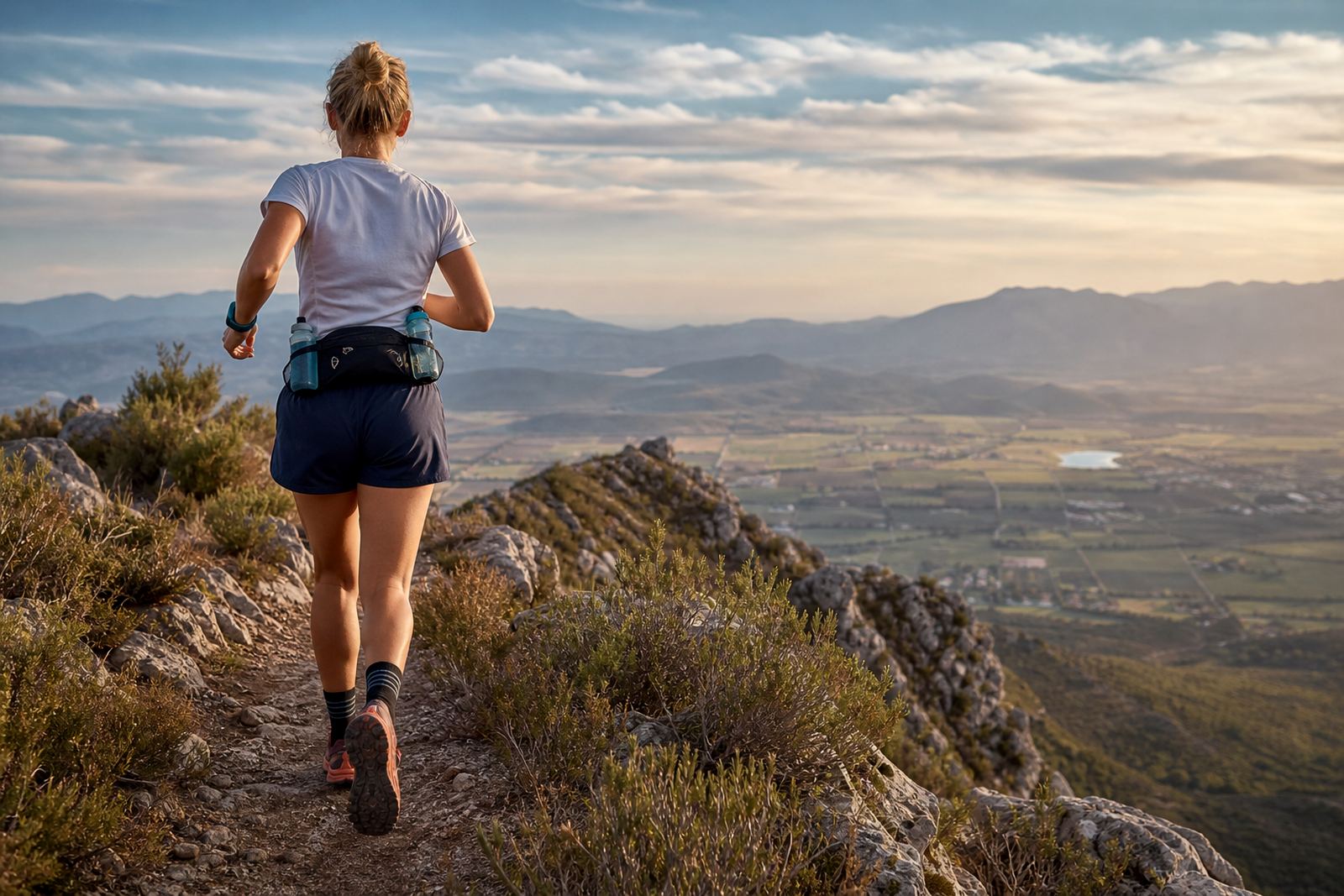
On technical trails, a small pack can feel hot and heavy, especially on long climbs or when the weather turns warm in Stellenbosch, Paarl or the Helderberg. A well fitted waist belt keeps weight low on the hips, which helps with balance on uneven ground and makes it easier to reach your flask, gels or phone without stopping.
For trail runners who train before work, do club runs on Table Mountain or head out for race weekends, the main benefit is simple: less fuss. You get the essentials with no shoulder straps rubbing, and no need to keep reaching behind your back every few minutes. That matters on rocky sections, river crossings and narrow single track where every movement counts.
Our belts are used by casual joggers and serious runners alike, but trail use is where the fit really shows. If the belt sits too high it bounces. Too low and it can twist. The right set-up should feel snug from the first kilometre and still stay stable after 20 km or more.
Typical trail kit: what fits in the belt
Every trail runner carries a slightly different load, but most setups are quite practical. The aim is to keep the load light, balanced and easy to reach without breaking rhythm on the climb. For shorter local runs, many runners only need water, a phone and a gel or two. For longer events, the list grows a bit.
- Soft flasks or hydration bottles
- Energy gels, chews or a small snack
- Phone and ID
- Car key or access fob
- Small blister kit or plasters
- Light wind shell, depending on the route and weather
For race events in the Western Cape or Gauteng, some runners also want room for a bib, timing chip or a compact safety item. We advise on layout so the belt does not become overloaded. If you put too much weight on one side, the belt starts to roll and the carry feels awkward on descents.
Layout advice for climbs, descents and long race days
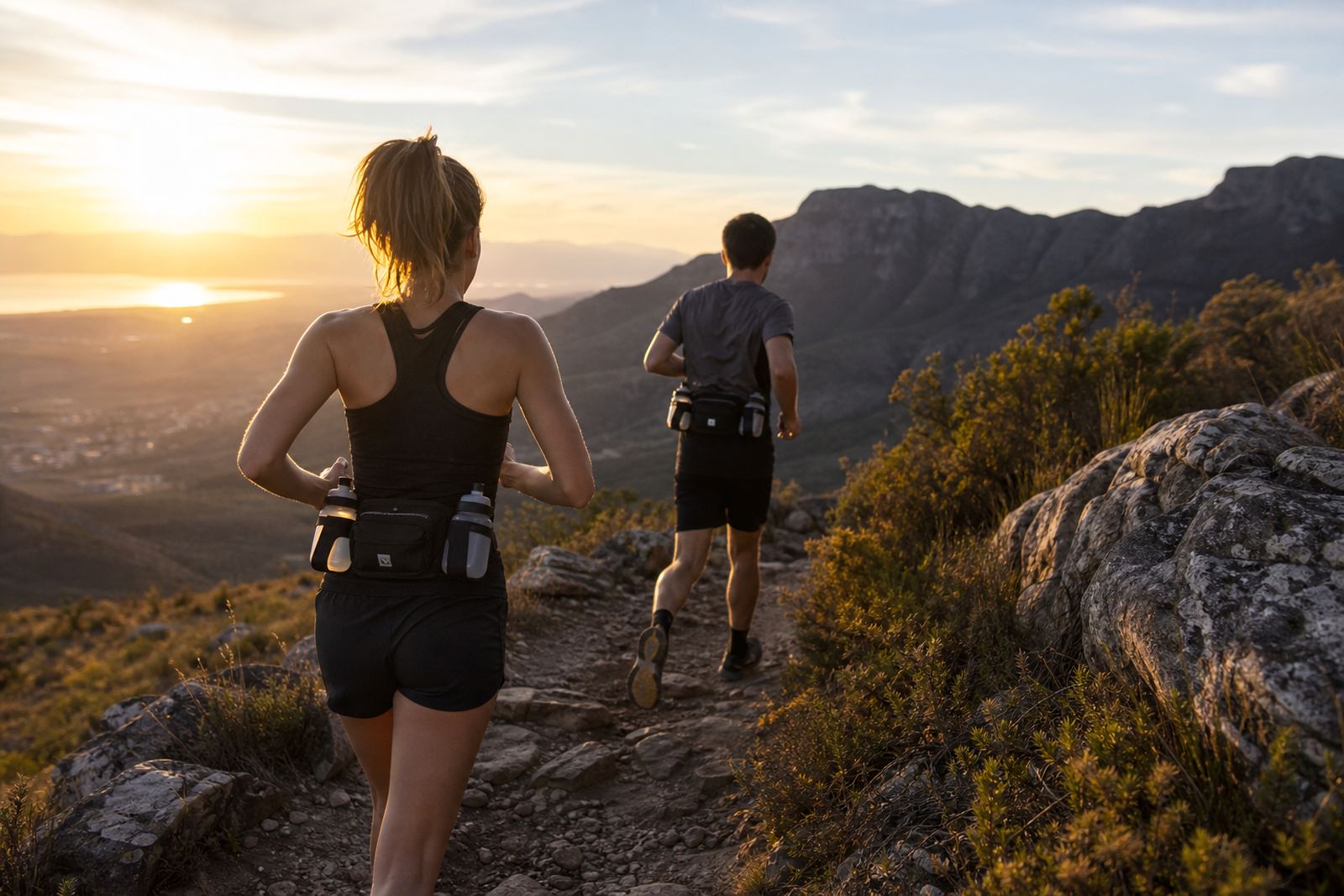
The best trail belt layout depends on distance, terrain and how often you want to drink. For shorter events, a single flask at the back with gels at the front can work well. For longer races, a split layout with water on both sides often feels more balanced, especially when the route includes technical climbs and fast downhill sections.
We usually recommend placing the heaviest item close to the centre of the back panel, then spreading the lighter items evenly left and right. That helps reduce side pull when you are moving over rocks, roots or loose gravel. If the event has multiple aid stations, you may not need to carry much more than top up water and a few gels between stops.
Useful planning points for trail events:
- Check the aid station spacing before choosing bottle size
- Match the belt fit to the clothing you will race in, not just training gear
- Allow for heat and sweat in coastal humidity around Durban or summer conditions in Cape Town
- Test the belt on at least two training runs before race day
- Carry only what you will use, too much gear adds bounce and slows you down
Common mistakes we see from trail runners
One of the biggest mistakes is buying for the longest event and then using the same set-up for every run. A belt that works for an ultra may be overkill for a 10 km trail race. Another common issue is sizing too loosely because runners fear the belt will feel tight. In practice, loose fit causes the bounce, not the snug fit.
We also see runners pack hard objects like keys and phone together in the same pocket, which creates pressure points and makes the belt uncomfortable on longer outings. Try to separate hard items from softer items where possible. Small adjustments make a proper difference.
Other mistakes to avoid:
- Filling every pocket just because it is there
- Ignoring how the belt feels after 5 km, not just in the first minute
- Using the wrong hydration amount for hot days
- Skipping a test run before race registration closes
A little planning saves frustration on the day and keeps your pace steady when the route gets rough.
Budget ranges for trail runners and clubs
Trail runners usually ask what they should budget for a proper waist belt setup. The answer depends on whether it is for one person, a club order or an event pack. In South Africa, a basic runner setup can start around R250 to R450 for simple carry needs, while more advanced hydration and storage options often sit in the R450 to R850 range.
For club orders, race events or mixed sizing across a trail series, planning around R900 to R1 800 per unit equivalent can make more sense once you include layout advice, repeat sizing checks and dispatch coordination. Crew kits or event support packs may cost more depending on quantity and the type of storage needed.
We help event organisers and trail clubs plan by participant count, size spread and race date. That helps keep the order clean, avoids last minute changes and cuts down on wasted stock. It also makes sense for events in Stellenbosch, George, Cape Town, Johannesburg and Durban where delivery timing can be tight.
How we support trail runners from base fit to event day
Based in Stellenbosch, we work with trail runners, clubs and race organisers across South Africa. Some clients only need advice on fit and bottle placement. Others want full bulk order planning, participant sizing, race pack inserts and dispatch coordination. The process is straightforward and keeps everyone on the same page.
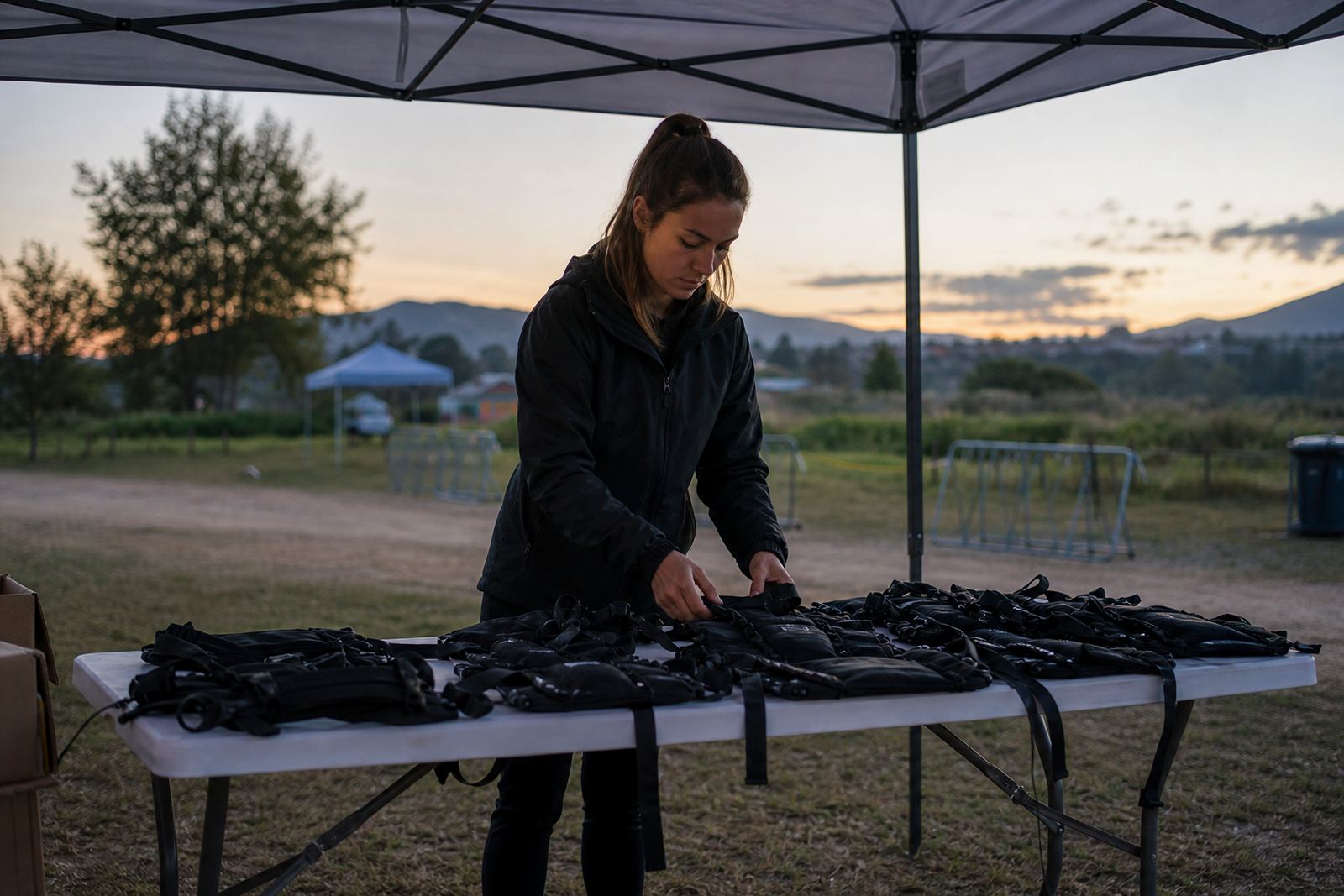
For a single runner, we can help with product fit briefing and repeat order support. For an event, we can plan the sizing split, organise custom colour runs where needed, and coordinate delivery so the belts arrive in time for registration or collection. That matters when your event schedule is fixed and the route briefing is already locked in.
Trail running is demanding enough without fighting your gear. A waist belt should help you move better, not get in the way.