
Waist Belts That Work for Fundraising Runs
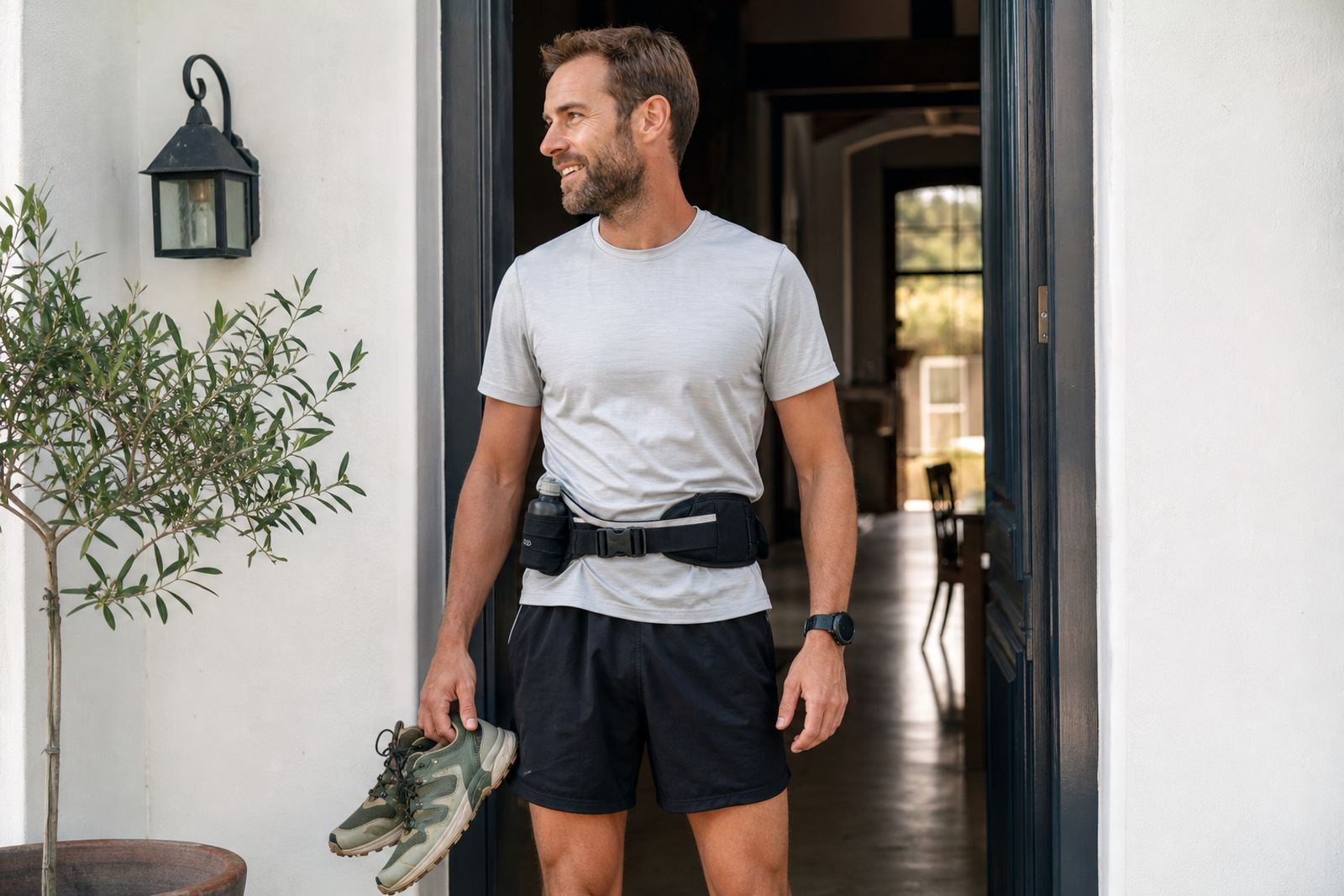
Charity events are usually busy, with mixed fitness levels, large start fields and a lot of moving parts. Some participants are there for a fast 10 km, others are walking with family, and a few are there mainly to support the cause. A waist belt helps keep the basics close at hand, so people can carry a phone, keys, gels or a soft flask without needing a bulky backpack.
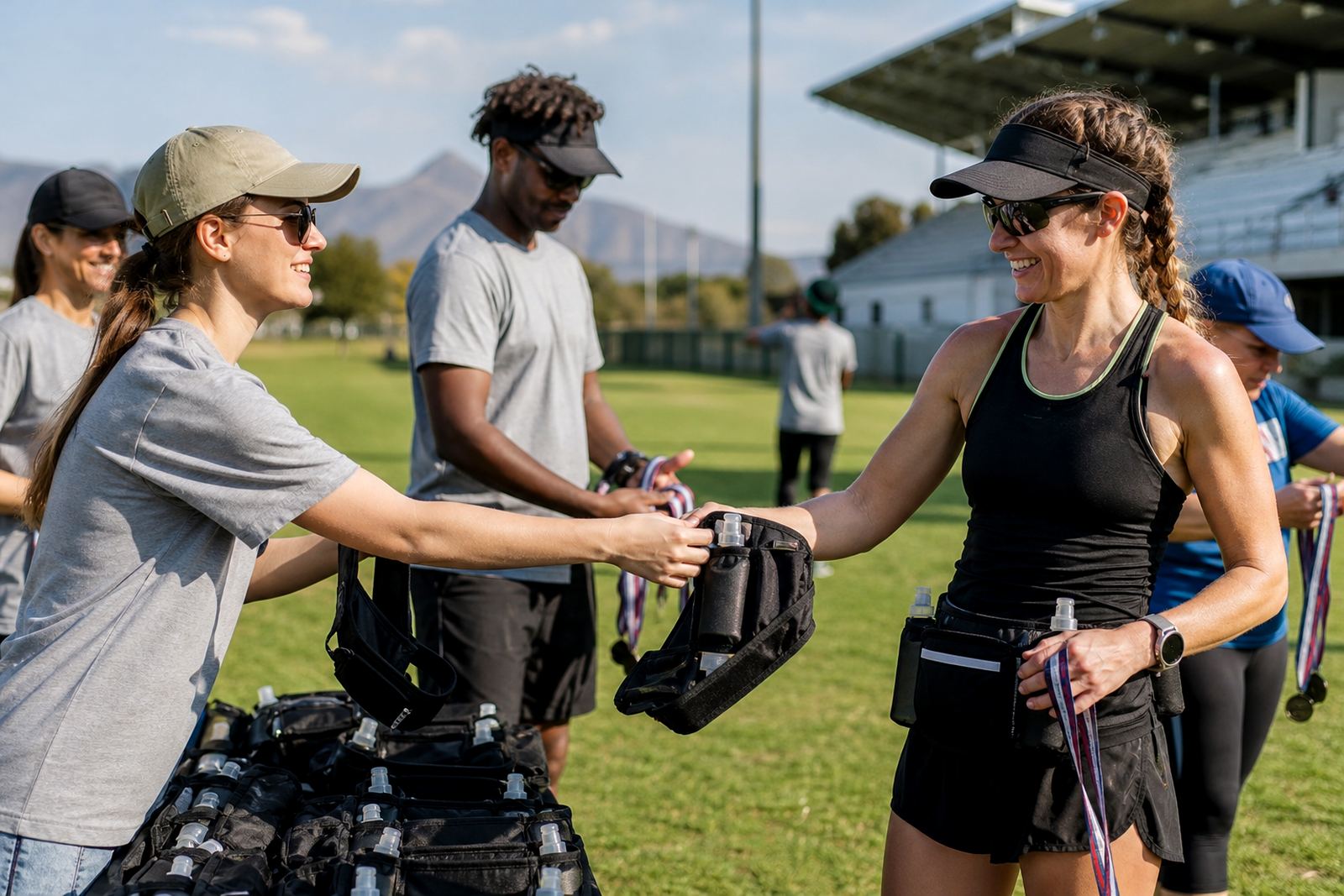
For organisers, this matters because the belt is useful before the start, during the event and after the finish. It fits neatly into branded participant packs, works well for marshals and support teams, and gives sponsors a practical item with real use. In Stellenbosch, Cape Town, Johannesburg, Durban and George, we see the same pattern: when the kit is comfortable, people actually wear it again.
Typical Kit for a Charity Event Pack
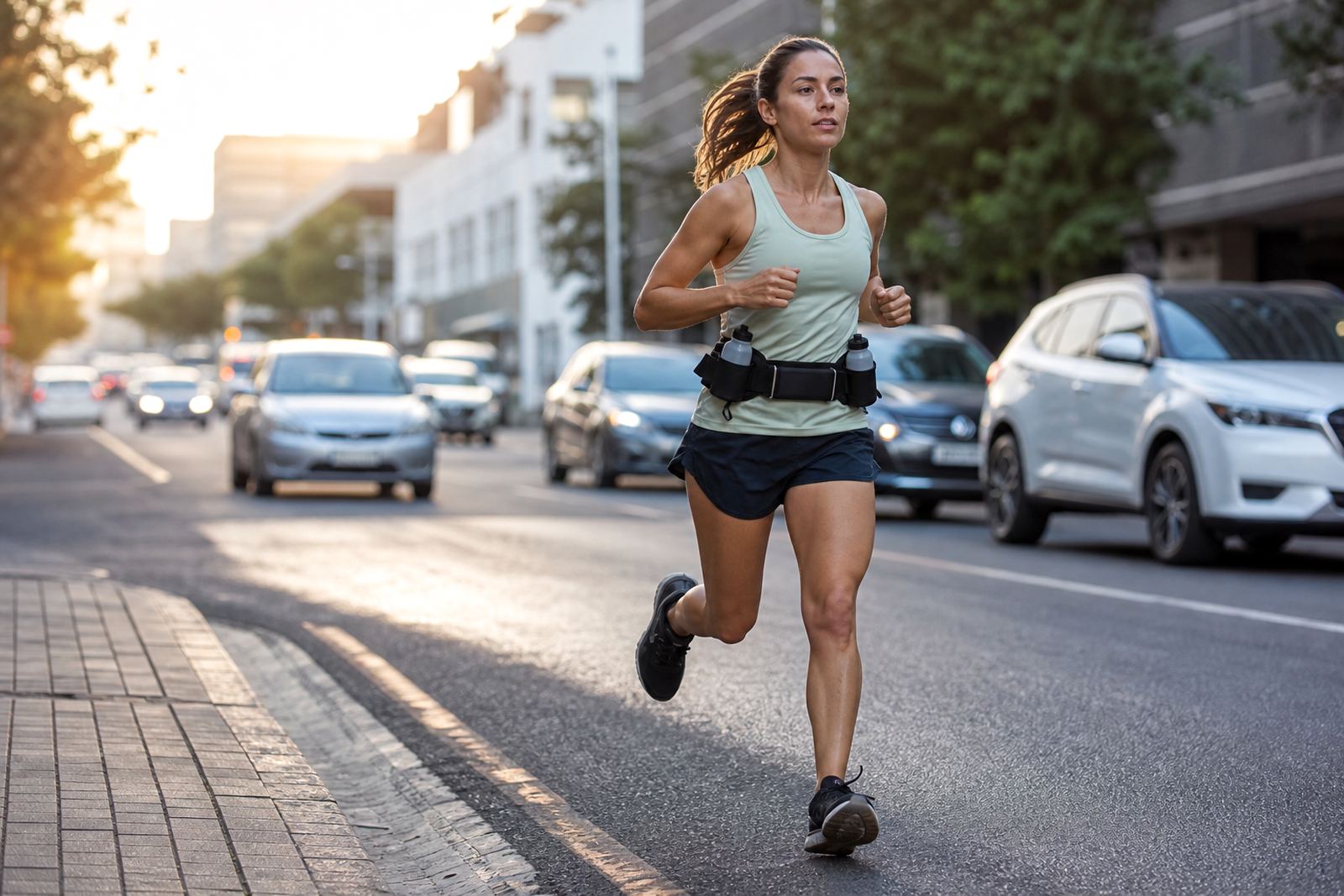
Most charity events do not need complicated gear. They need waist belts that are light, stable and easy to size across a wide group. For participant packs, a basic setup often includes a single or dual pocket belt with a snug fit, plus a hydration option for longer routes or warmer weather. On coastal event days in Durban or Cape Town, a hydration slot can be the differance between a comfortable finish and a very long last 5 km.
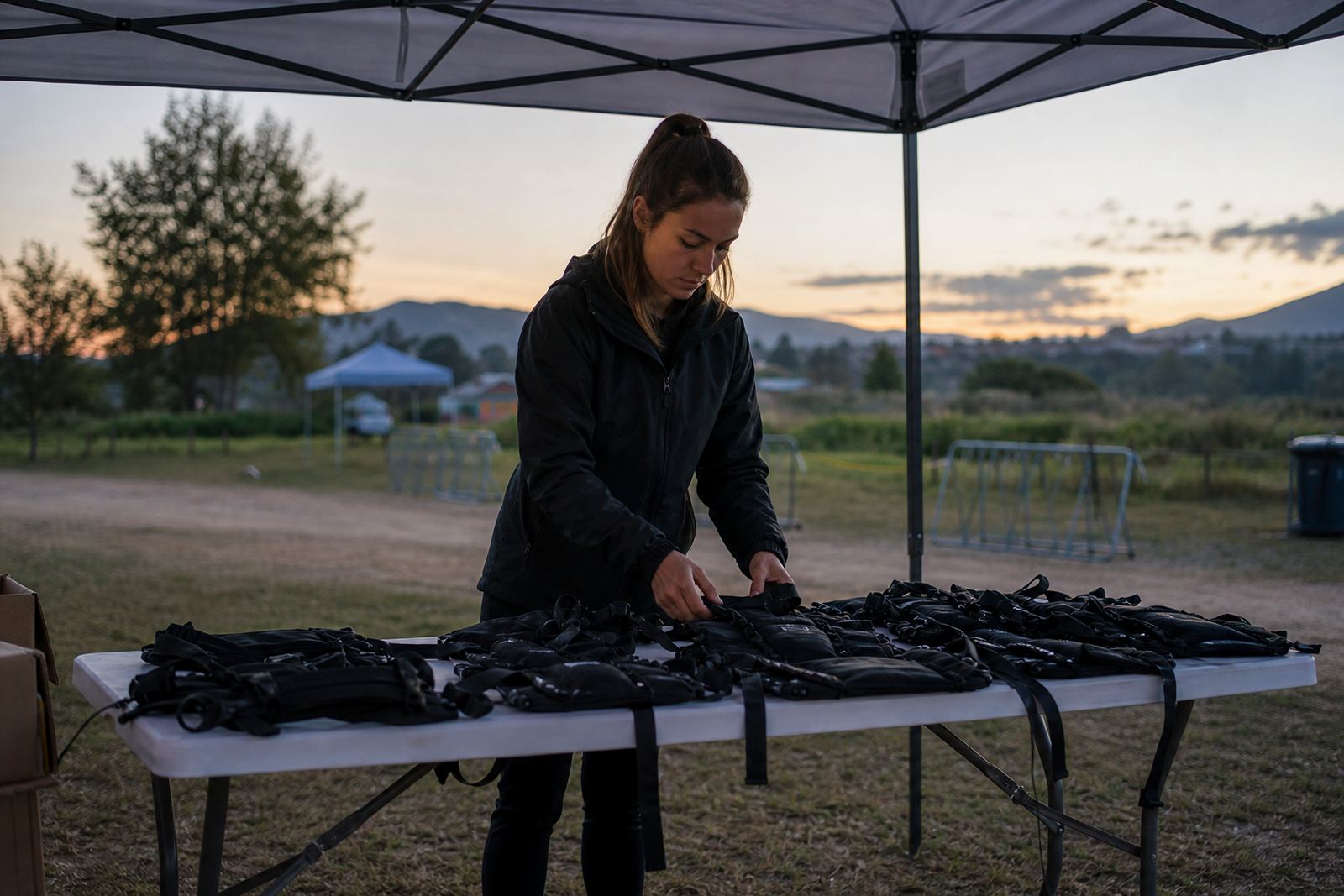
For support staff and crew, a slightly different setup is often better. They may need space for a radio, whistle, small first aid items, spare bib clips and a phone. That means more storage and a firmer belt tension. We also plan for race pack inserts, so the belt can be packed flat and issued quickly at registration or kit collection.
- Participant belts for 5 km, 10 km and walk events
- Hydration belts for longer routes and warm conditions
- Crew belts with extra pockets for event staff
- Custom colour runs for cause branding and sponsor visibility
- Race pack inserts for easy distribution at registration
Sizing and Fit for Mixed Groups
Charity events often attract everyone from club runners to first-time walkers, so sizing needs careful planning. A belt that sits well on a slim runner may feel too loose on a broader participant, and a belt that is too tight can bounce or rub. We normally suggest a sizing brief before bulk order confirmation, especially when the event has a wide age range or mixed participation type.
The simplest way to avoid problems is to match belt size to route type and expected carry load. Short community runs can use a lighter fit, while trail fundraising events may need more stability for bottles and snacks. If you are staging an event in summer around Stellenbosch or Paarl, a slightly higher hydration plan is worth considering. Heat, hills and humidity all add strain on the day.
- Check waist size ranges before ordering for groups
- Separate adult and youth sizing where needed
- Allow for clothing layers if the event is in winter
- Test fit with a few volunteers before final approval
Planning the Layout for the Route and Support Crews
Good belt planning starts with the route. A 5 km city fun run does not need the same setup as a trail charity event in the Helderberg or a longer road route in Johannesburg. We look at the start time, expected temperature, water points and the number of support staff on course. That helps decide whether the belt should carry hydration only, hydration plus snacks, or extra pockets for crew use.
Event day support also needs a clear issue plan. If belts are being included in participant packs, the packs should be assembled in the same order as the size labels. If they are being issued at registration, the belt colour and pocket layout should be easy to identify at a glance. It saves time, and avoids mix ups when volunteers are under pressure. Municipal rules around event traffic control and public space use can affect setup timing too, so last minute packing is not a good idea.
For support teams, we usually advise a small separate batch. Marshals, route water table staff and medical helpers often need different storage than participants. That keeps the main event packs clean and makes dispatch simpler.
Common Mistakes We See on Charity Event Orders
One of the biggest mistakes is ordering for the headline distance only. A charity event may advertise one race, but the actual field can include walkers, joggers, school groups and family teams. If everyone receives the same belt without checking fit and use, some will leave it in the car. Another common problem is underestimating crew needs. Support staff often need more storage than casual runners, not less.
Colour choice can also cause issues. Very light colours look good in photos, but they show dust, road spray and handling marks quickly, especially at trail events or on windy days. Darker colours last well, while brighter accent panels help with branding. Another common error is leaving packing to the last week. When participant packs are rushed, labels get swapped and the wrong sizes end up in the wrong bag. Thats when collection day becomes messy.
- Do not use one size for every participant group
- Do not forget crew, marshals and medical staff
- Do not leave pack assembly until the final days
- Do not choose colours only for photos
Budget Ranges for Charity Runs in Rand
Budget depends on quantity, pocket style, hydration option and whether the order is for participants or crew. For a simple charity run belt, many organisers plan from about R120 to R220 per unit, depending on volume and layout. A hydration belt with a more secure carry setup can sit around R180 to R320 per unit. Crew belts with extra storage usually cost more because they are built for tools, radios and event support items.
For a mid-size fundraising event, it helps to build a few budget bands. One band for participant packs, one for support teams and one for spare stock. That way you can cover late entries, VIP guests and race-day replacements without scrambling. Bulk orders for schools, clubs and charity partners usually work best when the sizing is confirmed early and the delivery window is locked in. Based in Stellenbosch, we dispatch to Cape Town, Johannesburg, Durban, George, Paarl, Somerset West and Bellville, so planning can be done around your event calendar not just your collection date.
When you are organising a charity event, the belt should support the cause, not complicate the day. Practical kit, correct sizing and a clear issue plan make the whole job easier for your team and better for the people taking part.