
When a small trail plan needs less bulk
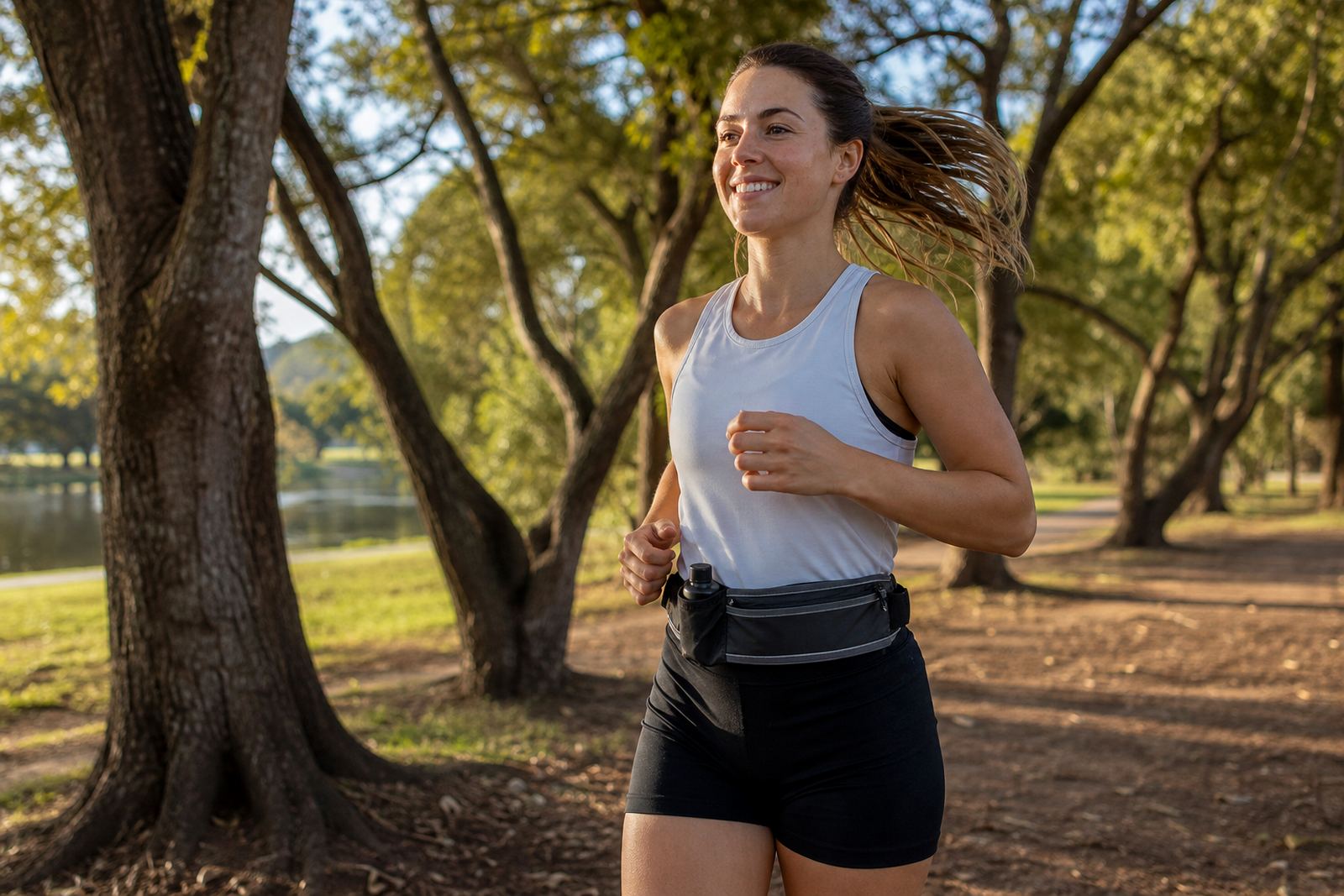
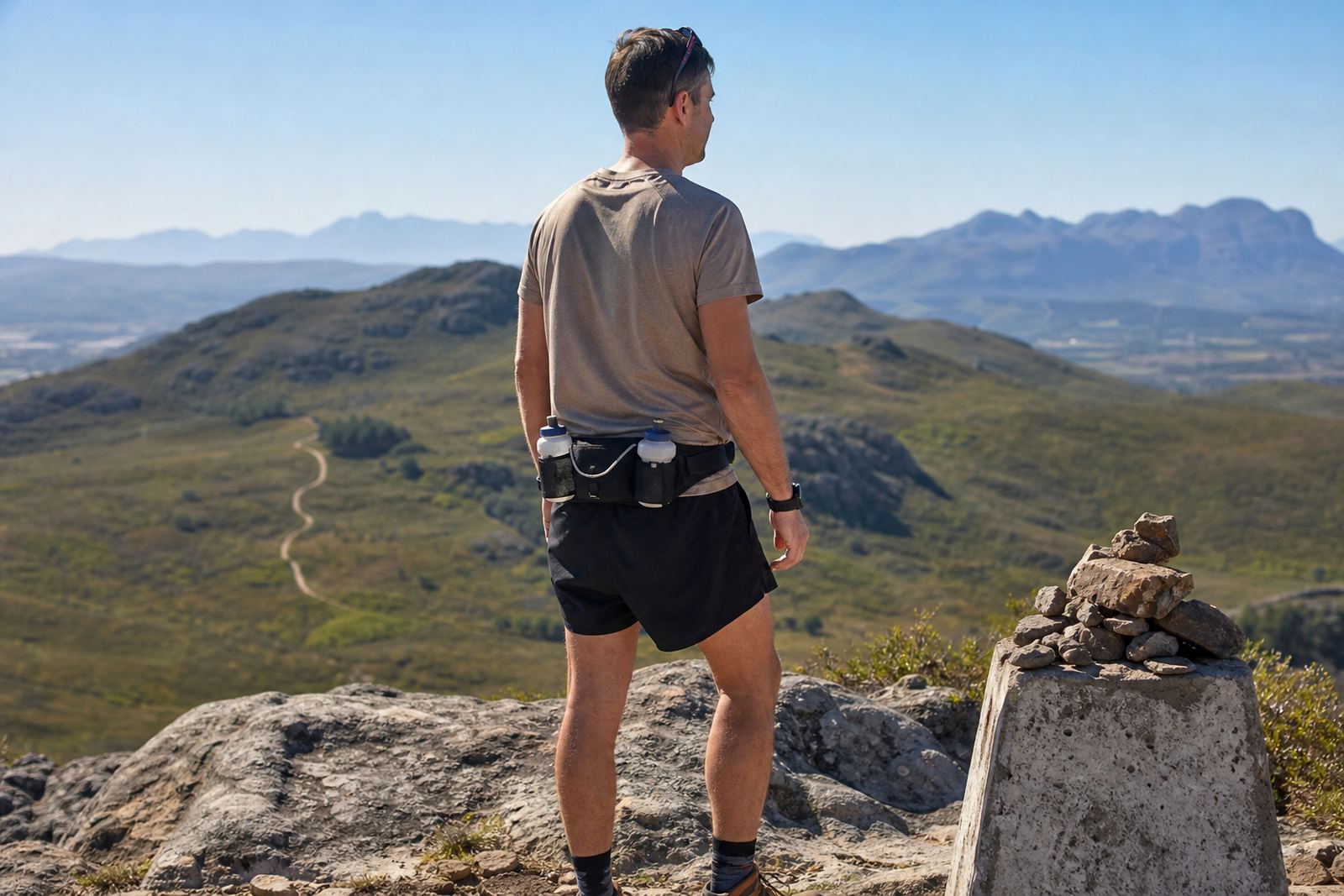
For many hikers, the right carry setup depends on the route. A short out-and-back on Jonkershoek, a wine estate trail around Stellenbosch, or a morning walk on Table Mountain does not always justify a backpack. A waist belt gives you quick access to the items you use often, while keeping your shoulders freer and your back cooler in warm weather.
This is useful for hikers who want to move lightly, keep a steady pace, and avoid the bounce that comes with a loose pack. It also suits mixed groups where some people are walking for fitness and others are on a slower social hike. In the Western Cape, where wind, heat and coastal humidity can change quickly, small gear that stays put matters more than you think.
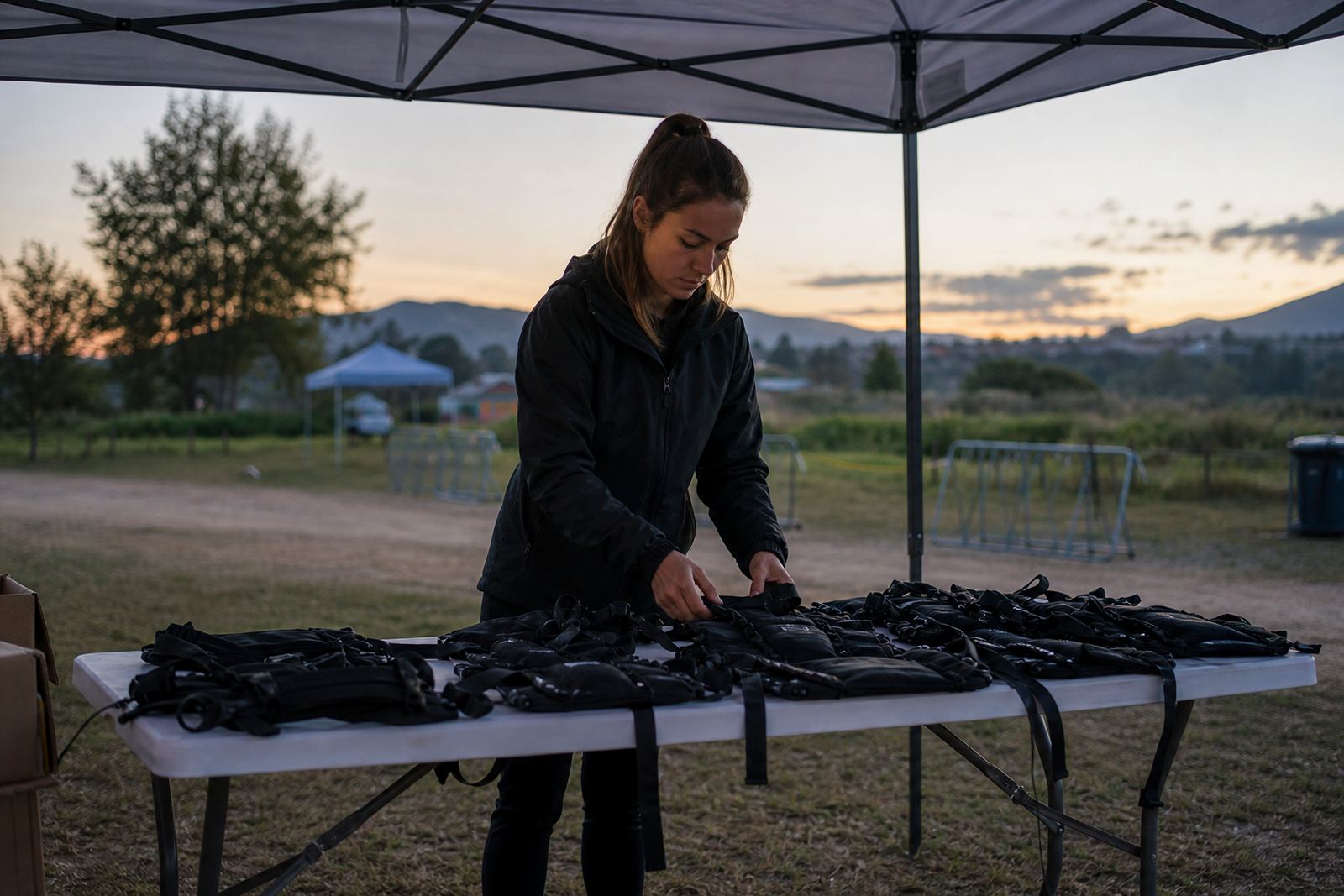
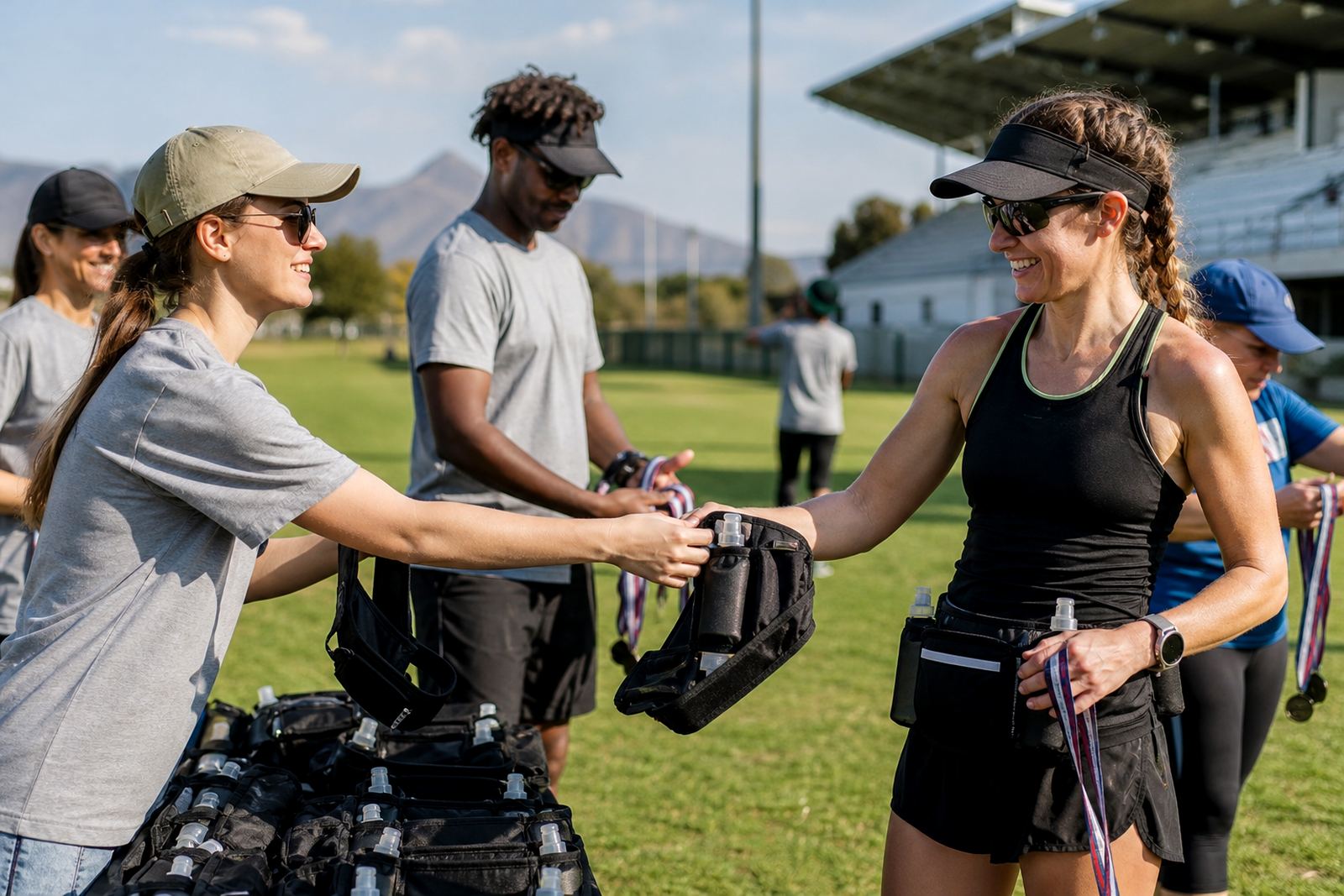
For events, club walks and guided hikes, waist belts are also easier to check, size and issue than larger packs. That makes them practical for group use, especially when participants arrive with different body shapes and carrying needs.
Typical hiking kit that fits in a waist belt
A hiking waist belt should carry the items you need every 10 to 20 minutes, not your full day kit. The best setup is simple, balanced and easy to reach without stopping. For short-route hikers, the usual load includes one or two soft flasks, a small snack, a phone, sunscreen and a lightweight rain shell if the weather looks uncertain.
- Soft flask or compact water bottle for 250 ml to 500 ml per side
- Energy bar, dried fruit or a small snack pouch
- Phone in a zipped pocket for map use and emergency contact
- Small car key or access card in a secure pocket
- Thin buff, sunscreen stick or lip balm
- Optional folded poncho or compact wind shell on cooler days
If the route is exposed or the hike is longer than expected, the belt should still leave room for a second bottle or a little extra food. It helps to test the load at home before the actual hike, because a belt that feels fine empty can shift once the bottles are full.
How to plan the layout for comfort and balance
The best waist belt layout spreads weight evenly across the hips. Heavy items should sit close to the centre or equally on both sides so the belt does not twist while you climb or descend. If the route has steep sections, the belt should sit snug but not tight enough to pinch when you breathe deeply.
For hikers heading out from Stellenbosch, Paarl or Somerset West, it is worth planning around heat and uneven ground. Water access needs to be easy with one hand, and any pouch used for snacks should open smoothly when you are moving. If you expect trail dust or drizzle near Durban or George, zips and closures should be checked before the start, not halfway through the route.
For group planning, we suggest fitting one person from each size range first, then checking reach, bounce and pocket access. That prevents a common issue where a belt is chosen for looks instead of fit. A well set belt should stay stable when you jog a short section, bend to tie a lace, or step over rocks.
Common mistakes hikers make with waist belts
Most problems come from overpacking or choosing the wrong size. A waist belt is not meant to replace a hiking pack on a full-day mountain route. If you force too much into it, the belt rides up, the bottles bounce and the hiker spends more time adjusting gear than walking.
- Buying a belt that is too large and then tightening it to the last notch
- Loading both sides unevenly so the belt turns on the hips
- Using rigid bottles that rub against the ribs or lower back
- Ignoring fit for different body shapes in a club or event group
- Leaving no space for emergency items like a phone or whistle
Another mistake is not checking how the belt behaves when wet. On coastal routes and humid mornings, sweat and mist can change how a belt sits. It should stay in place once adjusted, even if you are on uneven ground for an hour or more.
Budget ranges for hikers and small groups
For individual hikers, basic waist belts for short routes usually start at around R250 to R450 each, depending on pocket count, bottle holders and adjustment features. Mid-range options for better comfort, stronger stitching and improved storage often sit between R450 and R850 each. If you need added structure, more secure hydration carry or a more refined fit, pricing can move above R850 per unit.
For clubs, race organisers and guided hiking groups, bulk planning changes the numbers. A small order of 20 to 50 belts may bring the per-unit cost down, especially where sizing is standardised. Custom colour runs, crew belt kits and event-specific packing can add to the total, but they also make issue and collection simpler on the day.
It is also worth allowing for dispatch, sizing checks and repeat order support if you are managing ongoing club walks across Cape Town, Johannesburg, Durban or George. A slightly higher spend at the start can save time later, particularly when the same group comes back each season.
What we help with for trail walks and hiking events
Waistbag Run supports hikers, clubs and event teams that need practical carry solutions for shorter routes and day hikes. Based in Stellenbosch, we work with participants and organisers across South Africa, including Cape Town, Johannesburg, Durban and George. The focus is on fit, layout and getting the right belt to the right person, without overcomplicating the order.
Our team can assist with participant sizing, club order management, hydration layout advice, race pack inserts, dispatch coordination and event day support. For hiking groups, that often means helping you decide how many belts to order, which sizes to include, and how to distribute them before the walk starts.
When the route is short, the gear should be simple. A good waist belt lets a hiker keep moving, keep hydrated and keep essentials close, with no unnecessary bulk.