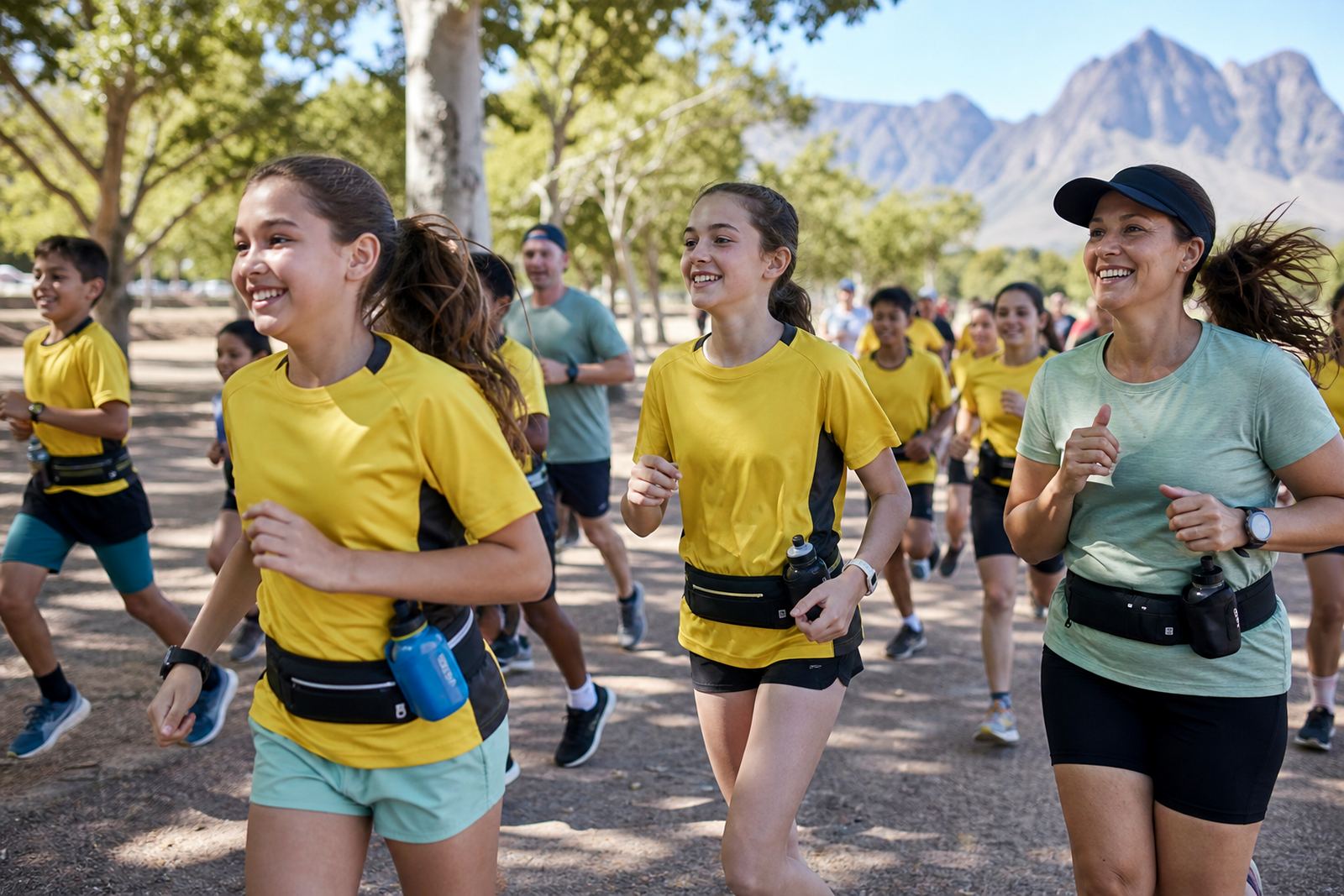
A school fun run in Paarl needed simple, practical kit
The organisers wanted one piece of kit that could work for younger learners and for the adults helping on the route. The run was being held in Paarl, with a mix of road sections, open school grounds and a few shaded areas where marshals would be standing for longer periods. The brief was clear: keep hands free, keep the fit steady and avoid bulky items that would bounce or slip while people moved.
Because this was a school event, the belts also had to be easy to explain and easy to issue on the morning. The team needed something that would not distract learners, would not overfill, and would still hold the basics needed for a safe run. That meant sensible pocket layout, simple adjustability and a fit that could handle different body sizes without causing fuss. There was also pressure on timing, because school events do not leave much room for last-minute changes.
- Client type: school fun run committee
- Location: Paarl, Western Cape
- Users: learners, volunteer route marshals and support staff
- Main need: lightweight carry and stable fit
- Key concern: quick issue on event day
Brief, constraints and what had to be avoided
The first constraint was age range. The belts had to suit smaller learners as well as adults helping on water points and crossings. The second was practicality. A school event does not need complicated kit, but it does need kit that survives repeated use, sweaty hands, dust and a full morning in the sun. Paarl can be warm even early in the day, so the belt material had to stay comfortable and not rub at the waist when people were moving fast or standing still.
The event team also wanted a setup that would work with limited storage and a simple distribution plan. There was no space for excessive packaging or a complicated issue process. The belts needed to arrive sorted by size, with clear counts for each group. We also kept coastal humidity in mind for the storage side of things, because even inland schools often keep event stock packed away for months between annual dates. If fittings are too loose or complicated, somebody ends up adjusting them five minutes before the start.
- Size range had to work for primary school learners and adults
- Belts had to stay stable during jogging and walking
- Issue needed to be fast for teachers and volunteers
- Storage had to be simple between training and race day
What we supplied for the Paarl route and finish area
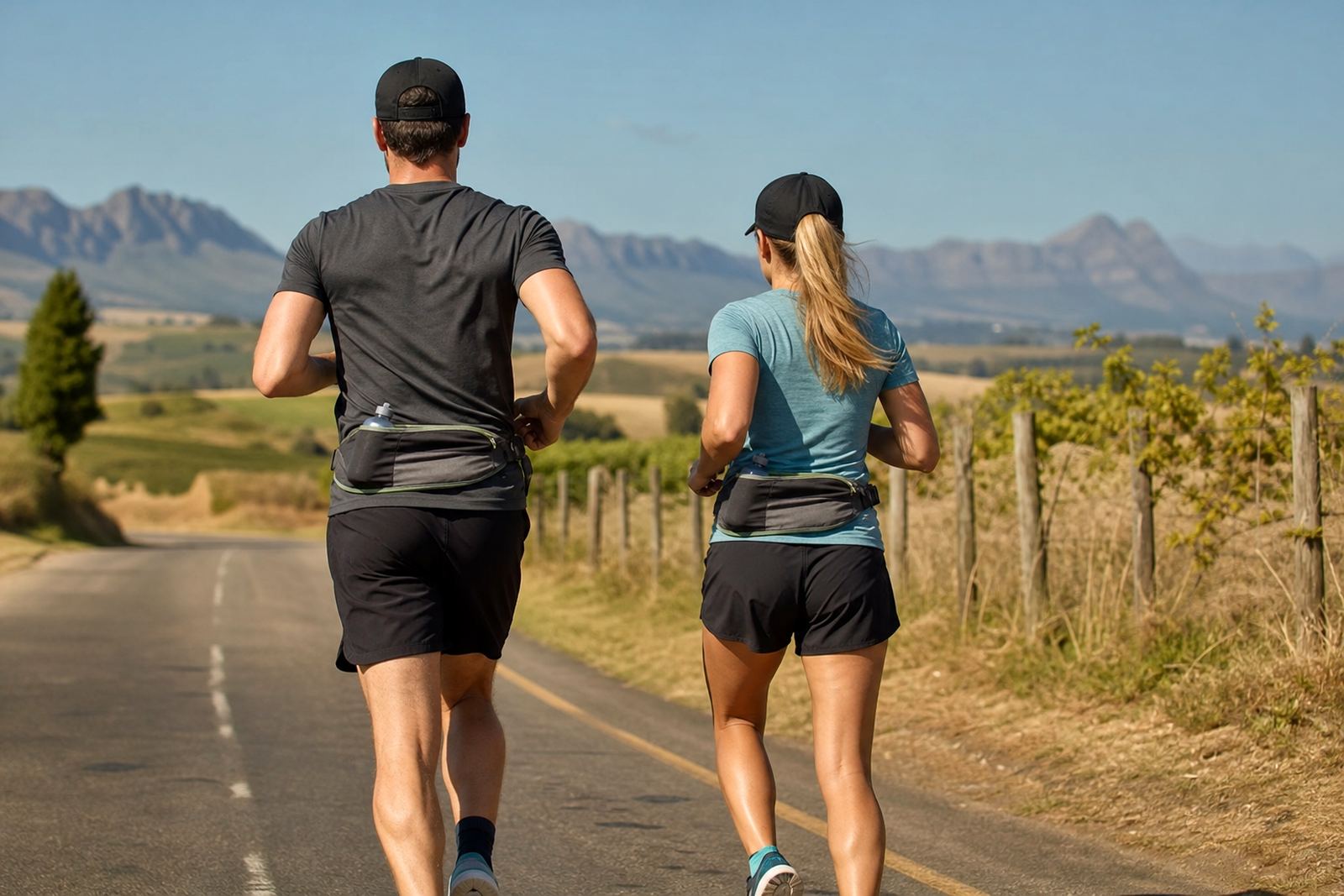
We supplied a mixed batch of running and hydration waist belts selected for school use, with a smaller profile for learners and a more adjustable version for marshals and support volunteers. The belts were chosen for their secure fit, easy front access and enough space for a soft flask, a phone, keys or a whistle. For younger runners, we kept the load light and the pockets compact so the belt would sit close to the body and not bounce when they picked up pace.
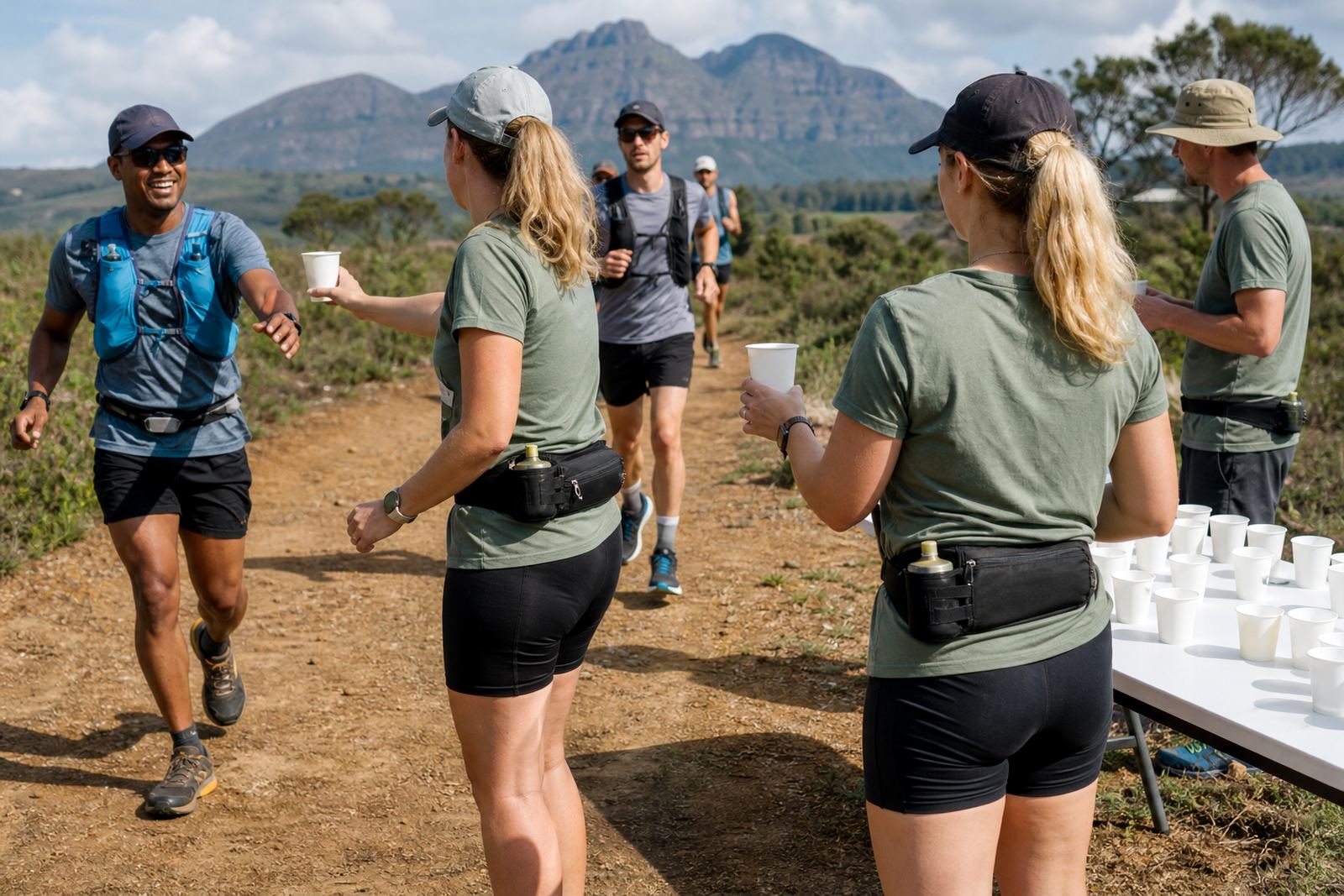
For the marshal group, we included belts that could take a little more gear, especially for those stationed near turn points and the finish chute. We also gave fit guidance for the organisers, so they could match the belt size to the person instead of guessing on the morning. That cut down on swaps and made the handover much smoother. The event pack included layout advice for which items should go to learners, which should go to route marshals and which should be reserved for the crew managing water and timing support.
- Youth-friendly fit for learner runners
- More adjustable fit for marshals and adult helpers
- Front-access storage for quick use on the move
- Hydration layout advice for the school team
- Sorted counts for issue at registration and marshalling points
Timeline from order to event day in three weeks
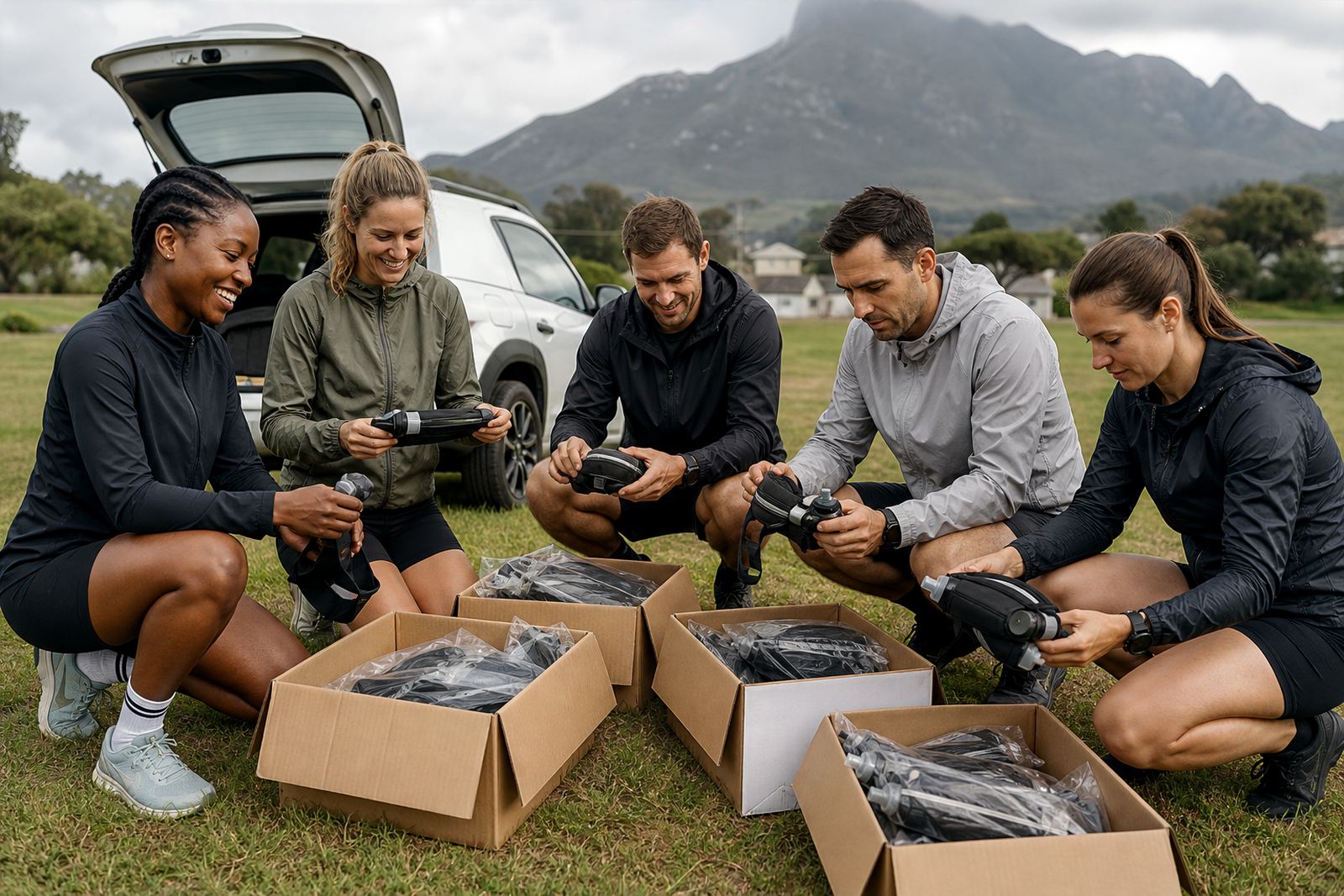
The project moved over three weeks from brief to dispatch. In week one we confirmed the size mix, user groups and event layout. In week two we finalised the pack split and prepared the order for school issue, including the count by size and belt type. In week three we coordinated dispatch so the school team had enough time to check the stock, label the packs and handle any last questions before race day.
That short timeline meant we had to keep communication clean and decisions quick. The organisers were dealing with programme notes, learner lists, route marking and parent notices at the same time. We kept the process practical: confirm the user count, confirm the sizes and send the belts with enough lead time to avoid a rush. There was no need for last-minute changes, which is often where school events lose time and confidence.
- Week 1: brief, user count and sizing plan
- Week 2: belt allocation and pack sorting
- Week 3: dispatch coordination and handover support
Results on the field in Paarl
On the day, the belts did what they were meant to do. Learners could carry a few essentials without tugging at the waist, and the volunteer marshals had the basics close at hand while keeping both hands free. The organisers reported that issue was quick at the start line, and the separate size allocation reduced confusion at registration. The belts stayed in place during jogging, walking and long periods of standing near the route points.
For a school fun run, that matters more than people sometimes expect. If a belt slips or feels too heavy, runners stop noticing the event and start noticing the kit. In this case the kit stayed in the background, which is exactly how it should be. The team also said the event felt tidier because everyone looked consistent and the marshals were easy to identify. Small detail, but it makes a difference when a few hundred people are moving through the same space.
- Faster issue at the start area
- Less belt swapping on the morning
- Better comfort for learners and marshals
- Cleaner visual setup for the event team
What we would repeat for the next school event
If we were doing the Paarl school fun run again, we would keep the same approach: a simple size plan, a lean pack mix and early confirmation of the user groups. For school events this kind of planning saves time and prevents over-ordering. We would also keep the marshal kit separate from learner kit from the start, because that makes issue easier and helps the team place the right belt with the right person. No one wants to sort sizes while the first runners are already warming up.
We would likely add the same fit briefing again, especially if the event includes younger learners in mixed age groups. It is the easiest way to reduce returns and keep everyone comfortable through the run. For schools in Paarl, Stellenbosch, Somerset West or Cape Town, the same plan works well when there are road crossings, water points and a support team spread across the route. Simple system, clear counts, and enough time to check the packs before event day.
- Keep learner and marshal packs separate from the start
- Confirm size counts before dispatch
- Allow time for a short fit briefing
- Use the same issue plan for future school fun runs
Key facts
| Project | Paarl School Fun Run |
|---|---|
| Location | Paarl, Western Cape |
| Client type | School event committee |
| Timeline | 3 weeks from brief to dispatch |
| Supplied | Youth-friendly and adult fit running and hydration waist belts |
| Use case | Learners, route marshals and support staff |