
George club brief and why it mattered
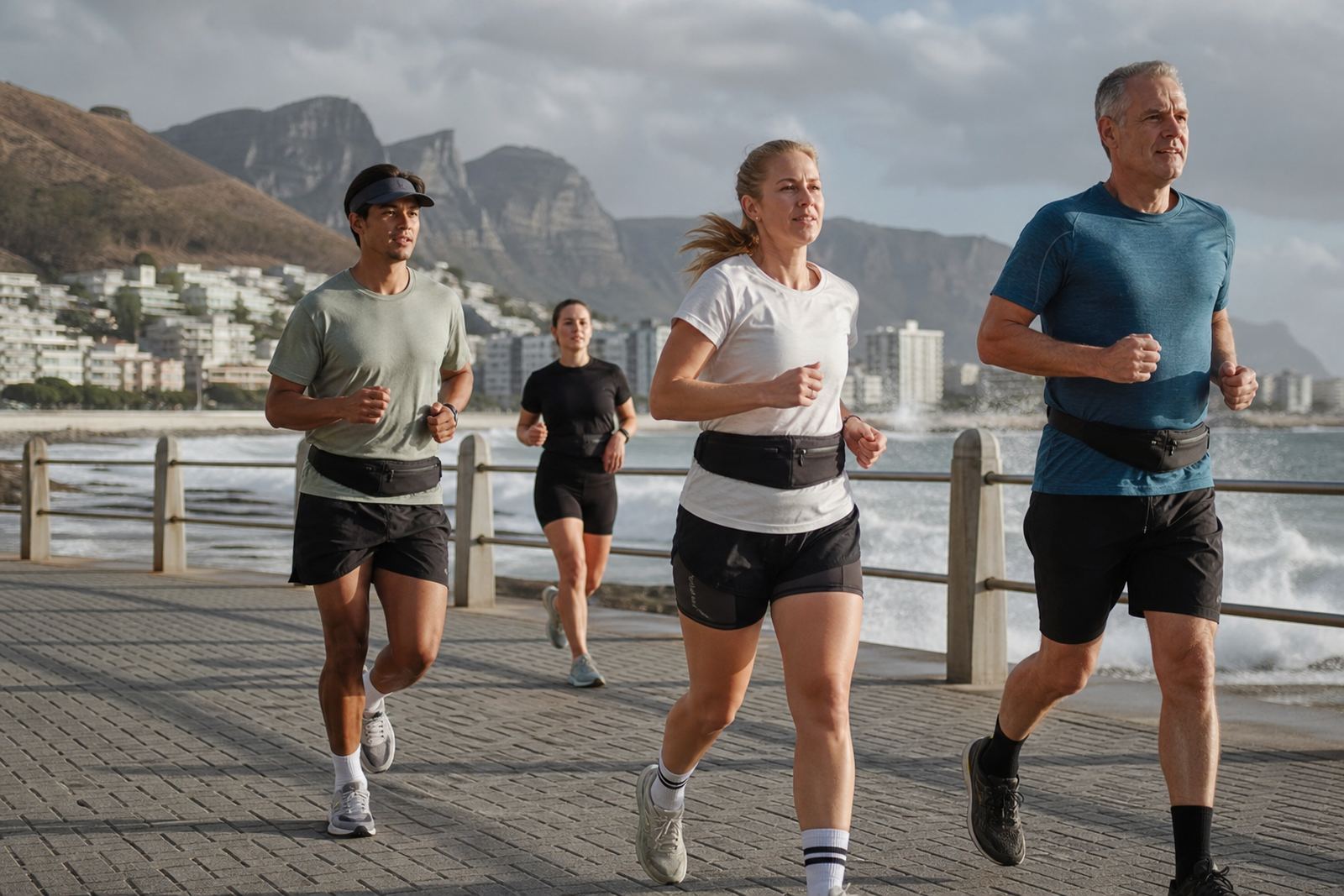
The club came to us from George with a clear brief: supply a practical set of running and hydration waist belts that could work for weekday training, weekend road races and trail outings around the Garden Route. Members wanted one belt style that felt secure at pace, held the essentials, and could cope with mixed conditions from cool early starts to warmer coastal humidity later in the morning.
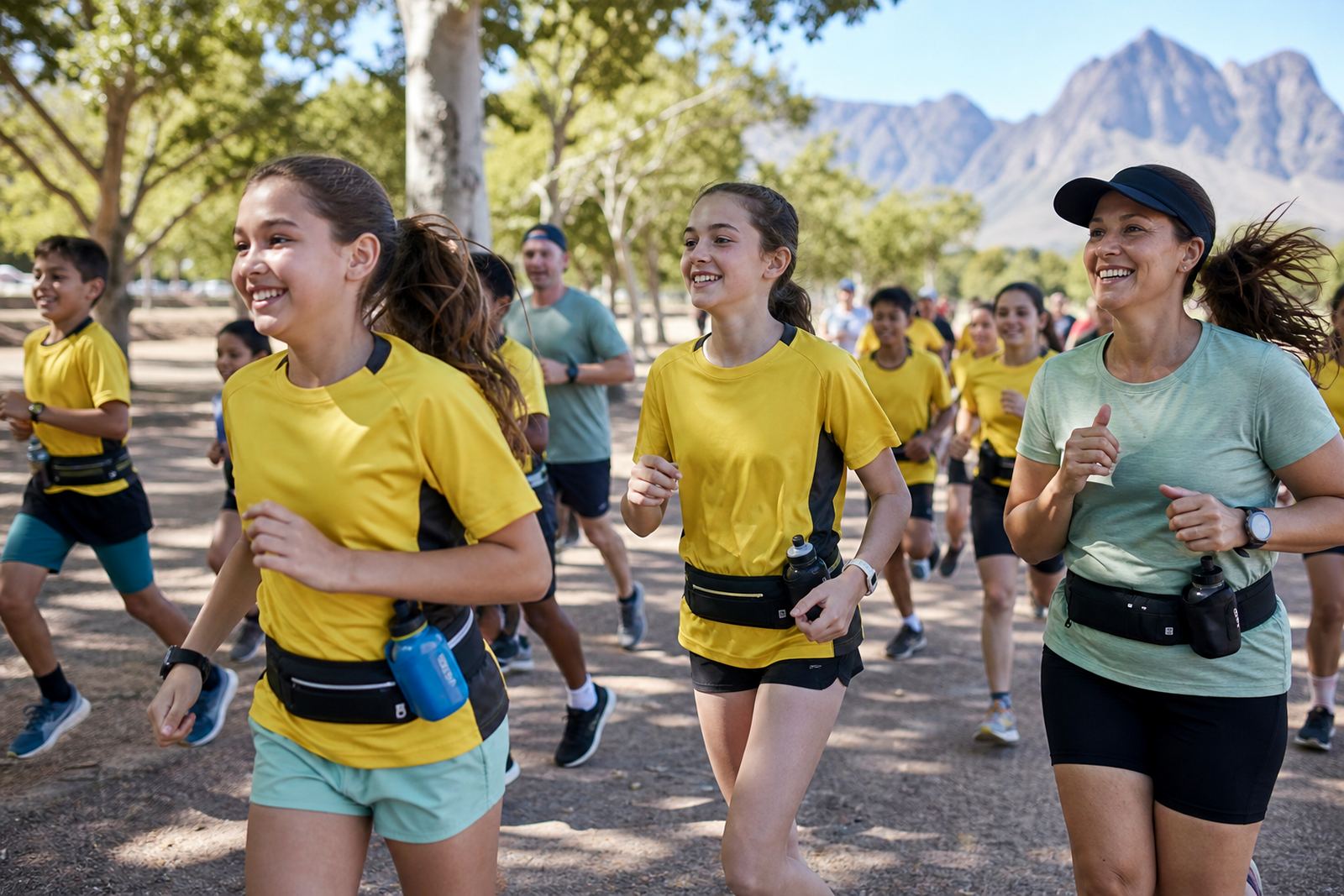
The order also needed to suit a club environment where runners have different waist sizes, different hydration habits, and different race distances. Some runners carry soft flasks and gels, while others want a lighter setup for shorter sessions. The club asked for a tidy, coordinated solution that would look unified on race day and still be comfortable on longer efforts.
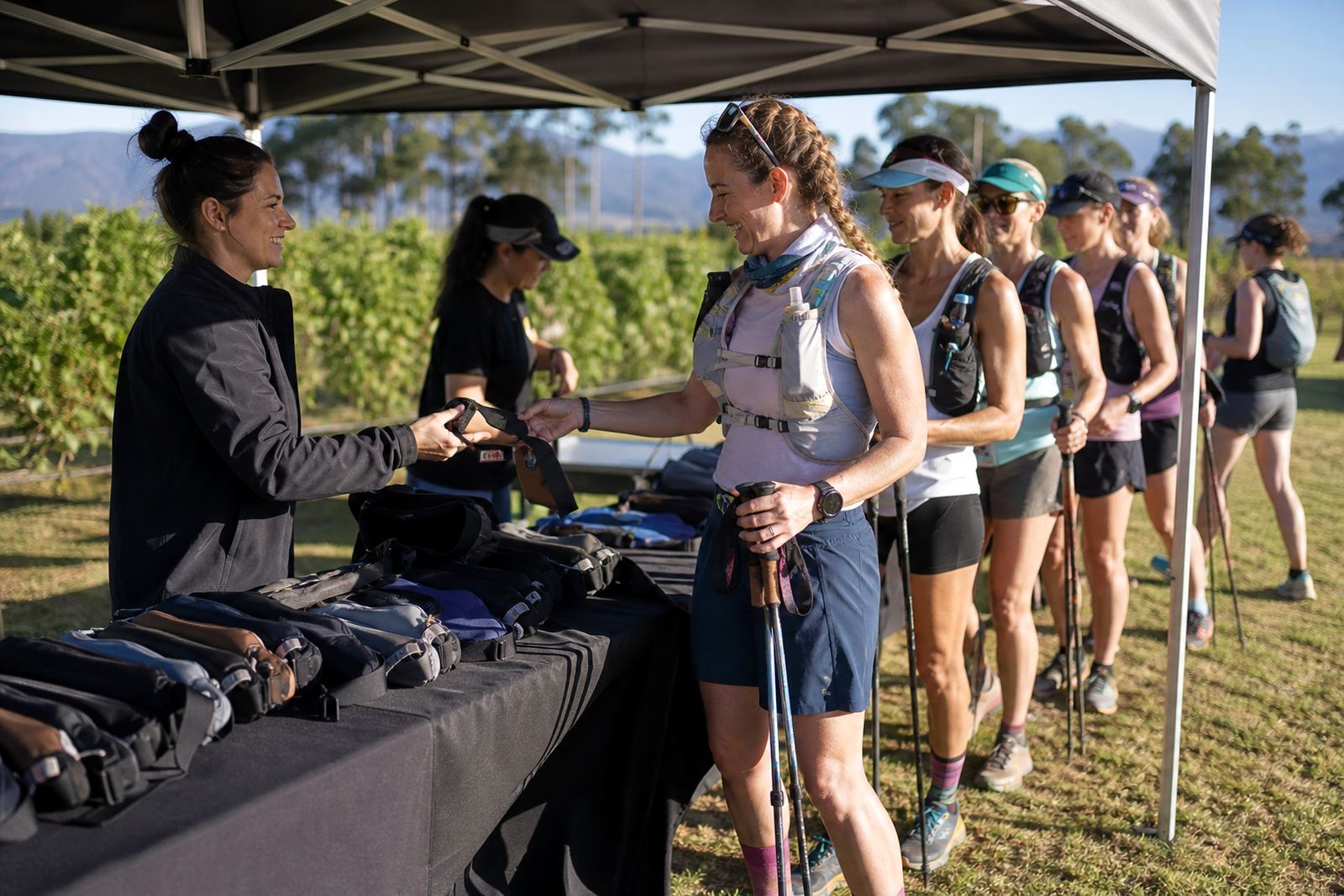
Because the club was issuing belts across a group, fit consistency mattered just as much as volume. We worked from the member list, the intended use cases and the event calendar, then built the order around repeatable sizing and clear allocation. That kept the process orderly and reduced the chance of swaps after collection.
Key requirements:
- Training and race use for a club based in George
- Comfortable fit with low bounce on road and trail
- Space for gels, keys and hydration items
- Grouped sizing for easier issue to members
Sizing, colour planning and ordering details
We started with participant sizing and a short planning call to map the order before production. The club wanted a coordinated look for race weekends, but still needed enough flexibility for different body shapes and kit preferences. We grouped the belts by size range, then confirmed the quantity needed per band so the distribution on club night would be straightforward.
The belts were specified for running use, with a low-profile carry setup and stable fit around the waist. The club also wanted a clean colour choice that would suit team kit without clashing with event shirts. That meant keeping the design practical and easy to wear across multiple events rather than over-complicating the look.
From there, we planned the order in stages so the club could approve the layout, confirm the size split, and receive the full batch together. That is usually the best approach for group orders in George and the surrounding area, especially when runners are preparing for weekend travel, hill sessions or longer endurance events.
- Size grouping confirmed before production
- Colour choice matched club kit and race use
- Order set up for one coordinated issue to members
- Layout kept simple for training and event wear
What we supplied for the club order
For this project, we supplied a coordinated run of hydration and storage waist belts suitable for club members doing both road and trail work. The belts were selected for secure carry, easy access to nutrition and a fit that stays steady when runners are moving through corners, climbs and faster race sections.
We also advised on practical loading, because a belt can feel very different when it is packed correctly. For longer runs, the club wanted to place hydration weight evenly across the waist, while keeping gels and small items in the front where they can be reached without stopping. That kind of layout helps on race mornings when tempo changes quickly and there is no time to fiddle with kit.
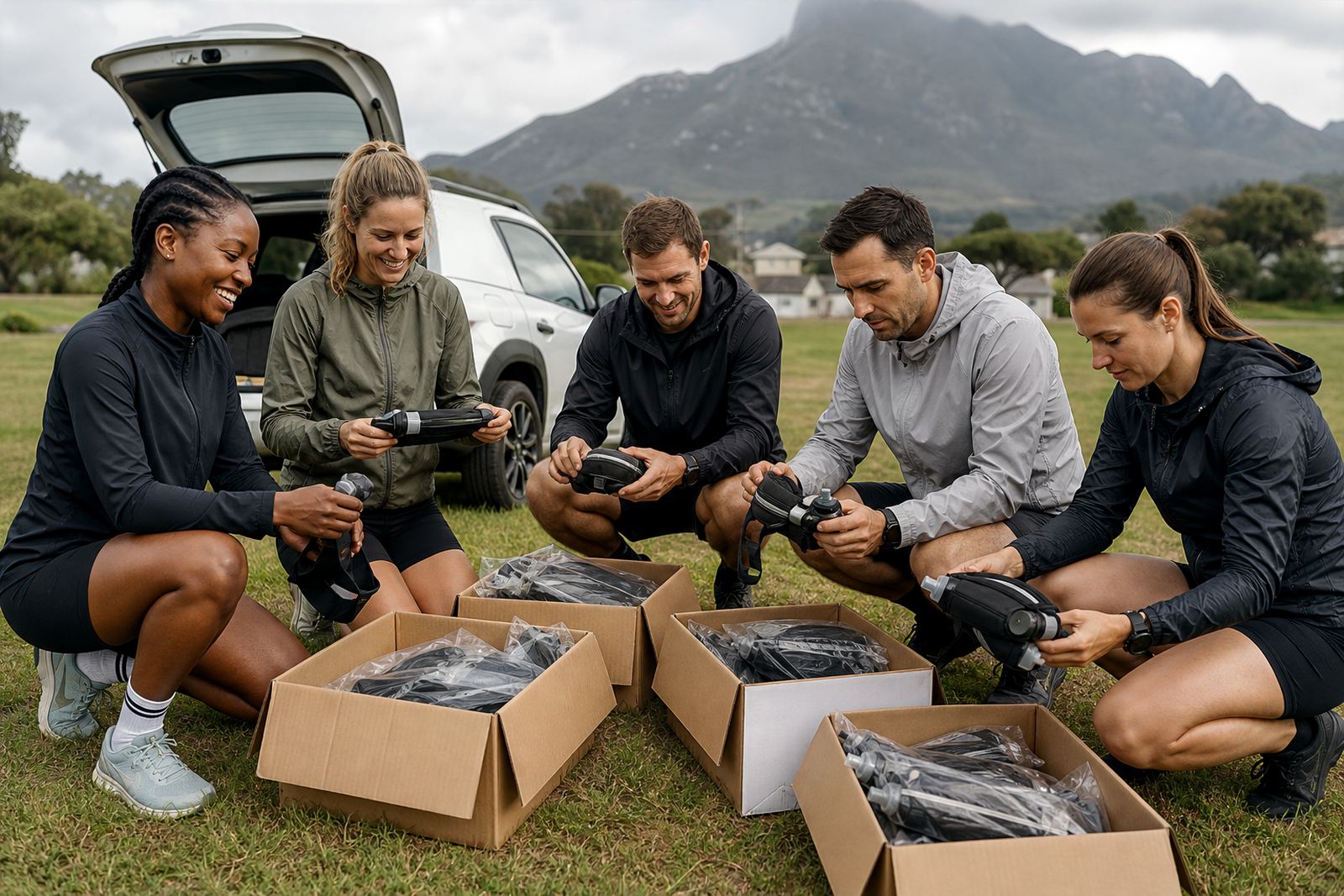
What we supplied included the belt quantities, size allocation and dispatch planning. We also gave the club guidance on how to issue the belts to members, including who should test fit first and how to handle any swaps after the first training session. That made the handover much easier for the committee.
- Hydration and storage waist belts for club use
- Even carry layout for better stability on the move
- Fit guidance for issue day and first training run
- Dispatch arranged to George with clear packing notes
Timeline from planning to delivery
The full project ran over three weeks from first contact to dispatch. Week one focused on the brief, sizing and order structure. Week two covered final confirmation, production planning and pack allocation. Week three handled dispatch coordination and final checks before the belts were sent out to George.
That timeline worked well because it gave the club enough space to confirm member details without rushing the process. Group orders are always easier when there is time to sort the sizes properly and confirm the final count before packing begins. It also helped with race weekend planning, since the club could issue belts ahead of training rather than at the last minute.
For clubs in the Western Cape and beyond, this kind of lead time is useful when members are travelling, when event packs need to be sorted, or when a big race block is coming up. It keeps the admin side calm and reduces the chance of missing a runner who still needs a different fit.
Results for training runs and race weekends
The club received a clean, organised belt order that could be handed out by size and used immediately for training. Members were able to test the belts on normal club runs first, then carry them into weekend races once they had confirmed their preferred setup. That made the order useful from day one rather than sitting in a pile waiting for adjustments.
What the club valued most was the combination of fit, storage and simplicity. The belts gave runners enough room for essentials without feeling bulky, and the consistent issue process meant the committee did not have to spend extra time sorting through mismatched stock. The club also appreciated having a single point of contact for repeat support, because once runners start using the belts, questions often come in about fit and loading.
For a running club in George, the outcome was practical and tidy. Members had a better setup for hydration, the admin load was lighter, and the club could move into the next race block with less fuss.
What we would do again for a club order
If we were repeating this project for the same club, we would use the same three-step approach: confirm member sizing early, lock in the size split before production, and arrange issue notes for the committee. That process saves time and works well for clubs that have both experienced runners and newer members joining mid-season.
We would also keep the focus on function first. A good club belt order does not need complicated extras. It needs the right fit, the right carry layout, and a straightforward way for runners to use it on their normal routes. In George, where many runners train in wind, heat and mixed terrain, that practical approach makes a real difference.
If the club expanded the order later, we would suggest adding a small repeat batch for new members and race packs. That keeps the club ready for growth without forcing a large once-off purchase. It also makes future reordering simpler, which is handy when the season gets busy and everyone is training for something at the same time.
- Repeat the sizing process before each new batch
- Keep one clear belt specification for consistency
- Plan a small reserve for new club members
Key facts
| Project type | Club order for running and hydration waist belts |
|---|---|
| Town | George, Western Cape |
| Timeline | 3 weeks from brief to dispatch |
| Use case | Training runs, road races and trail weekends |
| Supply focus | Participant sizing, bulk order planning and dispatch coordination |
| Support included | Product fit briefing and repeat order support |