Why corporate wellness teams choose waist belts
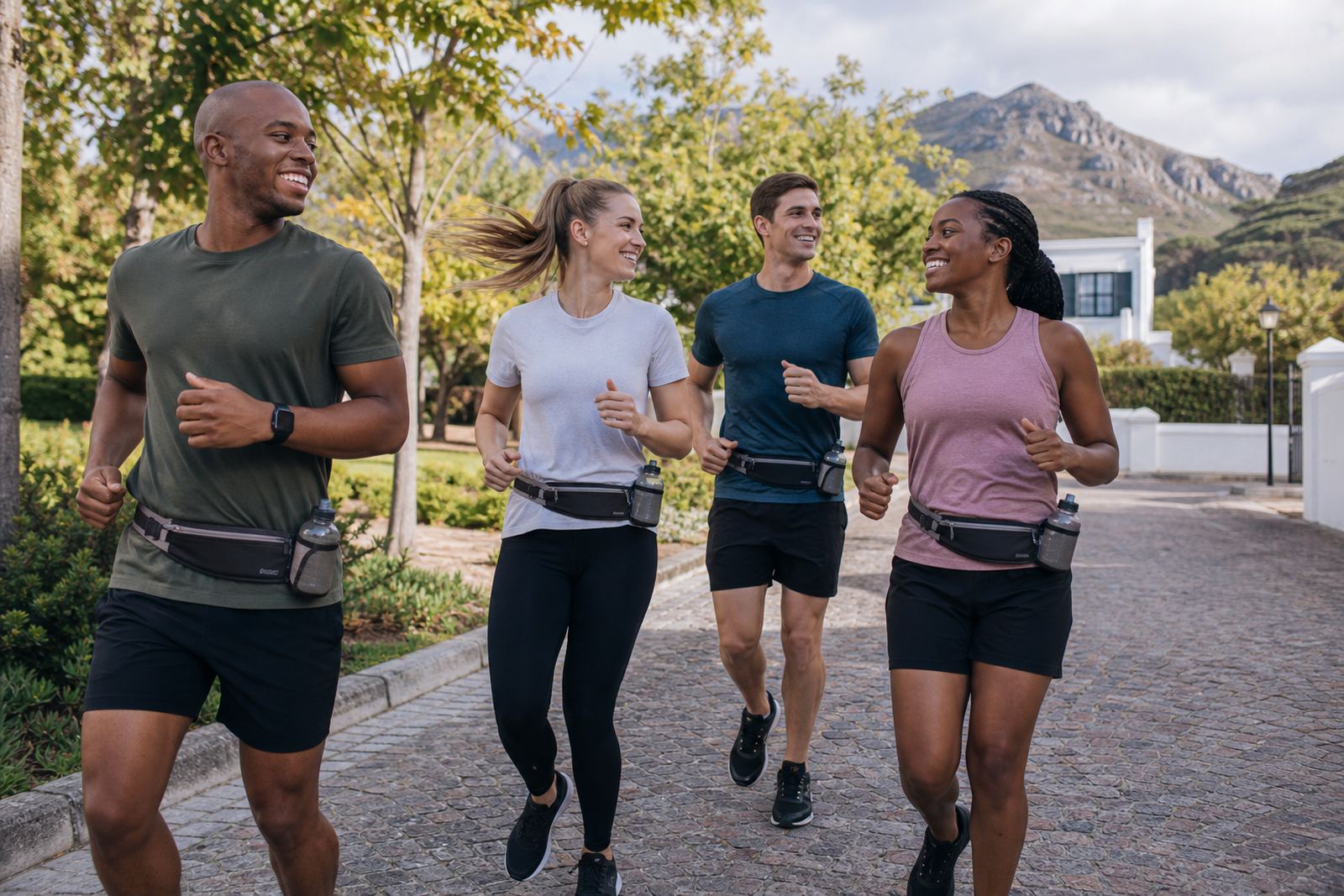
Many workplace wellness challenges start well, then fade when the kit is awkward to wear or too fiddly to hand out. A running waist belt solves a practical problem for staff who want to walk, jog or train during lunch breaks, after work or on weekend event days. It keeps small essentials close, helps with hydration and leaves the arms free for a more natural stride.
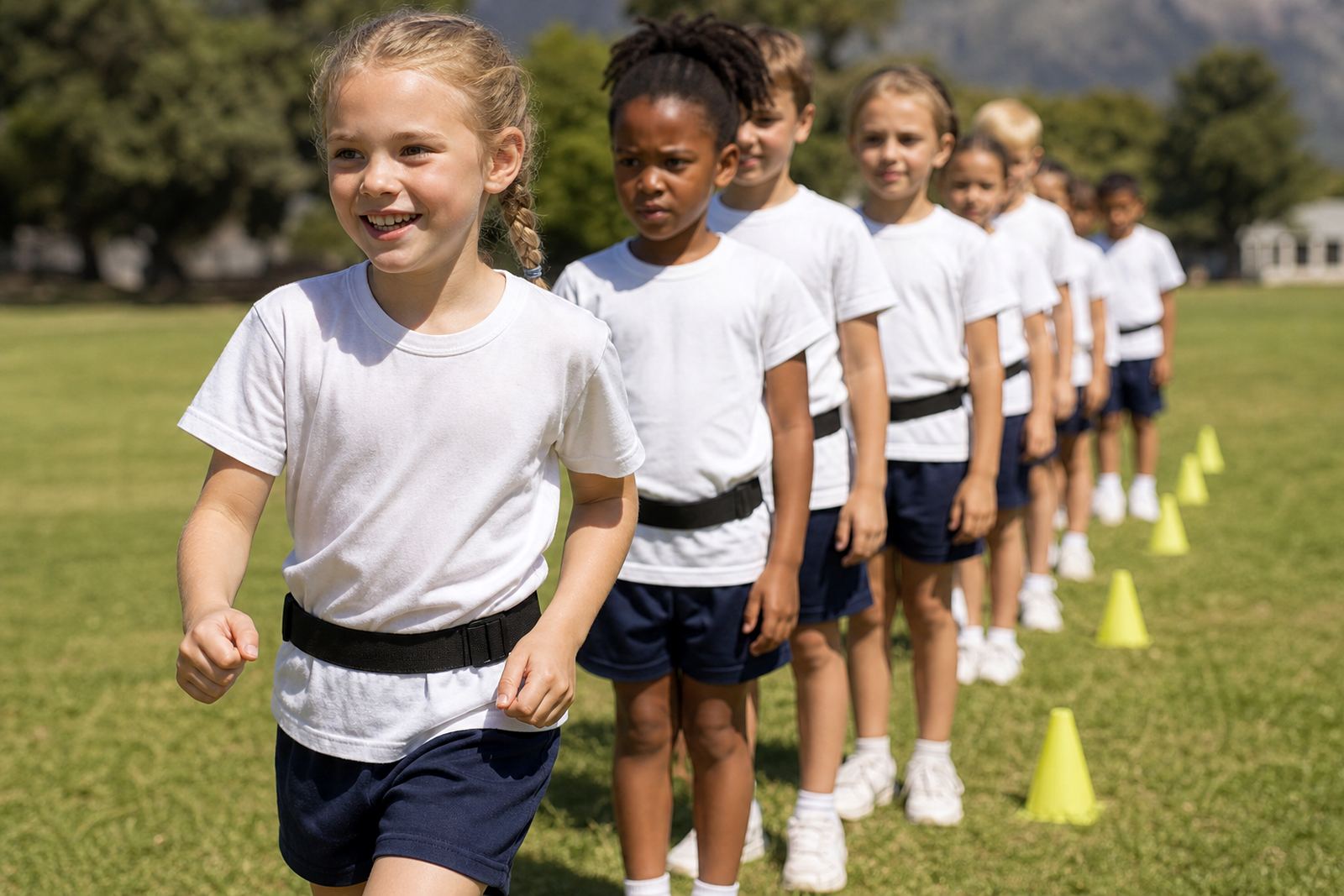
For HR teams, organisers and company wellness committees, the value is in consistency. If 30 or 300 people need the same basic setup, the equipment has to be easy to size, easy to explain and easy to dispatch. We work with offices, factories, schools and mixed staff groups from Stellenbosch and Cape Town through to Johannesburg, Durban and George, with the same focus on comfort and day to day use.
In South African conditions that matters. A summer run in Durban humidity is not the same as a winter afternoon in the Boland, and a pavement loop in Bellville is different from a trail session near Stellenbosch. The belt needs to stay put, not bounce, and not become a hassle when people are already dealing with load-shedding schedules, traffic and limited training time.
Typical belt set for a company wellness campaign
Most corporate wellness orders are built around a simple, repeatable equipment set. The aim is to cover the basics without overcomplicating the order. For many teams, that means a hydration belt or running belt with storage for keys, a phone and a gel, plus a place for one or two soft flasks or small bottles depending on the event format.
- Running waist belt for general wellness runs and walk-jog sessions
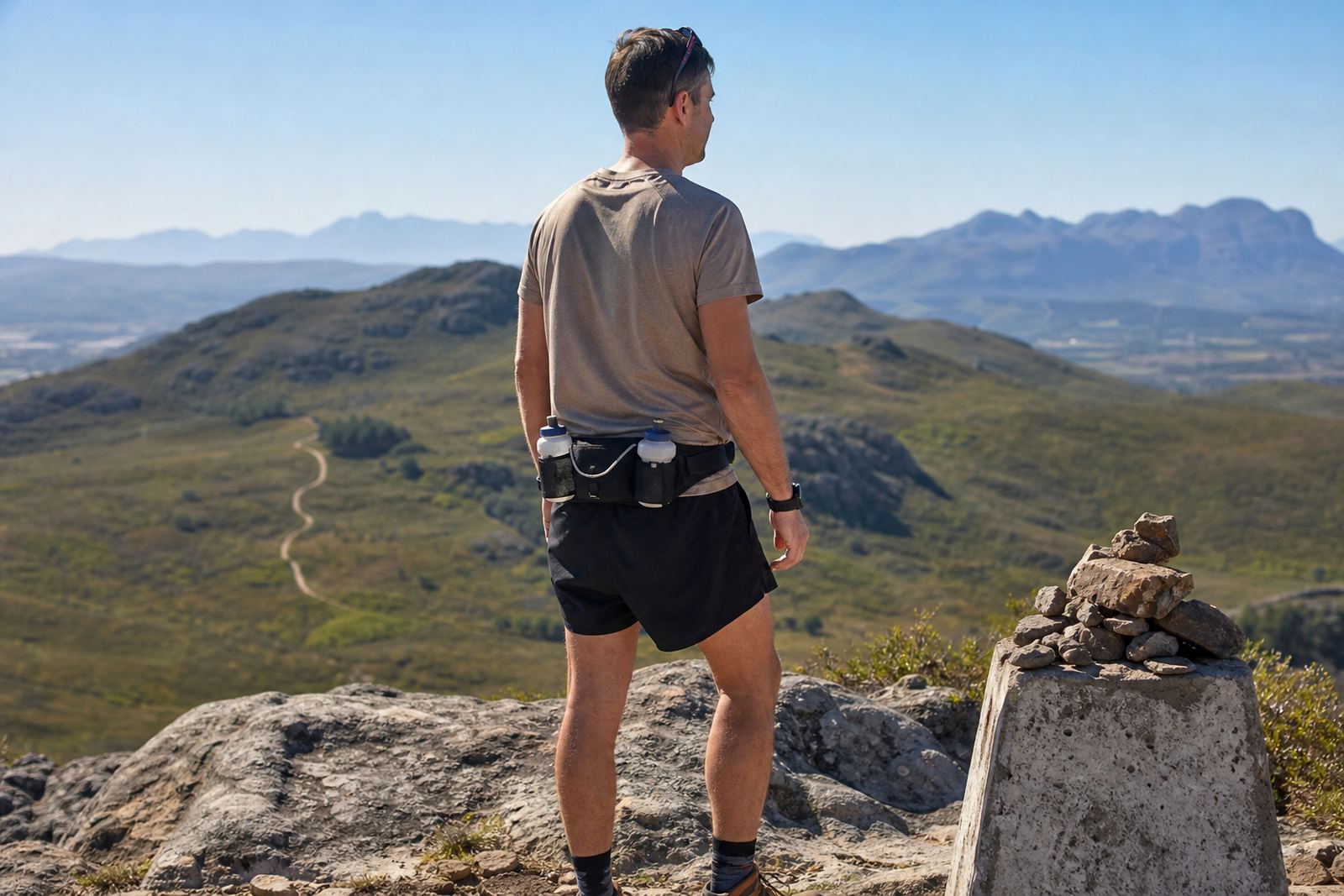
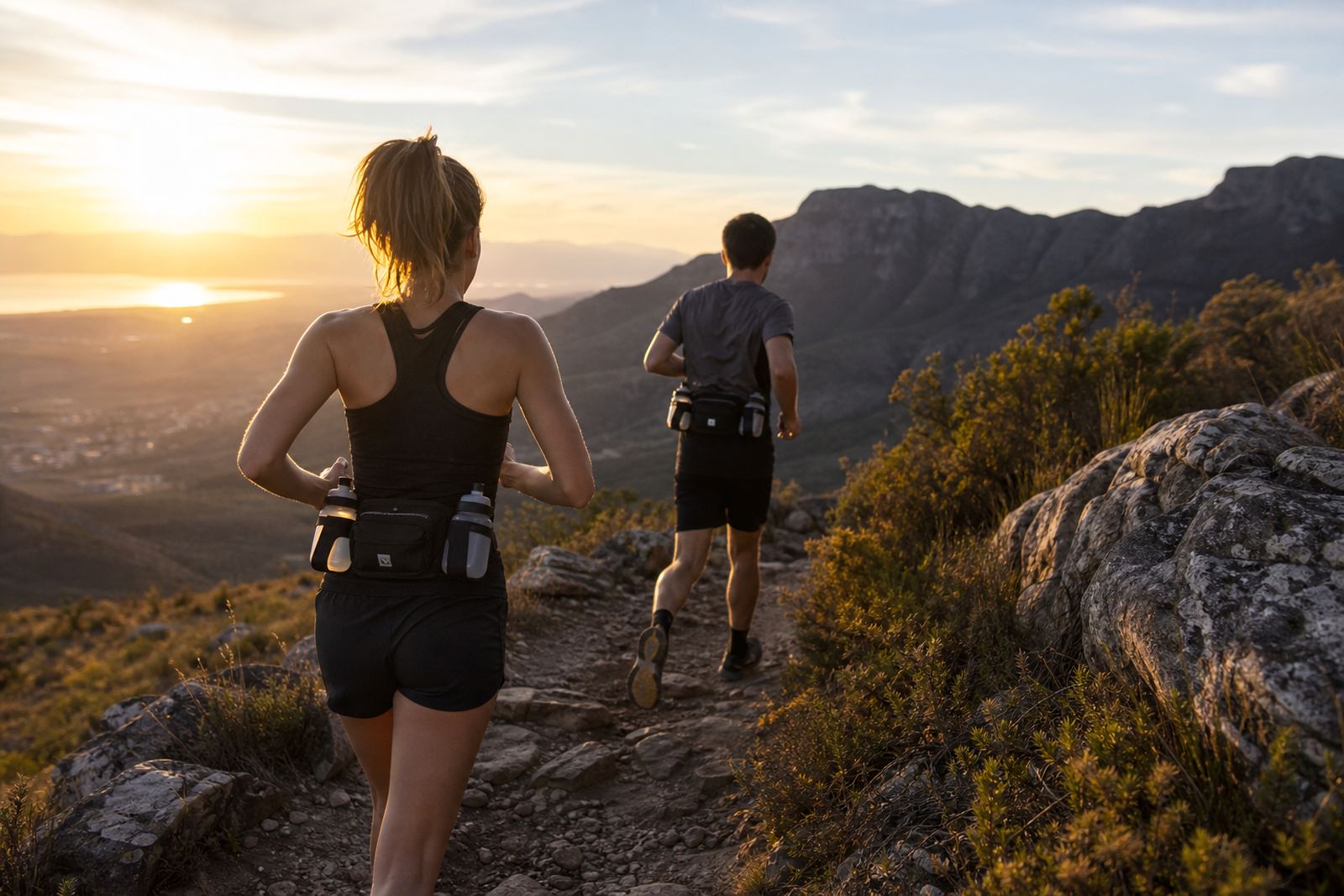
- Hydration belt with bottle holders for longer training days or race prep
- Participant sizing support for mixed staff groups
- Event belt supply for fun runs, charity days and step-up challenges
- Crew belt kits for marshals, wellness reps and support staff
- Race pack inserts for branded handout materials and small items
For companies running a 5 km or 10 km internal challenge, the set is often lightweight and focused on comfort. For a half marathon build-up or a trail day, hydration becomes more important and we can plan around longer time on feet. If your staff include both beginners and regular runners, it is usually better to keep the core belt design consistent and adjust the hydration setup by activity rather than ordering too many different styles.
How to plan sizing, issue and support
Good planning saves a lot of back and forth later. The first step is to work out how many people will actually take part, then separate them by likely activity level. A mixed office group in Somerset West may only need a small number of fully hydrated runners, while a production team in Paarl may have a much larger walking group that still needs secure storage for basics.
We usually suggest a sizing brief before the order is confirmed. That means checking waist ranges, likely clothing layers and whether the belt will be worn over a T-shirt, running top or light jacket. If the event is in winter, people often wear more layers at the start of the day and that affects fit. If the challenge is coastal, sweat and moisture are also worth planning for because a belt that sits well dry should still stay comfortable once conditions warm up.
For large employee groups, dispatch coordination matters too. It is easier to split the order into labelled size groups and deliver to one point, or to separate by site if your company has offices in more than one town. We also help with repeat order support, which is useful when one branch in Johannesburg wants another batch after the first wellness round has gone out.
Layout advice for hydration, storage and comfort
The best waist belt layout depends on how long people will be active and what they need to carry. For short internal runs, a slim belt with room for a phone and keys may be enough. For a longer training block, the hydration layout becomes more important, especially if the route has limited water points or if the event takes place in warmer weather.
As a rule, weight should sit close to the body and items should be balanced from side to side. If a bottle sits too far to one side, the belt can twist. If the pocket is overloaded, the belt may bounce. That is why we keep the advice practical and based on the actual event distance, route profile and participant mix.
- Keep heavier items centred where possible
- Do not overfill the storage pocket on the day
- Check the fit after the first 500 metres, not only at the start line
- Use smaller bottles or soft flasks for newer runners
- Match hydration volume to route length and weather
For corporate wellness campaigns, a clean layout also makes handout easier. Staff can pick up their kit, adjust the belt once, and get moving without needing a long briefing. That is useful when you have staggered starts, different fitness levels and limited time before the work day begins.
Common mistakes in workplace running challenges
One of the most common mistakes is buying for the fastest runners only. A wellness programme should include beginners, casual joggers and staff who just want to finish comfortably. If the belt is too technical or too narrow in use, some people will leave it at home after the first event.
Another mistake is underestimating the real number of participants. Teams often plan for 40 runners and then 65 staff members sign up once the challenge is launched. It is better to add a small buffer at the start than to rush a second order later, especially if your event date falls near a public holiday or a busy dispatch period.
Budget is also often handled too loosely. A cheaper belt may look fine on paper, but if it shifts, rubs or does not hold essentials properly, the whole programme suffers. The aim is not to spend more for the sake of it, but to choose the right level for the use case.
- Ordering one size for everyone without checking actual waist ranges
- Choosing a hydration setup that is too bulky for short runs
- Leaving no time for fit checks before event day
- Forgetting support staff, marshals and back-of-pack participants
- Ignoring repeat use after the first company event
Budget ranges for corporate wellness orders
Budget depends on the number of belts, the level of hydration required and whether the order is for a one-off event or an ongoing workplace programme. For smaller internal wellness groups, entry level belt solutions can keep the spend sensible while still giving staff a proper running setup. For larger or repeat campaigns, better planning often lowers the cost per participant because sizing and dispatch are handled in one go.
As a practical guide, many corporate wellness orders fall into these broad ranges: simple running waist belts from about R180 to R320 each, hydration belts from about R260 to R480 each, and larger event or crew kits from about R350 to R650 each depending on the layout. Bulk orders can improve the unit price, especially when the design is kept consistent across branches or event days.
For companies in Cape Town, Stellenbosch, Johannesburg, Durban, George, Paarl, Somerset West and Bellville, we can plan around your rollout date and delivery point. Whether you need a small staff challenge or a full wellness campaign across several sites, the order should be simple to manage and straightforward to use from the first run onward.