
Matching belts for relay squads and event crews
Relay Team Belts are made for groups that want every runner set up the same way. That matters on race morning, when one runner is waiting for a handover at a Cape Town trail event, another is heading out in Stellenbosch, and the next is lining up for a road leg in Johannesburg.
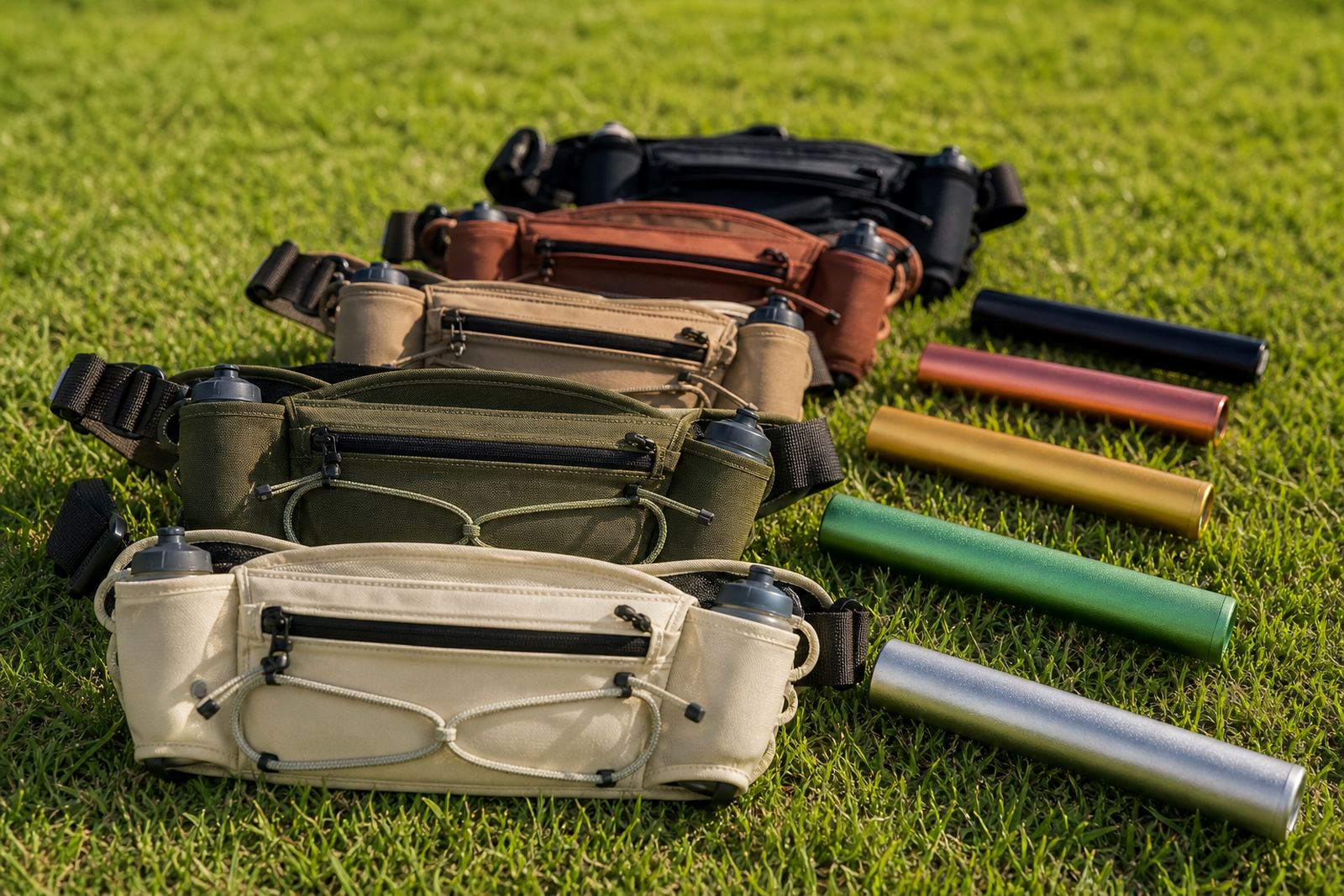
The idea is simple: each belt carries the same type of essentials, in the same place, so runners do not waste time adjusting gear between legs. The belts are also useful for club relay teams, school teams, corporate challenge entries and race crews that need a clean, practical look on the day.
- Consistent belt layout across the whole team
- Practical carry for gels, soft flasks, keys and cards
- Comfortable for short hard efforts and longer mixed-distance legs
- Useful for trail, road and mixed-terrain relay formats
What the belt does on race day
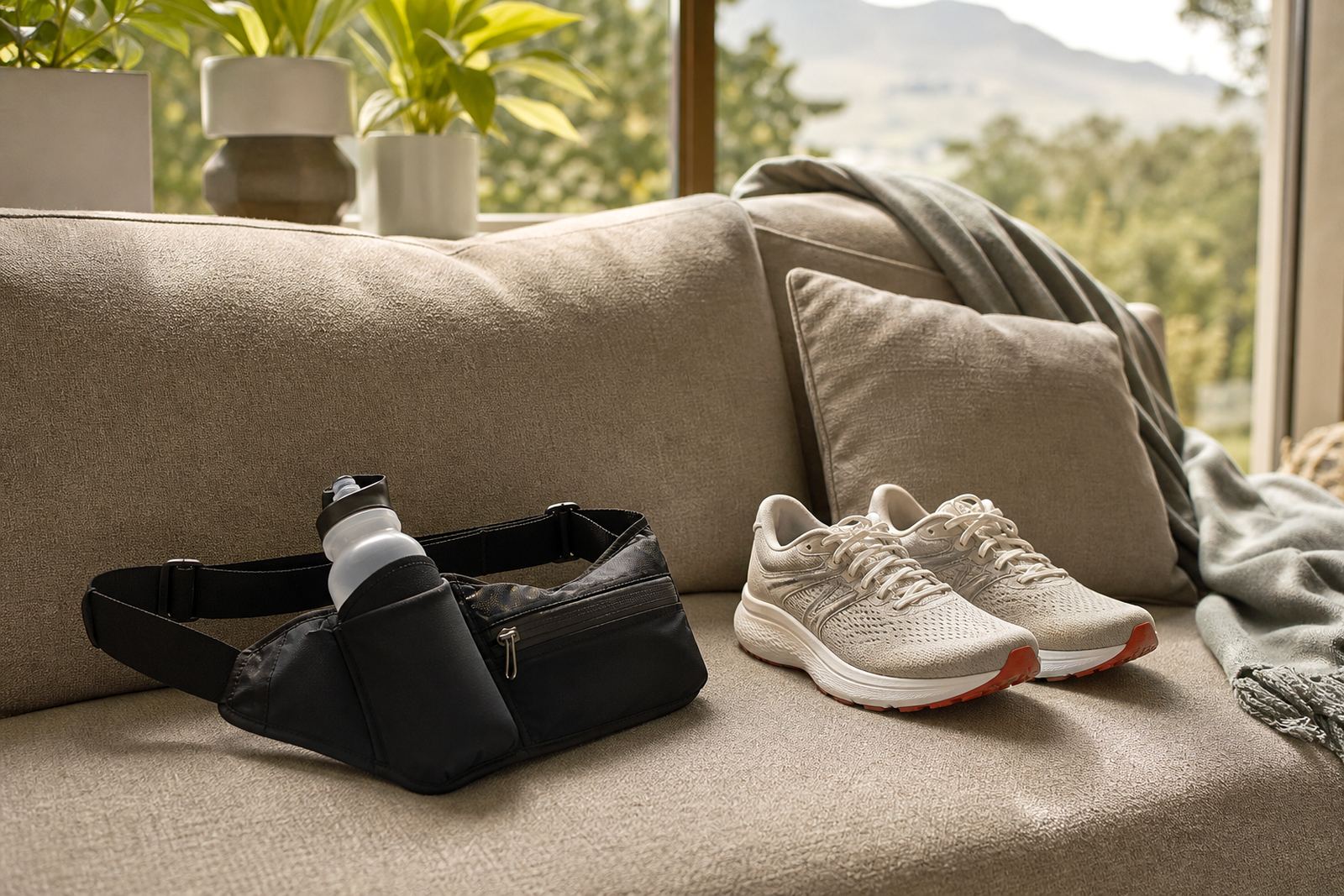
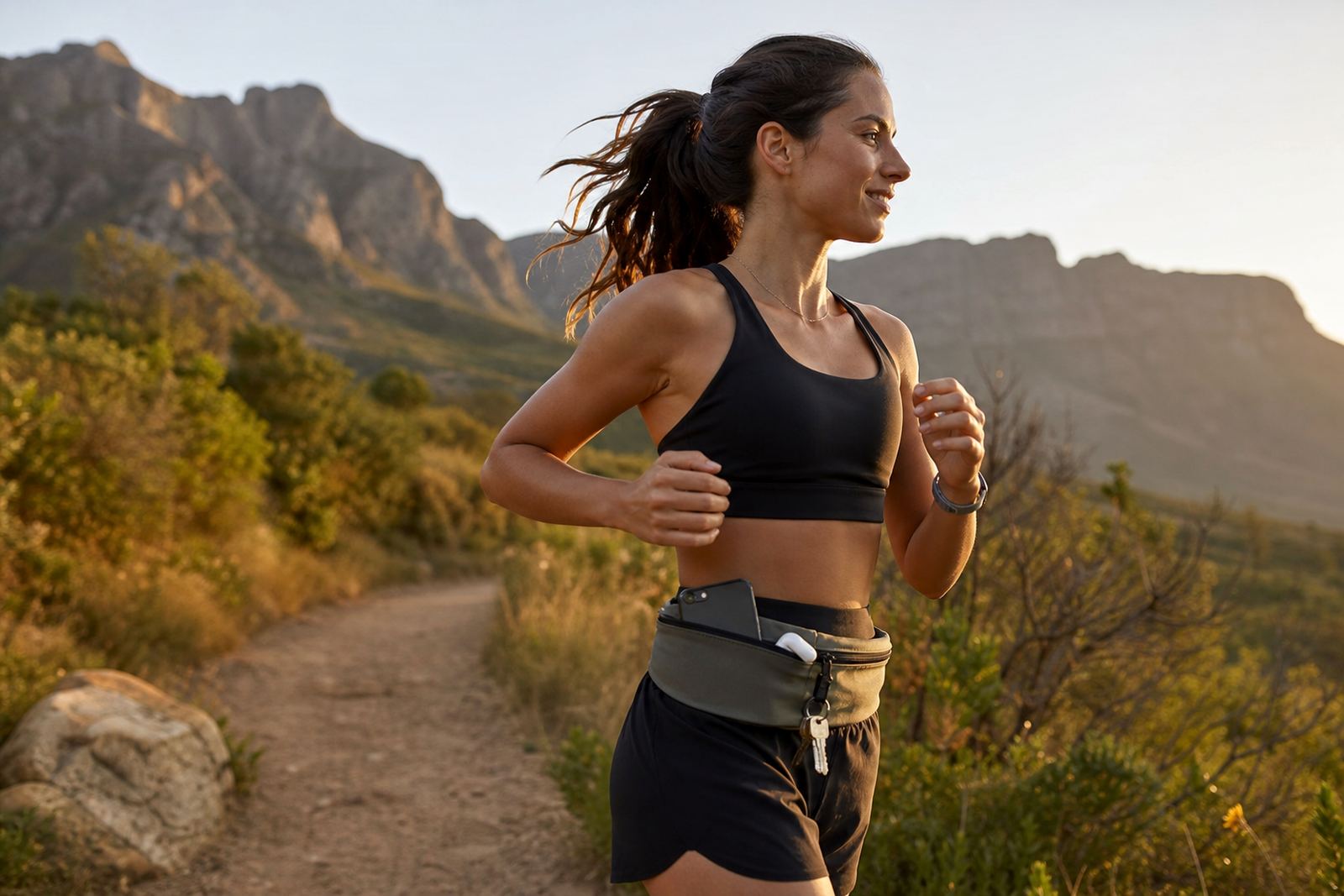
A relay belt needs to sit flat, carry the basics and stay put when the pace changes. These belts are designed for that exact job. The stretch section helps the belt hold close to the body, while the storage points are placed so runners can reach them quickly without stopping or twisting awkwardly.
For events with hydration stations, the belt can be used as a light carry system for a bottle or soft flask. For shorter legs, it works well as a race belt for gels, ID, a timing chip strap or small items that must stay secure. In wet coastal conditions around Durban or George, the belt dries quickly after a race wash and does not get heavy with light moisture.
Load-shedding does not affect use, because there are no power requirements, charging needs or gas fittings. It is a purely manual product, ready to use straight out of the pack.
Sizes, fit and team ordering options
Relay Team Belts are supplied in sizing options that suit different waist ranges and body shapes, so the whole squad can be fitted properly. A good relay belt should be snug enough to stay in place, but not so tight that it bounces or rubs during hard running.
We recommend checking each runner’s waist measurement with race kit on, especially if the team will be using lightweight singlets or thermal layers for early starts in winter. The fit should also be tested with the items that will actually be carried, because a belt can feel different once a flask and gels are loaded.
- Multiple size options for mixed teams
- Fit can be checked over race clothing
- Suitable for repeated use in training and event days
- Can be allocated by runner, leg order or team colour
For clubs and event organisers, bulk planning helps keep the order consistent across all runners. That is useful when ordering for 10, 20 or more participants, especially where kit distribution must be simple and fast.
Where relay belts suit best in South Africa
These belts suit trail relays, road relays, local club events, school athletics days and staged charity runs. They are a strong option for route profiles that change from flat city streets to rocky paths, because the carry remains stable as the footing changes.
They are commonly used for events in Cape Town, Stellenbosch, Paarl, Somerset West and Bellville, where trail and road racing often sit side by side on the calendar. They also suit longer travel events in Durban, George and Johannesburg, where runners may be collecting race packs, moving through holding areas and changing over more than once in a day.
If your relay team has to carry different items for different legs, the belt can be planned around the actual sequence. That includes gels for a short fast leg, a flask for a warm middle section, or a slim carry setup for a final sprint leg.
Care, cleaning and repeat use
Relay Team Belts should be rinsed after sweaty use, especially after hot days on the Highveld or humid conditions on the coast. Gentle hand washing in cool water is usually enough for regular maintenance, and it helps the belt keep its stretch and shape.
Avoid leaving the belt bunched up in a kit bag with damp clothing for too long. If a race involved dust, mud or salt spray, let the belt dry fully before storing it. That keeps the material in better condition and helps prevent odour build-up.
- Rinse after each race or hard training session
- Air dry out of direct heat where possible
- Check seams and fastening points regularly
- Store flat or loosely rolled, not crushed under heavy kit
For teams doing repeated events across a season, it is worth setting a simple check before each race. Look at the stretch, the closure, and the carry pocket openings so the belt is ready for the next outing. A small bit of care goes a long way.
What to check before you order
Before placing an order, confirm how the belts will be used and what each runner needs to carry. The right setup depends on leg distance, race rules and whether the team will carry one flask, two gels or just basics like keys and a bib clip.
You should also check the event requirements. Some races have clear rules on external carry, bib placement, hydration and team branding, especially for organised events and road races. If the order is for a club or corporate relay, decide early whether the team wants a standard colour set or a matching group look.
- Runner waist measurements
- Number of belts required for the team
- Carry needs for each leg
- Race rules on hydration and carried items
- Preferred colour or team setup
When the order details are clear from the start, dispatch and sizing are much smoother. That matters for event deadlines, especially when the kit must reach runners before travel or race registration day.
Key facts
| Product type | Relay running and hydration waist belt |
|---|---|
| Use case | Relay squads, club teams, race events and training |
| Carry setup | Gels, keys, cards, timing chip strap and small hydration items |
| Sizing | Multiple size options for varied waist measurements |
| Care | Hand wash in cool water, air dry |
| Power or gas needs | None required |