
A steady first belt for new runners
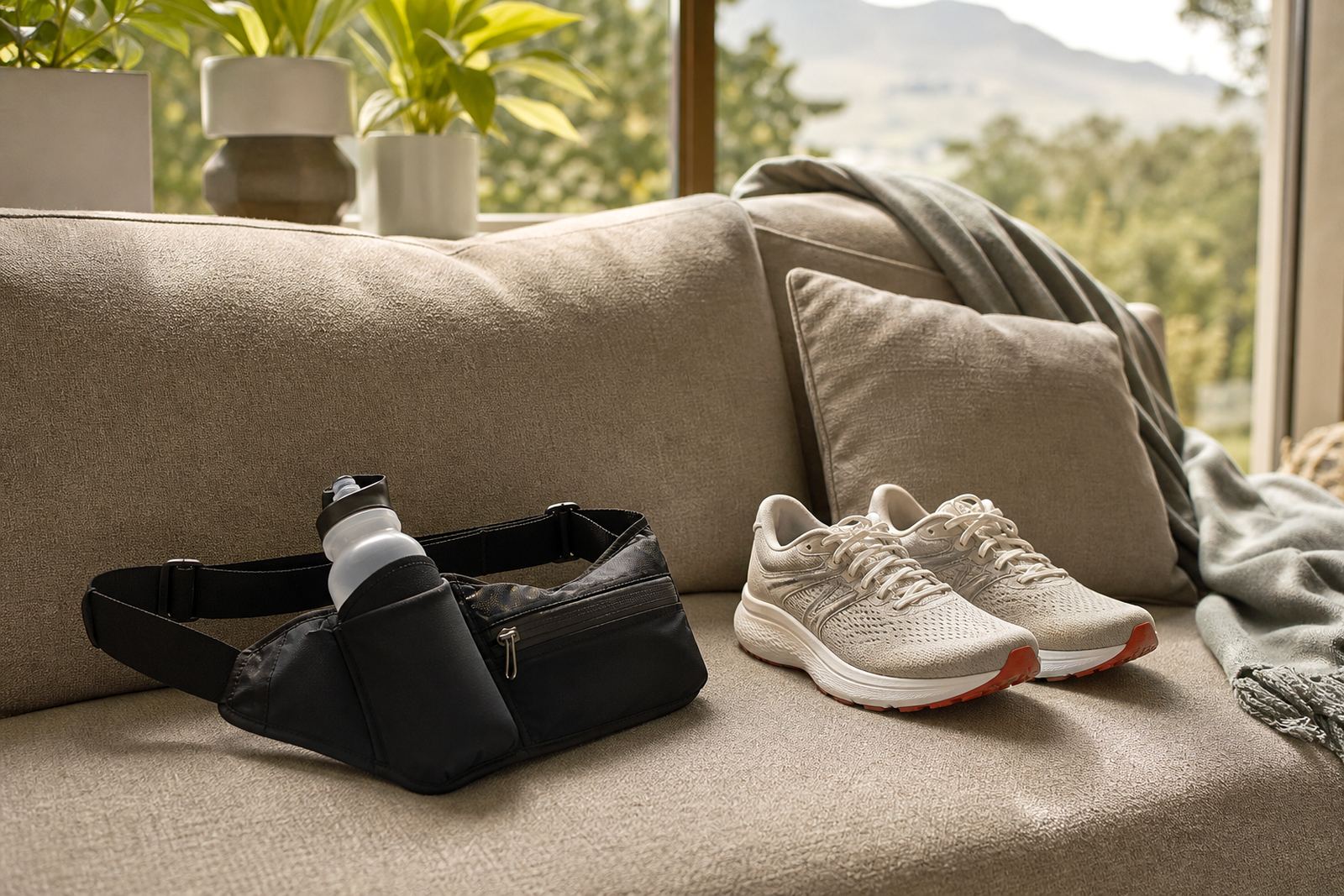
The First Run Belt is made for runners who want a simple way to carry the basics without stuffing pockets or holding a bottle in hand. It sits low and snug around the waist, helping to keep movement stable on road loops, park runs and beginner trail sessions around Stellenbosch, Cape Town, Paarl and Somerset West.
This belt suits runners building up from walk and jog routines, as well as event participants who need a tidy way to carry race essentials. It is light, easy to adjust and does not need any installation, tools or power supply. There is no gas or charging requirement either, so it is ready to use straight out of the pack.
- Designed for short to medium runs and first time race use
- Stable fit for walking, jogging and easy trail pace
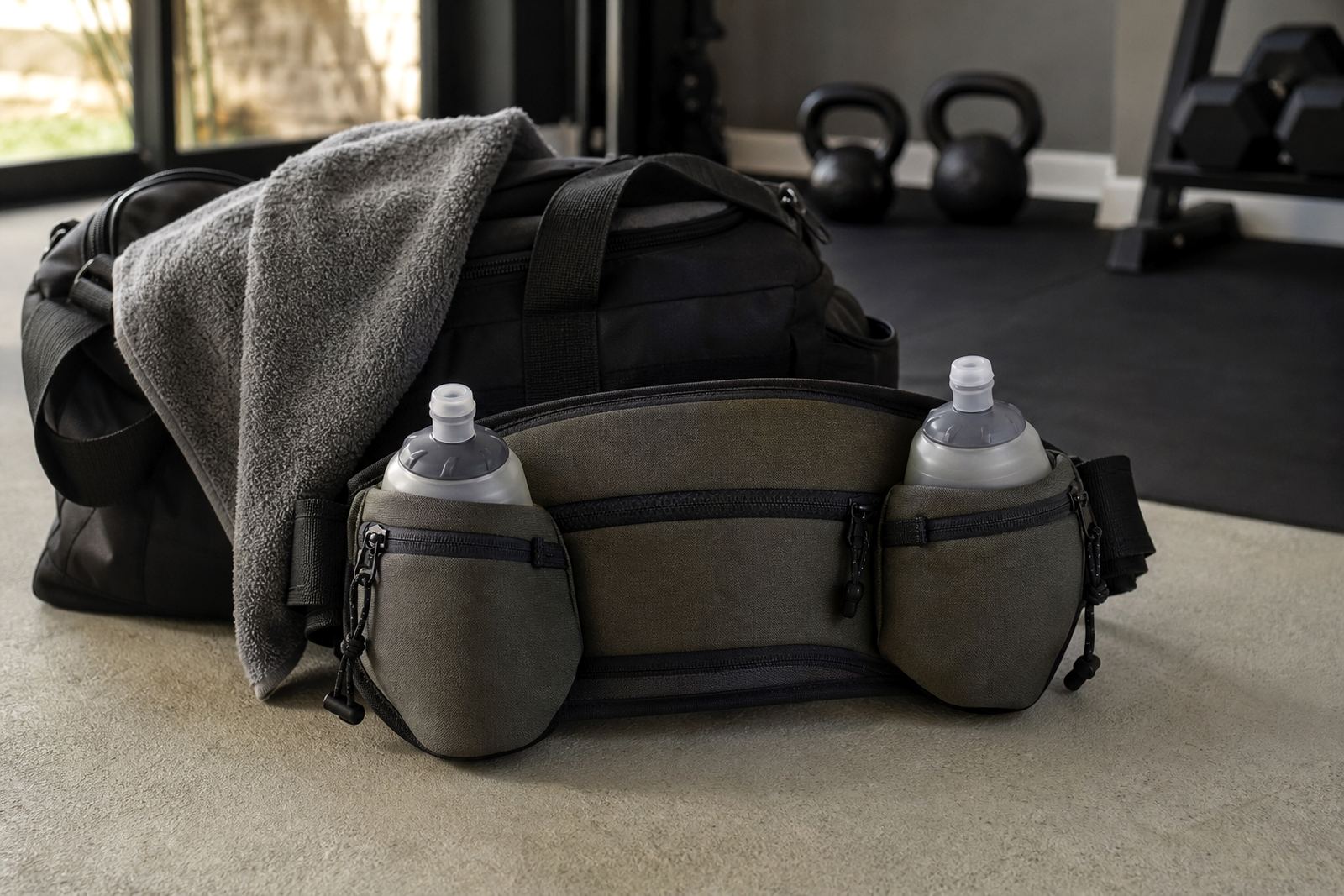
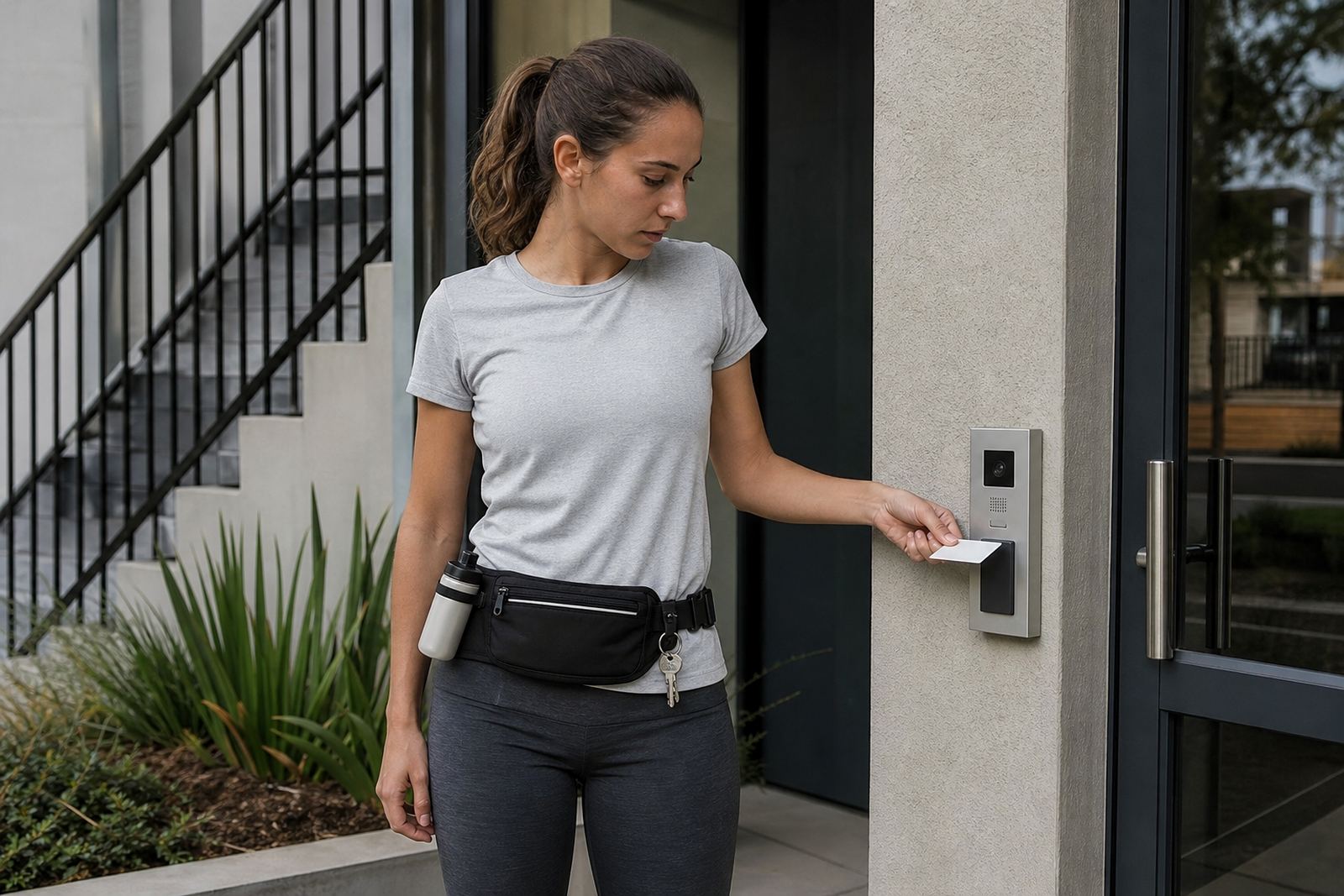
- Hands free carry for phone, soft flask, gels and keys
- Simple setup with no fittings, cables or assembly
How the First Run Belt carries your essentials
The belt is built around practical storage rather than bulk. Main pockets are positioned for quick access during a run, so you can reach your phone, nutrition or folded race number without stopping. The carry layout works well for 5 km training runs, weekend parkruns and local club sessions in Durban or George where you want basics close by but not in the way.
For many runners, the main benefit is the balance between space and comfort. The belt keeps weight close to the body and spreads it more evenly than a single hand bottle. That helps when you are getting used to carrying hydration on the move, especially on warmer days or on routes with little shade. It also reduces the chance of items swinging and tapping against the hip.
- Storage for phone, keys, cards and gels
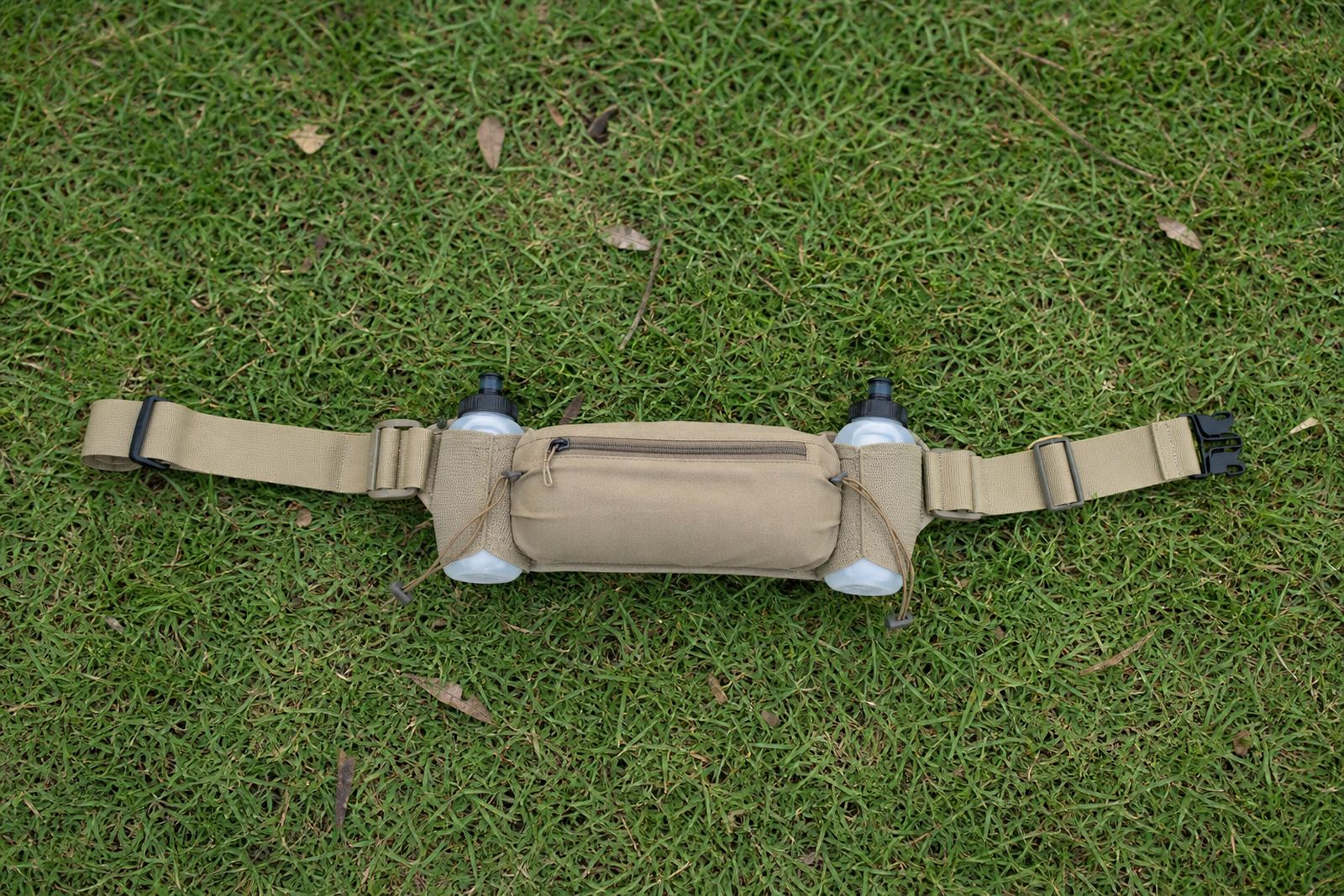
- Space for one compact hydration bottle or soft flask, depending on size chosen
- Low profile shape to limit bounce
- Quick access pockets for race day and training day use
Sizes and fit options to check before ordering
The First Run Belt is available in practical size ranges so you can match it to your waist and the amount you plan to carry. A snug but comfortable fit is important. If the belt sits too loose it will move around on descents or at faster pace, and if it is too tight it can rub during longer sessions. For runners in humid coastal areas like Cape Town and Durban, a proper fit also helps reduce sweat build-up under the belt.
When ordering, check the waist measurement you usually wear for active gear rather than casual clothes. If you are buying for a club, race pack or event group, ask for a size split so participants can be fitted properly. That makes a big difference for mixed groups where some runners are doing their first 10 km and others are training for marathon pace.
- Size selection based on waist measurement
- Option to choose a tighter race fit or a more relaxed training fit
- Suitable for individual runners, clubs and event orders
- Colour options may vary by batch and order type
Best use on roads, trails and event days
This belt suits beginner training plans, fun runs, trail walk events and road races where you want easy access to small items. It is a good fit for runners who are not ready for a full hydration vest but still need to carry a bottle, a key or a gel. In Stellenbosch and the Winelands, it works well on mixed terrain where you may start on tar and finish on gravel. In Johannesburg, it is handy for early morning runs when you want a light carry option and less bulk.
The belt also works well for race event teams who need a simple participant carry item for hydration or support packs. It can be used for club group runs, beginner coaching programmes and local race support where practical storage matters more than extras. If you are doing a coastal run in humid weather, choose a fit that stays close to the body and avoid overloading the pockets.
- Good for 5 km to 21 km training use
- Suitable for road, trail and mixed route events
- Useful for first time race participants and casual joggers
- Handy for club packs and event support use
Care, drying and simple servicing
Running belts last longer when they are cleaned and dried properly after use. Sweat, dust and road grit can build up after a few sessions, especially if you train near the sea or on dusty trails. Rinse the belt with cool water after heavy use, then let it air dry fully before packing it away. Do not leave it in a closed car boot on a hot day, because heat can weaken elastic and stitching over time.
If the belt has pockets, zips or elastic sections, check them now and then for wear. A quick inspection before race day can save trouble later. If the belt gets a strong pull from overfilling, make sure the seams and fastening points are still holding properly. Basic care is usually enough, and most runners do not need anything more than cleaning, drying and an occasional fit check.
- Rinse after sweaty or muddy runs
- Air dry away from direct heat
- Check elastic, stitching and fasteners regularly
- Store flat or loosely rolled, not crushed under other kit
What to confirm before you place an order
Before ordering the First Run Belt, confirm how it will be used. A solo runner doing short training loops will need different storage from a race organiser buying for 200 participants. Check the intended distance, whether a bottle needs to fit, and whether the belt should carry a phone, nutrition or both. If you are buying for an event in Cape Town, Johannesburg, Durban or George, allow time for sizing and dispatch coordination.
It also helps to confirm the waist range, colour preference and any repeat order needs. If the belts are going into race packs or club kits, ask about sizing support and delivery timing so there is no last minute scramble. For event use, it is smart to check if participants will need a hydration layout brief or a quick fit check before the start. A small detail like this can save a lot of problems on race morning, especially when the wind picks up or the temperature climbs.
- Waist size and fit preference
- Whether a bottle or soft flask must be carried
- Run distance and terrain type
- Quantity needed for personal, club or event use
Key facts
| Product type | Beginner running and hydration waist belt |
|---|---|
| Primary use | Training runs, fun runs, trail walks and race events |
| Carry options | Phone, keys, gels and compact hydration |
| Fit range | Multiple waist sizes with adjustable hold |
| Setup needs | No installation, power or gas required |
| Care | Cool rinse, air dry, store out of direct heat |