
What the Tokai Forest group needed
The group came to us from the southern suburbs of Cape Town after repeated complaints about soft bottles shifting, snacks falling out on descents and belts riding up on steeper technical ground. Their sessions were a mix of weekday hill work, Saturday trail runs and longer weekend climbs in Tokai Forest, so they needed one setup that worked for short reps and two to three hour outings. They also wanted a practical way to support newer runners without slowing the faster athletes down.
The brief was straightforward: supply waist belts that stayed stable on uneven ground, held enough water for warm Western Cape conditions and allowed quick access to gels, keys and a phone. We also had to account for different waist sizes in the same training group, and the fact that many sessions start before sunrise when visibility and packing order matter. The team was not looking for fancy kit, just something that would hold firm and not become a nuisance halfway up a climb. That kind of reliability matters when you are putting in weekly kilometres on sandy and rooty trails.
- Client type: trail training group in Cape Town
- Use case: technical forest sessions and weekend climbs
- Main requirement: stable carry with easy access to essentials
- Extra need: sizing for a mixed group of runners
Constraints from forest terrain and Cape Town weather
Tokai Forest has a way of exposing weak kit quickly. The trails include short punchy climbs, twisty turns and uneven patches where a loose belt becomes a problem in minutes. Summer heat, winter damp and fine trail dust all place different demands on the materials, so we kept the setup practical rather than overcomplicated. On rainy mornings the runners did not want waterlogged pockets, and on dry days they wanted breathable contact against the lower back. Simple enough, but the detail makes the difference.
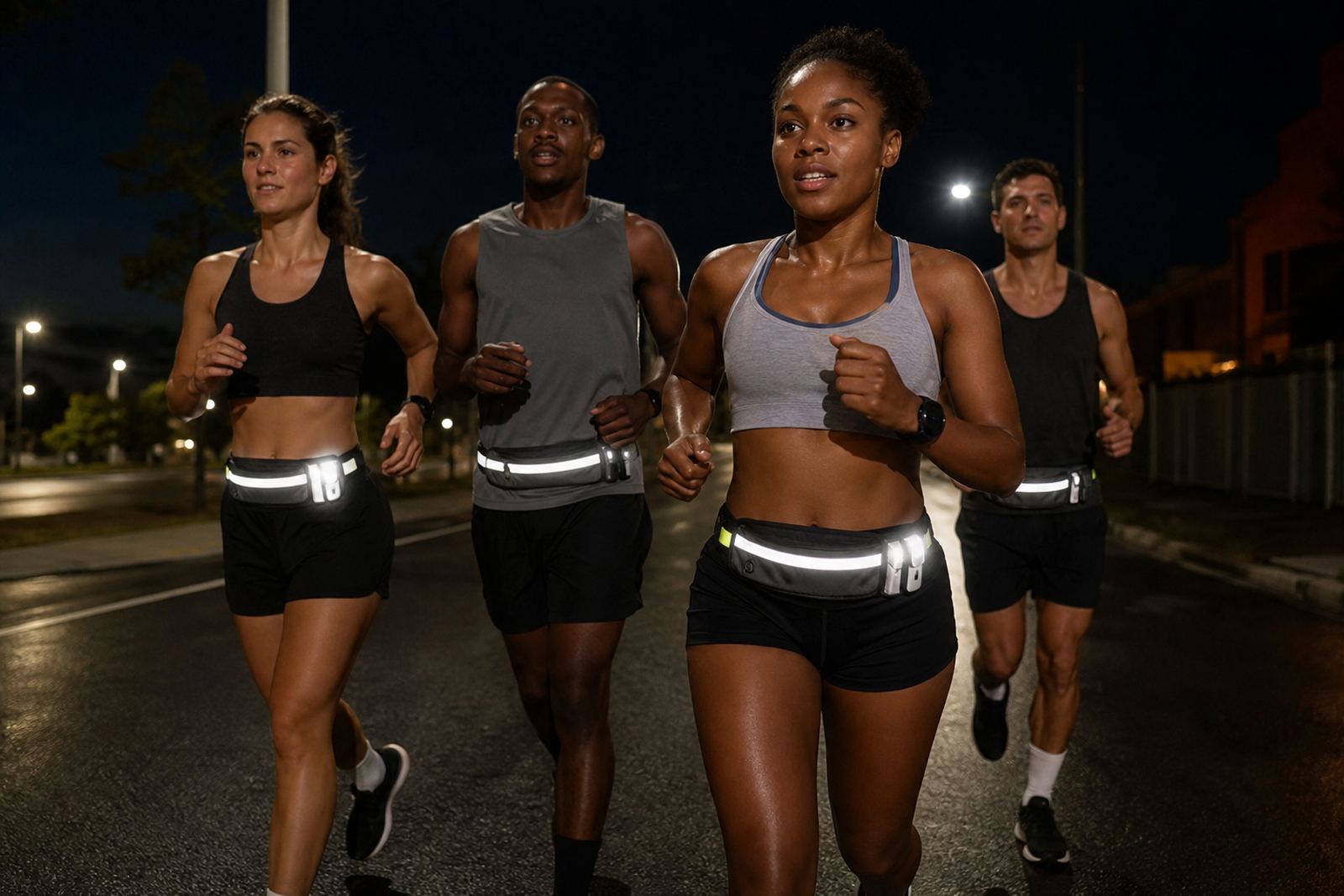
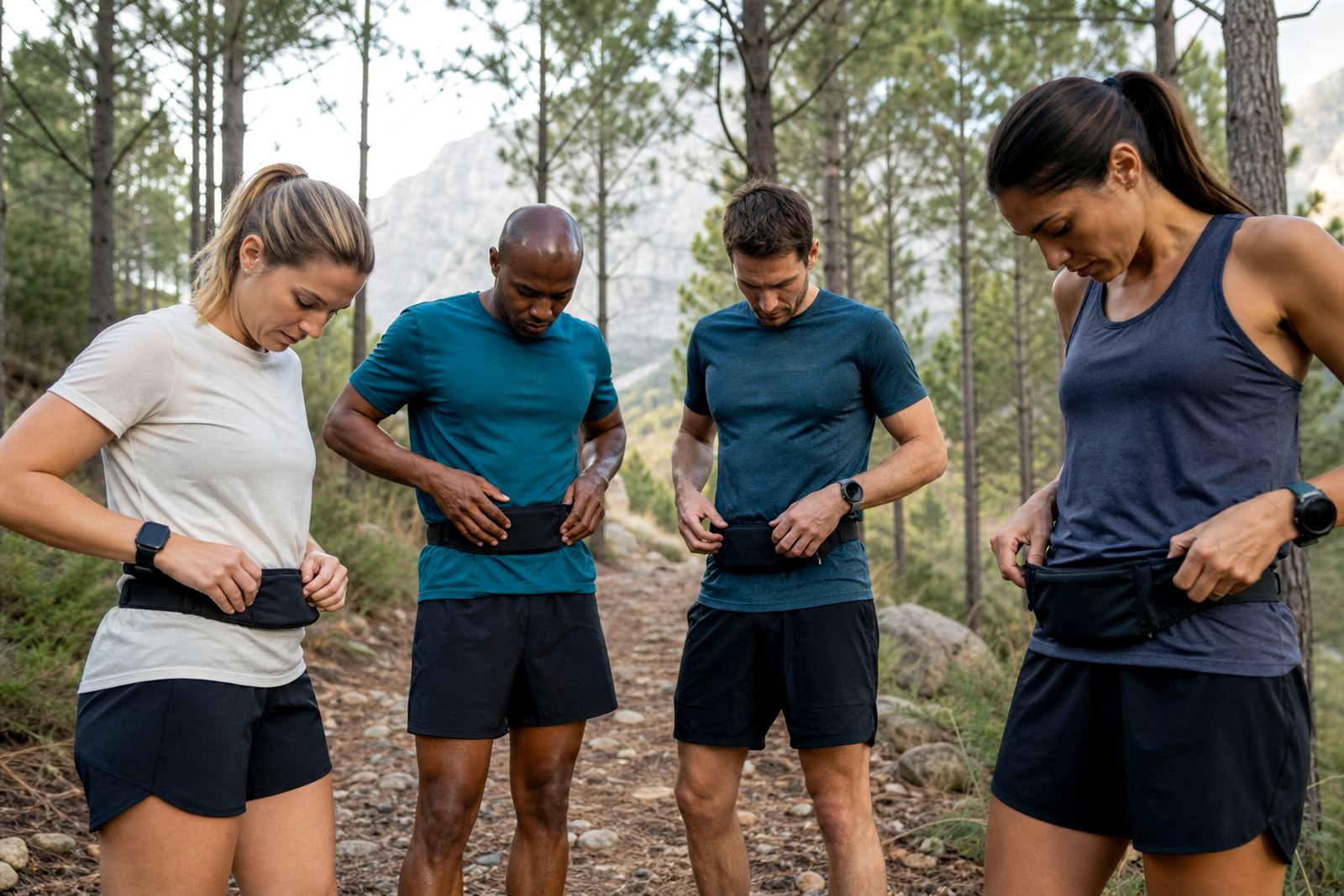
We also had to think about load shedding and early starts, because the group often trains at dawn and some runners were collecting kit from home after dark. That shaped the packing and dispatch plan, with orders grouped by size and labelled for quick handover. For the main fit brief, we advised a lower ride position for runners doing steeper climbs and a snug central carry for hydration so the belt would not sway on descents. A few members had not used waist belts before, so we kept the first fitting session short and clear.
- Terrain: technical forest tracks and hill repeats
- Weather: warm spells, winter drizzle and coastal humidity drifting inland
- Packing issue: mixed first time users and experienced trail runners
- Distribution need: fast sorting for early morning collection
What we supplied and how the belts were set up
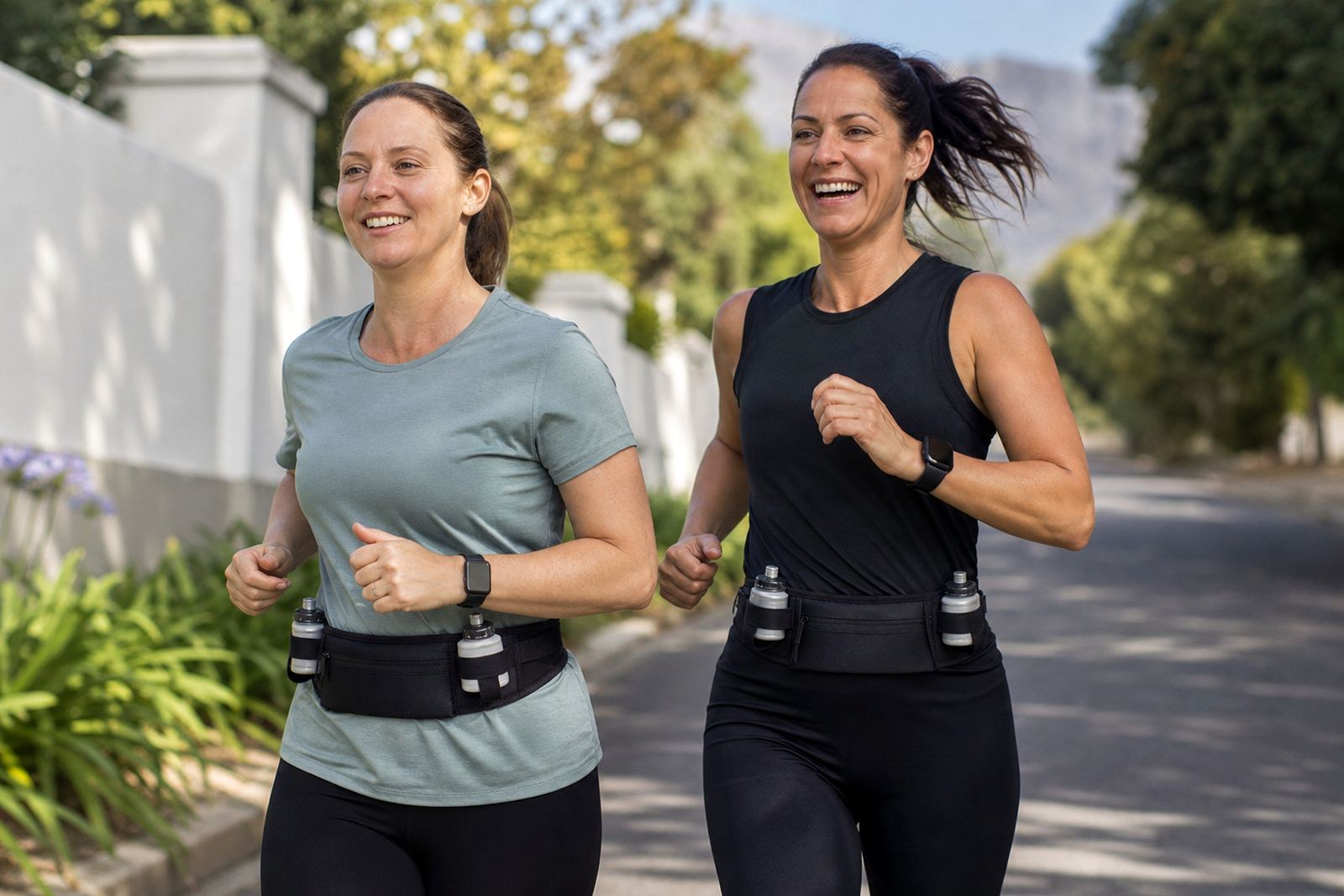
We supplied running and hydration waist belts with a compact, close-to-body fit, plus a sizing sheet for the group leaders so they could match runners to the right belt before training. The key layout used a central hydration position with side storage for gels, a small key pocket and a secure rear section for light essentials. This gave the runners enough room for fuel without turning the belt into a bulky load carrier. The result was neat, quick to use and better suited to trail movement than a loose waist pack.
For the Tokai group, we organised a mixed batch in the common waist ranges used by adult runners, and we added a few spare units for guest athletes and new members. We also supplied product fit briefing notes so the leaders could show runners how to adjust tension before the first climb. The process kept bounce down and helped the belts sit flat over summer shirts and winter layers. It is a small thing, but if the belt is off by even a little it shows on steep sections.
- Hydration carry: compact central bottle position
- Storage: gels, keys, phone and small race day items
- Fit: close body hold for trail movement
- Support: sizing guidance for leaders and first-time users
Timeline from brief to first trail session
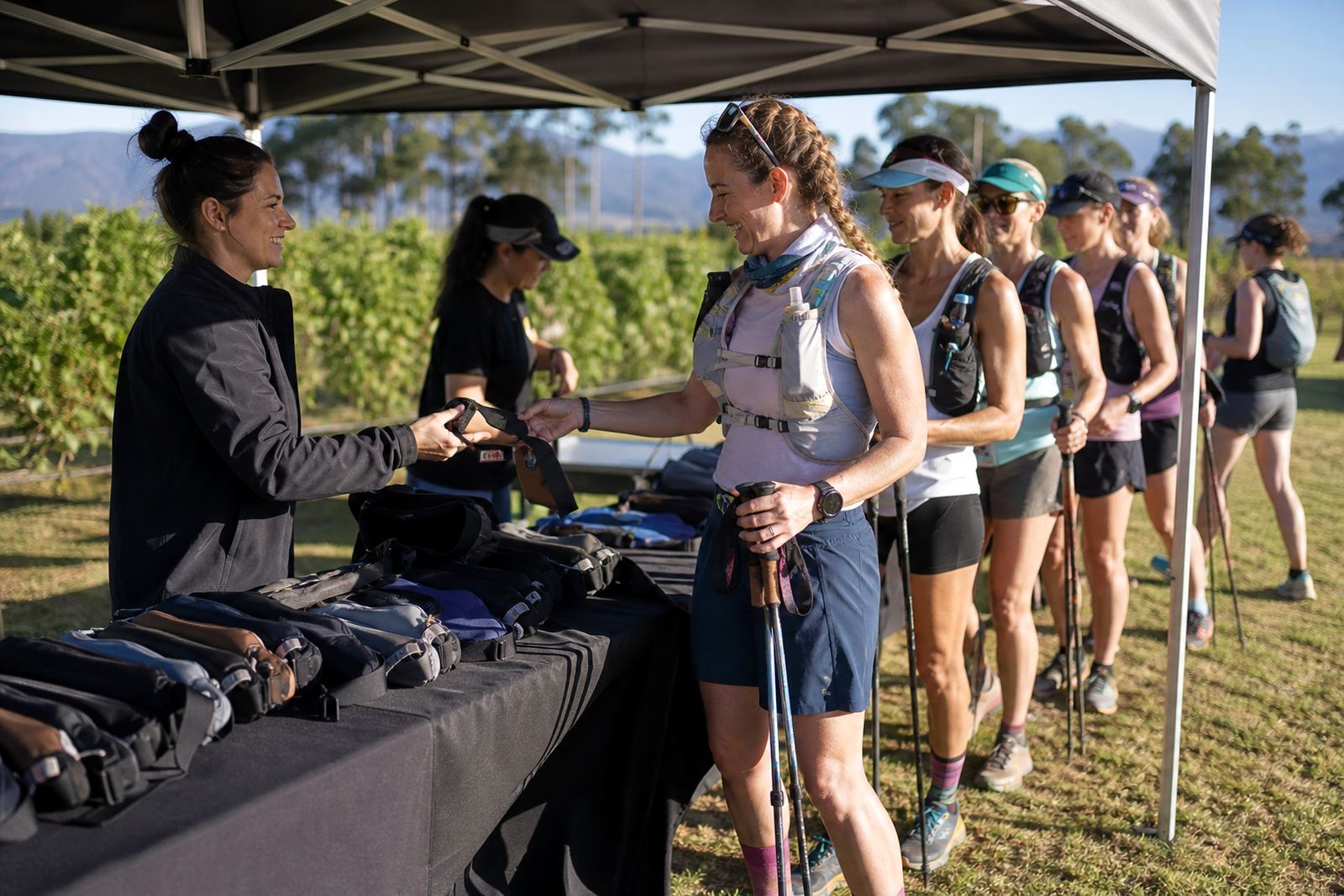
The project moved from first enquiry to first trail session in three weeks. In week one we worked through the brief with the group organiser, confirmed typical training distances and noted who needed smaller or larger sizing. In week two we finalised the belt mix, grouped the order by runner list and prepared the labels for handover. In week three the team collected the belts and used them in a scheduled forest session that included both steady trail work and climbing efforts.
That short timeline suited the group because they were building towards weekend outings and wanted kit in hand before the next block of training. There was no need for a drawn out process. The important part was getting the sizing right the first time and making sure everyone knew how to pack the belt for the kind of session ahead. After the first outing, the group lead sent back notes on fit, and we adjusted the spare allocation for the next round of runners. It kept the whole process tidy and practical.
- Week 1: brief, sizing review and use-case planning
- Week 2: order finalisation and label sorting
- Week 3: collection, trail use and feedback review
Results on the climbs and down the descents
After the first few sessions, the group reported better stability on climbs and far less shifting on downhill sections. Runners could get to gels and water without stopping, which helped on longer sessions where pace changes matter. The belts also made it easier for the lead runners to carry basics without handing items around or stuffing pockets full. That saved time at the start line and reduced faffing before training, which everyone appreciates.
For the organisers, the bigger result was order and consistency. With the belts sorted by size and use case, they could issue kit to different runners without second guessing the fit. It also helped them plan future weekend climbs because they knew how much carrying space each runner had. That kind of feedback is useful for any club doing regular trail work in the Cape, because once the kit is sorted the training can stay focused on the run itself. The group said the setup felt far less distracting on technical ground and that it held up well in mixed weather.
- Less bounce on uneven forest ground
- Faster access to hydration and snacks
- Cleaner kit control for organisers
- Better confidence for longer training sessions
What we would do again for another trail group
If we repeated this project for another training group, we would start with a short fit session and a simple runner list before any product is issued. That makes sizing cleaner and avoids returns or swaps later. We would also split the order by training type, so the runners doing shorter hill repeats get a lighter carry than those doing long weekend route work. For mixed ability groups, that distinction saves a lot of confusion.
We would keep the same practical approach to dispatch coordination, especially when runners are spread between Cape Town, Stellenbosch and the surrounding areas. For clubs and event groups, good labelling and clear handover notes matter just as much as the belt itself. Tokai Forest showed that a well fitted trail belt can make a regular training session easier, calmer and more organised, and that is exactly what the group needed. One runner put it simply: once the belt stayed put, the hills felt a lot less busy.
- Start with sizing before issuing stock
- Match carry layout to session length
- Label by runner and group role
- Keep a few spare units for new members
Key facts
| Project location | Tokai Forest, Cape Town |
|---|---|
| Client type | Trail training group |
| Timeline | 3 weeks from brief to first session |
| Primary use | Technical trail sessions and weekend climbs |
| Carry setup | Hydration pocket, gel storage, key pocket and light essentials |
| Support included | Sizing guidance, fit briefing and dispatch coordination |