
The brief from a busy Stellenbosch trail event
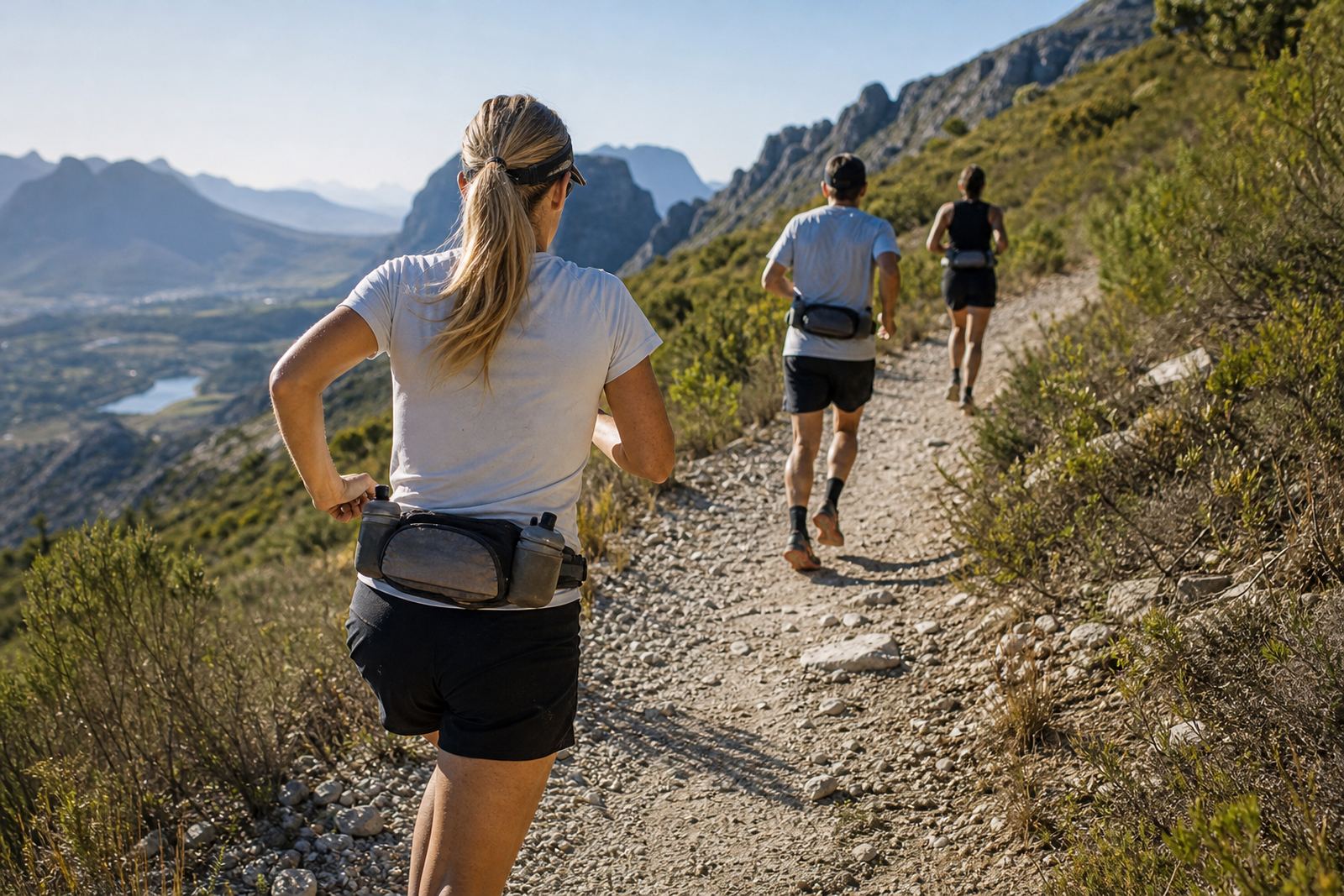
The event team needed a practical solution for trail runners who wanted water, gels and a few small items carried without bouncing around on the climbs and descents. The route mixed vineyard roads, gravel paths and rougher singletrack, so the belt had to sit close to the body and stay comfortable over a long morning.
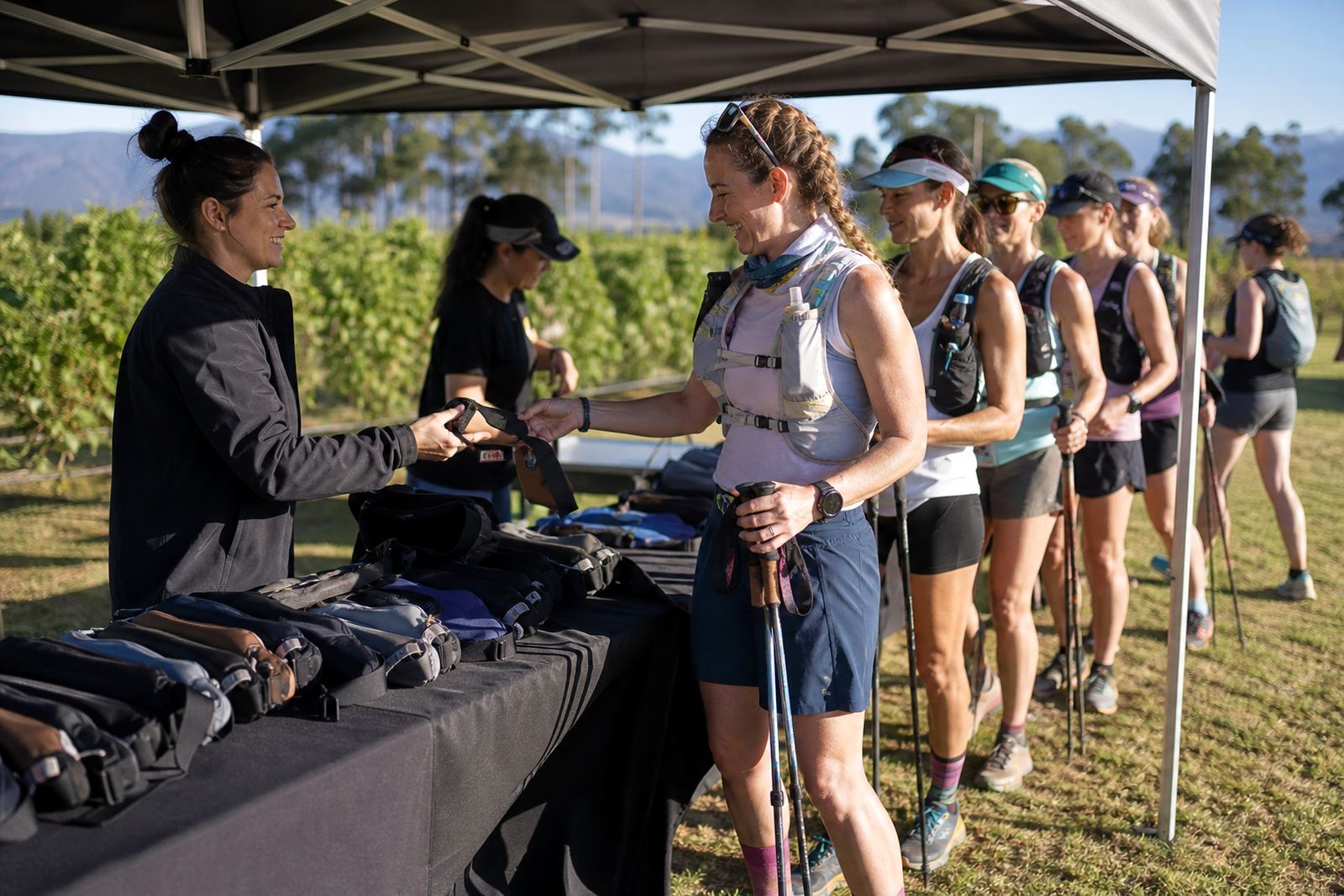
The organisers also wanted a product that would work for different body shapes, from first-time trail entrants to experienced runners chasing a time goal. We were asked to support participant comfort, reduce stop-and-start at aid points, and keep the event flow moving when runners arrived on site on race morning.
- Town: Stellenbosch, Western Cape
- Event type: local trail race with mixed distance entries
- Primary need: hydration carry and hands-free storage
- Secondary need: simple issue at registration and on-course support
What made this course harder to kit properly
Trail events in the Western Cape can move from cool shade to direct sun within a few kilometres, and runners often start early when the air is cold then heat up fast. The belt needed to stay stable under movement, not shift on steep sections, and still feel light enough for runners who were carrying only one soft flask and a gel or two.
We also had to plan for practical local conditions. Dust, sweat, a bit of coastal humidity coming inland, and a race environment where people are pinning numbers, collecting packs and asking questions in the same small space. That meant the fit briefing and sizing plan had to be clear and fast, not overcomplicated.
- Warm-up to race effort in under an hour
- Variable terrain with uphills, gravel and narrow singletrack
- Need for quick sizing at registration
- Minimal bounce when carrying water and small essentials
The belt spec we supplied
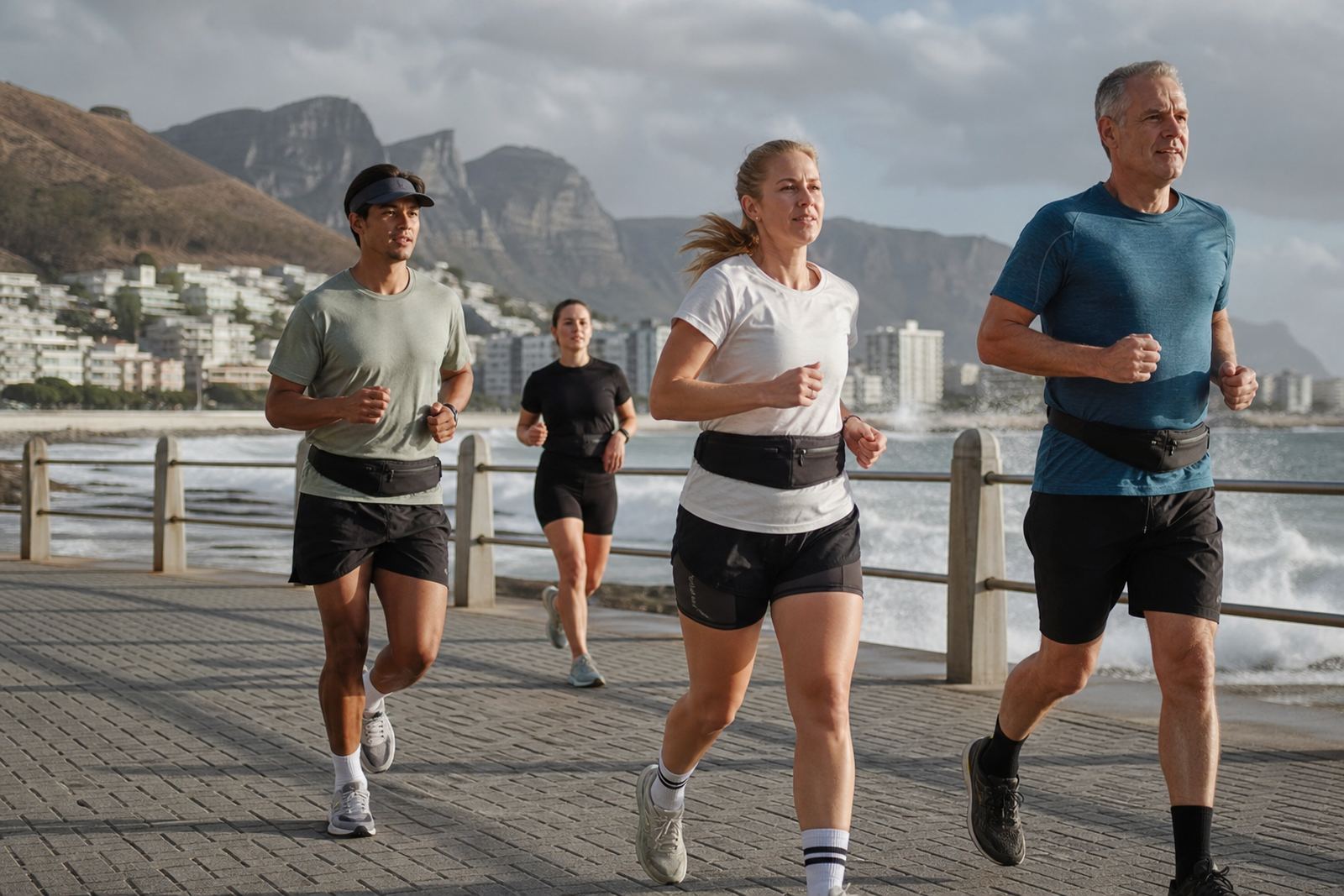
We supplied a running and hydration waist belt format selected for stable carry and easy access while moving. The layout allowed participants to keep essentials close without needing a backpack, which helped reduce overheating on the climbs and gave runners more freedom through tighter sections of the course.
Each unit was prepared with the event use in mind, including a snug fit profile, enough stretch for comfort, and a low-profile shape that worked under a race bib or over lightweight trail clothing. The final setup was simple, practical and easy to explain to participants on collection day.
- Low-bounce waist fit for trail and road use
- Space for hydration carry and small essentials
- Lightweight construction for longer efforts
- Quick-adjust sizing for on-the-day issue
- Suitable for race mornings, training runs and club events
We also kept the setup straightforward for volunteers. That mattered because the team needed one less thing to manage when runners were arriving in batches and asking where to queue, how to fit the belt, and whether they could use it for their next event too.
How we handled sizing, packing and dispatch
The order was planned over a two week window, with the first week used for sizing guidance, quantity confirmation and event pack planning. The second week was used for dispatch coordination and support notes so the organisers could hand out the belts with minimal delay on site. It kept things tight but manageable, even with a few late entrant changes.
We split the work into the parts that matter most for event supply: getting the right size mix, checking label consistency, and making sure the belts were packed in a way that made issue on race day quick. One or two runners always arrive needing a different fit, so we left room for that without creating a mess at registration.
- Week 1: sizing advice, order confirmation and event planning
- Week 2: packing, dispatch and issue coordination
- Fit guidance prepared for volunteers and event staff
- Extra attention given to last-minute participant changes
Race day support and participant feedback
On the day, the belts did what they were supposed to do. Runners had a secure place for hydration and small items, and the event team reported fewer interruptions at aid areas because participants could carry enough for the section they were running. That mattered especially for the middle of the field, where comfort often decides whether a runner enjoys the day or just gets through it.
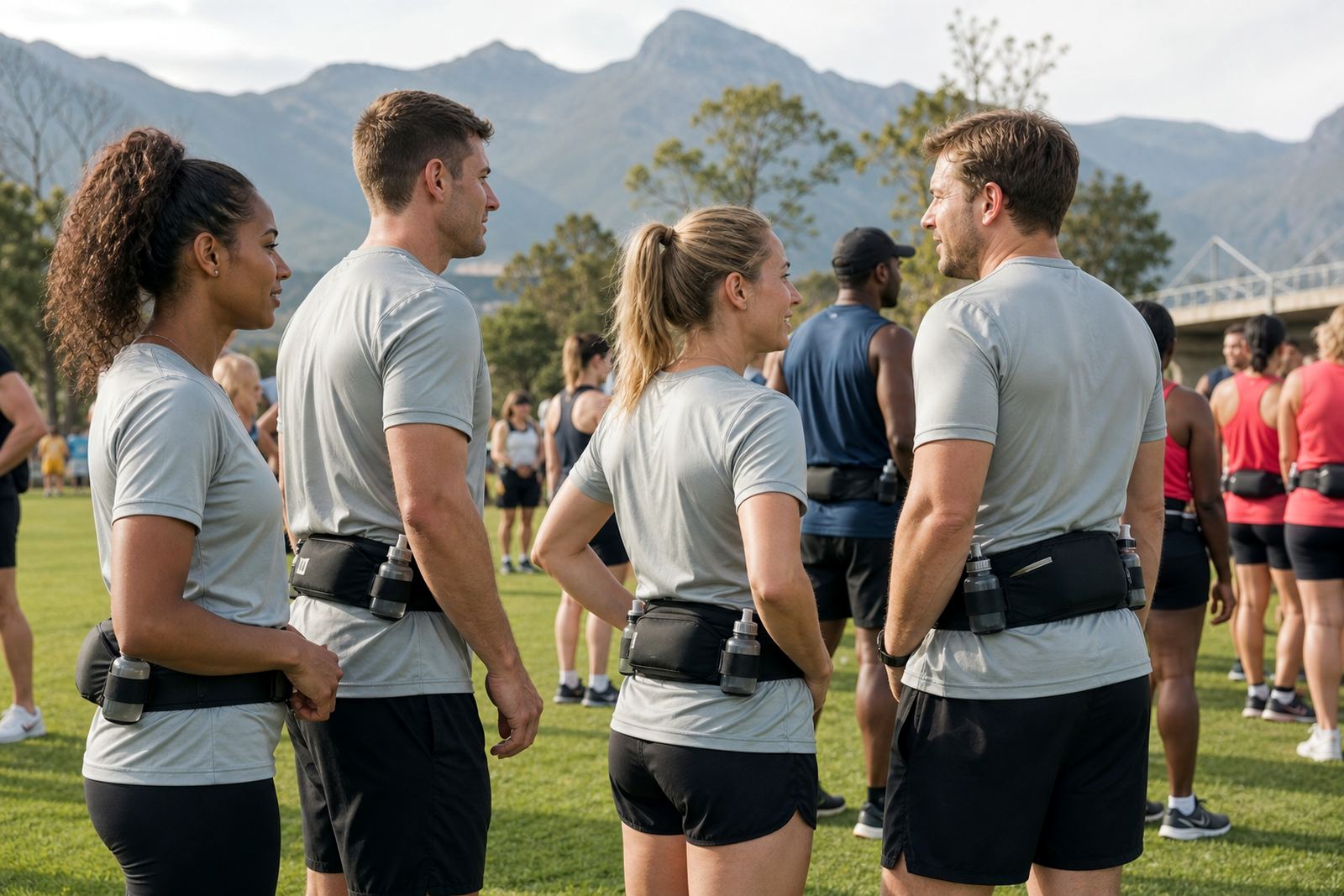
Feedback from participants pointed to better comfort on descents and less need to stop and adjust kit. The organisers also liked that the belts looked consistent at the start line, which gave the event a neat, organised feel without needing any fancy display. Small detail, but it showed.
- Less stopping to adjust gear on course
- Improved hydration access between aid points
- More comfortable carry for casual and serious runners
- Cleaner start-line presentation for the event team
What we would repeat for the next Stellenbosch trail run
If we were doing the same event again, we would keep the same practical approach: confirm sizing early, pack for fast issue and give the volunteers a short fit briefing before registration opens. That format worked well for this course and would suit similar trail events in Paarl, Somerset West or Cape Town too.
We would also keep a little extra stock aside for late entrants and exchange requests. It is a small allowance, but it prevents stress when a runner turns up with the wrong fit or decides they want a different carry setup after seeing the field. Simple planning saves time and avoids the scramble.
- Confirm participant sizes earlier in the event timeline
- Keep spare units for last-minute changes
- Use a short volunteer briefing before collection opens
- Match belt style to course distance and hydration points
For us, the main takeaway was clear: when the belt fits properly and the issue process is tidy, runners notice. The result is a calmer registration area, better race day flow and a kit choice that feels useful rather than just another item in the pack.
A local supply job that suited the course
This Stellenbosch trail event was a good fit for our event belt supply service because the needs were specific and practical. The organisers wanted gear that held up on varied terrain, supported hydration and did not get in the way of the run. We gave them exactly that, with a clear process from planning through to dispatch and support.
It was a straightforward local job, but that is often where the value sits. Good event kit does not have to be complicated, it just has to work on the day when runners are moving, sweating and counting every minute.
Key facts
| Project location | Stellenbosch, Western Cape |
|---|---|
| Client type | Local trail event organiser |
| Timeline | 2 weeks from sizing brief to dispatch |
| Product supplied | Running and hydration waist belts |
| Use case | Participant hydration carry and hands-free comfort |
| Support included | Sizing guidance, packing, dispatch coordination and event day support |