Race Setting And Brief From George
The client was a rural trail race team based near George in the Western Cape, supporting runners through farm roads, sandy sections and short technical climbs. The main brief was simple: keep water, soft flasks and race essentials close to the body without bounce, even when runners picked up pace on loose ground.
They needed a belt that would suit both trail runners and event participants, with enough storage for a phone, gel, keys and a small soft flask. The organisers also wanted a product that could be issued quickly on race morning, with clear sizing and no fuss at the start line.
- Location: George and surrounding farm trails
- Use: race day hydration and small-item carry
- Runner profile: mixed field, from casual entrants to stronger club athletes
- Priority: comfort, stability and fast access on course
Ground Conditions And Practical Constraints
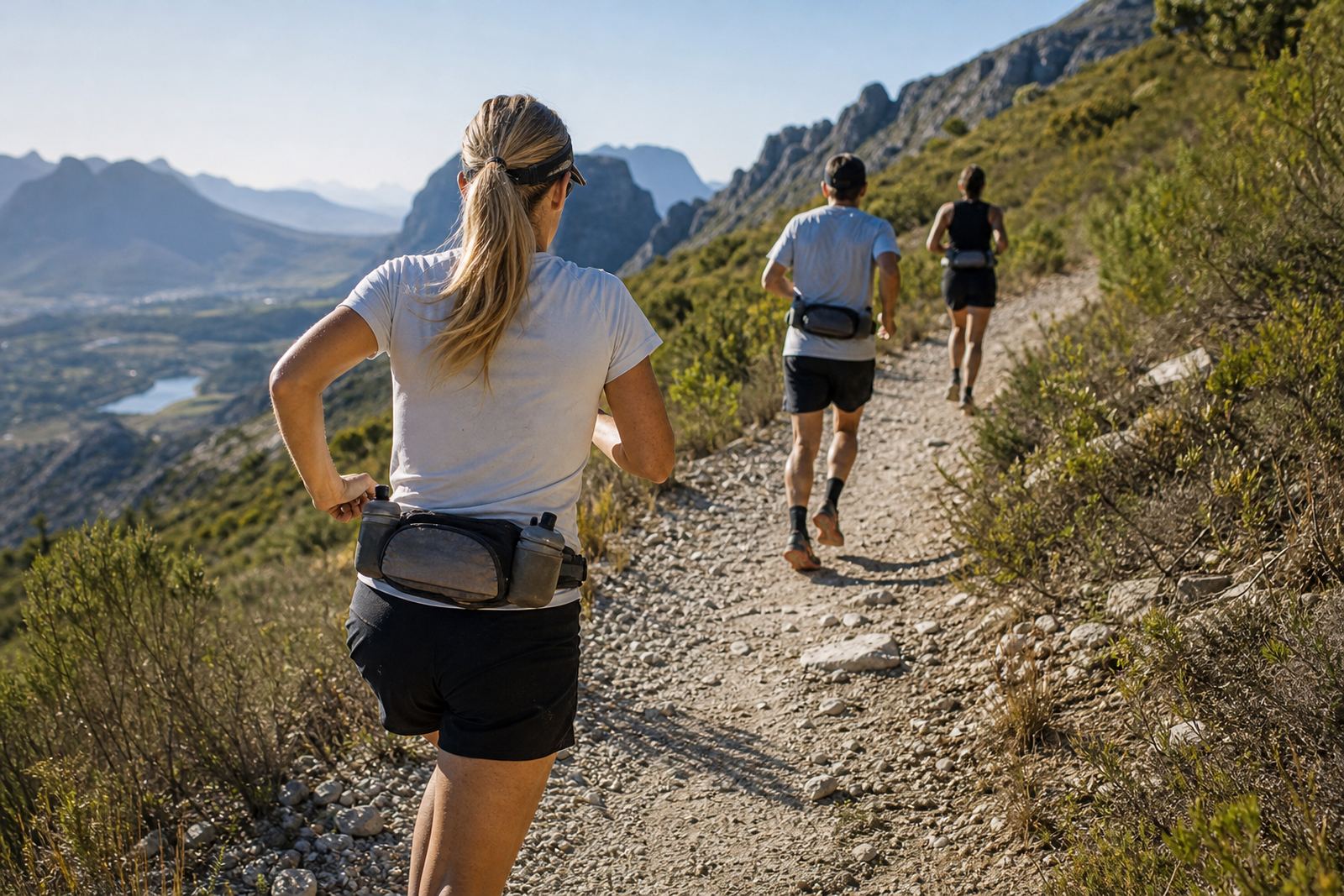
The course conditions shaped the spec from the start. Dust was a factor on the open sections, and the climbs meant any belt with poor tension would shift or ride up. On a rural route, there is also limited time for hands-on support at aid stations, so the belt had to give runners what they needed without asking them to stop and sort themselves out. Simple things matter on race day, specially when the wind picks up and grit gets into everything.
We also had to consider the Western Cape climate around George, where a cool morning can turn warmer after sunrise. The belt needed to sit flat over technical running shirts, with a secure pouch layout that would not swing during descents. Because the event had a broad entry list, we planned for a sizing spread that could cover smaller runners and larger club members in the same issue plan.
- Loose dust and farm track vibration
- Mixed weather across a morning start window
- Need for quick fitting at registration and marshalling points
- Storage for hydration plus race essentials, without bulk
What We Supplied For The Race
We supplied a run belt layout built around firm elastic support, low-profile storage and easy bottle access. Each belt was planned to hold a soft flask or compact hydration option, plus a zipped or tensioned pocket for small valuables. The waist fit was kept snug so the belt would stay in place on climbs and while weaving through uneven ground.
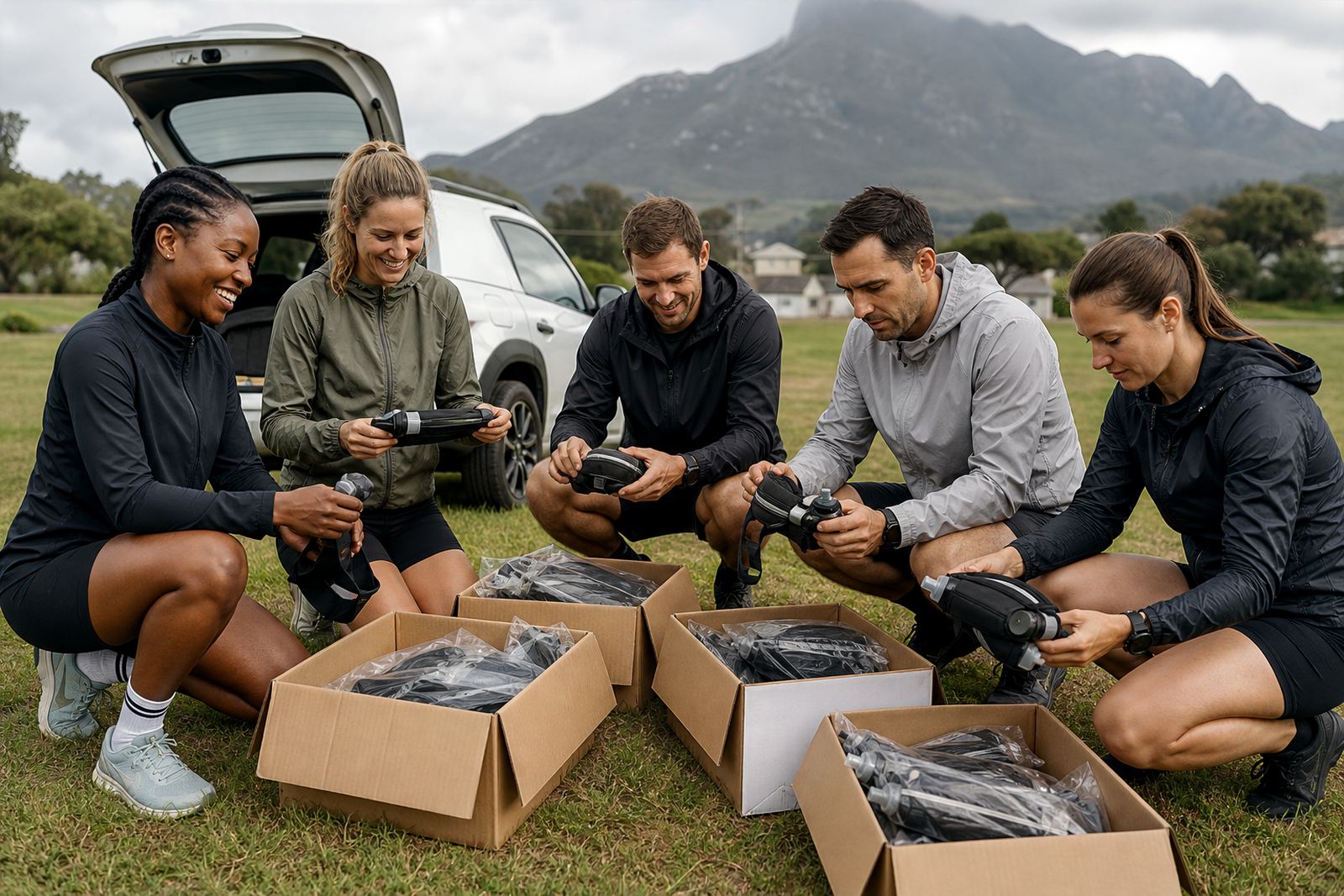
The team also asked for support with participant sizing and event issue planning. We prepared a sizing guide, advised on how to group runners by waist measurement, and helped the organisers set up belt handover so the right size went to the right runner at registration. For the crew and race marshals, we also suggested a small reserve batch for replacements and late entries.
- Running and hydration waist belts in mixed sizes
- Participant sizing guidance for pre-race allocation
- Reserve belts for late swaps and damaged issues
- Layout advice for hydration plus phone and key carry
Timeline From Order To Dispatch
The project moved over three weeks from first brief to dispatch. Week one was for the sizing plan and course discussion, including the expected pace of the field and where runners would most need quick access. Week two focused on belt selection, issue planning and packing order. Week three covered final checks, labelling and dispatch coordination to George.
That timeline worked well because the event team had enough time to brief volunteers and split belts by size before race weekend. It also gave us time to confirm the reserve stock and check the quantities against the final entrant list. For a rural event, that kind of lead time saves a lot of stress later on.
- Week 1: brief, terrain review and sizing plan
- Week 2: supply confirmation and packing sequence
- Week 3: dispatch and final issue support
Race Day Use And Results
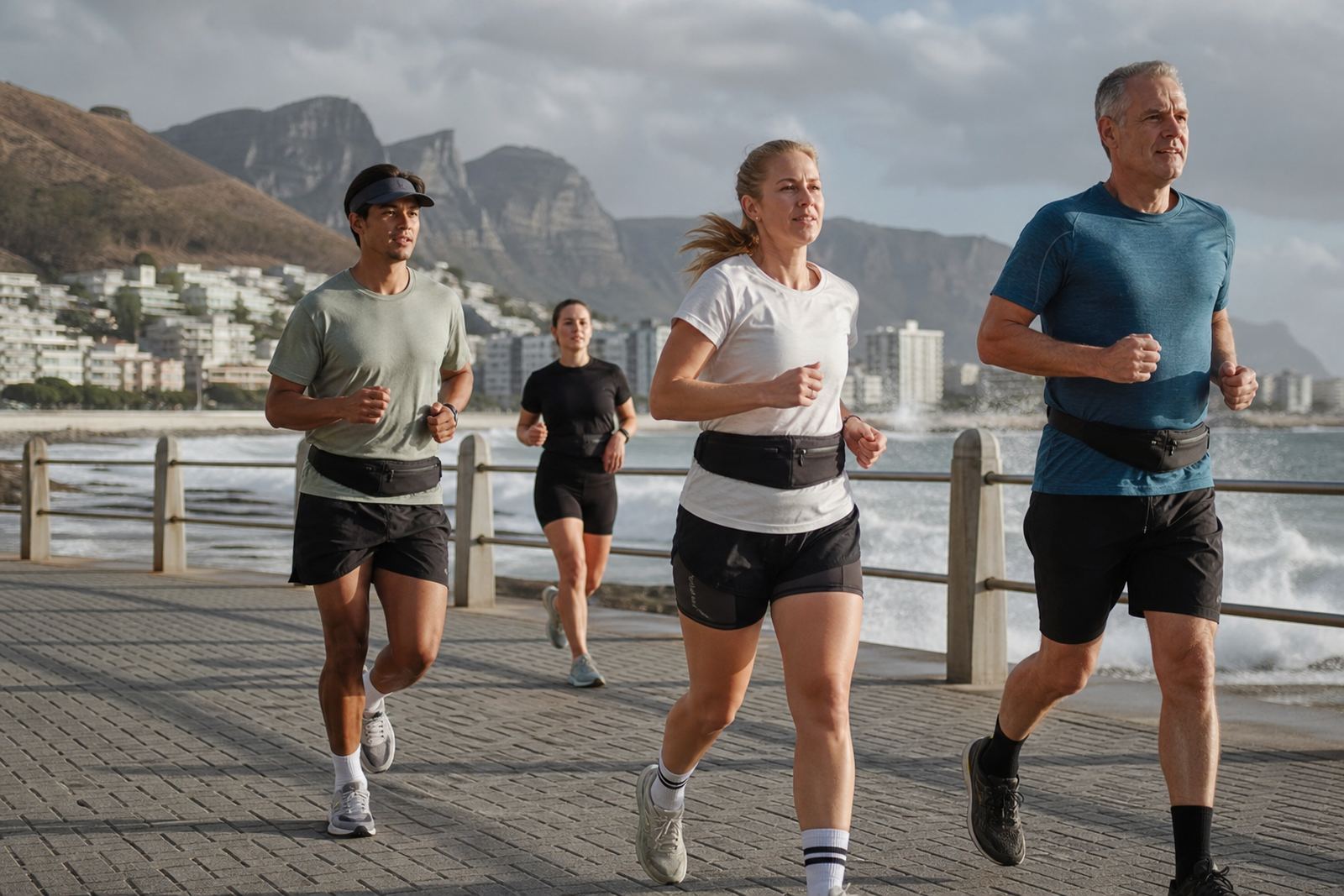
On the day, the belts gave runners steady carry without excessive bounce on the climbs or dust-heavy straights. The organisers reported that participants could reach water, gels and small items quickly, which helped with smoother race flow at aid points. The fit held up across different runner builds, and the reserve belts were useful for a few late adjustments.
The main result was confidence. Runners knew their hydration sat close to the body, and the event team had one less thing to worry about once the start gun went. Feedback from the organisers was that the belts were practical for the route, and that the sizing plan made the handover much easier. There were no major fit issues and no last-minute scramble for extra stock, which is always a good sign.
- Stable fit on climbs and uneven farm sections
- Fast access to hydration and small essentials
- Clear sizing flow for event staff and runners
- Reserve stock reduced race-morning pressure
What We Would Repeat For Another Rural Trail Event
For a similar race again, we would use the same approach: confirm terrain, confirm runner profile, then plan the belt mix around hydration and carry needs before finalising sizes. Rural trail events often need a bit more practical planning than road races because of dust, wind and long sections away from support points. A good fit plan makes all the difference.
We would also keep the dispatch window tight but not rushed, with time for check lists and a final quantity review against the entry sheet. If the event had more inexperienced runners, we would add a short product fit briefing at registration so people understand how to wear the belt low and snug. That small step usually improves comfort a lot.
- Use a sizing sheet before packing begins
- Set aside a reserve batch for late changes
- Brief marshals on low, snug belt placement
- Keep hydration layout simple for quick use on course
Key facts
| Project type | Trail race belt supply for a rural event near George |
|---|---|
| Location | George, Western Cape |
| Timeline | 3 weeks from brief to dispatch |
| Key use | Hydration and small-item carry on dust, climbs and uneven farm trails |
| Belt features | Low-bounce fit, snug waist support, quick access storage |
| Support provided | Sizing plan, dispatch coordination, event day support and repeat order setup |