A city challenge brief with real constraints
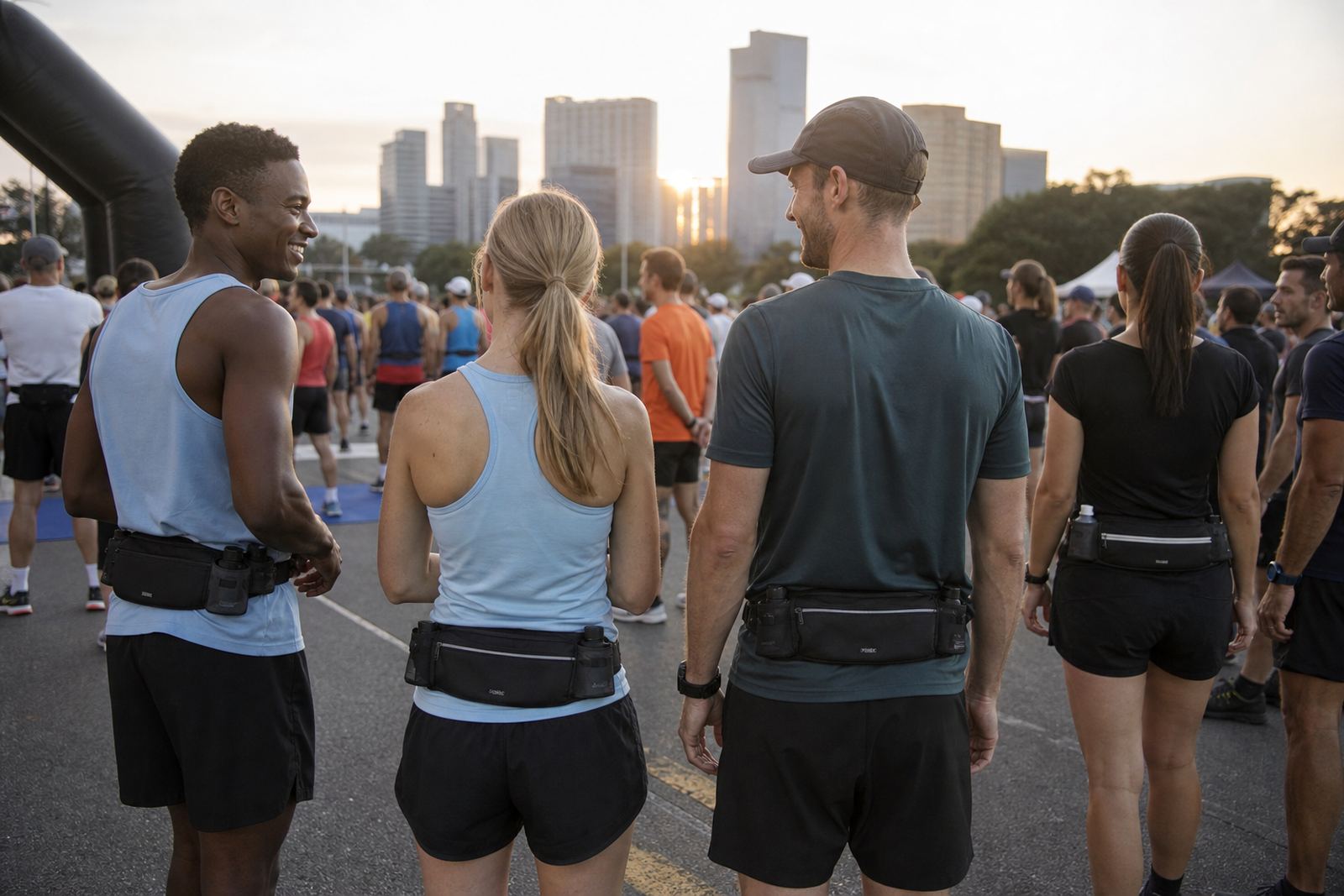
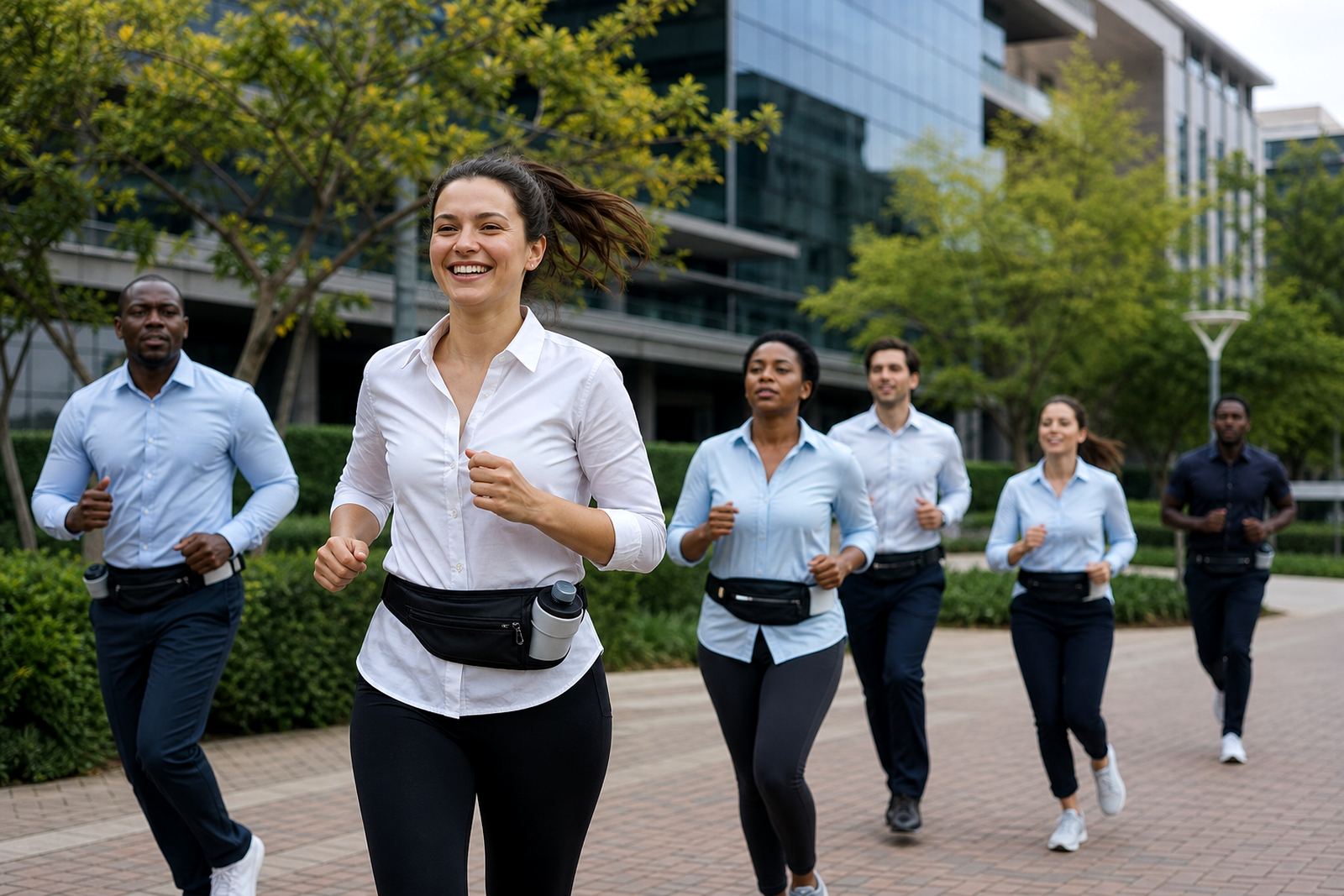
The client was a corporate wellness coordinator in Johannesburg organising a team build-up for a city run challenge. The group included office staff, managers and a few regular runners, so the brief was not about flashy gear. It was about keeping essentials close, stopping bounce, and making sure every participant could carry water, keys, gels and a phone without fuss.
They also had practical limits to work around. Training slots were early before work, some runners were on the road after dark, and the team needed a solution that could be issued in bulk without causing size problems on the day. We had to plan for varied waists, mixed body shapes, and enough durability for repeated use over a 10 to 12 week build-up. Johannesburg weather added another layer, because heat, dry air and sudden rain can change how people pack and wear their kit.
How we planned the belt mix
We started with a fit briefing and bulk order plan. The team needed a simple product set that could be assigned quickly, then swapped or re-issued for future events if needed. We recommended belts with secure stretch storage, stable waist adjustment and a hydration option suited to short and mid-distance training, not just race day use.
- Running and hydration waist belts with low bounce design
- Adjustable fit for a wide range of waist sizes
- Storage for soft flask, phone, keys and nutrition
- Reflective detail for early starts and late finishes
- Lightweight construction for repeated training use
To keep things manageable, we grouped the order by size range and usage level. The result was a simple issue list for the coordinator, so each runner could collect the right belt with less admin and no confusion.
What we supplied and why it worked
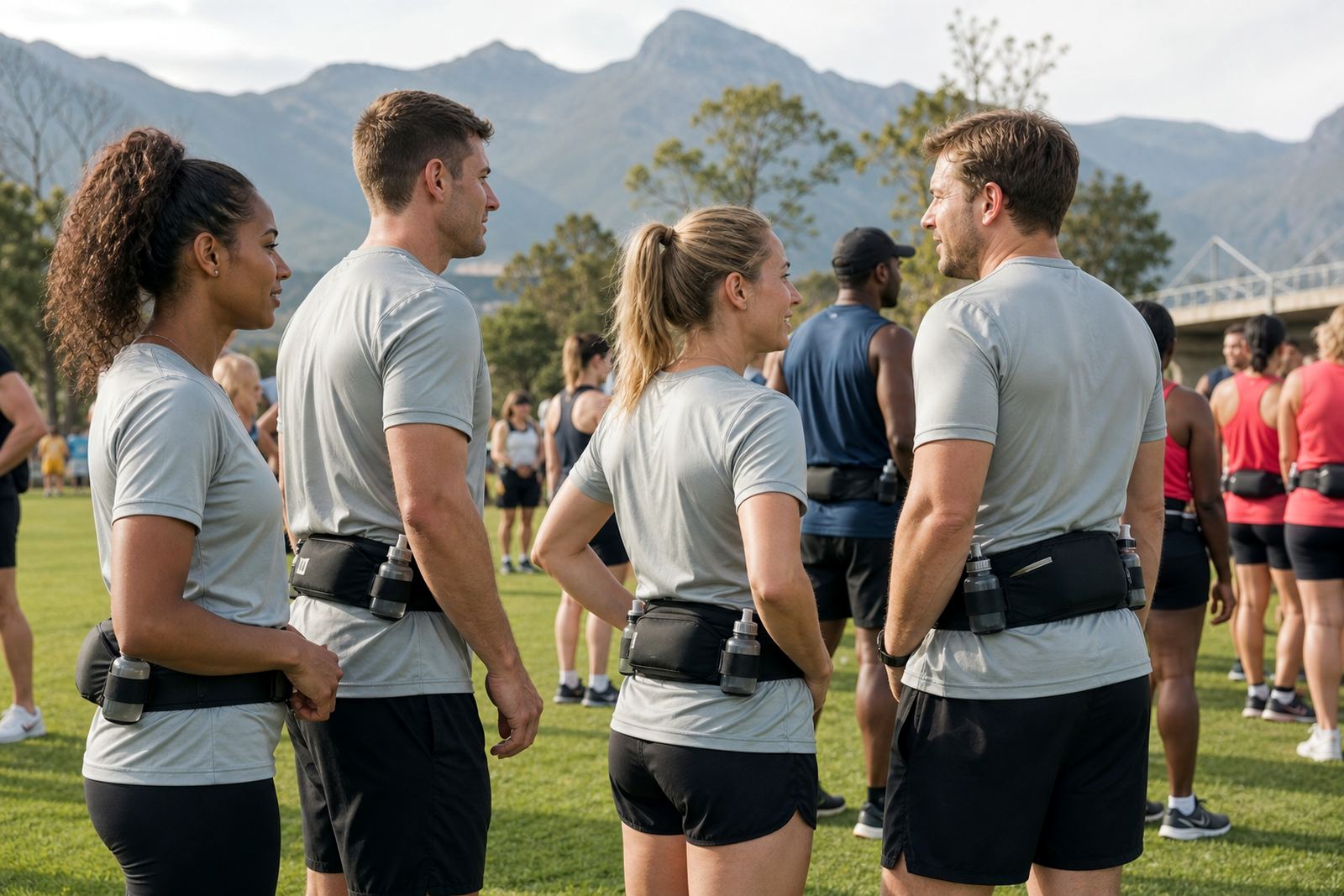
We supplied waist belts built for practical movement rather than heavy load carrying. The main ask was stability, and that meant a snug fit at the hips, not around the stomach. We also paid attention to pocket layout so items would not shift around on the run. For a corporate group, this matters more than people think because a bouncing bottle or loose phone pouch can spoil a session fast.
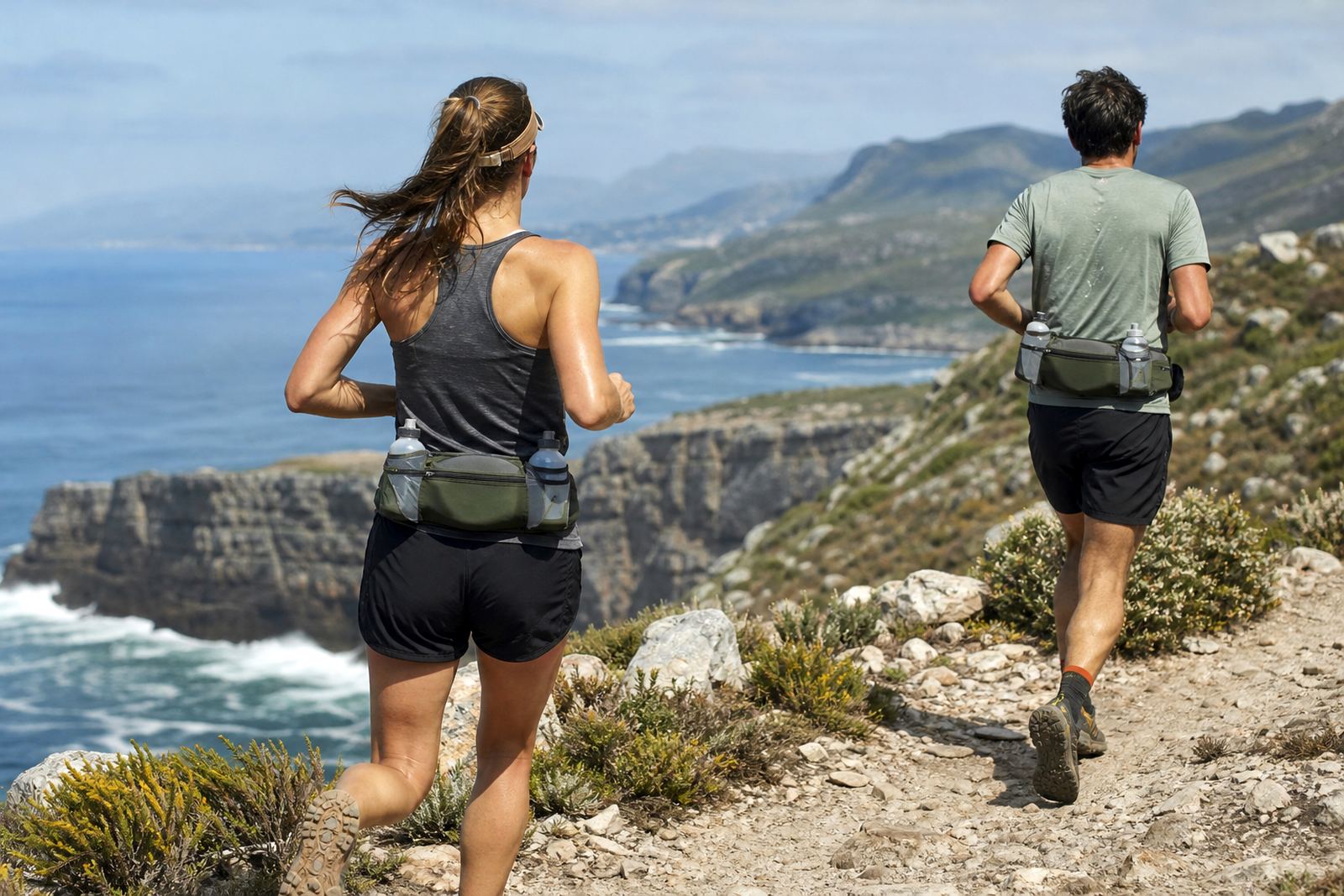
Key supplied features included a secure main compartment, easy access front storage, and a hydration setup that kept water within reach on training loops around parks, office precincts and paved routes. The belts handled sweat and repeated wash down well, which is useful in Gauteng where runners often train several times a week. It also helped that the design stayed compact, so runners could wear it under a light top or over a tee without bulk.
- Compact profile for road and park running
- Stable carry for phones, gels and a single soft flask setup
- Quick adjustment for shared team issue if needed
- Good comfort for 5 km to 15 km training runs
Timeline from enquiry to handover
The full project ran over 4 weeks. Week 1 was the enquiry and brief confirmation. Week 2 covered product selection, sizing guidance and final quantities. Week 3 was packing, dispatch coordination and sign-off on the issue list. Week 4 was delivery support and a check-in with the coordinator once the first training sessions started.
Because the order was for a workplace group rather than one individual, our logistics had to be tight. The belts were packed in a way that made handout simple for the organiser, and we made sure the dispatch note matched the size split. That saved time at collection and reduced the chance of mix-ups, which is always worth doing when a team is trying to prepare for race week with limited admin support.
Results on training days and race day
After the first few sessions, the coordinator reported fewer complaints about bouncing, chafing and bottle movement. The runners were able to keep their hands free, which is useful on busy Johannesburg routes where traffic crossings, uneven paving and changing pace are part of the day. The team also liked being able to keep a phone and a small key set on them without carrying extra bags.
The belts helped the group stay more consistent in training because the kit was easy to use every time. That sounds small, but it matters for workplace wellness projects. When people do not need to rethink their gear before each run, they are more likely to turn up, get moving and stick with the plan. The final race week handover also went smoothly, with the organiser able to issue kits quickly and with no last minute scramble.
- Less bounce and fewer fit complaints
- Cleaner kit issue for the team coordinator
- Better carry for hydration and personal items
- More confidence for first-time race participants
What we would do again for a Johannesburg team
For a similar corporate run in Johannesburg, we would use the same approach again: start with sizing early, plan for mixed runner experience, and keep the product set practical. A workplace group usually does not need complicated options. It needs a belt that fits, stays put and can handle sweat, water and a full training calendar.
We would also keep the order window to around 3 to 4 weeks where possible, because that gives enough time for sizing checks, dispatch planning and a smooth handover. If the event includes multiple offices or a split start line, we would set up the issue list by team and not just by name. That saves time and keeps everything tidy when the pressure is on. For city challenge work, simple planning beats faffing about.
Key facts
| Project type | Workplace wellness run for a Johannesburg team |
|---|---|
| Location | Johannesburg, Gauteng |
| Timeline | 4 weeks from brief to handover |
| Products supplied | Running and hydration waist belts |
| Use case | Training runs, race day carry and team issue |
| Key features | Low bounce fit, adjustable sizing, compact storage and hydration carry |