
Race brief from a fast-moving Cape Town start line
The event team in Cape Town needed a simple answer for runners who did not want to carry a vest or a hand bottle on race day. The brief was clear: keep the belt low-profile, give enough space for essentials, and make sure the fit stayed steady from the first kilometre to the finish on city roads.
The race had mixed entrants, from first-time 10 km runners to club athletes chasing a strong time. That meant we had to balance storage and comfort carefully. Too much load and the belt would shift. Too little and runners would still need a pocket, which defeats the point.
- Client type: city road race organiser in Cape Town
- Use case: secure storage for race essentials over distance
- Runner mix: casual entrants, club runners and pace-focused athletes
- Primary need: compact carry with low bounce
What limited the design and how we worked around it
The biggest constraint was race practicality. The belts had to be easy to size quickly, usable for a wide spread of waist shapes, and comfortable in warm weather. Cape Town can bring a cool start and then a dry, hotter finish, so the fabric and closure needed to sit flat and not rub once the runners started sweating.
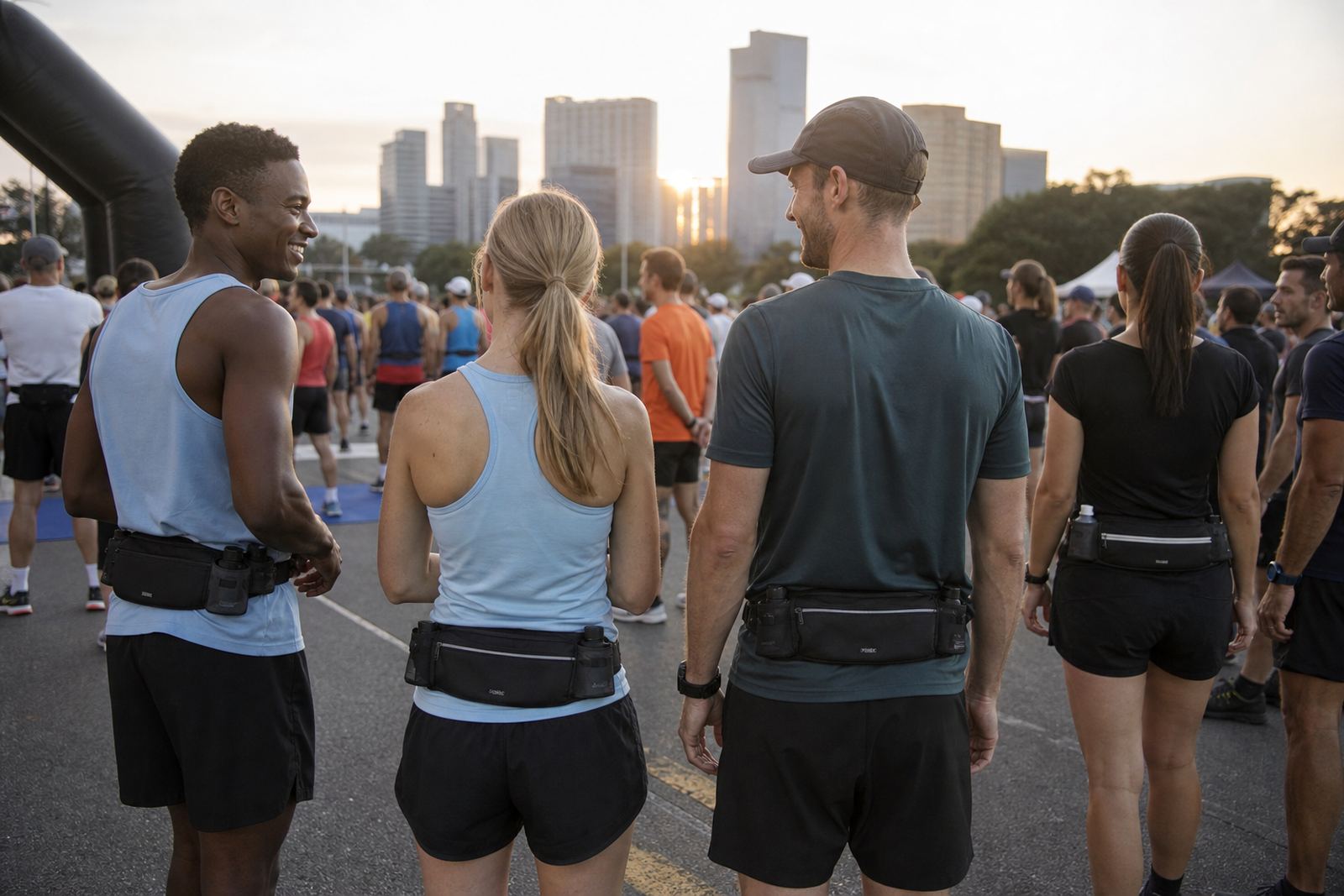
We also had to think about event flow. Registration queues move quickly, and organisers do not want to stop for fiddly fitting on the morning. We kept the setup straightforward with repeatable size guidance, clear left-right storage placement, and enough adjustment to suit club runners and recreational entrants alike. One small issue we watched for was belt ride-up on uphill sections near the route turn points, so we set the fit lower than a standard running pack.
- Fit range set for small to extra-large waists
- Low-profile carry to reduce movement on tar and paving
- Materials chosen for warm-weather comfort and quick drying
- Layout kept simple for race-day issue and return
What we supplied for the event packs
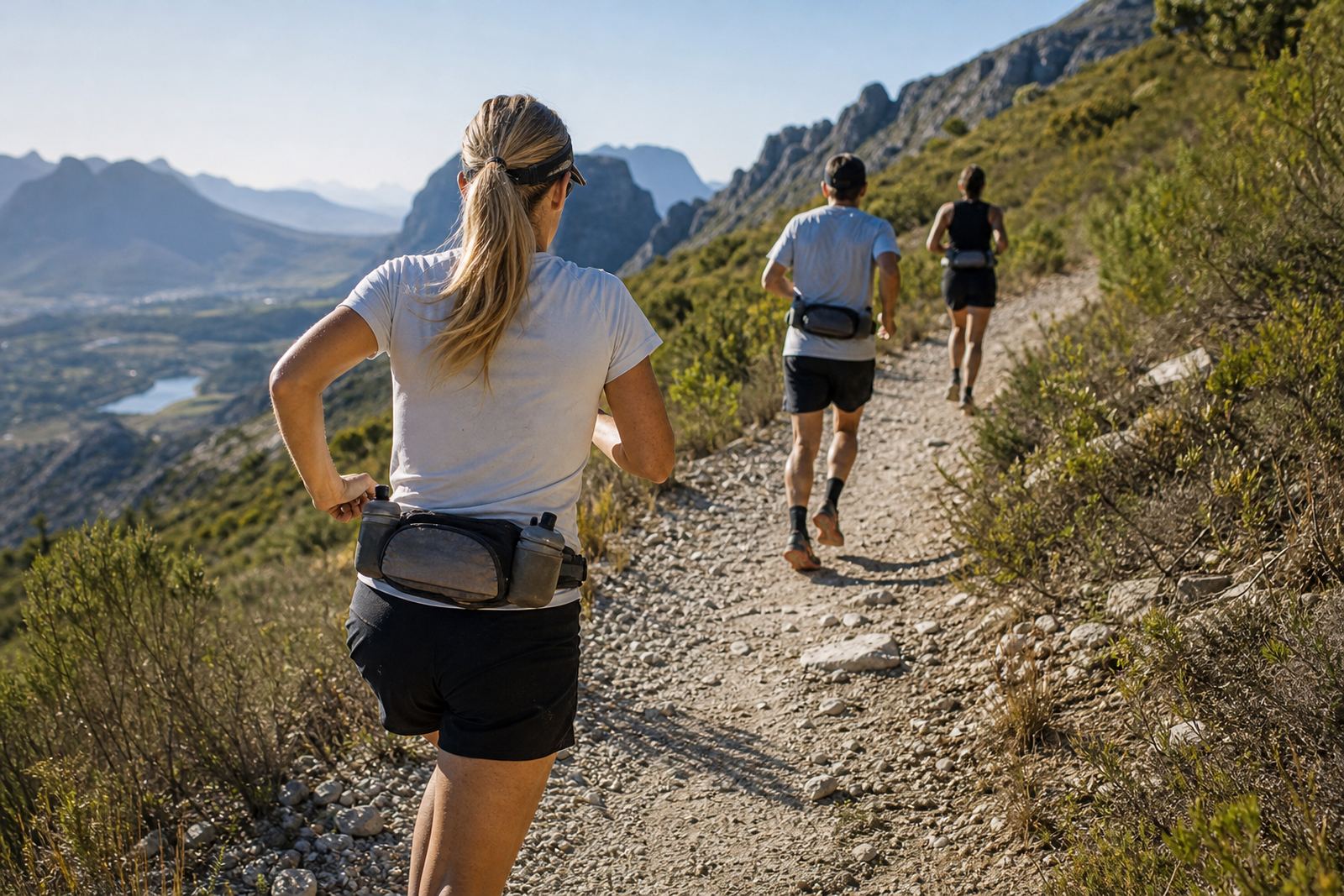
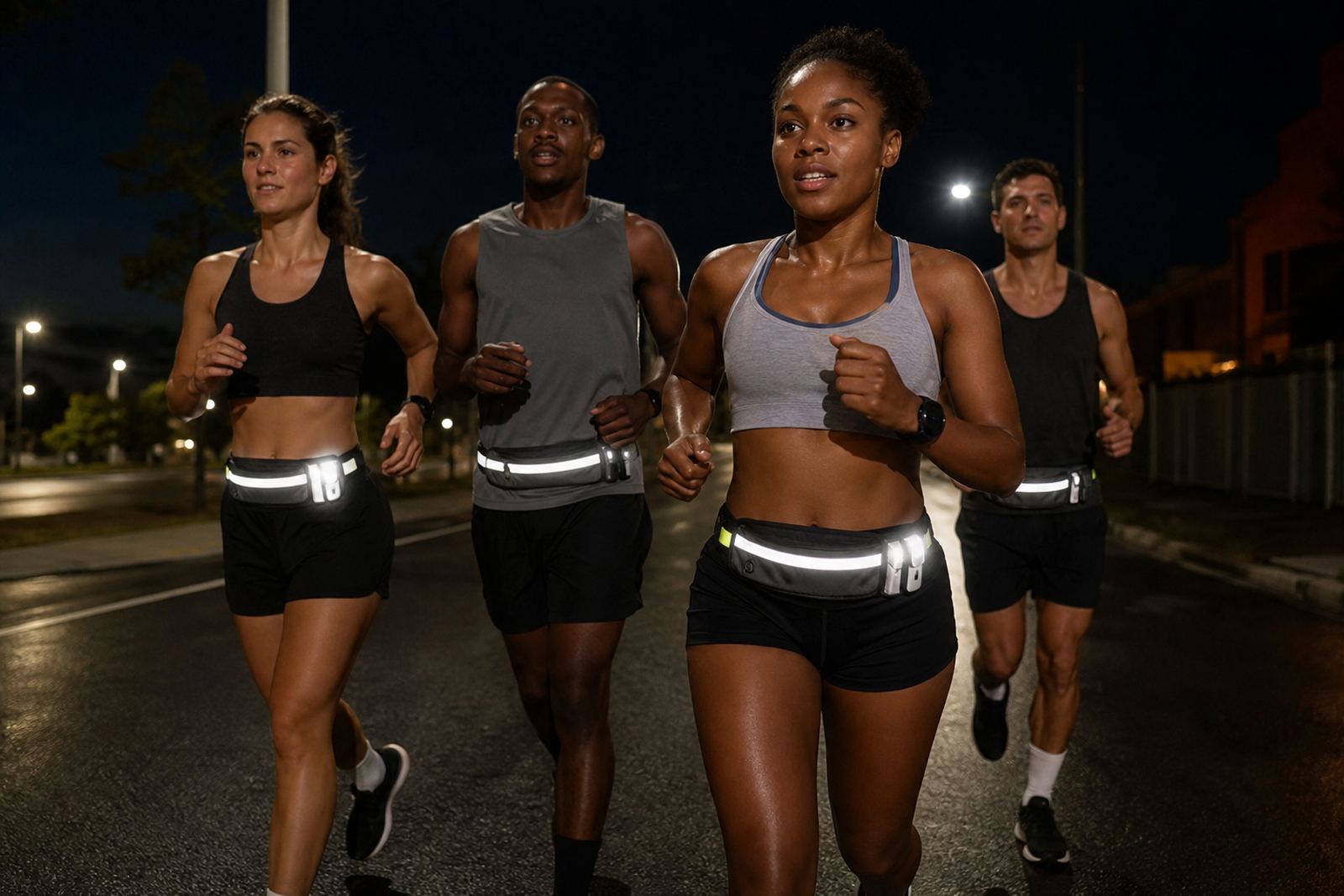
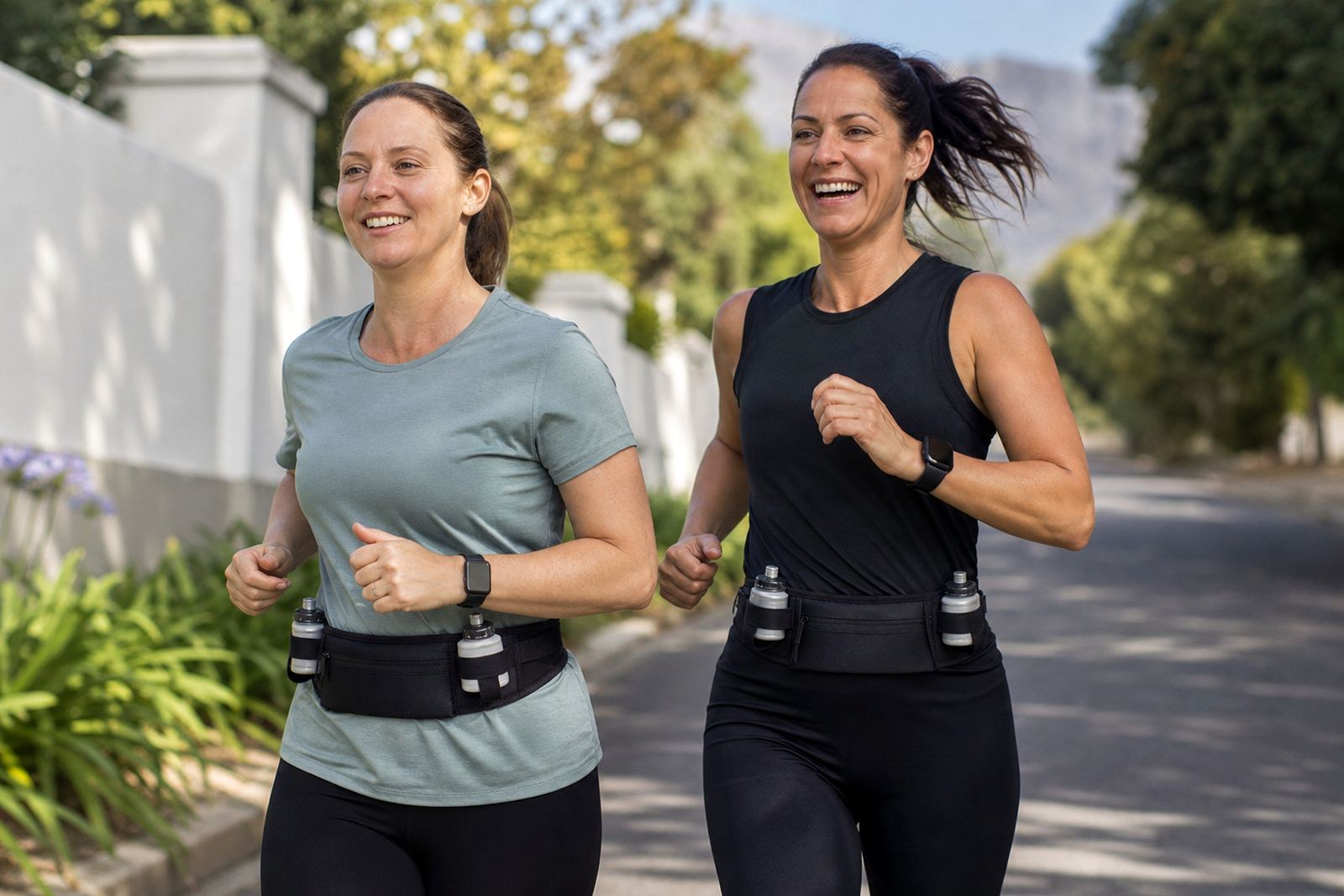
We supplied compact running and hydration waist belts with storage for the basics, plus fit guidance for the race team. The belts were selected to carry gels, keys, a soft flask and an emergency card without making the runner feel overloaded. For a road race, that matters more than fancy extras.
The specification focused on practical use. The main pocket sat close to the body, the closure held firmly, and the belt stayed stable when runners picked up pace. We also packed the belts so they could be issued quickly at collection points or inserted into race bags before the event.
- Compact belt profile for road running
- Secure main storage pocket for small essentials
- Hydration-ready layout for a soft flask or similar carry
- Stable fit for repeated movement over 10 km and longer distances
- Suitable for race pack issue or direct handover at registration
Timeline from order confirmation to dispatch
The full project ran over three weeks. Week one covered sizing discussion, order quantities and route conditions. Week two was used for production, pack checks and order sorting by size. In week three we completed dispatch coordination so the event team could receive everything ahead of race week without last-minute stress.
Because race calendars are tight, we kept contact tight as well. The organiser wanted clear status updates and a single point of contact, which helped with stock planning and handover timing. We also left room for a final adjustment on quantities after late entrant numbers came in, which is fairly common with city races.
- Week 1: brief, size planning and quantity confirmation
- Week 2: production and quality check
- Week 3: dispatch and delivery coordination
- Final step: issue support for the event team
Results on race day and what runners noticed
Runners reported that the belts stayed put and did not interfere with arm swing, which was the main goal. The organiser also had fewer complaints about storage compared with a looser carry option. For a city road race, that makes a real difference because participants want to keep moving, not adjust kit every few minutes.
The event team appreciated that the belts worked for different runner types without needing special handling. The compact profile suited both the front pack and the back-of-the-field walkers. Feedback from the day was that the belts felt lighter than expected and the storage was enough for gels, a key and a bit of cash if needed. That sounds small, but on race day those details count.
- Less bounce during steady pace and mid-race surges
- Better storage control for keys, gels and small hydration items
- Quick issue process at registration and pack collection
- Positive feedback from both club runners and casual entrants
What we would repeat for the next Cape Town race
If we were doing the same event again, we would keep the same compact layout and the same fit guidance, then add a slightly wider size spread if the field included more walkers or first-time entrants. We would also match dispatch even earlier if the race sits close to a public holiday or school event weekend, because freight timing in the Western Cape can get tight.
For future road races in Cape Town, Stellenbosch or elsewhere, we would again recommend a belt that keeps the centre of gravity close to the body and gives the organiser simple control over sizing. That combination is the most practical for a city route with mixed pace groups and variable weather. It is not complicated, it just works.
- Keep the compact storage layout
- Confirm sizing early for mixed field entries
- Dispatch ahead of peak event weeks
- Use the same fit briefing for race volunteers and collection staff
Key facts
| Project | Cape Town Road Race |
|---|---|
| Client type | City road race organiser |
| Location | Cape Town, Western Cape |
| Lead time | 3 weeks |
| Supply | Compact running and hydration waist belts |
| Use | Race-day storage for gels, keys and small hydration items |