Start With Your Actual Waist Measurement
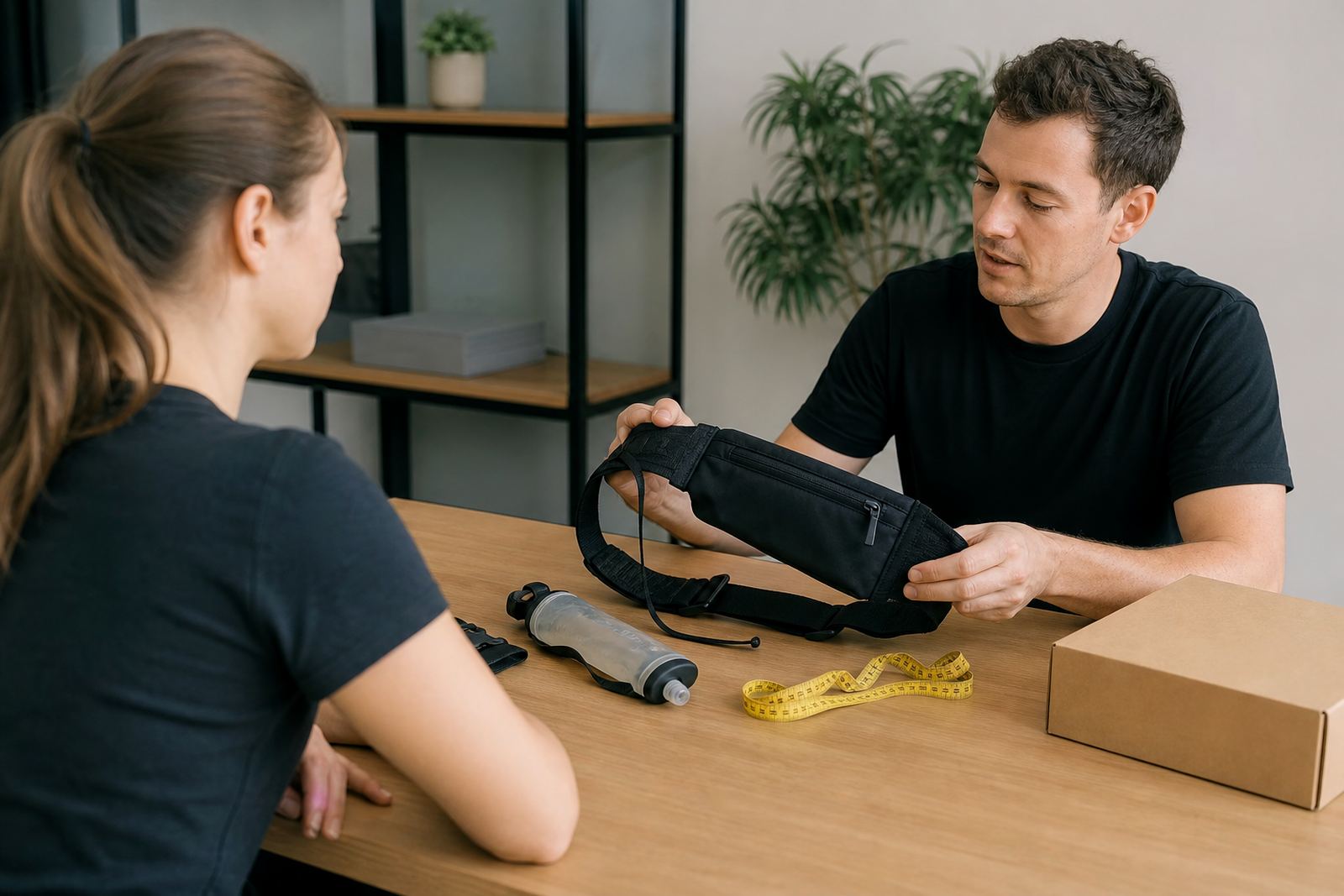
Use a soft tape measure and wrap it around the area where you plan to wear the belt, usually just above the hips and below the navel. Keep the tape snug but not tight, then note the measurement in centimetres. If you are between sizes, think about how you run most often. A belt worn over a winter layer or hydration top may need a little more room than one worn over a single technical shirt.
For trail runners in Stellenbosch, Paarl and the Helderberg, the fit often changes between summer and cooler mornings, so it helps to measure in the clothing you will actually use. If you are ordering for a club, event or race pack, take a few sample measurements from runners in different size ranges before confirming the full order.
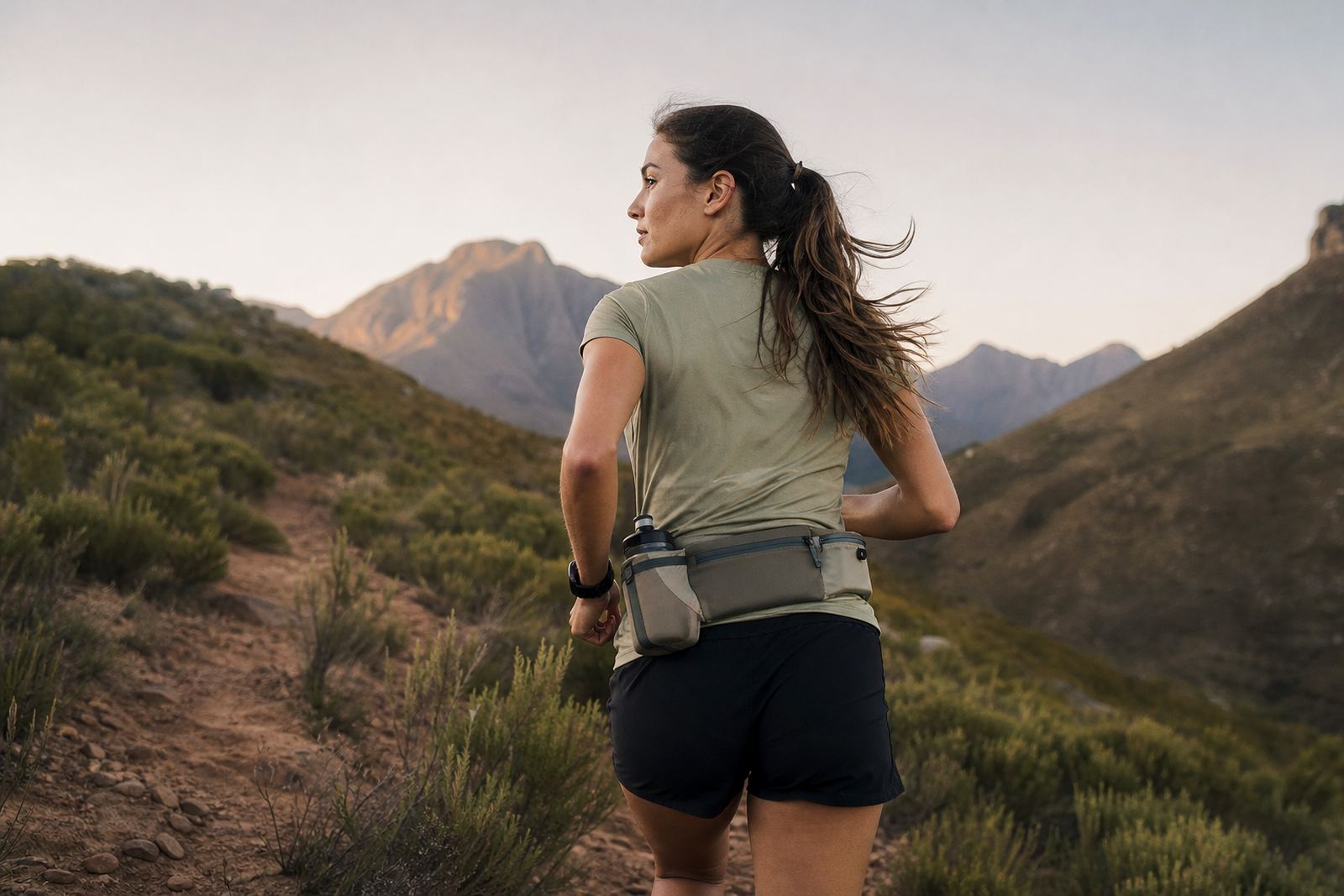
How A Proper Belt Fit Should Feel On The Run
A good belt should sit flat, stay level and move with your body rather than bouncing against it. You should be able to breathe deeply, turn at the waist and reach for your bottle or gels without loosening the belt. If it slides down on a short jog or twists when you change pace, the size or adjustment is not right yet.
- The belt should feel firm, but you should still be able to slip one finger under it.
- Pockets should stay closed and contents should not press into your lower back.
- When you hop lightly, the belt should not ride up or shift side to side.
- If you carry water, gels and a phone, test the fit with full load, not empty.
Sizing Tips For Different Body Shapes And Carry Loads
Two runners with the same waist measurement may still need different belt settings. Body shape, hip angle and the amount of kit you carry all affect the fit. A belt for short road runs may feel different from one used on long trail days with hydration, nutrition and a jacket. If you run in coastal humidity in Durban or summer heat in Cape Town, you may also prefer a slightly firmer fit so the belt does not slip as you sweat.
When planning for races, consider the items you will carry most often. A small load for gels and keys needs less room than a setup with soft flasks, salt tabs and a phone. For some runners, a narrower belt works best. Others prefer a wider fit that spreads the pressure more evenly across the hips and lower back.
- Light carry: choose a snug fit with minimal extra space.
- Medium carry: allow room for a bottle, phone and fuel.
- Heavy carry: test the belt fully loaded before race day.
- Layered winter running: add a small amount of adjustment space.
Measuring For Clubs, Events And Bulk Orders
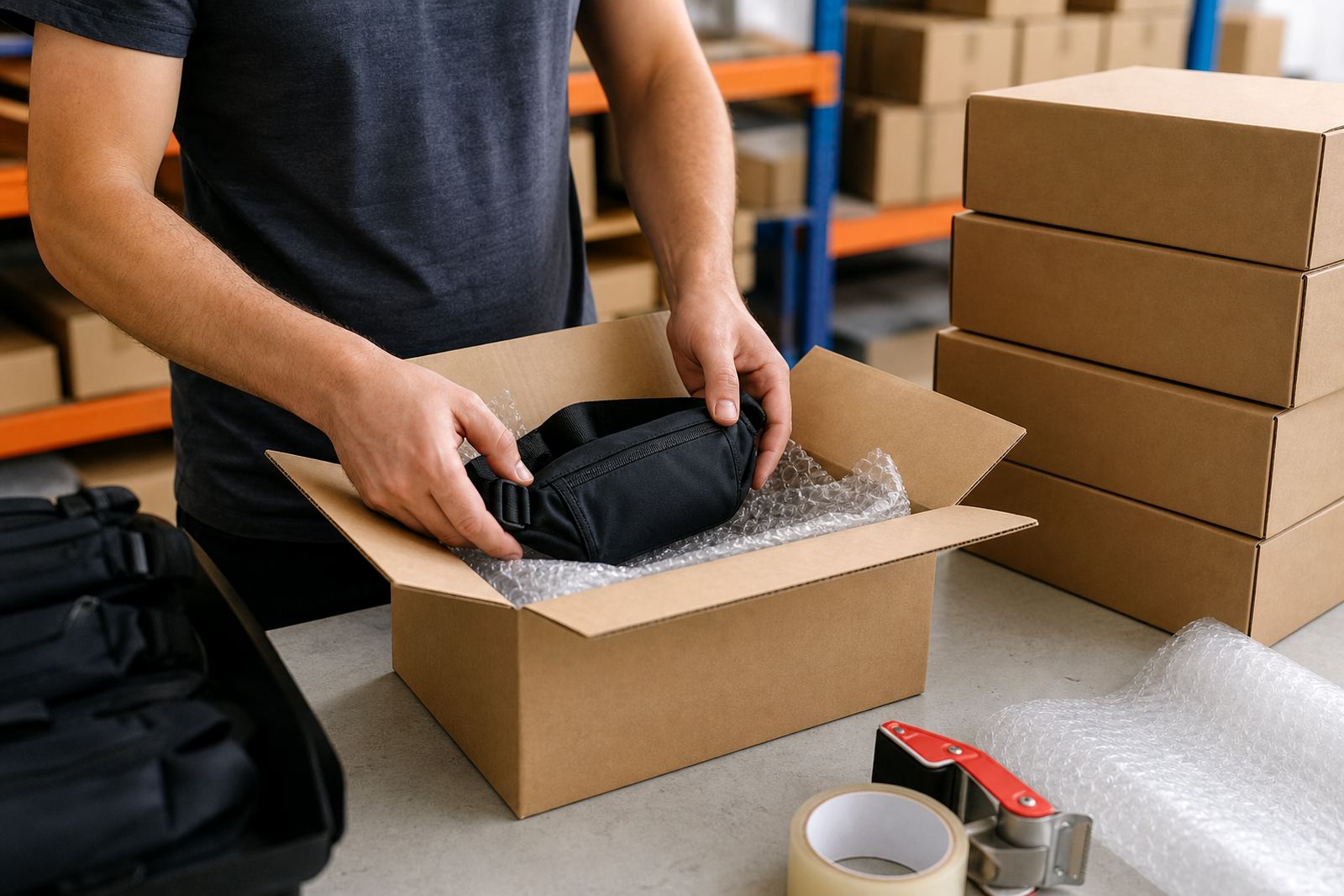
For club orders, race events and crew kits, size planning saves time and avoids last minute changes. The easiest approach is to group runners into small, medium and large fit bands based on real measurements. If you are managing a field in Johannesburg, George or Bellville, collect sizes early and double-check any runners who sit near the middle of two size options.
We often recommend a simple sign-up sheet for event teams. Ask for waist measurement in centimetres, usual shirt size and whether the runner carries one bottle or multiple items. That gives a much clearer picture than guessing from clothing size alone. It also helps when you need repeat orders later for the same club or event series.
Simple Fit Check Before You Leave The House
Before race morning or a training session, do a quick fit check at home. Fill the pockets with the items you normally carry, then walk, jog and bend forward. If the belt feels uneven, tighten it slightly and check again. Many sizing problems are actually adjustment problems, especially when the belt is first worn.
Use this quick checklist before heading out:
- Stand upright and confirm the belt sits level.
- Jog for 30 to 60 seconds and check for bounce.
- Reach for your hydration and fuel with one hand.
- Bend to touch your knees and make sure the belt stays in place.
- Recheck the fit after a few minutes once your body warms up.
When To Ask For Extra Help
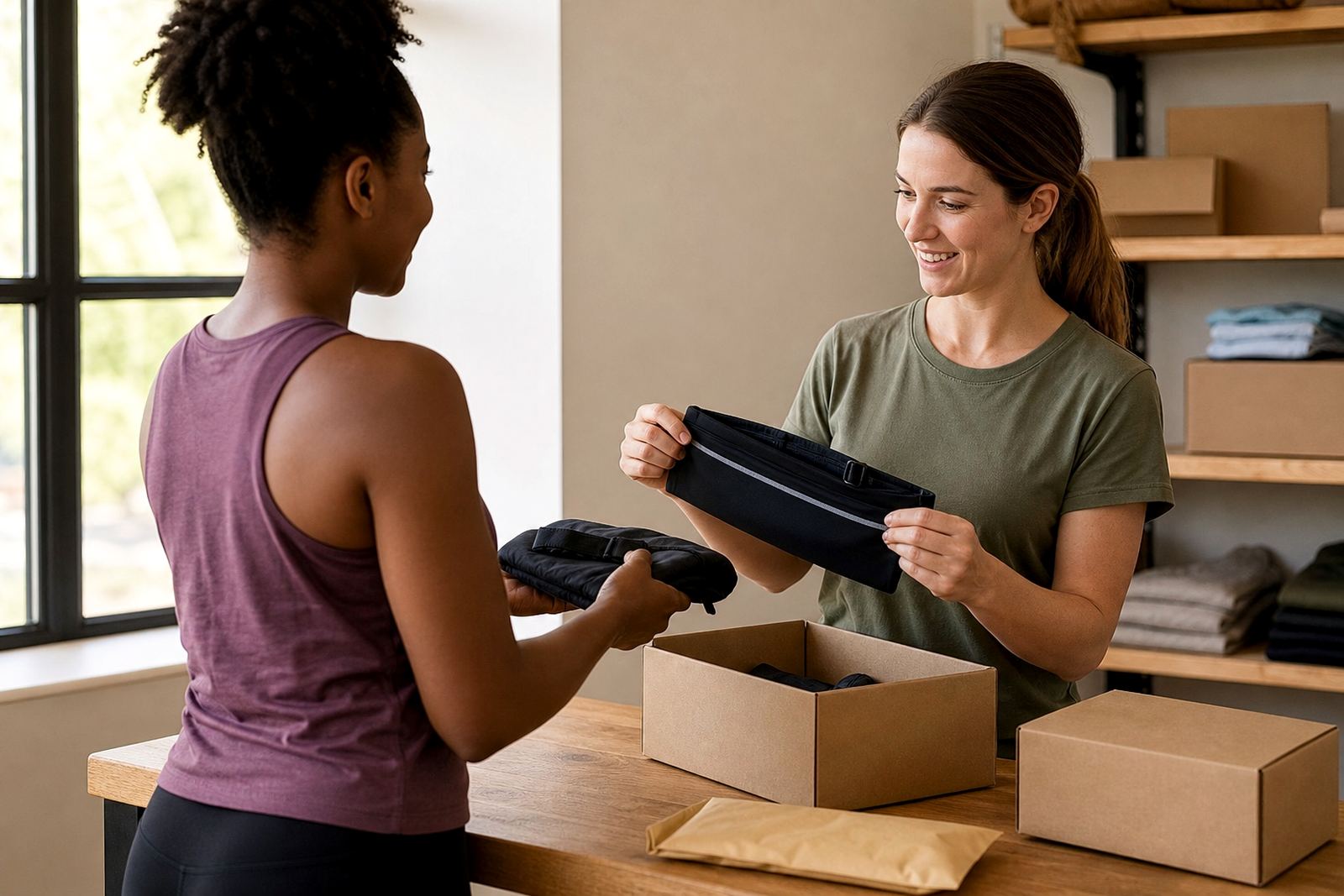
If you are unsure between two sizes, or you are fitting belts for a mixed group, it is worth asking for guidance before you place the order. We can help with product fit briefing, participant sizing and hydration layout advice so the belt suits the way your runners train and race. That is especially useful for trail events where pack weight and terrain can change from one route to the next.
Our team works from Stellenbosch and supports runners, clubs and event organisers across South Africa, including Cape Town, Johannesburg, Durban and George. If you need sizing help for a single runner or a full event, use the enquiry form on our contact page and include the waist measurements, the intended use and the number of belts needed. A little detail upfront makes fitting easier, and it avoids rushed swaps later.