
Coastal race brief from Durban organisers
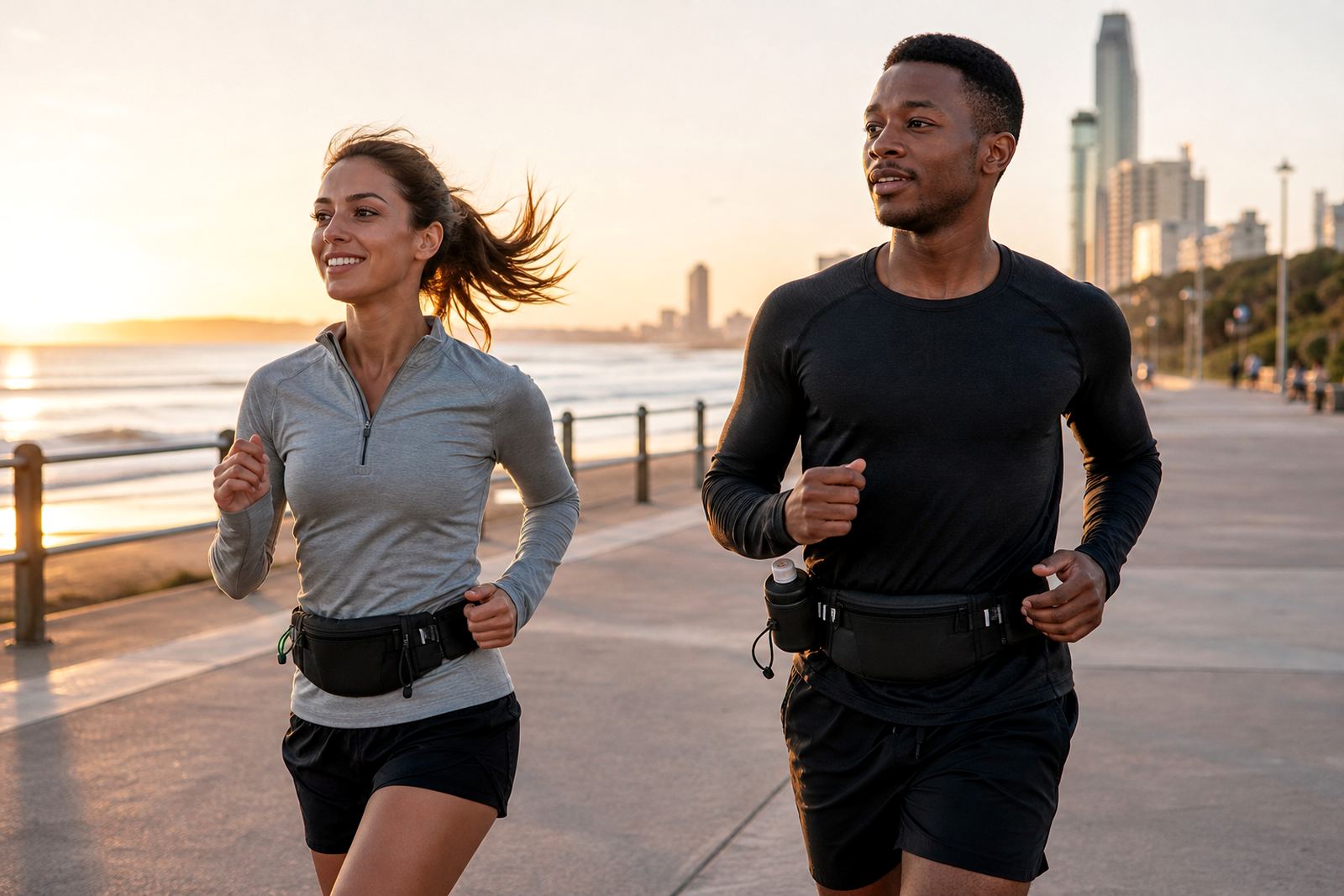
The client was a race event team in Durban planning a beachside run with a large mix of road runners, club athletes and first-time participants. Their main ask was simple: supply waist belts that would sit close to the body, carry a small hydration load and not bounce once runners picked up pace on sand-adjacent routes and paved sections.
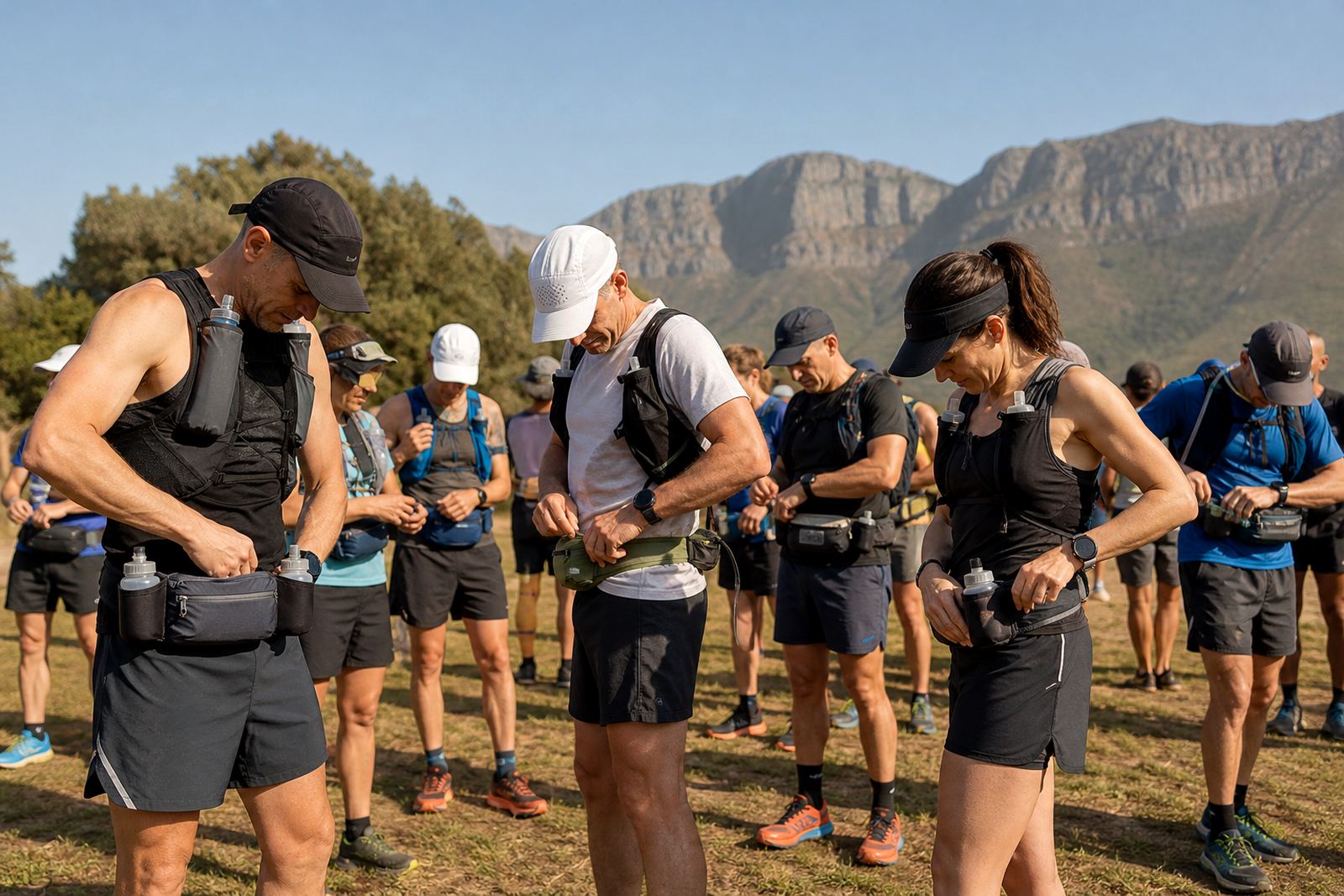
Because the event started early in the morning, we also had to account for humidity, salty air and the fact that many runners would be lining up in the dark with only a short warm-up window. The belts needed to be easy to fit in bulk, quick to brief and comfortable across different body shapes without constant adjustment.
What made this Durban order tricky
The race team wanted a product that could work for a 10 km field as well as longer distance participants, so the fit had to be forgiving but secure. Durban conditions can change quickly, and once the sun comes up a belt that feels fine at the start can become irritating if the material traps too much heat or shifts when sweat builds up. We also had to plan for late event changes, including final entry numbers and a few sizing swaps in the week before dispatch.
- Climate factor: warm, humid early mornings near the coast
- Usage factor: runners carrying water, gels, keys and race cards
- Logistics factor: final numbers only settled close to event week
- Fit factor: mixed participant sizes across club and open entries
What we supplied and how it was set up
We supplied lightweight running and hydration waist belts with a low-profile shape, adjustable fastening and secure storage for small essentials. The belts were set up for steady wear over the hips, with enough stability for road running and enough give for longer sessions where movement matters. For this event, the order included sizing guidance, dispatch planning and a simple fit briefing for the race day team.
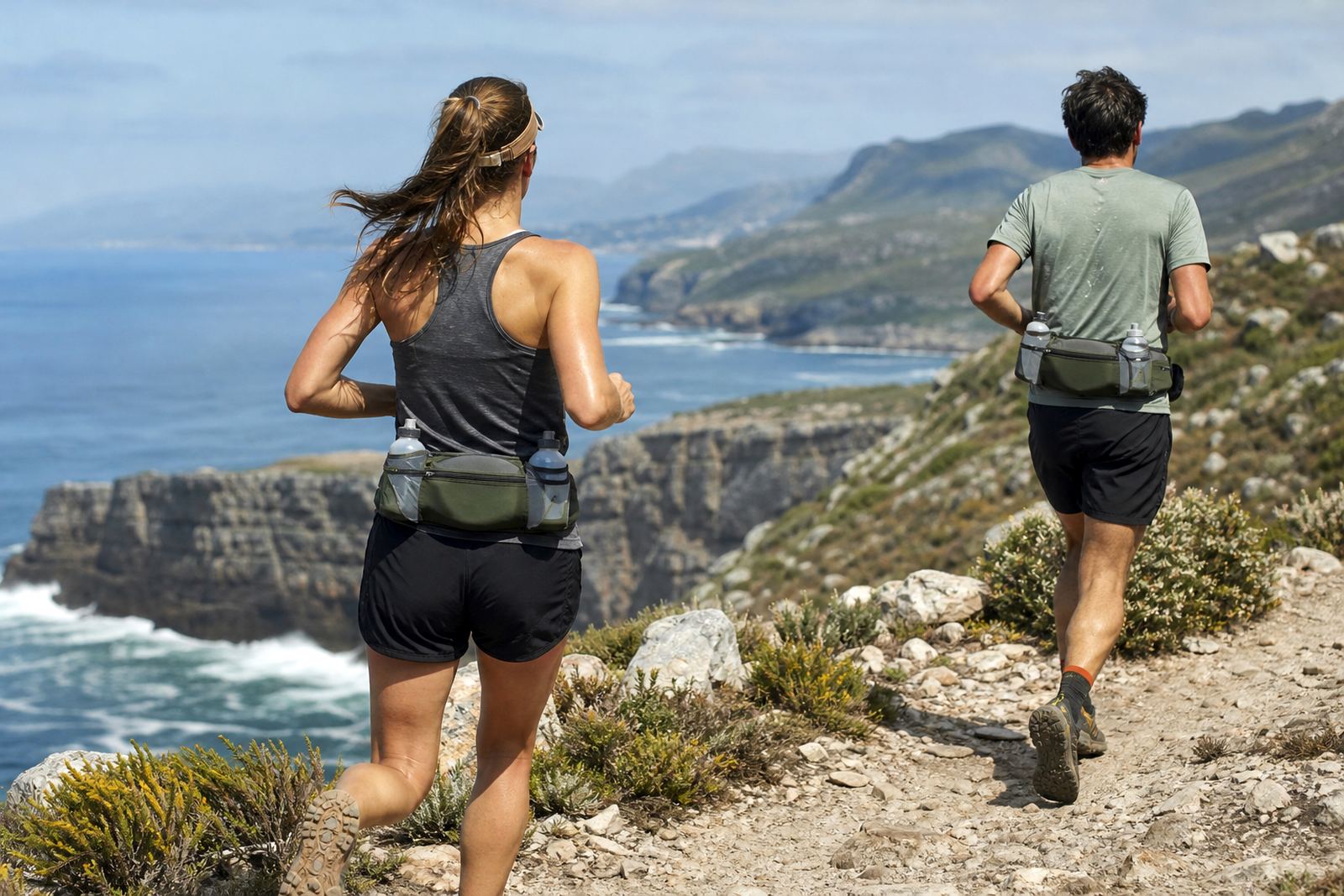
Key product details included a stretch fit, compact hydration carry and easy-reach storage. The belt layout was selected to reduce swing while keeping the contents accessible without stopping. That mattered for runners moving from cooler pre-dawn conditions into a hotter finish, because fiddling with a bulky pack at that point is the last thing anybody wants.
- Lightweight waist belt construction for steady movement
- Adjustable fit for mixed participant sizes
- Compact hydration carry for short and mid-distance running
- Space for gels, keys and race essentials
- Suitable for humid conditions and early starts
Timeline from order to race day
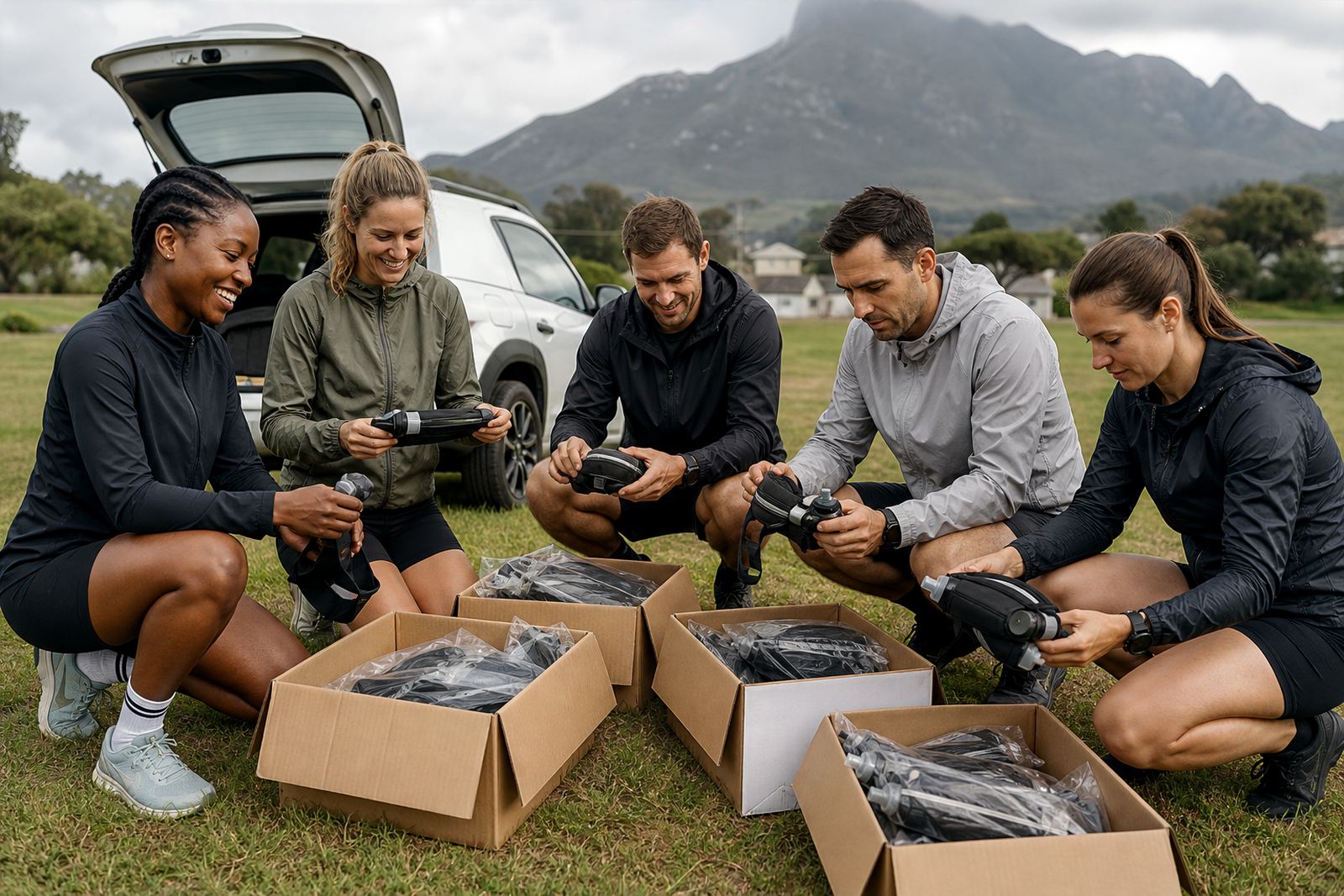
The full project ran over three weeks. Week one covered the brief, expected participant numbers and belt selection. Week two was used for sizing checks, order confirmation and dispatch planning. In week three we completed packing, sent the belts to Durban and supported the event team with fit notes and distribution guidance before race morning.
That timeline gave enough room to handle the final count and still keep the process tidy. It also allowed us to prepare a small buffer for late additions, which is often useful for race events where club members and walk-up entries can shift right up to the end.
Race-day outcome and runner feedback
The event team reported that the belts were easy to issue and quick for participants to adjust at the start. Runners appreciated the close fit and the fact that the belts did not feel heavy once they began sweating. The hydration carry helped reduce the number of runners stopping at early aid points, especially in the warmer second half of the route.
From an event management point of view, the biggest win was fewer sizing problems on the morning and less time spent dealing with loose fits or last-minute swaps. The belts held up well in salty coastal air and on a route where comfort changes fast after sunrise.
- Better fit consistency across the field
- Less bounce for runners on the move
- Simple distribution at registration and start area
- Useful hydration carry for a humid coastal course
- Lower admin pressure on race morning
What we would do again for a coastal run
If we repeated this project for another Durban event, we would keep the same approach: confirm numbers early, allow for a small buffer and keep the fit briefing short and practical. We would also recommend belt allocation by distance group, since shorter runners and longer-distance entrants tend to need different load layouts. That helps keep the belt stable and the water easy to reach without overpacking it.
For beach and coastal races, we would use the same light setup again and keep the dispatch window tight so the team can focus on the route and the runners not the kit. It is a straightforward solution when the weather is warm, the air is sticky and the start line needs to move fast.
Key facts
| Project | Durban Beach Run |
|---|---|
| Location | Durban, KwaZulu-Natal |
| Timeline | 3 weeks from brief to race day |
| Product type | Running and hydration waist belts |
| Core use | Trail, road and event-day running |
| Key features | Lightweight fit, adjustable fastening, compact hydration carry |
| Support provided | Participant sizing, dispatch coordination, event day support |
| Result | Stable carry in humid early-morning conditions |