
Trail Belt for mixed terrain and race-day carrying
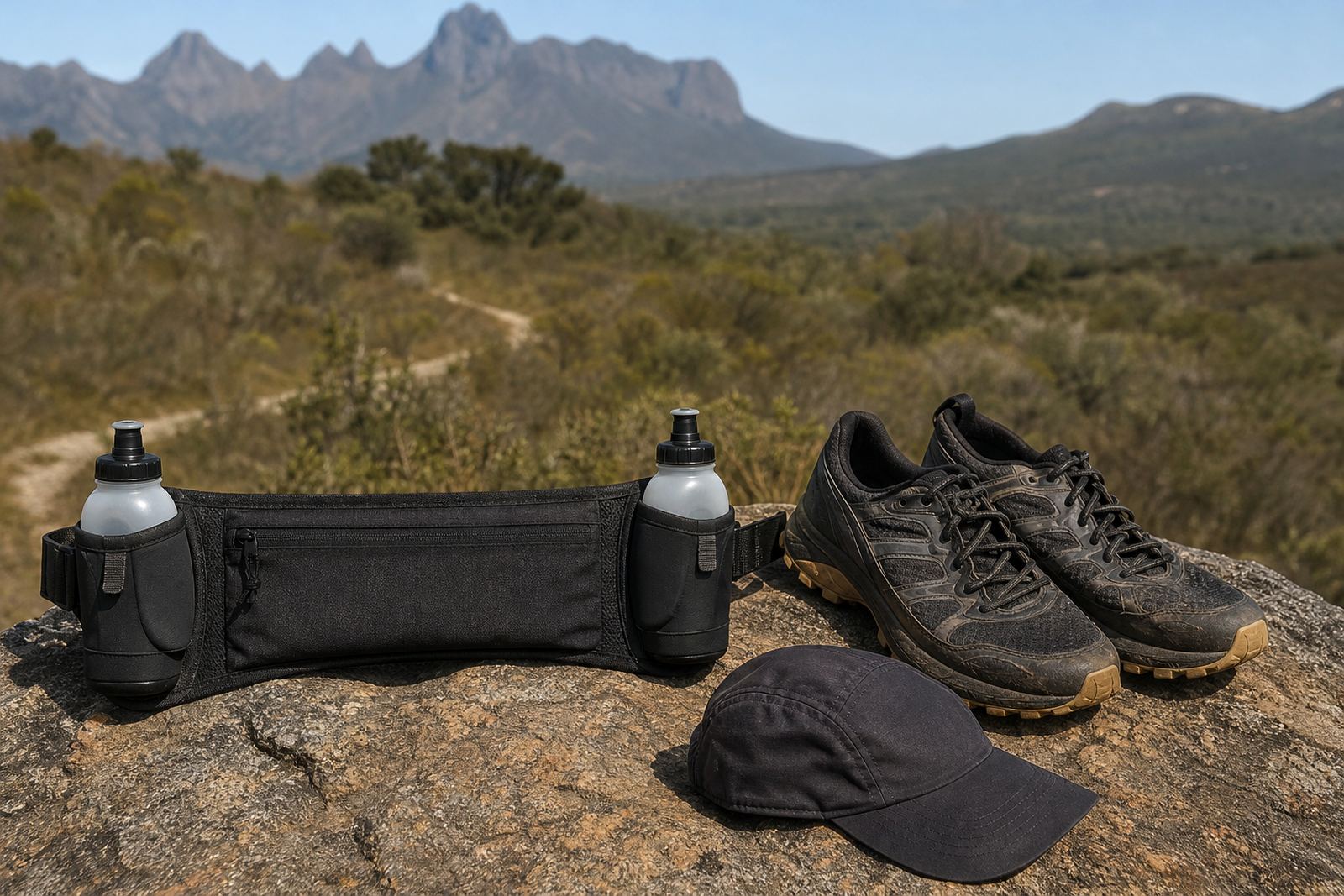
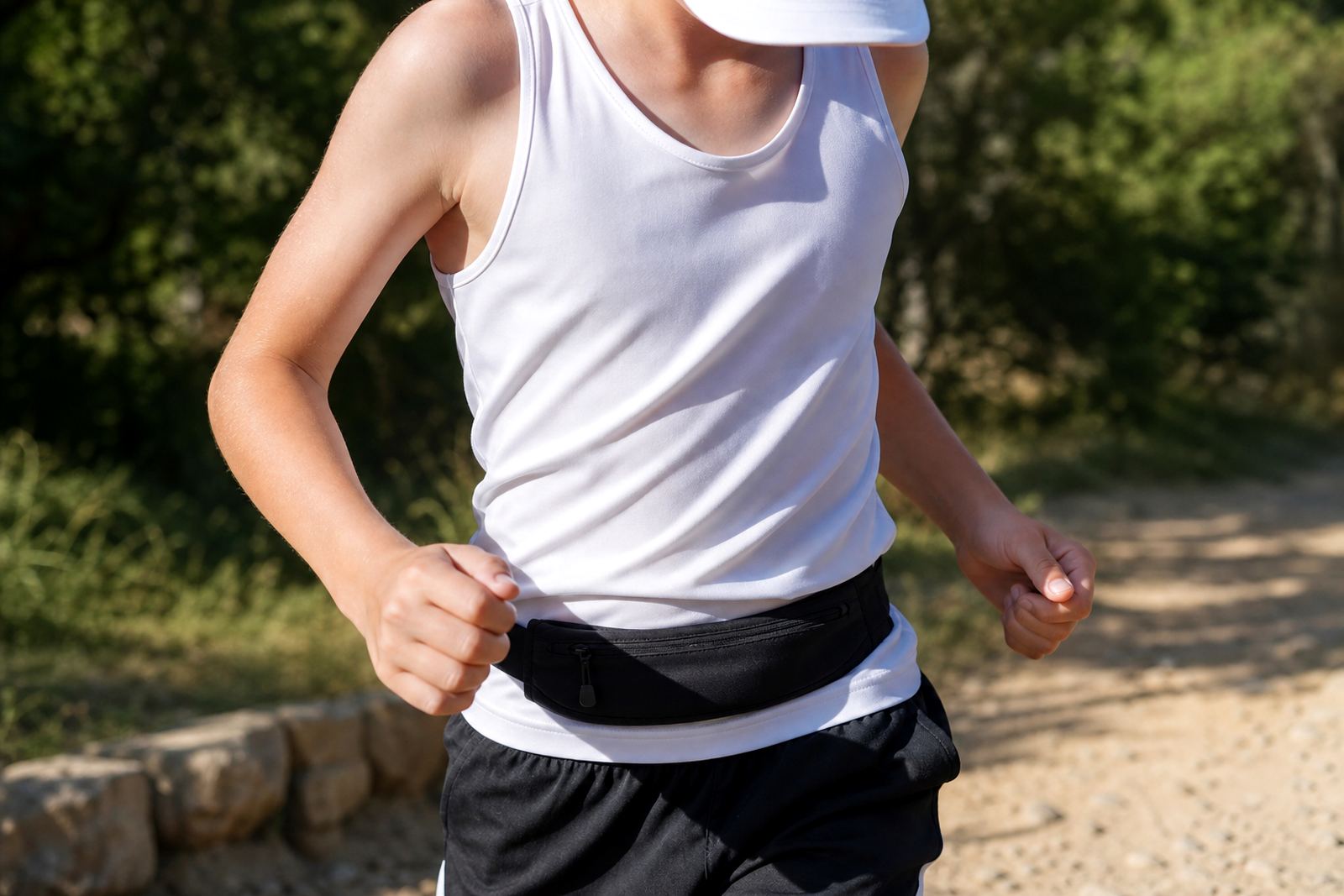
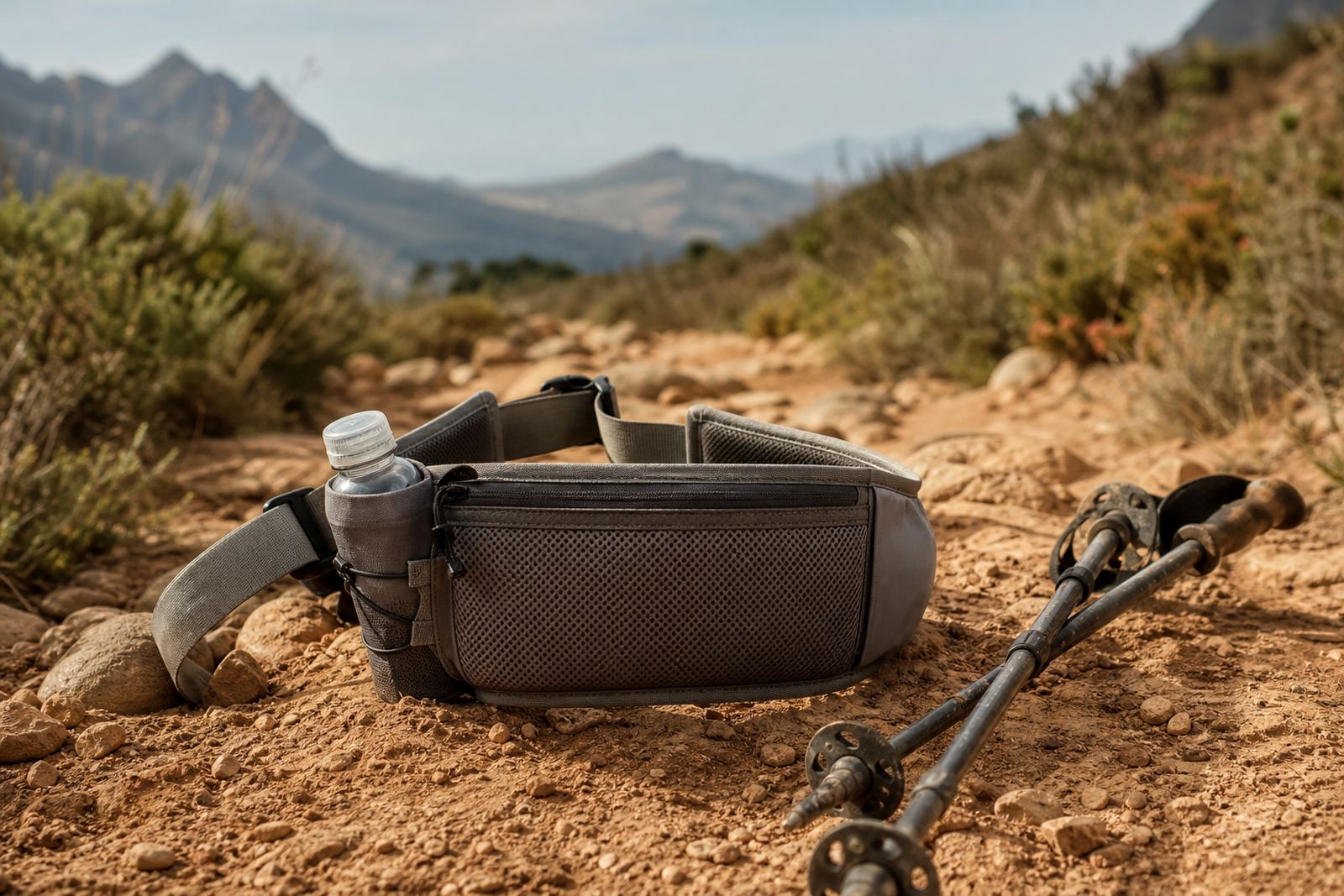
The Trail Belt is made for runners who want a lower-bounce carry option that sits close to the body. It suits trail runners, road runners and event participants who need easy access to hydration and essentials without a pack on the back. On steeper Stellenbosch climbs, jeep tracks outside George, or windy sections near Cape Town, the belt keeps weight centred and out of the way.
It is a good fit for training runs, half marathons, trail series, fun runs and club outings where you want a simple carry system with no fuss. The layout is aimed at practical use: a stable hydration position, secure pockets, and enough room for the items runners actually take out the door.
- Stable carry for uneven ground and quick direction changes
- Low profile fit for race bibs, timing chips and light layers
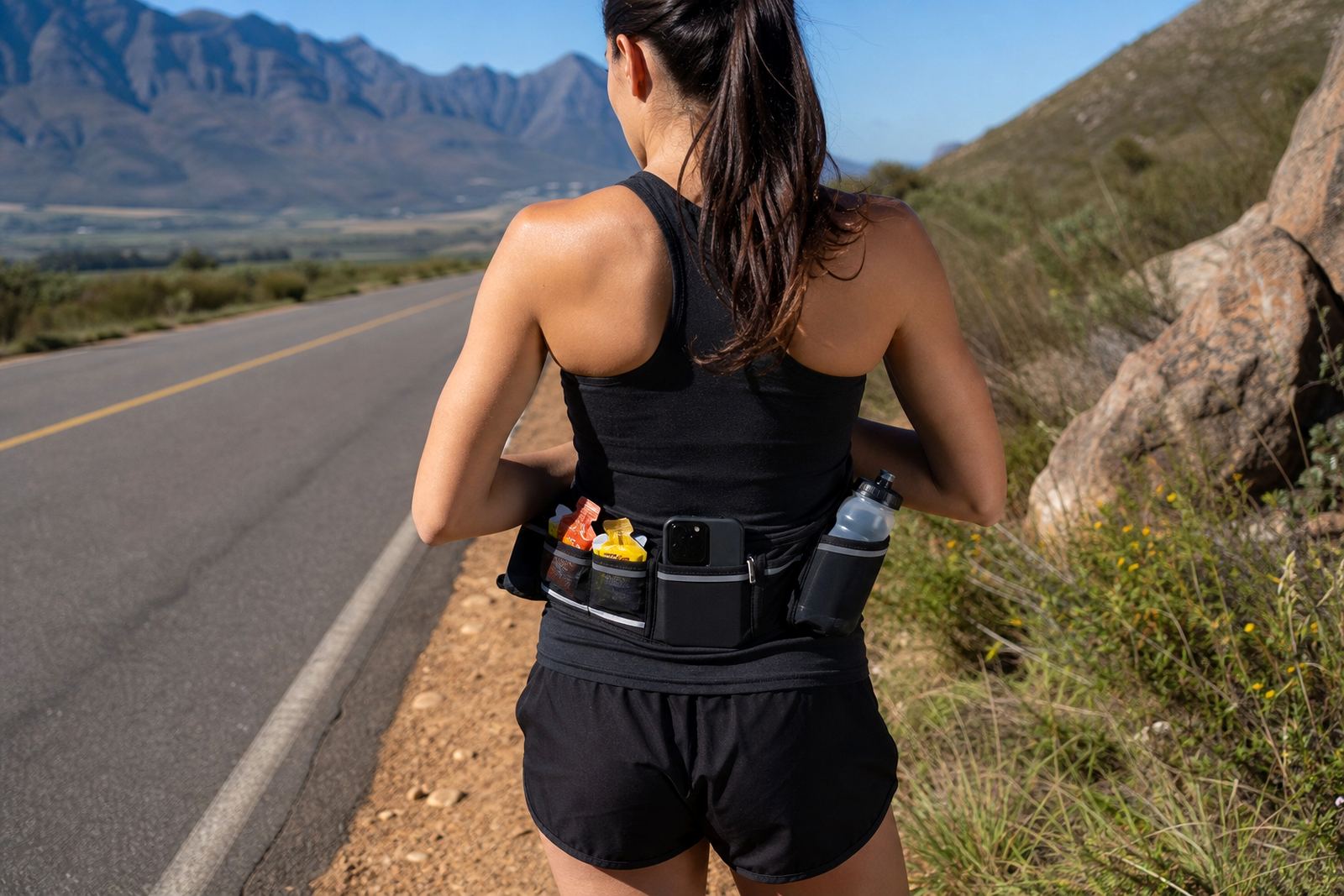
- Easy access to gels, keys, phone and small recovery items
- Suitable for solo training, club runs and event support use
Sizes, fit options and pocket layout
The Trail Belt is available in a range of sizes so it can sit firm without pinching. A good waist fit matters more than people think, especially on longer outings when a loose belt starts to bounce or slide. The belt is designed to be worn over a running top or light kit, and it can be adjusted for individual waist shape and carrying style.
Depending on the setup ordered, the belt can be supplied with one or more secure storage zones and a hydration holder that keeps the bottle or soft flask from swinging. The idea is to keep the centre of gravity balanced, especially on descents, rooty single track and sections where you need to change pace quickly.
- Multiple size options for a snug running fit
- Adjustable closure for fine tuning during training and racing
- Secure pocket space for gels, phone, ID and small valuables
- Hydration placement that helps reduce bounce and side pull
Where it suits best in South African conditions
This belt suits summer early starts, winter afternoon training and race days where support points are spaced out. In Johannesburg, where dry air and altitude can make water planning more important, the belt offers fast access to hydration without stopping. In Durban, coastal humidity means gear must stay comfortable when sweat builds up, and the Trail Belt is shaped for that kind of regular movement.
It is also useful for local events where runners may carry a phone, emergency gel and small cash, or where race organisers prefer participants to keep essentials on body rather than in hand. The belt works well for trail runs in the Western Cape, road events in Bellville or Somerset West, and longer weekend runs around Paarl and beyond.
- Trail routes with rocks, roots and short steep climbs
- Road training where a bottle and phone are enough
- Race days with bibs, gels and packeted nutrition
- Club runs and event activations where participants need light carry support
Installation, power and gas requirements
There is no installation required. The Trail Belt is ready to use once the size and carry setup have been selected, and it does not need power, charging or gas. That makes it straightforward for runners, race coordinators and clubs that need a simple item with no setup on site.
For event teams, the main planning point is fit briefing and sizing. If the belt is being supplied for a group, it helps to confirm waist ranges, expected hydration volume and whether the item will be worn over technical shirts, race vests or light jackets. For early-morning events in colder months, a slightly different fit may be needed over layered kit.
- No electrical connection needed
- No gas or fuel requirements
- Ready for immediate use after sizing
- Can be issued individually or as part of a bulk event order
Care, cleaning and ongoing service
After a dusty trail run or a wet race, the belt should be emptied and wiped down soon after use. Sweat, salt and fine dust can shorten the life of zips, stitching and elastic if they are left sitting in the fabric for days. In coastal towns such as George and Durban, a light rinse and full air-dry helps keep the belt in good condition.
Avoid high heat drying, harsh detergents and leaving the belt in direct sun on a car seat for long periods. If the belt is used often for club training or event support, check the pocket seams, fasteners and hydration hold every few weeks. Small issues are easier to sort out early than after a full race calendar has started. Some runners keep one belt for training and another for race days, which can make the gear last longer and keeps the race kit looking tidy.
- Wipe out dust and sweat after use
- Air-dry in the shade before storage
- Check seams, elastic and closures regularly
- Store flat or loosely rolled, not crushed under other kit
What to confirm before placing an order
Before ordering, it helps to decide how the belt will be used and who will wear it. A club order for road runners may need a different fit profile from a trail event pack, and a crew belt kit may need extra carrying space for support items. If the belt is for participants, size spread and hydration preferences should be checked first so the supply matches the field.
For event planners and club coordinators, the key details are simple: quantity, size range, intended use, and whether the order is for repeat supply or a once-off race. If you are planning a custom colour run, race pack insert, or bulk participant issue, confirm branding positions and packing needs early so dispatch can be arranged cleanly. It saves time and avoids last-minute reshuffling, which is never fun on a Friday afternoon.
- Confirm intended use: trail, road, race or club support
- Check waist sizes and fit preferences for all users
- Decide whether hydration capacity or storage is the priority
- Advise on colour requirements, quantities and delivery timing
Key facts
| Product type | Running and hydration waist belt |
|---|---|
| Use | Trail running, road running, race events and club training |
| Carry features | Secure pockets and stable hydration placement |
| Fit | Adjustable, with size options for a close running fit |
| Power or gas | None required |
| Care | Wipe clean, air-dry in shade, check seams and closures regularly |