
What Participant Belts Do on Race Day
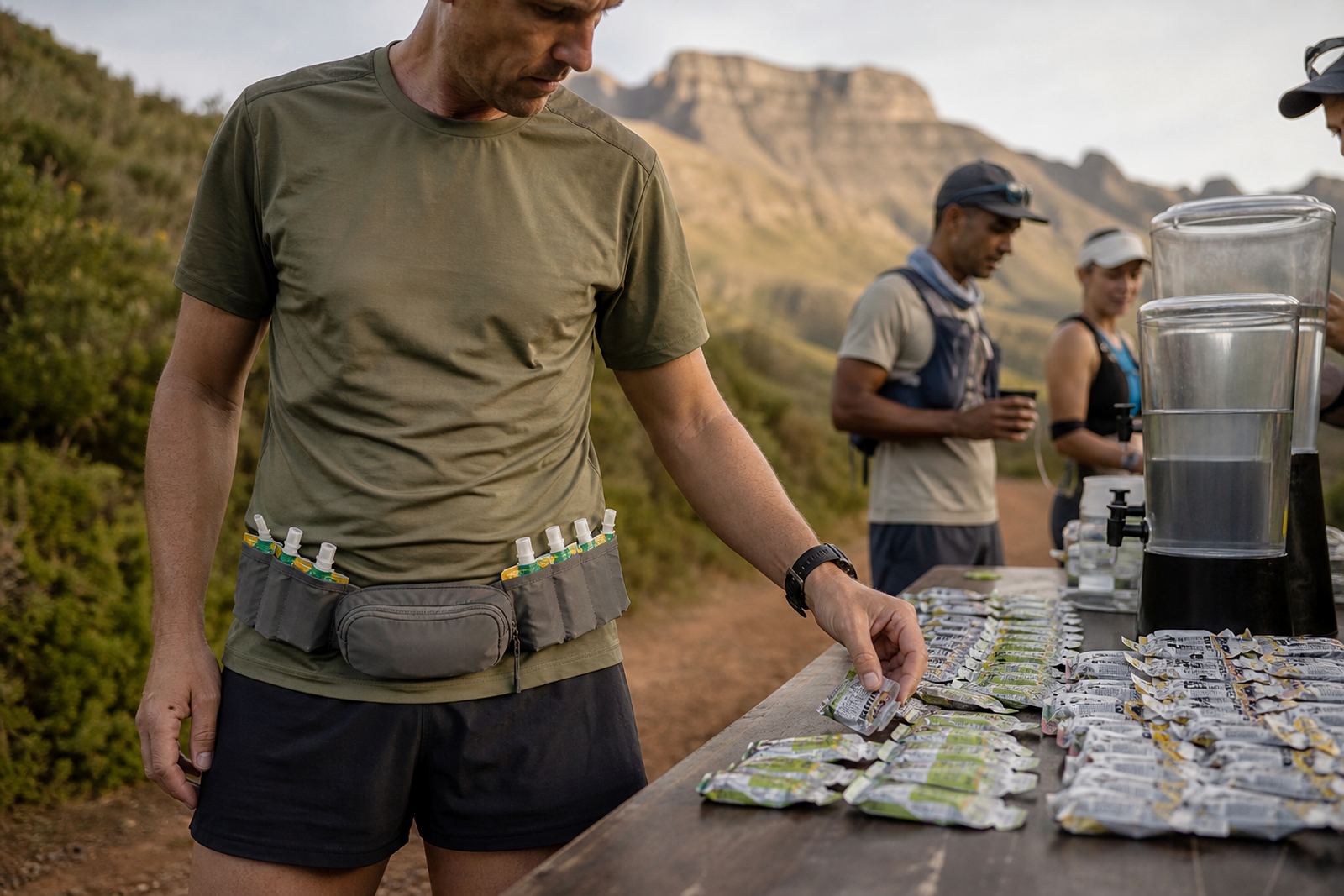
Participant belts are lightweight running waist belts that keep small essentials secure while runners move freely. They are used for race packs, hydration bottles, gels, keys and other basics that need to stay close, especially when the field is spread out and aid stations are busy.
For event organisers and clubs, they are a practical option because they reduce the need for bulky carry bags and help participants keep pace without stopping to sort gear. The fit matters, because a belt that sits right on the hips feels steadier over 5 km, 10 km, half marathons and trail routes alike.
- Suitable for race entries, club events and training groups
- Helps carry hydration, fuel and small personal items
- Designed for movement, not for day bags or heavy loads
- Useful for road races, trail runs and fun runs
Sizes, Fit Options and Carry Layout
We prepare participant belts in sizes that suit mixed groups, from smaller runners to larger waists and layered winter kit. A good belt should sit snugly but not pinch, with enough stretch to stay comfortable on climbs, turns and downhills. For events in the Western Cape winter or early morning starts in Johannesburg, it helps if the fit still works over a light top or rain layer.
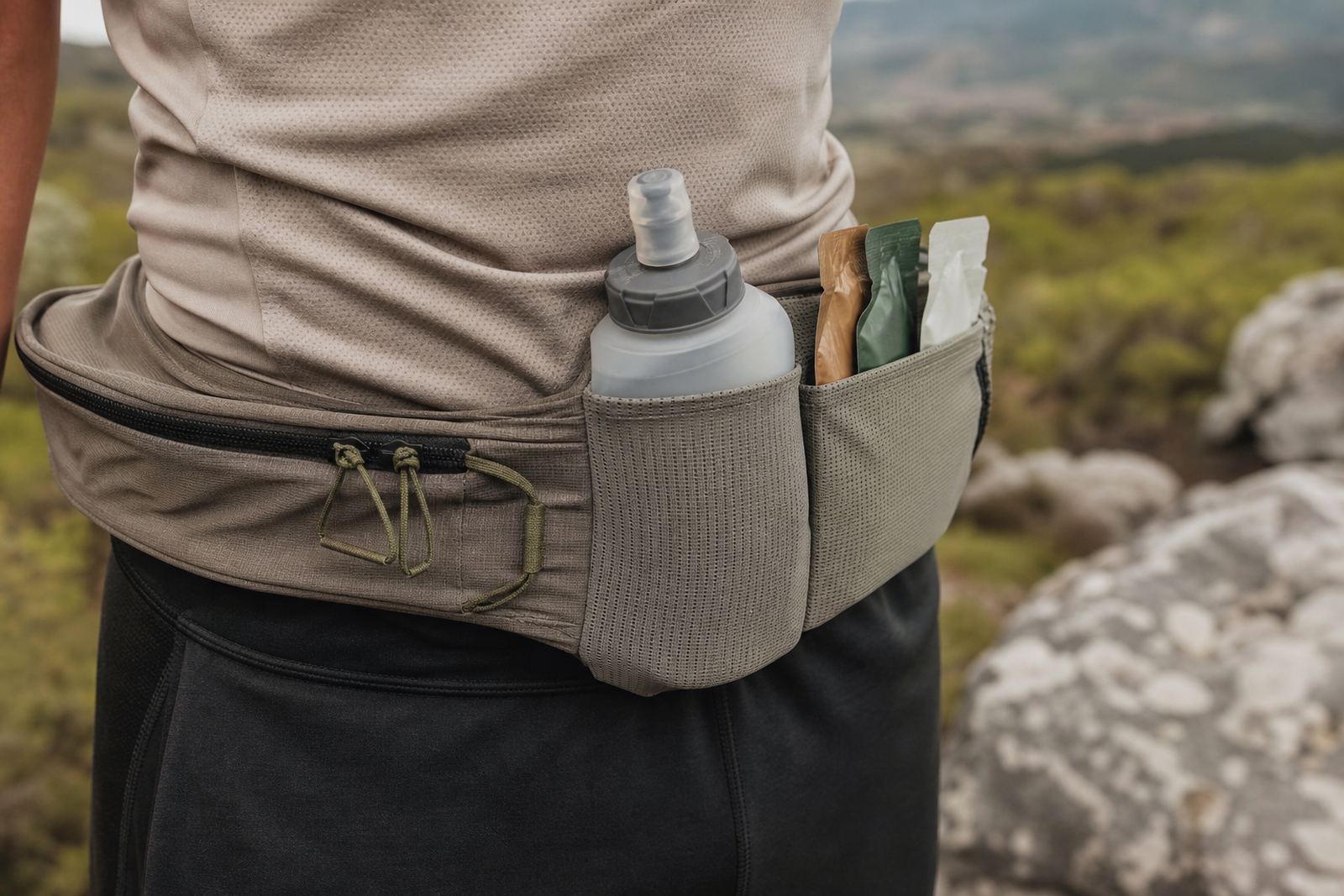
Carry layout can be matched to the event need. Some groups want one bottle pocket and a simple zip section, while others need room for gels, a key clip and a race number safety pin set. If your runners are carrying a soft flask, the placement has to be checked carefully so it does not swing on the run.
- Common fit range: small, medium and large options
- Stretch or adjustable closure for a stable fit
- Single-bottle or dual-pocket carry layouts available
- Can be matched to club colours or event colours
Best Use for Clubs, Race Events and Training Groups
Participant belts suit organised runs where many runners need the same kit and a quick handout process. They are often ordered for club events, trail races, road races, charity runs and staged training days where a clean, consistent look helps at registration and on the start line. For coastal venues in Durban or George, the belt material should also handle humidity without feeling stiff the next morning.
They are a good fit for participants who want a simple carry solution and do not need a full vest. That makes them easier to issue in bulk, easier to explain at registration and easier to manage for repeat events. For a race with a lot of first time runners, the simpler setup usually works better.
- Road races and trail events
- Club time trials and weekend runs
- Corporate fun runs and charity events
- Race packs for recurring event calendars
What to Check Before You Place a Bulk Order
Before ordering, confirm your participant count, sizing spread and how the belts will be used. If the field includes a wide range of body shapes or age groups, it is worth planning extra size spread so the fit does not become an issue on collection day. Also check whether runners will carry only keys and gels, or if you want enough room for a soft flask and small nutrition packet.
We also recommend checking the event surface and distance. A trail route with steep sections and loose gravel may need a tighter, more stable carry setup, while a flat road route can allow a lighter belt. If you are planning custom colours, include your final artwork early, because the lead time is often tighter when a date is already fixed. One small delay can affect the whole dispatch schedule, so its better to lock details early.
- Runner count and size split
- Carry needs: water, gels, keys, bibs or simple storage
- Colour choices and event branding requirements
- Lead time before race day and dispatch destination
Care, Cleaning and Simple Servicing
Participant belts are easy to keep in service if they are rinsed after sweaty training or dusty trail use. In coastal areas, a quick wash helps remove salt and keeps the elastic and stitching in better condition. After cleaning, let the belt dry fully before packing it away, especially during wet Cape Town winters when gear can stay damp for longer than expected.
Check the stitching, fasteners and pocket stretch before each event batch goes out. If a belt has lost its hold or a closure is not sitting properly, it should be set aside rather than handed out at registration. For event crews that reuse belts between race weekends, simple inspection goes a long way.
- Rinse after use and dry in shade
- Do not store damp belts in sealed boxes
- Inspect fasteners, seams and stretch before reuse
- Keep away from sharp race pack contents that can snag fabric
How We Prepare Participant Belts for Dispatch
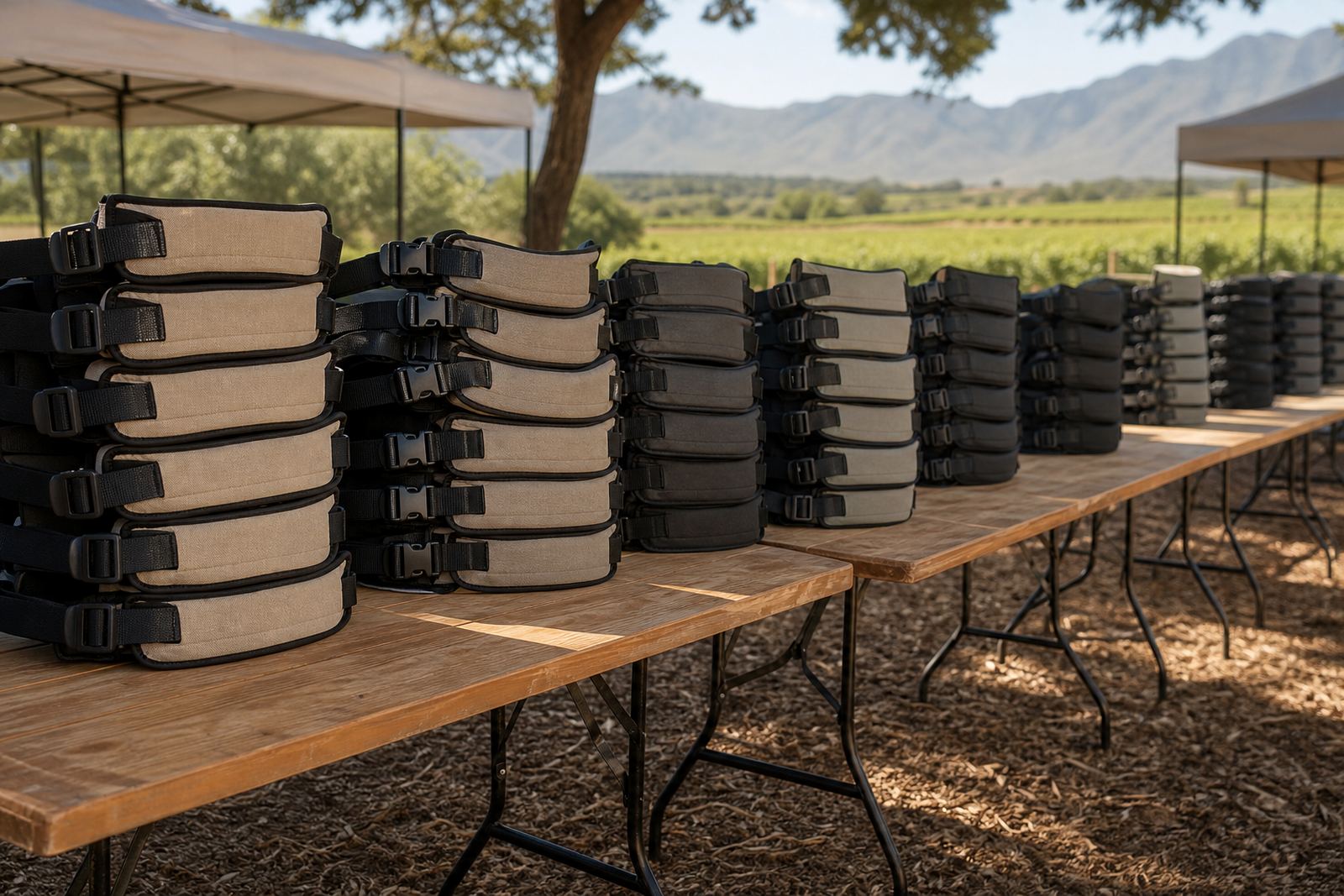
From our Stellenbosch base, we plan bulk order packing, size sorting and dispatch coordination for events across South Africa. Participant belts can be grouped by size, label set and colour batch so registration teams can hand them out quickly. For larger races, we can also work with event pack timing so the belts arrive together with the rest of the participant materials.
No power or gas is needed for the product itself. For organisers, that makes the process simple on site because the belts are ready to issue straight from the box. If your event has limited storage or a tight set-up window, we can plan the delivery in a way that suits your load-shedding schedule and the access rules at the venue. It keeps the handover practical and reduces last-minute sorting.
- Bulk packing by size or participant group
- Dispatch support to Cape Town, Stellenbosch, Johannesburg, Durban and George
- Can be aligned with race pack inserts and event day issue
- Useful where setup time is short and storage space is limited
Key facts
| Product type | Running and hydration waist belt for participants |
|---|---|
| Best for | Race entrants, club runners, trail runners and event groups |
| Carry options | Hydration bottle, soft flask, gels, keys and small essentials |
| Sizing | Small, medium and large options with adjustable fit |
| Use range | Road races, trail events, fun runs and training days |
| Order format | Bulk supply with size planning and dispatch coordination |