
A simple belt for everyday runs
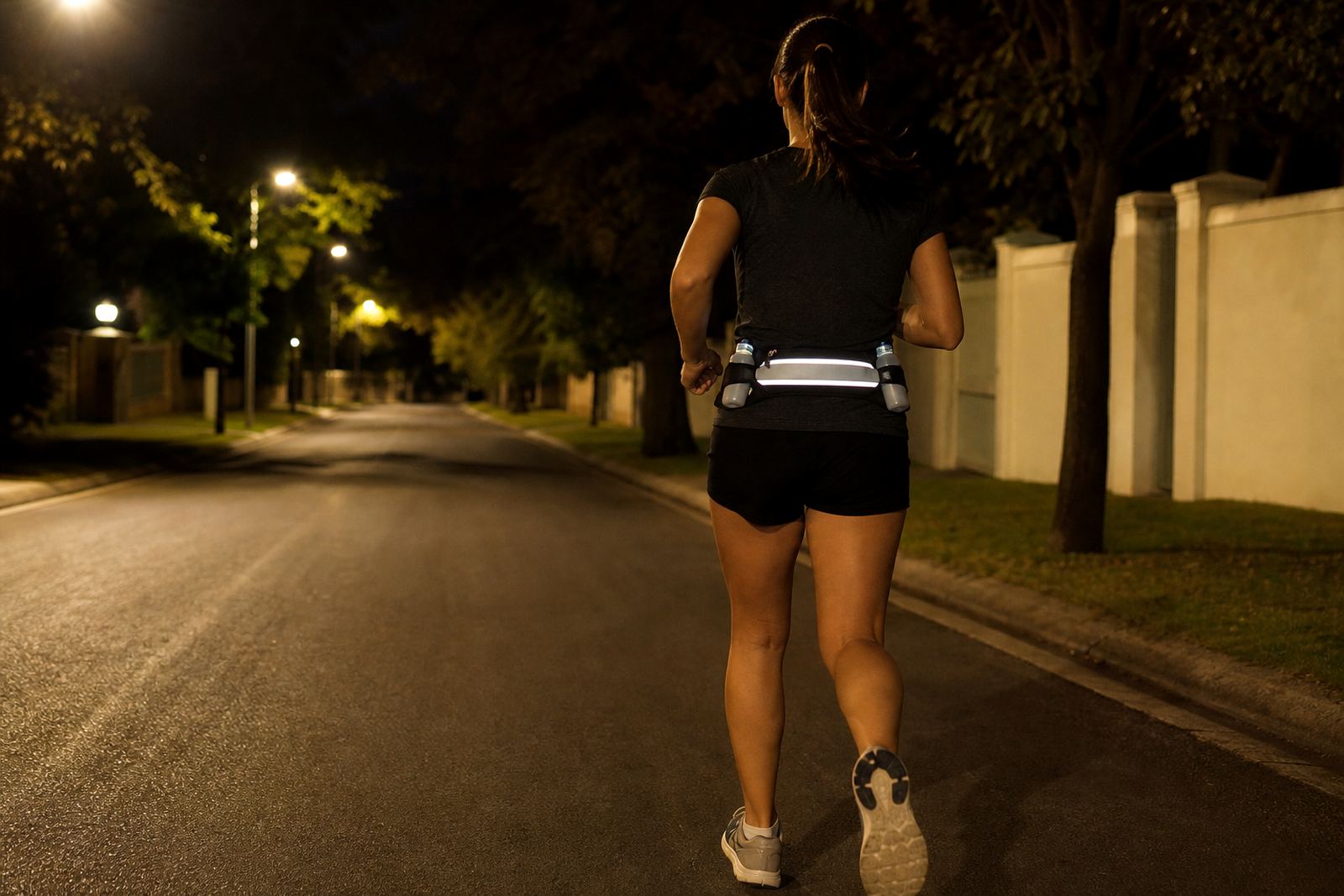
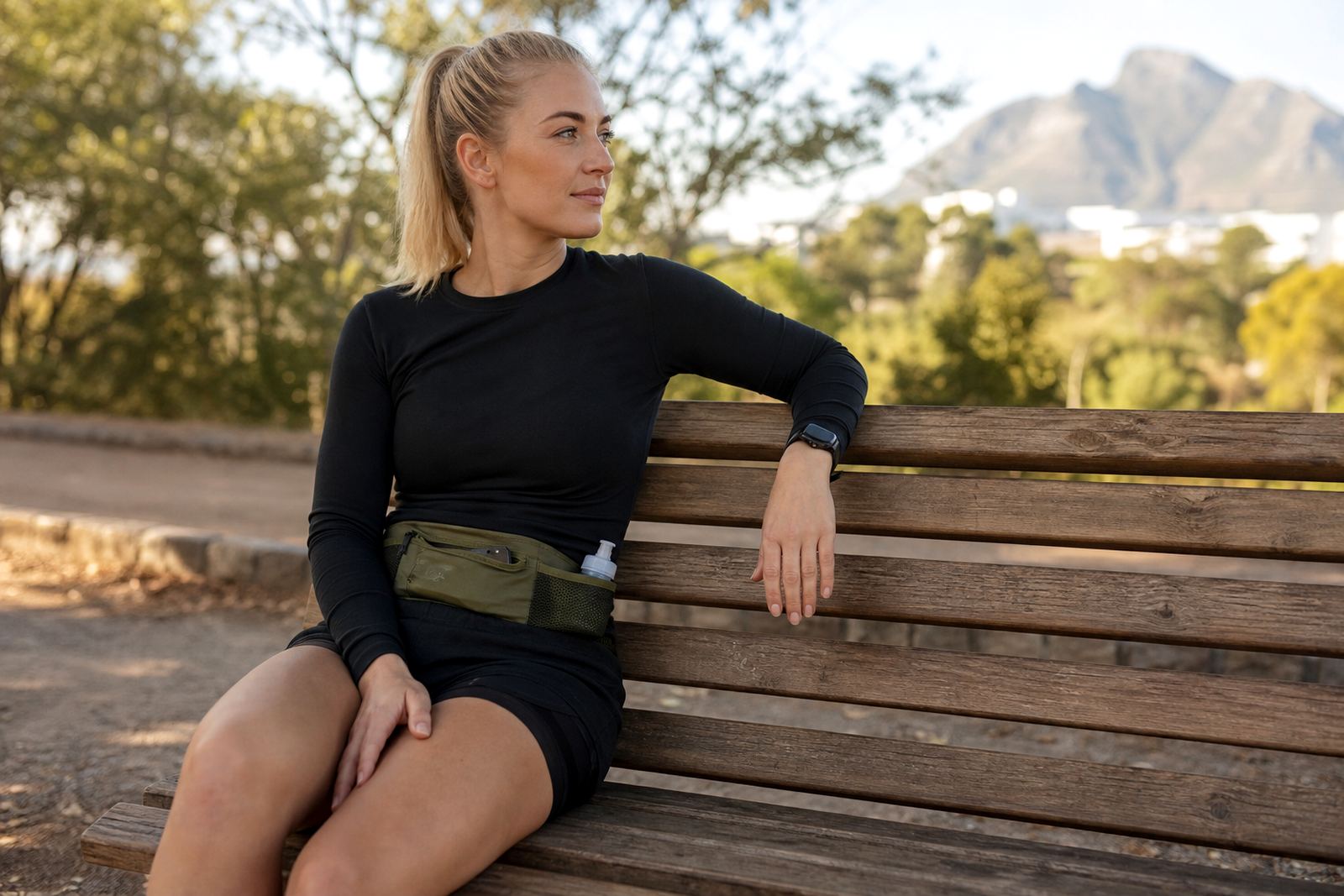
The Entry Run Belt is made for runners who want a straightforward way to carry keys, a phone, a soft flask and a few small essentials. It sits low and close to the body, so it does not bounce about on shorter runs or easy training days. For many first time buyers, that steady fit is more useful than a large pack that feels overbuilt.
This belt suits casual joggers, new race participants and club members who prefer a light carry option for local routes. It is a practical choice for early morning runs in Stellenbosch, windy coastal routes in Cape Town, and flat training loops in Durban where you want access to water without wearing a full vest.
Sizes, fit and belt options
The Entry Run Belt is supplied in a range of waist sizes so runners can choose a close fit rather than pulling the strap tight to make up for the wrong size. A snug fit matters because it keeps the belt stable when you turn, climb, or pick up pace near the end of a run.
Most buyers choose the belt based on their waist measurement, then decide how much room they want for winter layers or race day kit. If you run in cold months around Johannesburg, you may need a little extra adjustment for a base layer. If you run in warm coastal areas, a firmer fit often works better.
- Adjustable strap for a close fit
- Low profile shape for short and mid distance runs
- Suitable for men and women
- Works with light clothing or a thin winter layer
What it carries on the road or trail
This belt is best for the essentials only. That makes it a good match for runners who do not want pockets full of loose items or a backpack shifting on the move. It keeps what you need within easy reach, especially on training routes where you stop at gates, water points or parking areas.
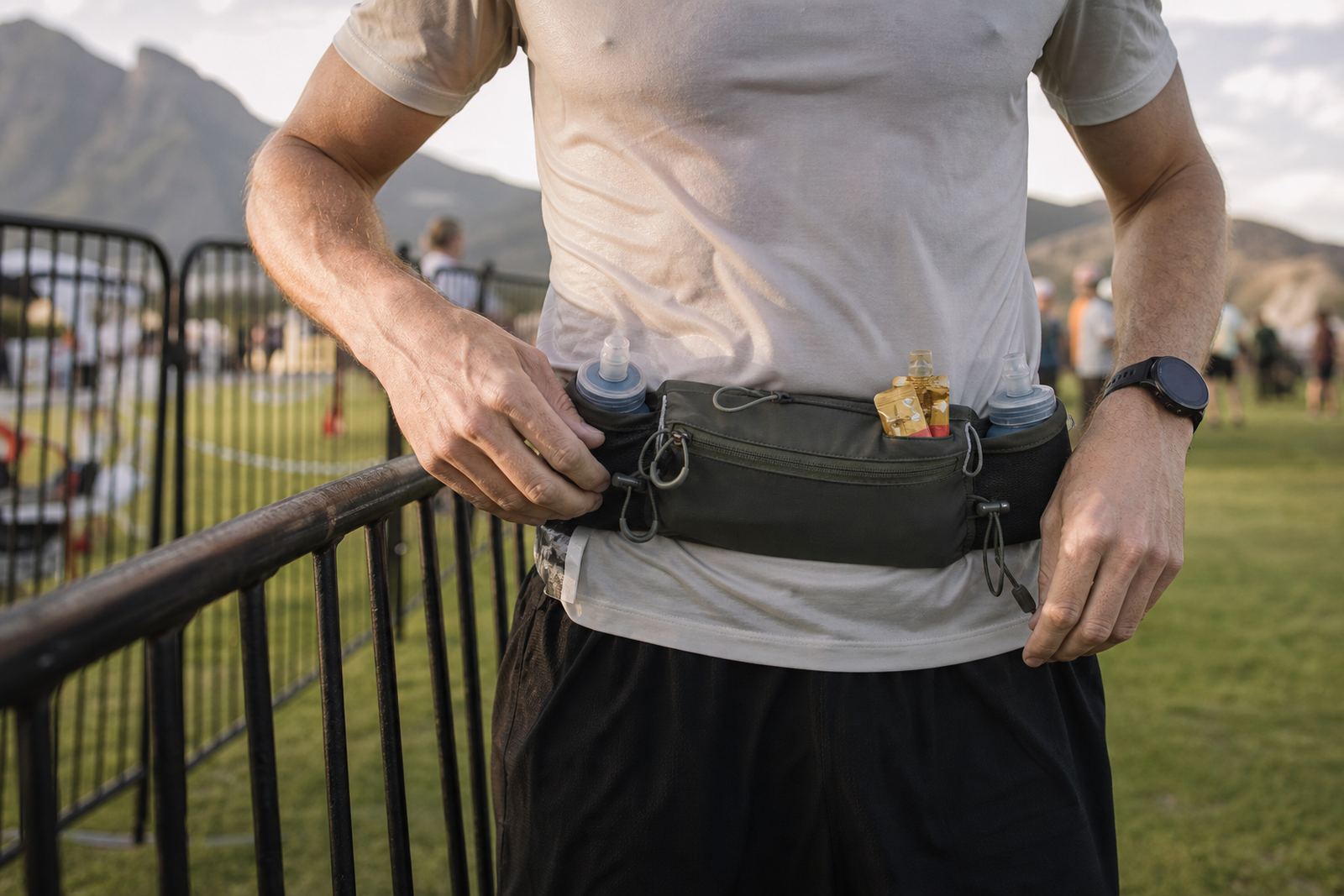
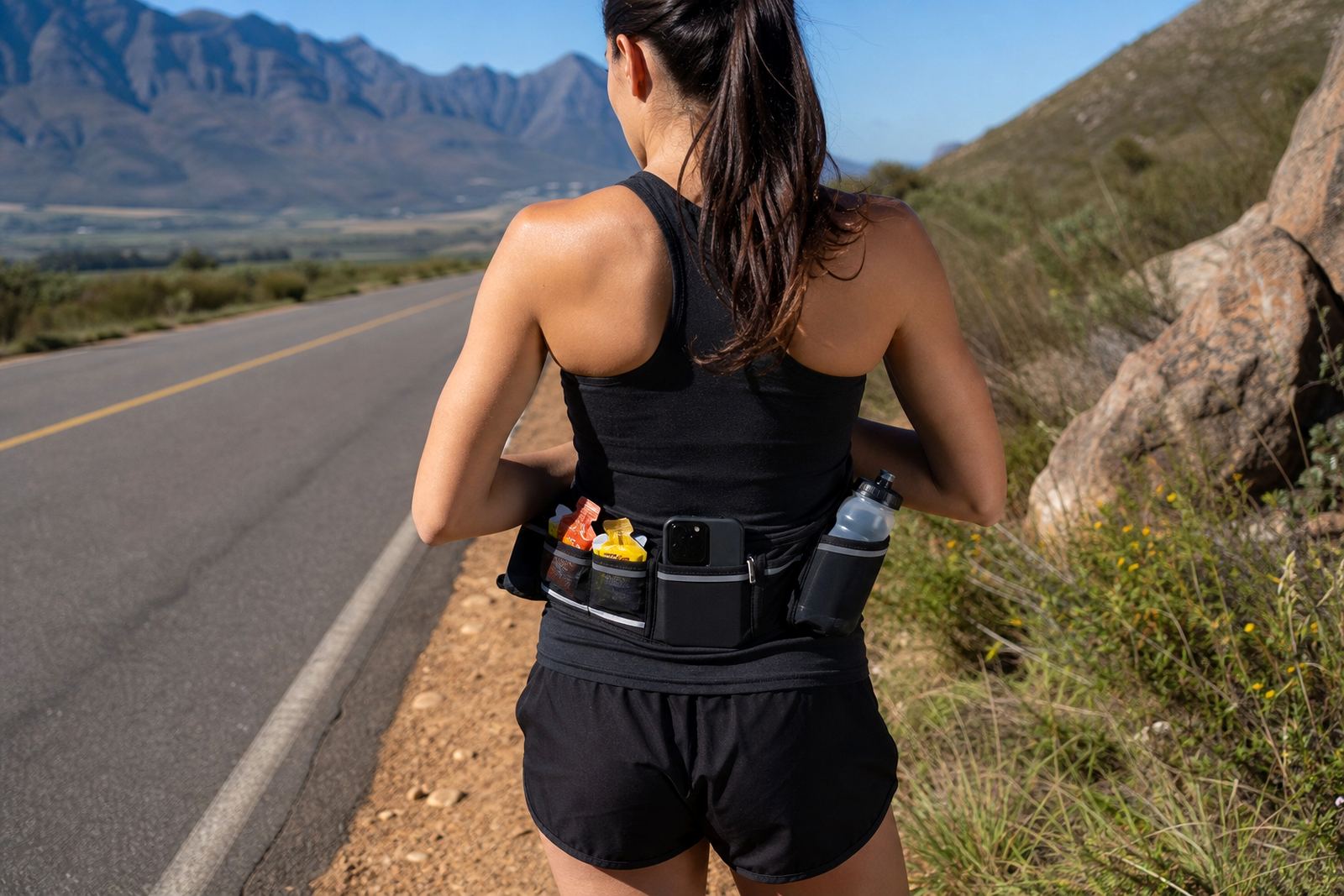
Depending on the layout you choose, the belt can carry a phone, gels, soft flask, ID, lip balm, keys and a bank card. Some runners also use it for race bib pins or a small light item of nutrition on longer community runs. The belt is not meant for heavy load carry, and that is part of what keeps it comfortable.
- Phone storage for most standard sizes
- One or more small pockets for keys and cards
- Space for a soft flask or compact hydration bottle
- Optional carry for gels and race day extras
Where the Entry Run Belt works best
The Entry Run Belt suits routes where you want quick access and a calm fit. It is useful for everyday road runs, parkrun mornings, light trail loops and race warm-ups. For trail runners, it works well on shorter outings where the aim is to keep things simple and avoid carrying more than needed.
It is also a sensible option for event participants who want a low fuss belt for race day pack-in, local club runs or training around municipal parks and sports grounds. In areas with variable weather, especially coastal humidity in George or summer heat in Durban, a lighter carry can make the run feel easier from the first kilometre.
- Short road runs and weekday training
- Park loops and local neighbourhood routes
- Beginner trail sessions
- Race day warm-up and event participation
Setup, adjustments and practical use
The belt needs no power, gas or charging. It is a manual carry item, so setup is simply a matter of adjusting the strap, loading the pockets and checking that the fit is firm before you leave. Runners should test it with the exact items they plan to carry, because a phone in a thick cover or a full soft flask changes the feel of the belt.
For best results, put heavier items in the centre or closest pocket, then balance the rest around it. If you are planning a race in Cape Town or Stellenbosch, check that the belt stays secure when you jog, stride out and take corners. A small adjustment before the start can save you a lot of fuss halfway through the run.
Care, cleaning and servicing
After use, let the belt dry fully before storing it, especially after wet weather, sweat or trail dust. In coastal towns, salt air can leave a fine film on synthetic materials, so a light wipe down now and again helps keep the fabric and fasteners in good order. If you have run in muddy areas, rinse the belt with clean water and air dry it out of direct heat.
Do not leave it packed with damp items in a car boot for days, because trapped moisture shortens the life of the materials. Check the strap, buckle and stitching now and then, particularly if the belt is used often by a club or a household of runners. A quick service check before race season is usually enough for this type of product.
- Hand wash with mild soap
- Air dry only, away from direct sun where possible
- Check stitching, buckle tension and pocket wear
- Store dry and flat between runs
What to check before you order
When ordering the Entry Run Belt, start with your waist measurement and think about what you really carry on a normal run. If you only need a phone and keys, a compact layout is usually enough. If you want a soft flask or gels as well, ask for a pocket arrangement that holds those items securely without crowding the belt.
It also helps to consider your usual route and the weather where you train. Runners in Johannesburg may want a fit that works over a light layer in winter, while runners in Stellenbosch or Somerset West may prefer something cooler for warm mornings. If you are ordering for a club, race or event group, confirm sizes, quantities and any custom colour needs before dispatch so everything lands in one go and on time. That saves back and forth later on and keeps the order tidy.
- Your waist size and preferred adjustment room
- Items to be carried on each run
- Single use or group order quantities
- Any event, club or colour requirements
Key facts
| Product type | Starter running and hydration waist belt |
|---|---|
| Carry style | Low profile, close fit |
| Best use | Casual jogging, short road runs, light trail sessions |
| Carry capacity | Phone, keys, cards, gels and a soft flask |
| Adjustment | Multiple waist sizes with adjustable strap |
| Care | Hand wash and air dry |