Why participant sizing matters on race day
A waist belt that sits too loose will bounce, twist and rub. One that is too tight can pinch at the front, sit high on the stomach or feel heavy once bottles, gels and keys are loaded. For trail runners and road runners alike, the right fit makes a clear difference over 10 km, half marathon and ultra distances.
Our participant sizing service is built for mixed groups, from club training packs to large event fields across Stellenbosch, Cape Town, Johannesburg, Durban and George. We help you plan for men and women, junior and adult entries, and participants who prefer a snug racing fit or a little extra room for breathing and movement in warm weather.
We also factor in local conditions. Coastal humidity in Cape Town and Durban can make a belt feel tighter once the body warms up, while inland races in Johannesburg and the Highveld often need a firmer fit because participants layer up in the early morning. A good sizing plan helps avoid unnecessary exchanges and keeps event packs moving smoothly.
- Improves comfort for varied body shapes and sizes
- Reduces bounce on trails, tar and mixed terrain
- Helps with correct pocket and bottle placement
- Supports smoother issue at registration or pack pickup
What is included in the sizing service
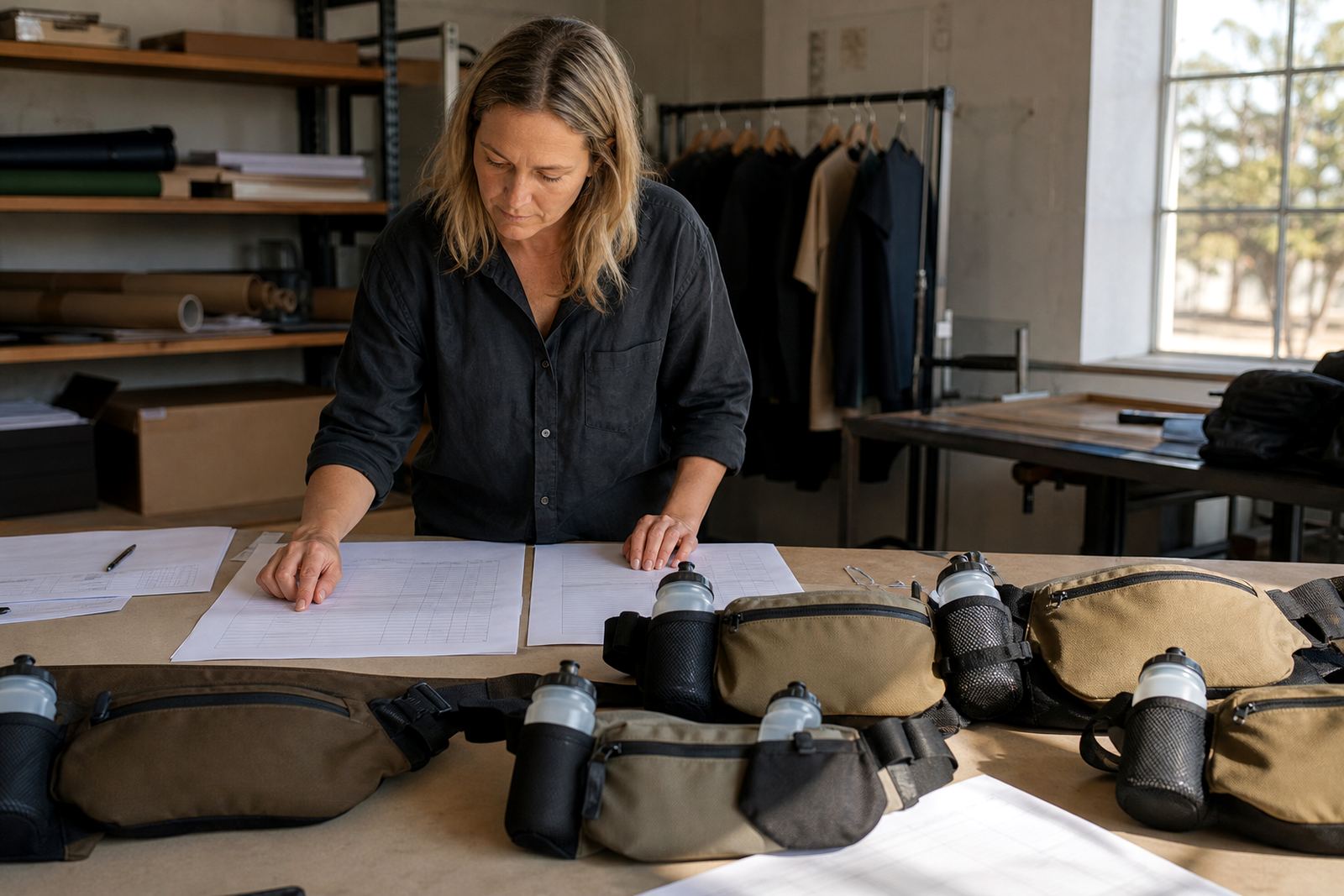
We start with the type of event, expected participant numbers and the items each belt must carry. Then we match the belt format to the use case, whether that is a slim race belt for one soft flask and a gel pocket, or a wider hydration belt with extra storage for longer trail events. If you are ordering for a club or race, we can help you split quantities across sizes before the final order is placed.
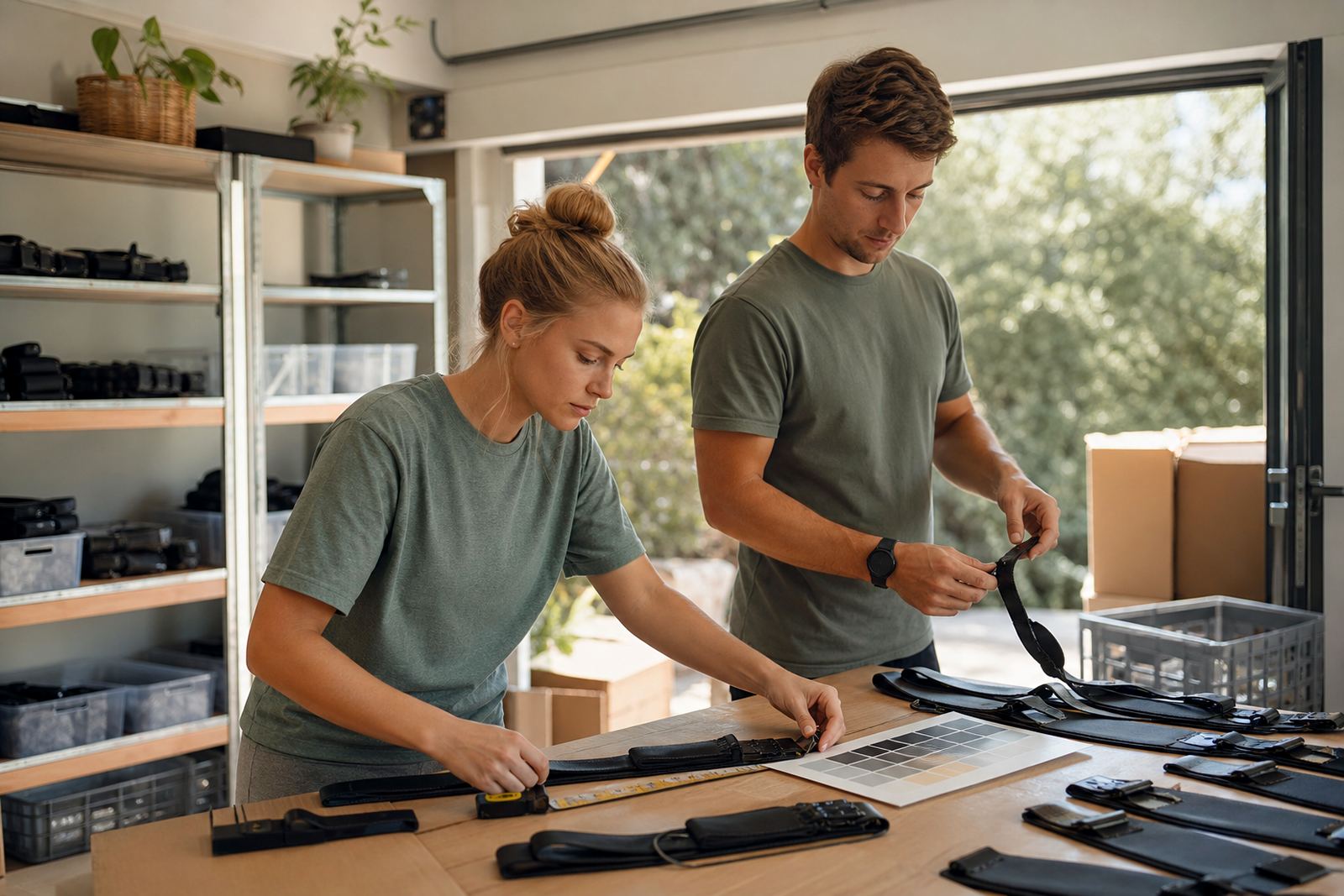
Our sizing guidance covers practical fit, not guesswork. We work with waist measurement bands, recommended stretch allowance and load placement so participants can move without the belt riding up. For many events we suggest a simple size spread based on waist measurements in centimetres, then refine it using the race profile and expected clothing layers.
- Size range planning for small and large participant groups
- Fit guidance based on waist measurement and belt stretch
- Advice on pocket load, bottle position and bounce control
- Support for special groups, including youth packs and team kits
How the sizing process works from first enquiry to dispatch
Once you send an enquiry through the contact page, we review your event details and ask for the participant numbers, age mix, gender split if known, and the belt style you want to use. If you already have historic entry data, that helps us build a more accurate size mix. If not, we can still work from standard race-day assumptions and your route profile.
Next we prepare a practical size recommendation. For many group orders we suggest measuring a sample of participants at club training, expo collection or kit distribution, then using that sample to set the final size split. This is especially useful when the field includes road runners, trail runners and walkers in the same event, because the fit preference can differ quite a bit.
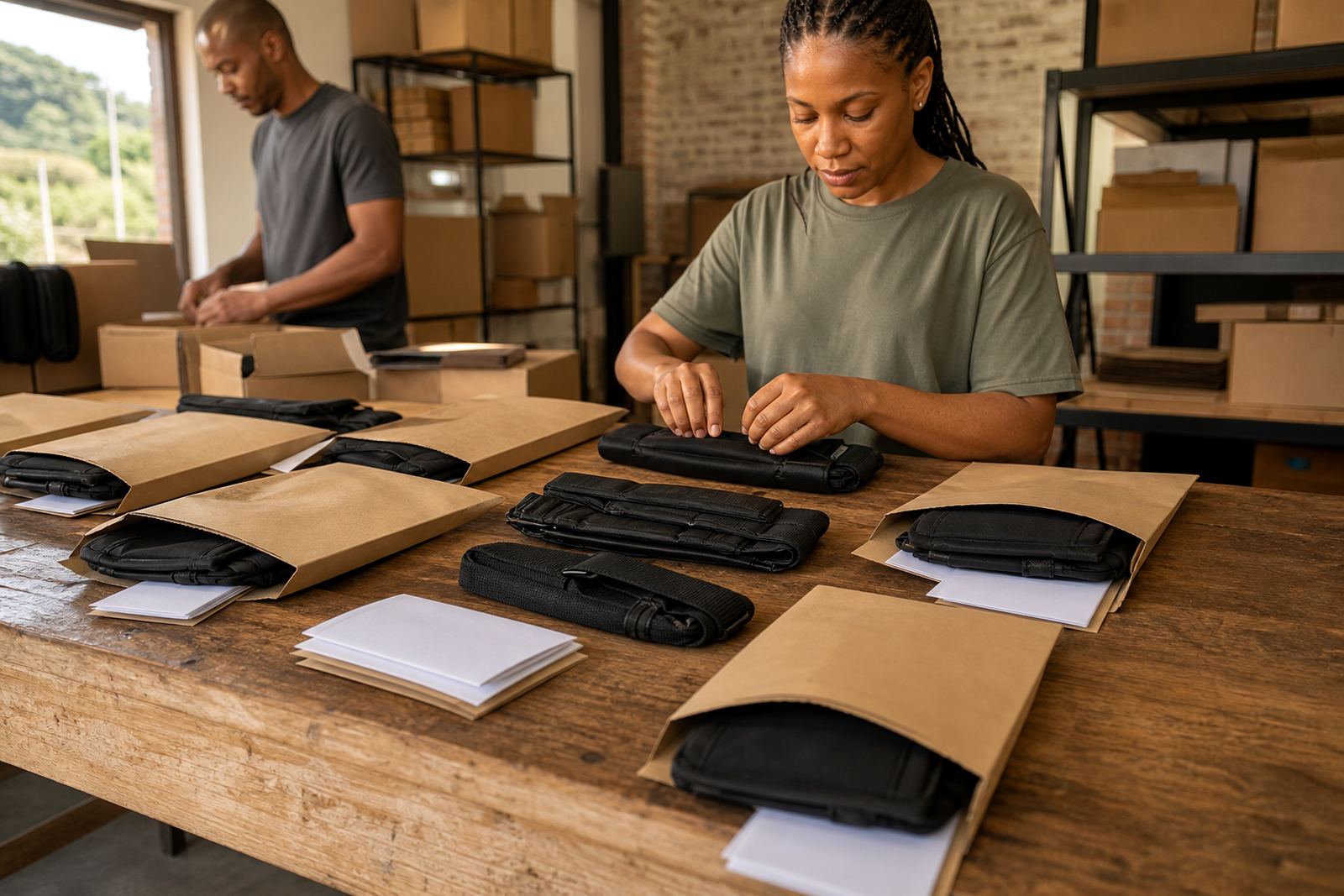
After the sizing plan is confirmed, we move into order setup, pack labelling and dispatch coordination. Where needed, we can also brief your team on how to hand out belts and check fit quickly at collection tables. That saves time on event day and cuts down on back-and-forth exchanges.
- Step 1: Share event details and expected numbers
- Step 2: Receive sizing guidance and recommended split
- Step 3: Confirm order quantities and delivery schedule
- Step 4: Pack, label and dispatch to your site or event venue
Fit specs we use for practical sizing
We keep the sizing approach grounded in actual use. A race belt should sit flat across the hips or lower waist, with enough tension to stay put but not so much that it digs in when the participant drinks, climbs or runs downhill. For hydration belts, we also check how bottle weight changes the fit once filled.
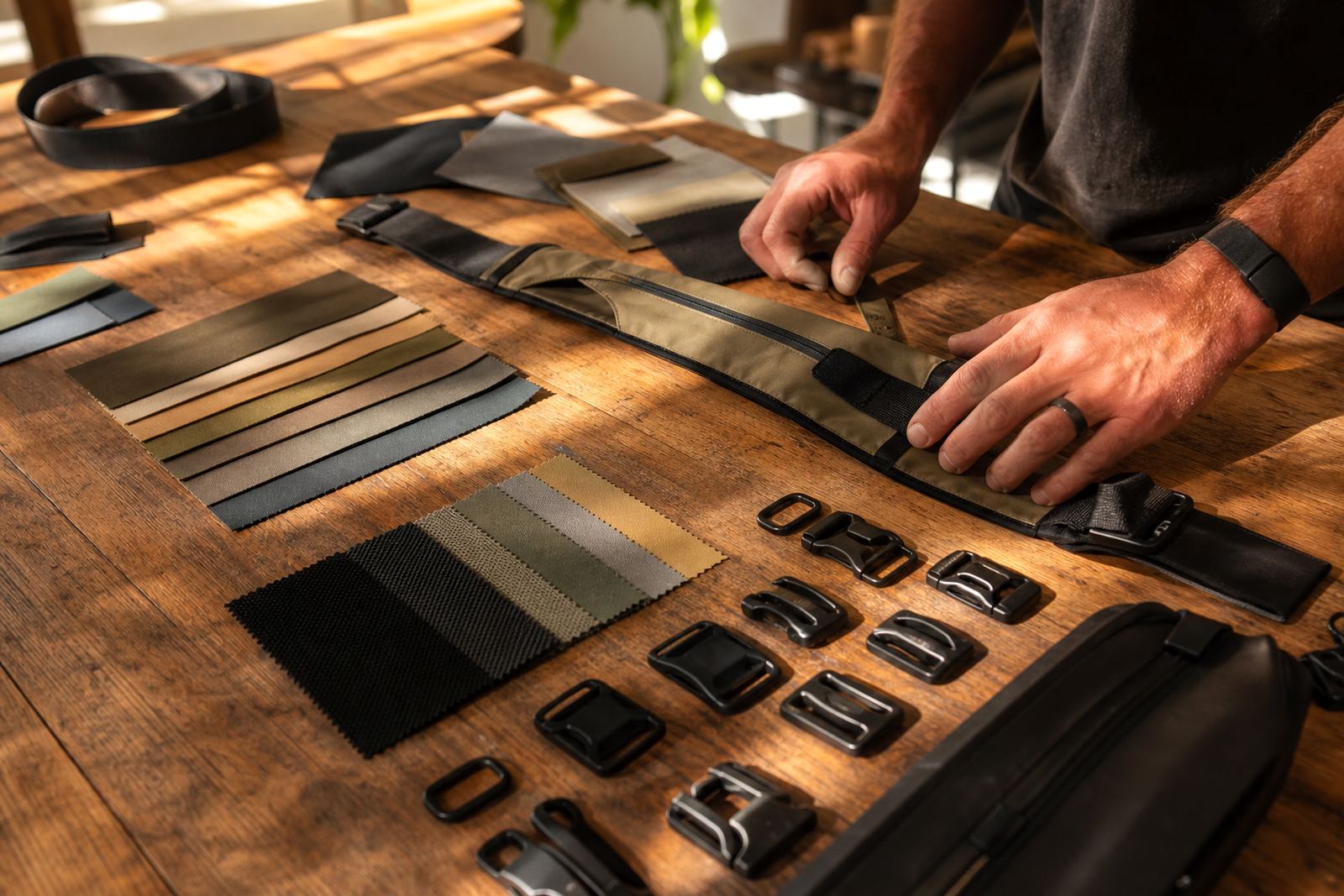
Typical guidance includes waist ranges in centimetres, stretch allowance and load tolerance. For example, a belt for a light race setup may suit a close fit with a smaller adjustment range, while a hydration belt for trail use may need a broader adjustment band to accommodate layers, movement and longer periods on course. Our team will also advise on where the belt should rest on the body for best stability.
If your event includes both competitive runners and social participants, we can suggest a mixed sizing layout. That might mean fewer small sizes for a fast field, or a wider spread for a charity race with more first-time runners. The aim is simple: the belt should feel secure, not fussy.
Turnaround times and order planning for events
Turnaround depends on the size of the order, the belt style selected and whether participant sizing data is already available. For planned events, we recommend allowing enough time for sizing review, production coordination and delivery across the Western Cape or to other provinces. This is especially important if you need custom colour runs or event pack inserts alongside the belts.
For repeat events, sizing is faster because we can refer to the previous order pattern and adjust for changes in entrant numbers. If your event has a late surge in entries, we can often help you rebalance the size mix before dispatch, provided the update reaches us early enough. In peak season, especially ahead of major road races and trail weekends, earlier confirmation is always safer.
We also keep an eye on practical delivery issues. During load shedding or high courier volumes, proper planning protects your handover date. If your event is in a remote area or on a tight registration schedule, we will work through the best dispatch window with you.
- Best results come from early participant numbers and size data
- Repeat orders move faster when previous sizing records are available
- Allow extra time for custom runs and multi-site event deliveries
Pricing approach and maintenance advice
Participant sizing is usually priced as part of the larger event order or planning process, rather than as a separate complicated fee. The cost depends on the quantity ordered, the level of guidance required and whether the sizing needs custom layout support for a mixed field. For smaller club orders, pricing is kept straightforward. For larger event groups, we can structure it around volume and dispatch requirements.
We do not overcomplicate the process. You will know what is included before the order is confirmed, including sizing guidance, pack planning and follow-up support if the entry list changes. If the event needs a second round of sizing adjustments, we will quote that clearly as part of the planning.
For maintenance, waist belts should be checked after every event cycle or every few months during training seasons. Look for strap wear, frayed stitching, reduced elastic tension and bottle pocket stretch. In coastal areas like Cape Town and Durban, rinse and dry the belts after sweaty use so salt and moisture do not shorten the life of the fabric. In drier inland conditions, dust and grit can still work into buckles and seams, so a basic clean is worth it.
- Inspect straps and pockets after heavy race use
- Rinse off sweat and coastal salt when needed
- Store belts flat and out of direct sun
- Recheck fit before each new event batch
Key facts
| Service area | Stellenbosch, Cape Town, Johannesburg, Durban, George, Paarl, Somerset West, Bellville |
|---|---|
| Best for | Trail runners, road runners, race events, clubs and mixed participant groups |
| Fit range | Practical sizing guidance based on waist measurement in centimetres and load type |
| Turnaround | Depends on order size, sizing data and event timing; early planning recommended |
| Order support | Sizing splits, pack labelling, dispatch coordination and repeat order support |
| Maintenance check | Inspect after event use and review fit before each new race cycle |