What Hydration Layout Advice Covers
Our hydration layout advice is for trail runners, road runners, clubs and race organisers who need a practical setup that matches the event. We look at how much water or mix a runner should carry, where it should sit on the waist belt, and how to keep gels, salts and small items within easy reach.
Advice is based on the event type, expected pace, aid station spacing and weather. A 10 km road race in cool conditions needs a very different layout from a 42 km trail run in Stellenbosch heat or a windy coastal race in Cape Town. We also factor in load-shedding planning for event packing and any bulk order timelines, so the full run kit arrives ready for issue.
Layouts Matched To Distance And Terrain
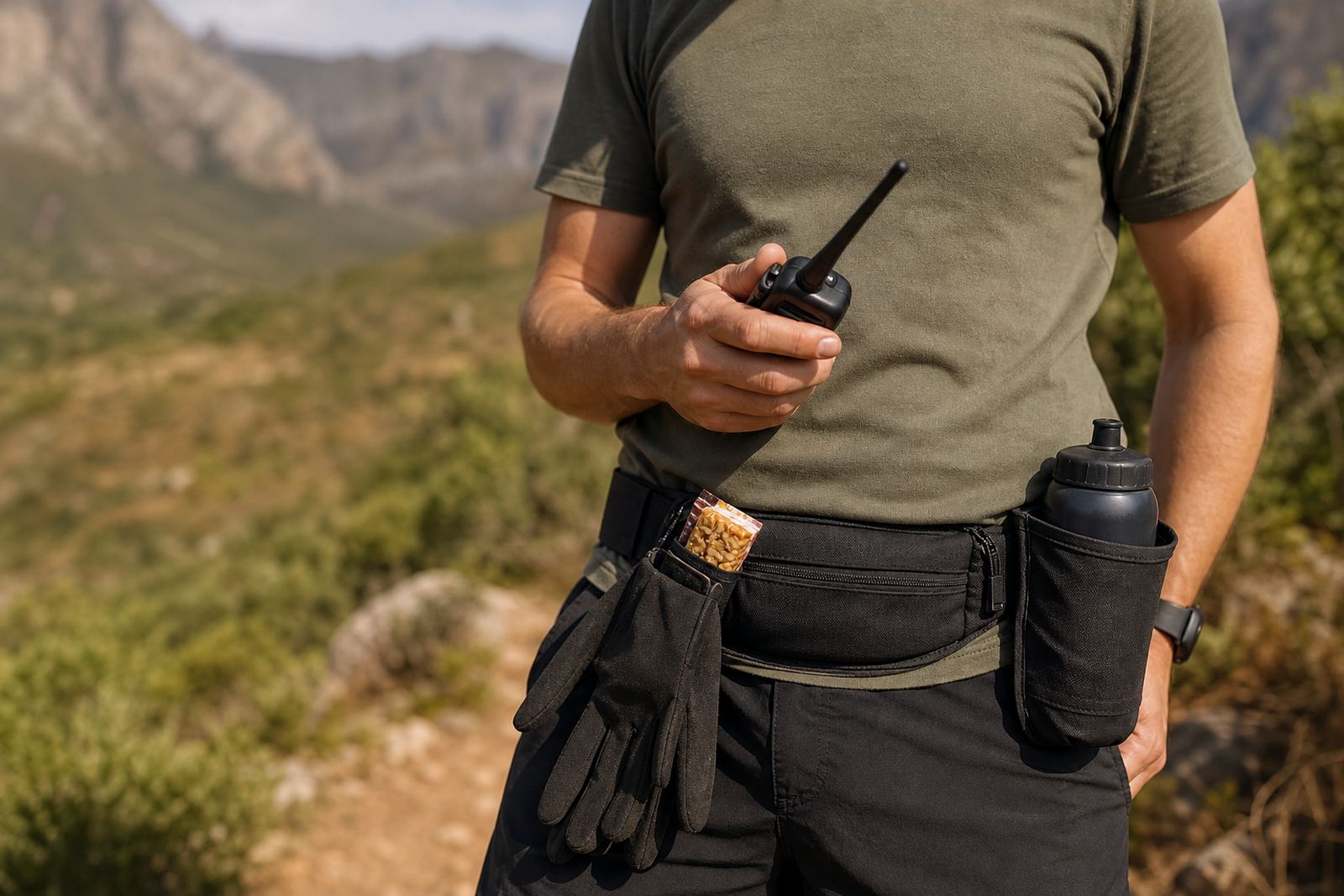
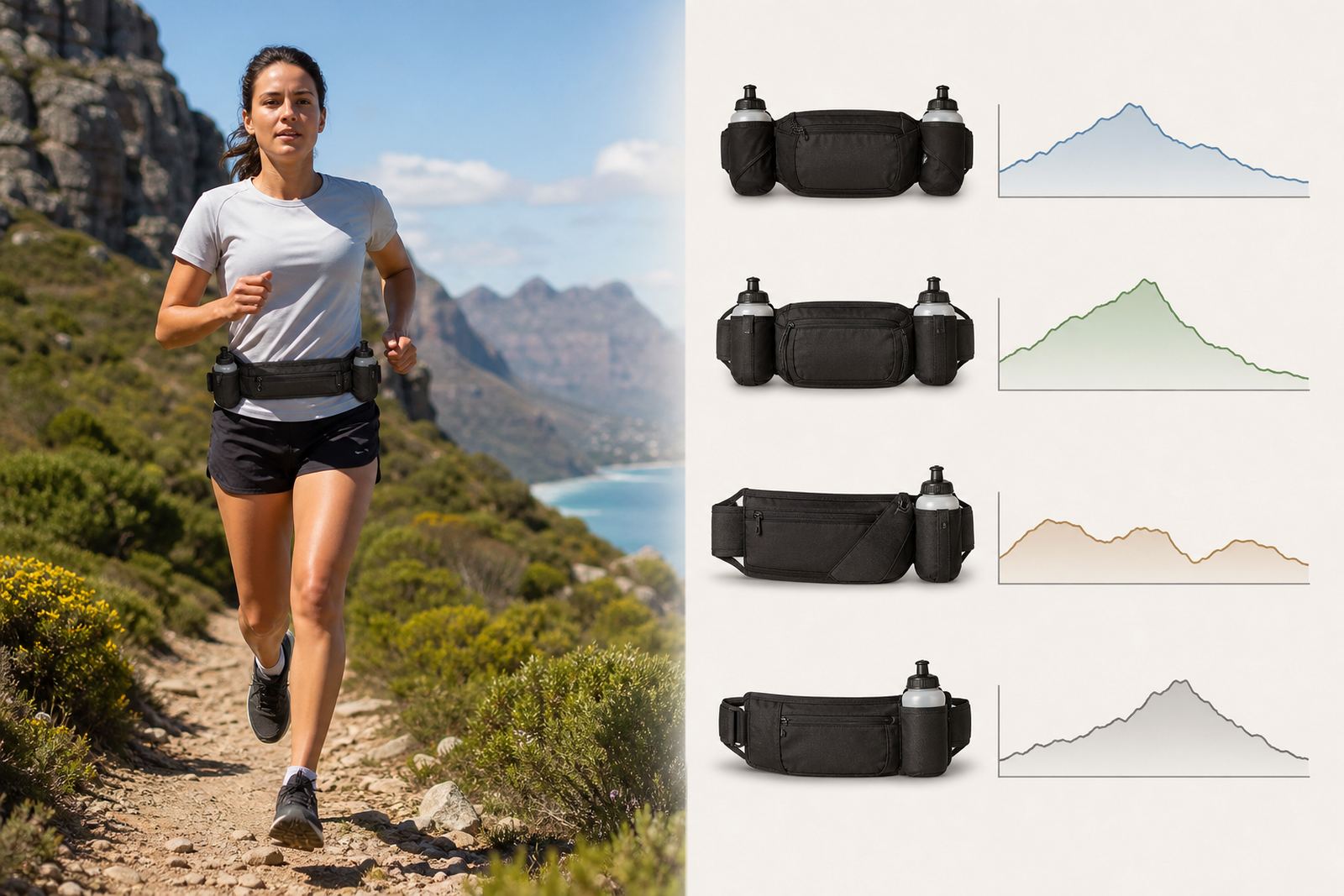
For shorter road events, a compact carry is usually best. That can mean one soft flask, a slim fuel pocket and a snug belt position to keep movement down. For trail runners, we often recommend a balanced setup with two small flasks, gels on the front and a rear compartment for a lightweight layer or salt tabs.
- 5 km to 15 km: minimal carry, quick access, low bounce
- 16 km to 30 km: one or two flasks, fuel storage and stable fit
- 31 km and above: balanced carry, split weight and clearer access points
- Hill-heavy trails: tighter layout to reduce shifting on climbs and descents
For coastal humidity in Durban or long summer events around the Western Cape, we often suggest a more frequent drink plan with smaller bottles rather than overloading one side of the belt. That helps comfort and keeps the belt sitting level for longer.
How We Build The Carry Plan
We start by asking about distance, terrain, weather and the event format. Then we map the carry items into zones on the belt so bottles, flasks and fuel do not clash. The aim is simple: runners should be able to reach what they need with one hand, while keeping the belt secure through turns, climbs and downhills.
- Event profile review and carry list
- Weight balance planning for left and right side load
- Fuel placement for gels, chews or salt tabs
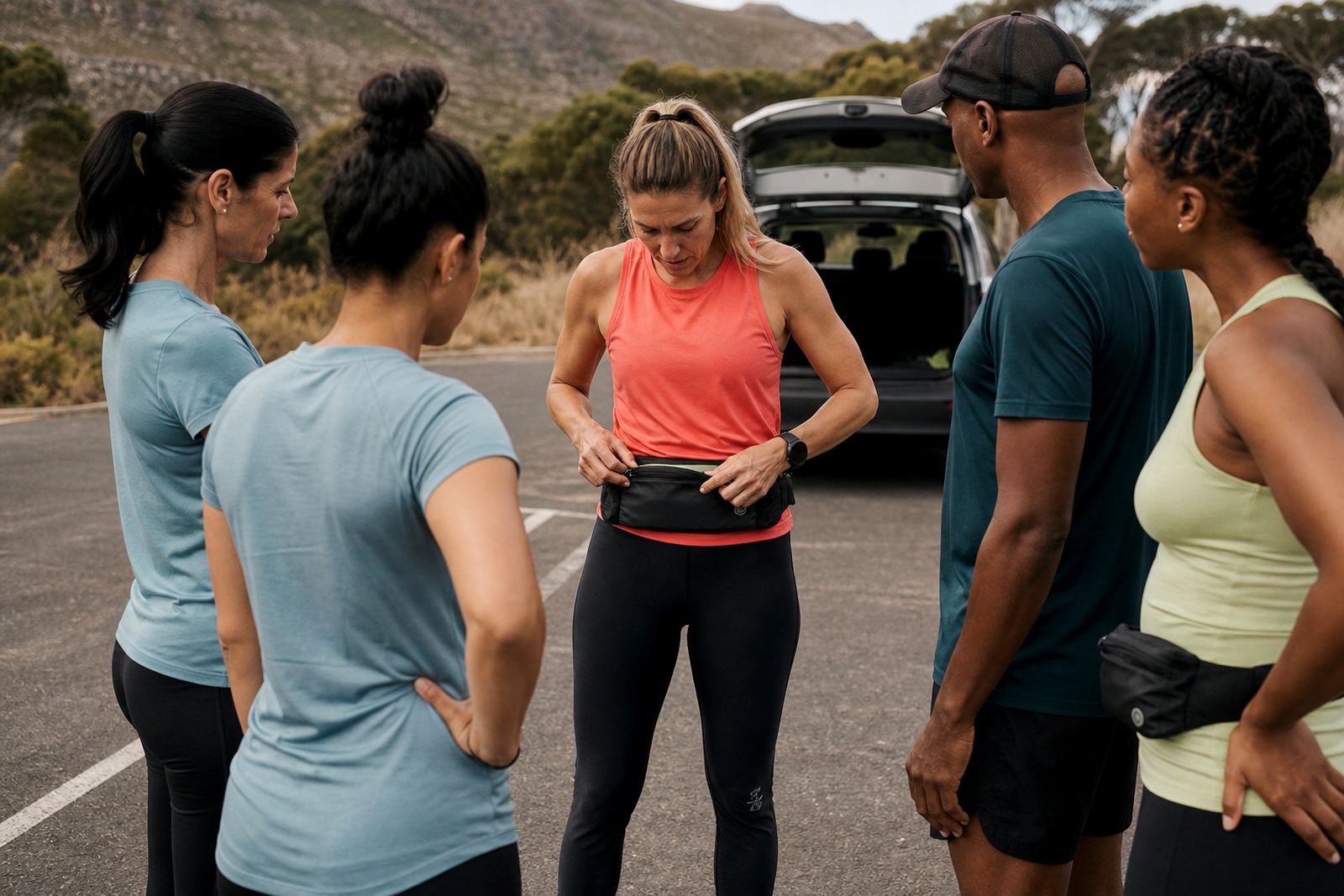
- Fit briefing for runners, club members or event staff
If your team is planning a race in Johannesburg, Paarl or George, we can advise on the most practical layout for the field size and likely pace groups. Small changes in bottle position can make a big difference over the second half of an event.
What Is Included In The Advice
The service includes a layout recommendation based on the type of run, the likely hydration need and the size of the participant group. We also advise on whether a runner should use one bottle, two flasks or a bottle plus pocket carry for fuel and small essentials. Where needed, we can guide clubs on repeating the same layout across a whole batch so the fit stays consistent from runner to runner.
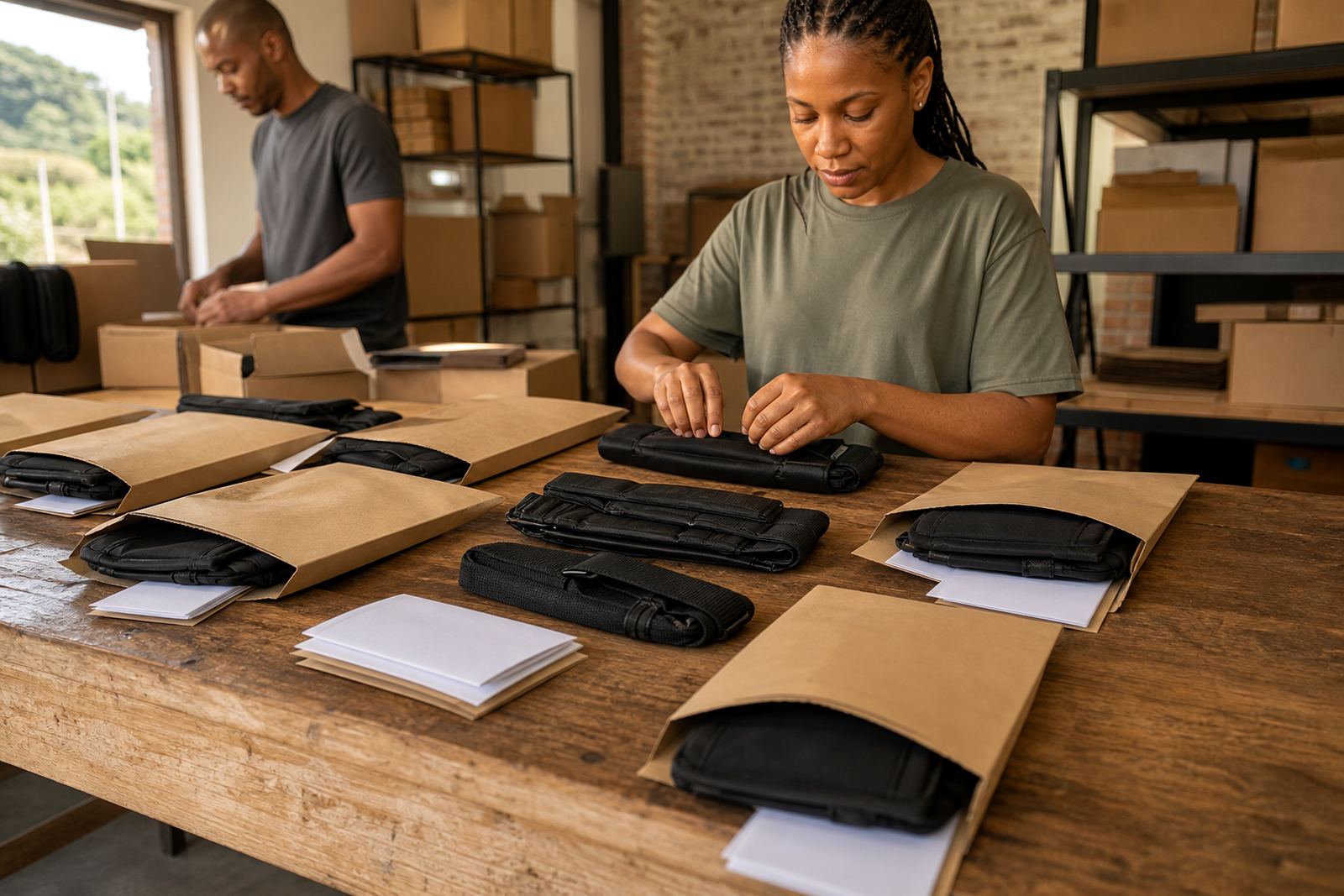
For event organisers, we can also help with race pack inserts and participant instructions, so runners know how to wear the belt before they arrive at the start line. That reduces queue delays at registration and cuts down on last-minute fit changes.
- Bottle and flask placement advice
- Fuel pocket planning
- Participant sizing guidance
- Repeat order layout consistency
- Event day issue notes for volunteers
Turnaround, Pricing And Order Size
Turnaround depends on the size of the order and how much input is needed on the layout side. Simple advice for a small club order can be handled quickly, while larger event orders may need sizing checks and fit briefing notes before dispatch. We work from our Stellenbosch base and supply across South Africa, including Cape Town, Johannesburg, Durban and George.
Pricing is based on the complexity of the layout advice and whether it is tied to a bulk order, custom colour run or event support plan. We keep the pricing approach straightforward, with clear scope before production or dispatch starts. There are no surprise extras for basic fit guidance, though special event requirements may add planning time.
Maintenance And Recheck Intervals
Hydration layouts should be checked before each race block, and again after any change in distance, season or participant profile. We recommend a recheck every 3 to 6 months for clubs and recurring events, or sooner if runners report bounce, rubbing or slow access to bottles and gels.
After washing, belts should be dried fully before storage, especially in humid areas like Durban or after muddy trail events in the Western Cape. Inspect stitching, elastic tension and pocket stretch at the same time. If a belt starts to sit unevenly or the bottle pull becomes awkward, it is time to adjust the layout rather than wait for race day problems.
For event stock, a quick pre-season inspection helps keep the whole batch ready. A five minute check now saves a lot of trouble later when the start line is already busy and runners are looking for help.
Key facts
| Carry options | Single flask, twin flask or bottle plus fuel pocket |
|---|---|
| Typical belt sizes | Adjustable fit across common adult waist ranges |
| Use cases | Road races, trail runs, club training and event packs |
| Suggested recheck interval | Every 3 to 6 months, or after a change in distance or season |
| Service areas | Stellenbosch, Cape Town, Johannesburg, Durban, George and nearby areas |
| Support method | Enquiry form on our contact page for planning and follow-up |